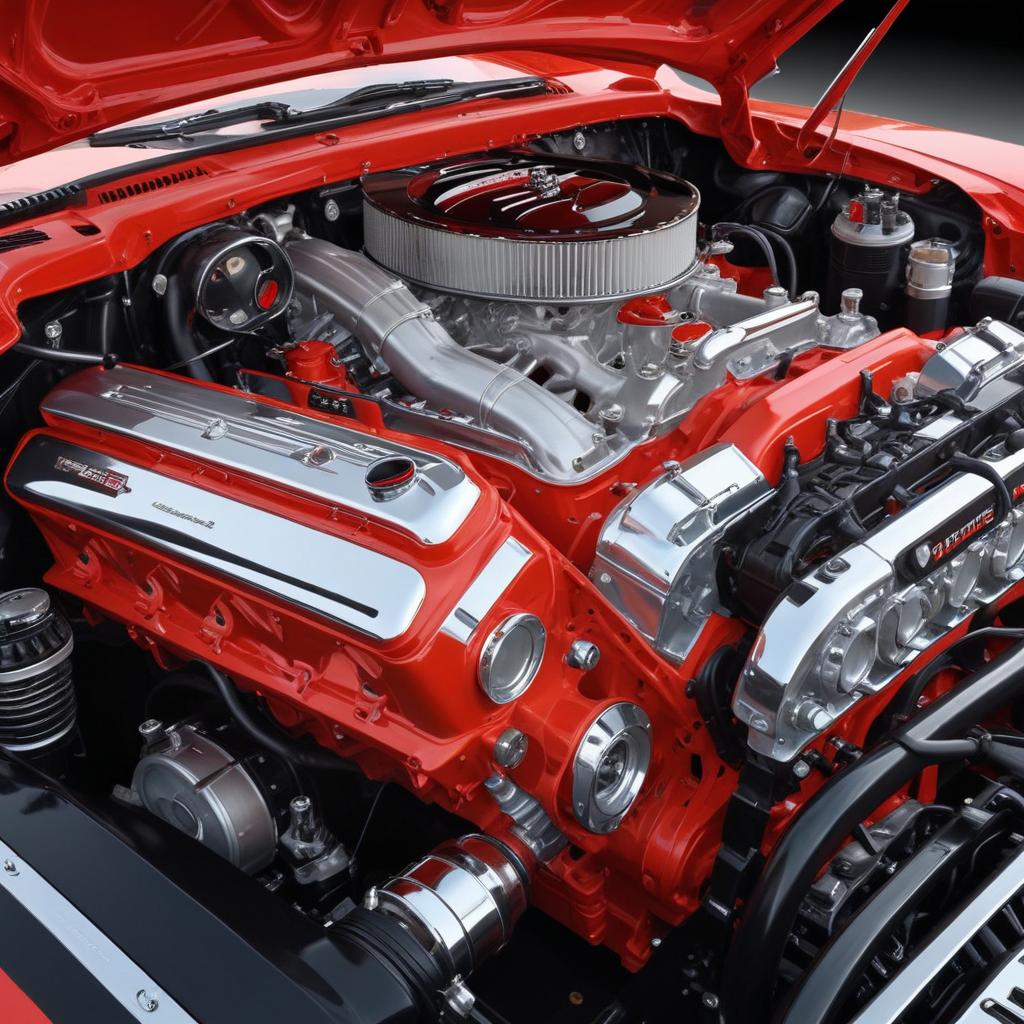
Mechanical care during restoration requires a thorough understanding of the big block’s intricate design. Ensuring the engine block is free of cracks, the cylinder heads are correctly machined, and the crankshaft is properly balanced are critical steps. Restoration challenges frequently arise from wear-related damage and the need for custom solutions when standard parts don’t fit perfectly.
Best practices include meticulous documentation of the engine’s original specifications and using high-quality lubricants and gaskets to enhance longevity. Classic car maintenance post-restoration remains vital to preserve the engine’s performance and authenticity. Regular inspections, cleaning, and timely tune-ups help prevent minor issues from escalating into serious mechanical failures.
Ultimately, patient attention to detail and a proactive approach to overcoming restoration challenges ensure that restoring the big block engine in a Plymouth GTX results in a powerful, enduring classic that honors its legacy while delivering robust performance.
Introduction to Big Block Engines in the Plymouth GTX
Big block engines are a cornerstone of muscle car history, and their role in the Plymouth GTX is particularly noteworthy. These engines are known for their large displacement and high power output, making them a favorite among muscle car enthusiasts seeking performance and torque. In the context of the Plymouth GTX, a classic American muscle car, big block engines represent more than just mechanical components—they symbolize the raw power and aggressive performance that define the muscle car era.
The Plymouth GTX was designed as a high-performance vehicle, and its big block engines were engineered to meet the demanding expectations of muscle car fans. Typically ranging from 383 cubic inches to the legendary 440 cubic inch displacement, these engines provided the Plymouth GTX with exceptional acceleration and speed. The capability of big block engines to deliver substantial horsepower and torque set the GTX apart from many of its contemporaries, making it a formidable competitor on both the street and the track.
An overview of big block engines reveals their substantial size compared to small block engines, which translates into a greater combustion chamber volume and increased power potential. This is achieved through a combination of larger bore and stroke measurements, resulting in enhanced air and fuel intake capabilities. For the Plymouth GTX, this meant that the big block engines could generate the intense power needed to drive these muscle cars with impressive force, reinforcing their reputation as powerful muscle machines.
In summary, big block engines are integral to the identity and performance of the Plymouth GTX. They provide the muscle car with the engine overview and pedigree that muscle car aficionados respect and admire. The power, sound, and performance delivered by big block engines continue to be a major selling point and a defining characteristic of the Plymouth GTX, making it a true icon in the muscle car world.
History of the Plymouth GTX and Engine Options
The Plymouth GTX holds a renowned place in American muscle car history, celebrated for its blend of performance and style. Introduced in 1967 as a high-performance variant of the Plymouth Belvedere, the GTX quickly earned its reputation as the “gentleman’s muscle car.” Central to its appeal was the availability of powerful engine options that appealed to enthusiasts seeking both speed and reliability.
From the outset, big block engines became an integral part of the Plymouth GTX’s identity. Initially equipped with a potent 440 cubic inch V8, the big block engine defined the car’s performance capabilities and aggressive character. This powerful engine option helped establish the Plymouth GTX as a dominant force on the street and strip alike, setting it apart from its competitors.
Over time, the evolution of big block engines further solidified the GTX’s standing. Plymouth introduced variations such as the legendary 426 HEMI, boasting exceptional horsepower and torque figures that elevated the car’s performance to new heights. These engine options were not just about raw power; they embodied the engineering excellence and innovation that appealed to muscle car aficionados.
Throughout its production run, the Plymouth GTX continued to emphasize big block engines as a core part of its brand, contributing significantly to its legacy. The evolution of these engines reflected the broader trends in muscle car development and helped cement the GTX’s role as an iconic vehicle celebrated for both its performance and rich history in the muscle car community.
What Defines a Big Block Engine
The big block definition revolves primarily around engine displacement, a key factor that sets these engines apart from others. Big block engines typically feature a larger displacement, often exceeding 400 cubic inches, which directly contributes to their increased power output and torque. Unlike small block engines that are more compact and lightweight, big blocks are physically larger and heavier, due to their bigger cylinders and longer strokes.
This increased engine displacement allows for a greater air and fuel mixture to be combusted in each engine cycle, enhancing performance characteristics significantly. Big block engines are known for their robust construction to handle the higher power levels they generate. Components like thicker cylinder walls, larger crankshafts, and reinforced connecting rods help maintain engine durability under stress.
Performance-wise, big block engines deliver superior low-end torque and sustained power at higher RPMs, making them ideal for muscle cars, heavy-duty trucks, and performance applications where brute force is required. Their distinctive sound and substantial presence under the hood also contribute to their iconic status in automotive culture.
In summary, the big block definition centers on the engine’s physical size, displacement, and the resulting performance characteristics that make it a powerhouse in terms of strength and endurance, differentiating it clearly from small block and other engine types.
Popular Big Block Engine Models Used in the Plymouth GTX
The Plymouth GTX was renowned for its powerful engine options, and among the most notable were the big block engine models that delivered impressive performance and raw muscle. Two of the most iconic engines offered in the Plymouth GTX were the legendary 426 HEMI and the robust 440 cubic inch big block engines. These engines played a pivotal role in defining the GTX’s muscle car status and solidifying its place in automotive history.
The 426 HEMI, often referred to as the “Elephant Engine” for its large displacement and incredible power, was a masterpiece of engineering. This big block engine model was equipped with hemispherical combustion chambers designed for optimized airflow and combustion efficiency. The 426 HEMI produced an impressive 425 horsepower and 490 lb-ft of torque, making it one of the most powerful engines available in the Plymouth GTX lineup. With a forged steel crankshaft, high-flow cylinder heads, and dual four-barrel carburetors, the 426 HEMI could launch the Plymouth GTX from 0 to 60 mph in under 5 seconds, a remarkable feat for its time.
Complementing the 426 HEMI was the 440 cubic inch big block engine, which became a favorite among muscle car enthusiasts for its blend of power and driveability. The 440 engine was offered in multiple variants, including the standard 440 and the more aggressive 440 Six-Pack equipped with three two-barrel carburetors. The 440 engine typically produced 375 to 390 horsepower and torque figures upwards of 480 lb-ft, delivering a throaty exhaust note and strong acceleration. This engine was praised not only for its brute force but also for its relatively smooth operation compared to other big block engines.
Both the 426 HEMI and the 440 cubic inch engines were integral to the Plymouth GTX engines lineup, providing a range of options for muscle car aficionados seeking thrilling performance. Whether cruising the streets or tearing up the drag strip, these big block engine models ensured that the Plymouth GTX remained a dominant and celebrated muscle car of its era. Their lasting legacy continues to influence modern performance vehicles and enthusiasts today.
The 426 HEMI Engine
The 426 HEMI engine stands as a legendary example of big block power, renowned for its impressive engine performance that transformed the Plymouth GTX 426 into an icon of muscle car supremacy. Developed in the 1960s, this engine was engineered to deliver formidable horsepower and torque, boasting a rated output of 425 horsepower and 490 lb-ft of torque. The 426 HEMI’s hemispherical combustion chambers, which inspired its name, provided superior airflow and efficient combustion, giving it a distinct advantage over traditional engine designs.
This advanced design not only maximized power but also enhanced durability and reliability, making it a favored choice for racers and performance enthusiasts alike. The 426 HEMI’s unique architecture allowed for larger valves and better breathing ability, which directly contributed to its remarkable acceleration and overall performance on the road and track. For the Plymouth GTX 426, this engine was more than just a powertrain; it was a defining feature that elevated the car’s reputation to legendary status among collectors and muscle car fans.
With the 426 HEMI under the hood, the Plymouth GTX became synonymous with raw power and speed, securing its place in automotive history. The unbeatable combination of big block power and advanced engineering ensured that the Plymouth GTX 426 engine stood out as a benchmark for muscle car performance, cherished by enthusiasts who appreciate the blend of innovation and brute force.
The 440 Six-Pack Engine
The 440 Six-Pack engine is a legendary performance powerhouse that was commonly installed in Plymouth GTX models, renowned for its impressive muscle car power. This cubic inch engine variant features a distinctive carburetor setup that consists of three two-barrel carburetors, collectively known as the “Six-Pack.” This arrangement allows for a massive amount of air and fuel to enter the engine, significantly boosting power output and throttle response.
With a displacement of 440 cubic inches, the 440 Six-Pack was engineered for high performance and torque, making it a favorite among muscle car enthusiasts who demanded speed and power. The triple carburetor setup was tuned to optimize fuel delivery and enhance engine breathing, resulting in an exhilarating driving experience. The combination of the large displacement engine with this specialized carburetor setup delivered robust horsepower and torque figures that could dominate the quarter-mile track.
What made the 440 Six-Pack particularly special in the Plymouth GTX was its ability to blend raw muscle car power with relatively smooth drivability. It was an ideal choice for those who wanted both street cruising comfort and competitive performance. This engine variant showcased Plymouth’s commitment to producing some of the most formidable muscle cars of the late 1960s and early 1970s, preserving the legacy of the GTX as a muscle car icon.
Performance and Restoration Tips for Big Block Plymouth GTX Engines
Maximizing engine performance in your big block Plymouth GTX starts with a solid foundation—ensure the engine block is clean, free of corrosion, and properly machined. High-quality bearings, pistons, and rings will reduce friction and enhance durability. Upgrading to performance camshafts and cylinder heads can significantly improve airflow and combustion efficiency, resulting in increased horsepower and torque. Using high-octane fuel and a tuned carburetor or fuel injection system helps optimize the air-fuel mixture for peak performance.
Restoration tips for big block engines focus on attention to detail and using OEM or high-quality aftermarket parts to maintain authenticity and reliability. Before reassembly, thoroughly inspect all components for wear and replace any that show signs of damage. Clean and hone the cylinder walls meticulously to ensure proper sealing and compression. When rebuilding, ensure torque specifications are met accurately to prevent future engine issues. An engine rebuild can breathe new life into a Plymouth GTX, but it requires patience and precision.
Proper Plymouth GTX maintenance is crucial for sustaining engine performance. Regular oil changes with the correct grade oil, timely coolant system flushes, and periodic valve adjustments will keep the big block engine running smoothly. Keep an eye on ignition system components such as spark plugs, wires, and distributor to prevent misfires and inefficient combustion. Additionally, monitor the exhaust system to maintain proper backpressure and reduce emissions.
When restoring a big block rebuild, documenting every step and taking photos can be invaluable for troubleshooting and future maintenance. Investing in a quality rebuild kit tailored for big block Plymouth GTX engines simplifies the rebuilding process by ensuring compatibility and durability. Lastly, don’t overlook the value of professional assistance if you’re new to engine rebuilding—consulting experienced mechanics or restoration specialists can help avoid costly mistakes and achieve the best possible engine performance and longevity.
Enhancing Big Block Engine Performance
Performance upgrades for big block engines in Plymouth GTX cars are a popular way to boost power improvements and overall driving experience. Enthusiasts often start with engine tuning to optimize air and fuel delivery, ensuring the engine operates at peak efficiency. Upgrading the carburetor or switching to electronic fuel injection systems can significantly enhance throttle response and fuel atomization.
Another common modification includes installing high-performance camshafts, which improve valve timing and increase horsepower and torque. Additionally, upgrading the exhaust system to a freer-flowing design reduces backpressure, allowing the engine to breathe better and produce more power. Headers and performance mufflers are typical choices for this upgrade.
Performance enhancement also often involves strengthening internal components like forged pistons, connecting rods, and crankshafts to handle increased power levels safely. Coupled with an upgraded ignition system, these modifications ensure reliable combustion and prevent misfires at high RPMs. Cooling system enhancements, like high-capacity radiators and electric fans, help maintain optimal operating temperatures during intense driving.
For Plymouth GTX owners aiming for maximum power improvements, forced induction methods such as superchargers or turbochargers can be added to the big block engine. These upgrades significantly increase horsepower but require precise engine tuning and supporting modifications to maintain engine longevity. Overall, these performance upgrades and engine tuning techniques make the Plymouth GTX’s big block engines formidable machines on the road and track.
Restoration Considerations and Common Challenges
Restoring big block engines in Plymouth GTXs can be both rewarding and challenging. One of the primary hurdles in an engine restoration is sourcing quality parts. Since these classic engines are no longer in production, finding authentic components or reliable reproductions for a big block rebuild often demands extensive research and networking with specialty suppliers and classic car clubs.
Mechanical care during restoration requires a thorough understanding of the big block’s intricate design. Ensuring the engine block is free of cracks, the cylinder heads are correctly machined, and the crankshaft is properly balanced are critical steps. Restoration challenges frequently arise from wear-related damage and the need for custom solutions when standard parts don’t fit perfectly.
Best practices include meticulous documentation of the engine’s original specifications and using high-quality lubricants and gaskets to enhance longevity. Classic car maintenance post-restoration remains vital to preserve the engine’s performance and authenticity. Regular inspections, cleaning, and timely tune-ups help prevent minor issues from escalating into serious mechanical failures.
Ultimately, patient attention to detail and a proactive approach to overcoming restoration challenges ensure that restoring the big block engine in a Plymouth GTX results in a powerful, enduring classic that honors its legacy while delivering robust performance.

Ever since I bought my first used pickup truck, I’ve been obsessed with finding the perfect blend of off-road capability and weekend comfort. I spend my free time exploring state parks and tinkering with restoration projects in my garage. My writing focuses on how vehicles can enhance your lifestyle and outdoor adventures.