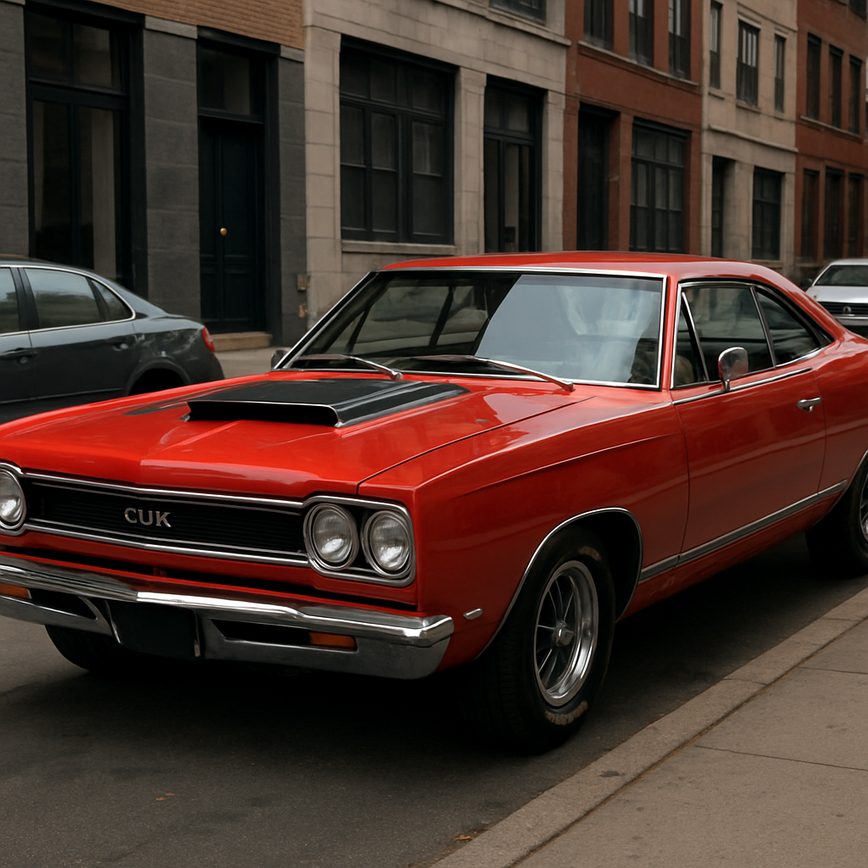
Comfort is another important factor to consider. The Plymouth GTX was designed for performance and style rather than modern comfort. Its suspension and seating, while sporty, may not provide the smooth ride or ergonomic support expected from contemporary cars. Long commutes might become tiring, and passengers may feel the difference during extended trips.
Reliability can also pose challenges. Older muscle cars like the Plymouth GTX often require regular maintenance and occasional repairs to keep them running smoothly. Finding a reliable mechanic who understands the specific needs of classic vehicles is essential. Owners should anticipate some downtime and budget for upkeep costs as part of the muscle car maintenance routine.
Lastly, parts availability can be a hurdle when maintaining a Plymouth GTX as a daily driver. Although many components have been replicated by aftermarket suppliers, some original parts may be scarce and expensive. This makes sourcing replacement parts a time-consuming and sometimes costly process, impacting the overall convenience of using this muscle car every day.
Maintenance and Upkeep Tips for Daily Driving a Plymouth GTX
Maintaining a Plymouth GTX for daily driving requires a dedicated approach to ensure this classic car remains reliable and roadworthy. Plymouth GTX maintenance is not just about preserving its vintage appeal but also about ensuring optimal performance every day. A regular maintenance schedule and careful attention to detail can help avoid costly repairs and keep your GTX running smoothly.
First and foremost, frequent checks of essential fluids—engine oil, coolant, transmission fluid, and brake fluid—are critical. Classic cars like the Plymouth GTX benefit from more frequent oil changes than modern vehicles, ideally every 3,000 miles, using high-quality oil suitable for older engines. Regularly flushing and replacing the coolant protects the radiator and engine during daily use, especially in varying weather conditions.
Classic car upkeep extends to the brakes and suspension systems. Given the Plymouth GTX’s age, inspect brake pads, rotors, and hydraulic lines regularly for wear and leaks. Daily driving tips include a thorough check of tires before hitting the road—look for signs of dry rot or uneven wear, and maintain proper tire pressure for safety and fuel efficiency. The suspension components, including bushings and shocks, should be examined to ensure a comfortable and stable ride.
A critical aspect of classic car upkeep for the Plymouth GTX is the electrical system. Check battery terminals for corrosion and ensure a secure charge, as vintage wiring may degrade over time. Keep an eye on lights, signals, and gauges to spot electrical issues early. Upgrading to modern fuses and relays can improve reliability without compromising originality.
Additionally, storing the vehicle properly when not in use helps preserve it. Use a breathable car cover to protect the GTX from dust and moisture if garage space isn’t available. Regular cleaning and waxing not only enhance the car’s appearance but also protect paint and metal surfaces from rust and deterioration.
Finally, establish a relationship with a mechanic experienced in classic cars or Plymouth GTX models. Professional inspections can catch hidden problems and provide tailored advice for your daily driving routine. Properly maintained, your Plymouth GTX can confidently serve as a classic daily driver, combining timeless style with dependable performance.
Routine Mechanical Checks and Fluid Management
Maintaining your Plymouth GTX for daily driving requires consistent routine mechanical checks to ensure reliability and safety. Start by inspecting the engine regularly for any signs of leaks, unusual noises, or vibrations. Pay special attention to the belts and hoses, as worn or cracked components can lead to unexpected breakdowns. Checking the air filter is also essential to maintain optimal engine performance and fuel efficiency.
Brake inspections should be part of your routine mechanical checks. Ensure the brake pads and rotors are in good condition without excessive wear. Also, check the brake fluid level and quality, as old or contaminated brake fluid can decrease braking efficiency and compromise safety during daily driving. Addressing any brake issues promptly is vital for maintaining the GTX’s reliable stopping power.
Fluid management plays a crucial role in Plymouth GTX maintenance. Regularly check and top off engine oil, coolant, transmission fluid, and power steering fluid. Clean and change these fluids as recommended in the owner’s manual to protect engine components and prevent overheating or transmission problems. Proper fluid management supports consistent daily performance and longevity.
Lastly, don’t overlook the suspension system. Inspect shocks, struts, and bushings for wear or damage. Properly functioning suspension ensures a smooth ride, better handling, and improved tire life. Routine mechanical checks combined with diligent fluid management will keep your Plymouth GTX running reliably every day, providing a safe and enjoyable driving experience.
Upgrading for Reliability and Comfort
When daily driving a classic Plymouth GTX, practical car upgrades can significantly enhance both reliability and comfort. One of the most impactful improvements is upgrading the ignition system to a modern electronic ignition. This ensures more reliable starts and reduces maintenance needs compared to original points-based systems. Enhanced reliability improvements like this make daily driving smoother and less stressful.
Equally important is upgrading the braking system. Upgrading to modern disc brakes, if the car still has drums, provides more consistent stopping power and improved safety. Consider also stainless steel brake lines and better brake pads to further enhance braking performance. These upgrades increase confidence behind the wheel, especially in stop-and-go city traffic or adverse weather.
Comfort enhancements also contribute greatly to the overall driving experience. Swapping out old seats for upgraded options with better cushioning or ergonomic design can reduce fatigue on longer drives. Modern seat materials and adjustable features improve support and maintain a comfortable posture. Adding vibration dampening under the seats or inside the cabin can also help mitigate road noise and shakes, making daily drives more pleasant.
By focusing on these reliability improvements and comfort enhancements—modern ignition, improved brakes, and upgraded seats—daily driving a Plymouth GTX becomes not only feasible but thoroughly enjoyable. These car upgrades bring classic muscle car charm together with practical modern convenience.
Driving Experience and Practical Considerations
Driving a Plymouth GTX offers a distinct classic muscle car experience that enthusiasts cherish, but it also comes with certain practical considerations for daily driving. Behind the wheel, the GTX delivers a powerful performance thanks to its robust engine, evoking the raw thrill of American muscle cars from the late 1960s and early 1970s. The driving experience is characterized by a hefty, throaty exhaust note and substantial torque that provide exhilarating acceleration. However, this intensity is balanced by a handling dynamic that reflects the car’s vintage design rather than modern precision.
Handling the Plymouth GTX in everyday traffic requires an adjustment period. Unlike modern vehicles with advanced suspension and steering systems, the GTX’s handling is somewhat heavier and less nimble. The car leans significantly in corners, a trait of its body-on-frame construction and solid rear axle, which means drivers need to carefully manage steering input and speed. The wide stance and weight of the vehicle contribute to a steady but less agile road feel, making it essential to approach tight bends cautiously. Nevertheless, the muscle car feel on open roads is unmatched, offering a direct and engaging connection to the driving experience.
Fuel consumption is a notable aspect to consider when daily driving a Plymouth GTX. Equipped with a large displacement V8 engine, the GTX is not fuel-efficient by modern standards. Expect significantly lower miles per gallon compared to contemporary vehicles, which greatly impacts the cost of regular commuting. For those valuing authenticity and the classic muscle car experience, this is often seen as a trade-off for the power and character the engine delivers. Keeping fuel consumption in mind is essential for budgeting and planning longer trips or daily errands.
Comfort during daily drives in the Plymouth GTX is a mixed bag. The interior reflects the styling of its era, offering spacious seating and classic design elements. However, amenities commonly found in modern cars such as advanced climate control, sound insulation, and ergonomic seating are limited or nonexistent. The ride quality can be firm due to the suspension setup, transmitting more road imperfections to the cabin. Still, the broad bench seats provide adequate comfort for short to medium-length drives. For muscle car enthusiasts, the comfort level is often considered secondary to the joy of driving such a legendary vehicle.
In summary, driving a Plymouth GTX daily involves balancing the classic muscle car experience with practical considerations. The thrill of its performance and distinctive style is undeniable, yet the realities of heavier handling, high fuel consumption, and basic comfort features require adapting expectations. The GTX remains a remarkable vehicle that continues to captivate those who appreciate the essence of classic American muscle, even when used as a daily driver.
Fuel Economy and Cost of Ownership
The Plymouth GTX, as a classic muscle car, is not renowned for its fuel economy. Expect average mileage to hover around 10 to 15 miles per gallon, depending largely on engine size, driving habits, and maintenance. This means fuel costs can be higher compared to modern vehicles, especially when used for daily driving in stop-and-go traffic or city environments.
When considering ownership cost, it’s important to factor in more than just fuel expenses. Classic car expenses include insurance, regular maintenance, and the occasional repairs or part replacements, which can be pricier due to the rarity of some components. Rust prevention and storage conditions also add to the overall cost of ownership. However, these costs are balanced by the car’s unique style, driving experience, and potential appreciation in value.
Ultimately, the fuel economy and ownership cost of the Plymouth GTX reflect the classic car lifestyle—where passion for driving and preservation often outweigh concerns about everyday expenses. For enthusiasts comfortable with these factors, daily driving a Plymouth GTX offers a rewarding and nostalgic experience despite the increased fuel consumption and classic car expenses.
Safety and Modern Driving Conditions
Driving a classic Plymouth GTX in today’s modern traffic presents unique challenges due to its original safety features being designed decades ago. While the GTX is undeniably a powerful and stylish muscle car, it lacks many of the advanced safety technologies that contemporary vehicles come equipped with, such as airbags, anti-lock brakes, and electronic stability control. This means that drivers must exercise extra caution when navigating busy roads and highways filled with faster, more responsive cars.
Despite these limitations, owners of a Plymouth GTX can enhance classic car safety by making thoughtful adaptations. Retrofitting seat belts with modern retractable versions is a fundamental upgrade that significantly improves passenger protection. Installing a contemporary braking system or upgrading to disc brakes can also provide better stopping power in emergency situations. Additionally, adding discreet modern lighting can improve visibility in poor weather or nighttime driving, further increasing safety for both the driver and others on the road.
Understanding the dynamics of modern traffic — with its emphasis on rapid acceleration and advanced driver assist systems — is vital for any Plymouth GTX driver. Being mindful of these factors and adopting safety measures makes daily driving a classic muscle car a more secure and enjoyable experience. While it will never match the safety standards of a new vehicle, with proper attention and upgrades, the Plymouth GTX can be driven confidently in today’s traffic environment.
Overview of the Plymouth GTX for Daily Driving
The Plymouth GTX, introduced in the late 1960s, is an iconic muscle car that represents the pinnacle of American automotive performance and style during that era. Known for its powerful engines, aggressive styling, and solid construction, the GTX was designed to be a high-performance vehicle that still offered a degree of comfort and daily usability. As a muscle car, it carved out its niche among enthusiasts who wanted the roar and thrill of a V8 powertrain without compromising too much on drivability.
When considering the Plymouth GTX for daily driving, especially in modern times, there are several factors to weigh. Muscle cars like the GTX were built with performance as the main focus, meaning they often lack some of the conveniences and efficiencies found in contemporary vehicles. Fuel economy, for instance, is typically poor compared to modern cars, which can make daily commuting expensive. Additionally, the GTX’s suspension and ride quality, tuned for performance and handling rather than comfort, might feel harsher on rough or uneven city roads.
Despite these challenges, driving a Plymouth GTX daily can be a rewarding experience for those passionate about classic cars. The distinctive engine sound, the vintage aesthetic, and the raw mechanical feedback connect the driver to an era of American automotive history that is largely missing from modern vehicles. However, it’s important to remember that maintenance needs are higher for classic muscle cars — sourcing parts and ensuring reliability demands time and dedication. Daily driving a Plymouth GTX means accepting a balance between the nostalgic appeal and the practical limitations.
Overall, the Plymouth GTX offers a unique muscle car overview through the lens of daily driving classic cars. While it may not match up to modern cars in terms of fuel efficiency, comfort, or advanced technology, the GTX’s enduring charm and powerful presence on the road make it a standout choice for enthusiasts wanting to experience a piece of muscle car history every day. For those willing to embrace its quirks and challenges, the Plymouth GTX remains a thrilling daily driver option that keeps the spirit of classic muscle cars alive.
History and Key Features of the Plymouth GTX
The Plymouth GTX holds a celebrated place in muscle car history, emerging in the late 1960s as a high-performance variant of the Plymouth Belvedere. Introduced in 1967, the GTX was designed to bridge the gap between a luxury car and a muscle car, earning it the nickname “the gentleman’s muscle car.” Its history is marked by a blend of powerful performance and refined styling, which appealed to enthusiasts looking for both speed and sophistication.
Key Plymouth GTX features include a potent V8 engine, often the 440 cubic inch Magnum or the legendary 426 HEMI, which delivered outstanding muscle car specs with impressive horsepower and torque figures. The GTX was well-equipped with a heavy-duty suspension, beefy brakes, and distinctive design elements such as bold grille styling, unique badging, and optional rally gauges. These features collectively made it stand out from other muscle cars of the era.
What truly defines the Plymouth GTX and sustains its appeal among car enthusiasts today is its blend of muscle car specs, performance, and style. It represents a perfect era of American muscle cars where power met elegance. The GTX continues to be celebrated not only for its performance capabilities but also for its contribution to muscle car culture, making it a coveted classic for collectors and daily driving muscle car fans alike.
Challenges of Using a Plymouth GTX as a Daily Driver
Driving a Plymouth GTX on a daily basis comes with several challenges that enthusiasts need to be prepared for. One of the most notable is fuel economy. As a classic muscle car, the Plymouth GTX’s powerful engine consumes significantly more fuel compared to modern vehicles, making frequent trips to the gas station a common issue. This can be a considerable drawback for anyone looking to use it as a practical daily driver.
Comfort is another important factor to consider. The Plymouth GTX was designed for performance and style rather than modern comfort. Its suspension and seating, while sporty, may not provide the smooth ride or ergonomic support expected from contemporary cars. Long commutes might become tiring, and passengers may feel the difference during extended trips.
Reliability can also pose challenges. Older muscle cars like the Plymouth GTX often require regular maintenance and occasional repairs to keep them running smoothly. Finding a reliable mechanic who understands the specific needs of classic vehicles is essential. Owners should anticipate some downtime and budget for upkeep costs as part of the muscle car maintenance routine.
Lastly, parts availability can be a hurdle when maintaining a Plymouth GTX as a daily driver. Although many components have been replicated by aftermarket suppliers, some original parts may be scarce and expensive. This makes sourcing replacement parts a time-consuming and sometimes costly process, impacting the overall convenience of using this muscle car every day.
Maintenance and Upkeep Tips for Daily Driving a Plymouth GTX
Maintaining a Plymouth GTX for daily driving requires a dedicated approach to ensure this classic car remains reliable and roadworthy. Plymouth GTX maintenance is not just about preserving its vintage appeal but also about ensuring optimal performance every day. A regular maintenance schedule and careful attention to detail can help avoid costly repairs and keep your GTX running smoothly.
First and foremost, frequent checks of essential fluids—engine oil, coolant, transmission fluid, and brake fluid—are critical. Classic cars like the Plymouth GTX benefit from more frequent oil changes than modern vehicles, ideally every 3,000 miles, using high-quality oil suitable for older engines. Regularly flushing and replacing the coolant protects the radiator and engine during daily use, especially in varying weather conditions.
Classic car upkeep extends to the brakes and suspension systems. Given the Plymouth GTX’s age, inspect brake pads, rotors, and hydraulic lines regularly for wear and leaks. Daily driving tips include a thorough check of tires before hitting the road—look for signs of dry rot or uneven wear, and maintain proper tire pressure for safety and fuel efficiency. The suspension components, including bushings and shocks, should be examined to ensure a comfortable and stable ride.
A critical aspect of classic car upkeep for the Plymouth GTX is the electrical system. Check battery terminals for corrosion and ensure a secure charge, as vintage wiring may degrade over time. Keep an eye on lights, signals, and gauges to spot electrical issues early. Upgrading to modern fuses and relays can improve reliability without compromising originality.
Additionally, storing the vehicle properly when not in use helps preserve it. Use a breathable car cover to protect the GTX from dust and moisture if garage space isn’t available. Regular cleaning and waxing not only enhance the car’s appearance but also protect paint and metal surfaces from rust and deterioration.
Finally, establish a relationship with a mechanic experienced in classic cars or Plymouth GTX models. Professional inspections can catch hidden problems and provide tailored advice for your daily driving routine. Properly maintained, your Plymouth GTX can confidently serve as a classic daily driver, combining timeless style with dependable performance.
Routine Mechanical Checks and Fluid Management
Maintaining your Plymouth GTX for daily driving requires consistent routine mechanical checks to ensure reliability and safety. Start by inspecting the engine regularly for any signs of leaks, unusual noises, or vibrations. Pay special attention to the belts and hoses, as worn or cracked components can lead to unexpected breakdowns. Checking the air filter is also essential to maintain optimal engine performance and fuel efficiency.
Brake inspections should be part of your routine mechanical checks. Ensure the brake pads and rotors are in good condition without excessive wear. Also, check the brake fluid level and quality, as old or contaminated brake fluid can decrease braking efficiency and compromise safety during daily driving. Addressing any brake issues promptly is vital for maintaining the GTX’s reliable stopping power.
Fluid management plays a crucial role in Plymouth GTX maintenance. Regularly check and top off engine oil, coolant, transmission fluid, and power steering fluid. Clean and change these fluids as recommended in the owner’s manual to protect engine components and prevent overheating or transmission problems. Proper fluid management supports consistent daily performance and longevity.
Lastly, don’t overlook the suspension system. Inspect shocks, struts, and bushings for wear or damage. Properly functioning suspension ensures a smooth ride, better handling, and improved tire life. Routine mechanical checks combined with diligent fluid management will keep your Plymouth GTX running reliably every day, providing a safe and enjoyable driving experience.
Upgrading for Reliability and Comfort
When daily driving a classic Plymouth GTX, practical car upgrades can significantly enhance both reliability and comfort. One of the most impactful improvements is upgrading the ignition system to a modern electronic ignition. This ensures more reliable starts and reduces maintenance needs compared to original points-based systems. Enhanced reliability improvements like this make daily driving smoother and less stressful.
Equally important is upgrading the braking system. Upgrading to modern disc brakes, if the car still has drums, provides more consistent stopping power and improved safety. Consider also stainless steel brake lines and better brake pads to further enhance braking performance. These upgrades increase confidence behind the wheel, especially in stop-and-go city traffic or adverse weather.
Comfort enhancements also contribute greatly to the overall driving experience. Swapping out old seats for upgraded options with better cushioning or ergonomic design can reduce fatigue on longer drives. Modern seat materials and adjustable features improve support and maintain a comfortable posture. Adding vibration dampening under the seats or inside the cabin can also help mitigate road noise and shakes, making daily drives more pleasant.
By focusing on these reliability improvements and comfort enhancements—modern ignition, improved brakes, and upgraded seats—daily driving a Plymouth GTX becomes not only feasible but thoroughly enjoyable. These car upgrades bring classic muscle car charm together with practical modern convenience.
Driving Experience and Practical Considerations
Driving a Plymouth GTX offers a distinct classic muscle car experience that enthusiasts cherish, but it also comes with certain practical considerations for daily driving. Behind the wheel, the GTX delivers a powerful performance thanks to its robust engine, evoking the raw thrill of American muscle cars from the late 1960s and early 1970s. The driving experience is characterized by a hefty, throaty exhaust note and substantial torque that provide exhilarating acceleration. However, this intensity is balanced by a handling dynamic that reflects the car’s vintage design rather than modern precision.
Handling the Plymouth GTX in everyday traffic requires an adjustment period. Unlike modern vehicles with advanced suspension and steering systems, the GTX’s handling is somewhat heavier and less nimble. The car leans significantly in corners, a trait of its body-on-frame construction and solid rear axle, which means drivers need to carefully manage steering input and speed. The wide stance and weight of the vehicle contribute to a steady but less agile road feel, making it essential to approach tight bends cautiously. Nevertheless, the muscle car feel on open roads is unmatched, offering a direct and engaging connection to the driving experience.
Fuel consumption is a notable aspect to consider when daily driving a Plymouth GTX. Equipped with a large displacement V8 engine, the GTX is not fuel-efficient by modern standards. Expect significantly lower miles per gallon compared to contemporary vehicles, which greatly impacts the cost of regular commuting. For those valuing authenticity and the classic muscle car experience, this is often seen as a trade-off for the power and character the engine delivers. Keeping fuel consumption in mind is essential for budgeting and planning longer trips or daily errands.
Comfort during daily drives in the Plymouth GTX is a mixed bag. The interior reflects the styling of its era, offering spacious seating and classic design elements. However, amenities commonly found in modern cars such as advanced climate control, sound insulation, and ergonomic seating are limited or nonexistent. The ride quality can be firm due to the suspension setup, transmitting more road imperfections to the cabin. Still, the broad bench seats provide adequate comfort for short to medium-length drives. For muscle car enthusiasts, the comfort level is often considered secondary to the joy of driving such a legendary vehicle.
In summary, driving a Plymouth GTX daily involves balancing the classic muscle car experience with practical considerations. The thrill of its performance and distinctive style is undeniable, yet the realities of heavier handling, high fuel consumption, and basic comfort features require adapting expectations. The GTX remains a remarkable vehicle that continues to captivate those who appreciate the essence of classic American muscle, even when used as a daily driver.
Fuel Economy and Cost of Ownership
The Plymouth GTX, as a classic muscle car, is not renowned for its fuel economy. Expect average mileage to hover around 10 to 15 miles per gallon, depending largely on engine size, driving habits, and maintenance. This means fuel costs can be higher compared to modern vehicles, especially when used for daily driving in stop-and-go traffic or city environments.
When considering ownership cost, it’s important to factor in more than just fuel expenses. Classic car expenses include insurance, regular maintenance, and the occasional repairs or part replacements, which can be pricier due to the rarity of some components. Rust prevention and storage conditions also add to the overall cost of ownership. However, these costs are balanced by the car’s unique style, driving experience, and potential appreciation in value.
Ultimately, the fuel economy and ownership cost of the Plymouth GTX reflect the classic car lifestyle—where passion for driving and preservation often outweigh concerns about everyday expenses. For enthusiasts comfortable with these factors, daily driving a Plymouth GTX offers a rewarding and nostalgic experience despite the increased fuel consumption and classic car expenses.
Safety and Modern Driving Conditions
Driving a classic Plymouth GTX in today’s modern traffic presents unique challenges due to its original safety features being designed decades ago. While the GTX is undeniably a powerful and stylish muscle car, it lacks many of the advanced safety technologies that contemporary vehicles come equipped with, such as airbags, anti-lock brakes, and electronic stability control. This means that drivers must exercise extra caution when navigating busy roads and highways filled with faster, more responsive cars.
Despite these limitations, owners of a Plymouth GTX can enhance classic car safety by making thoughtful adaptations. Retrofitting seat belts with modern retractable versions is a fundamental upgrade that significantly improves passenger protection. Installing a contemporary braking system or upgrading to disc brakes can also provide better stopping power in emergency situations. Additionally, adding discreet modern lighting can improve visibility in poor weather or nighttime driving, further increasing safety for both the driver and others on the road.
Understanding the dynamics of modern traffic — with its emphasis on rapid acceleration and advanced driver assist systems — is vital for any Plymouth GTX driver. Being mindful of these factors and adopting safety measures makes daily driving a classic muscle car a more secure and enjoyable experience. While it will never match the safety standards of a new vehicle, with proper attention and upgrades, the Plymouth GTX can be driven confidently in today’s traffic environment.

Ever since I bought my first used pickup truck, I’ve been obsessed with finding the perfect blend of off-road capability and weekend comfort. I spend my free time exploring state parks and tinkering with restoration projects in my garage. My writing focuses on how vehicles can enhance your lifestyle and outdoor adventures.