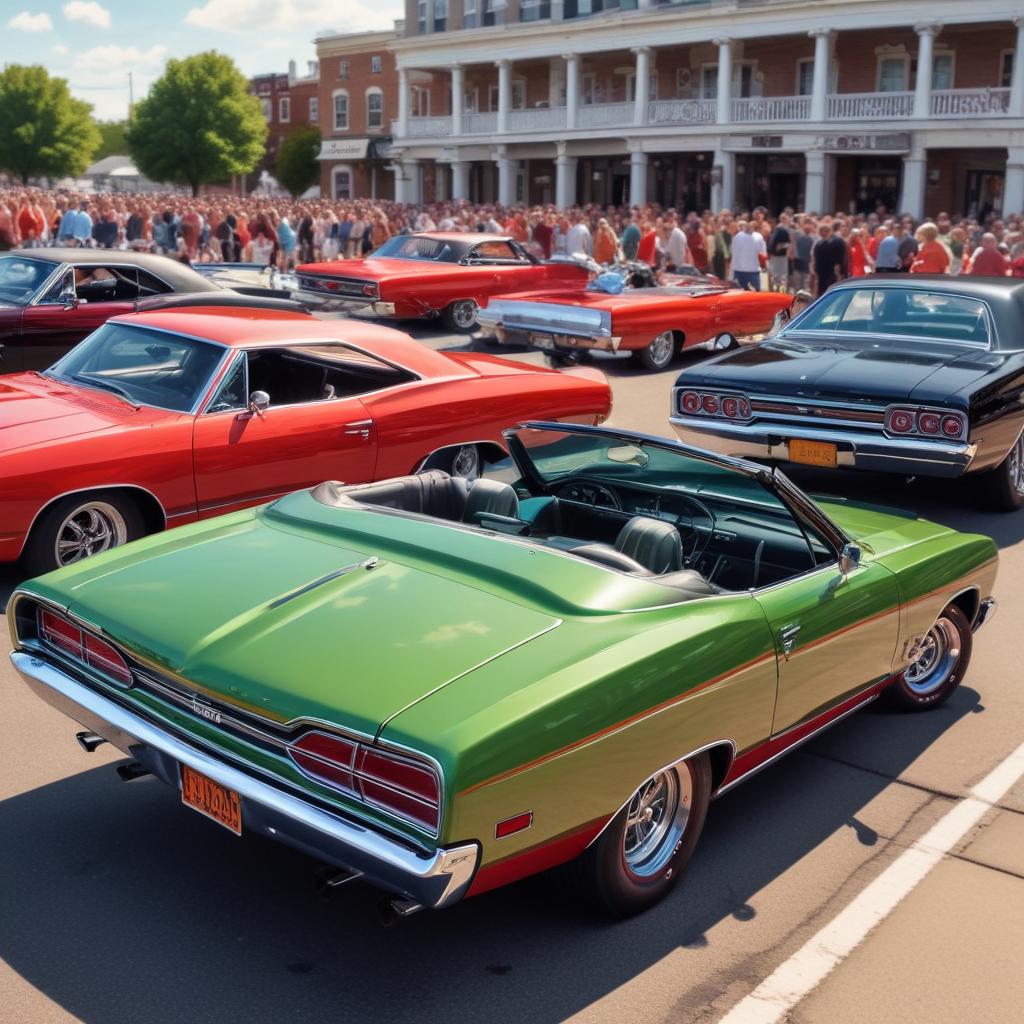
Overview of Plymouth GTX Classic Cars
The Plymouth GTX holds a revered place among classic muscle cars, particularly those that defined the high-performance era of 1970s cars. Introduced by Plymouth as a more upscale and performance-oriented model within their lineup, the GTX was designed to offer muscle car enthusiasts a blend of power, style, and comfort. It was often marketed as the “gentleman’s muscle car,” combining the raw muscle car appeal with additional luxury and features that set it apart from more basic performance vehicles of the time.
During the late 1960s and into the 1970s, the muscle car segment experienced a golden age with manufacturers racing to build the fastest and most aggressive models on the road. The Plymouth GTX emerged as a formidable contender in this fiercely competitive market, showcasing Plymouth’s commitment to performance engineering. It was built on the Dodge Coronet platform but packed with distinctive styling cues and more powerful engine options, including the legendary 440 cubic inch V8 and the highly coveted 426 HEMI. These engines cemented the Plymouth GTX as a muscular powerhouse capable of thrilling speed and acceleration.
The Plymouth GTX’s significance in automotive history is tied not only to its impressive performance but also to how it encapsulated the spirit of American muscle cars during the 1970s. It was a vehicle that symbolized freedom, raw power, and the burgeoning car culture of the era. For collectors and enthusiasts today, the GTX represents more than just a classic muscle car; it is a testament to the innovative automotive design and performance standards of its time. These cars remain highly sought after in the classic car market, admired both for their historical value and their enduring appeal as icons of muscle car heritage.
Overall, the Plymouth GTX stands out as a classic muscle car that defined a key segment of 1970s cars. Its combination of luxury touches, robust engine options, and bold styling helped Plymouth carve out a distinctive niche in the muscle car market, making the GTX a timeless symbol of the American muscle car era.
History and Production Details
The Plymouth GTX has a rich history as one of the most iconic muscle cars produced by Plymouth. Introduced in 1967, the GTX was initially marketed as the “gentleman’s muscle car,” combining high performance with stylish design and comfort. The production years spanned from 1967 to 1971, during which the GTX gained a reputation for its powerful engines and sleek looks.
Key model years in the Plymouth GTX history include 1968 and 1969, which are often regarded as the golden years for this classic car. During these years, Plymouth offered a range of engine options, including the formidable 440 cubic inch V8, which made the GTX a powerhouse on the road. The 1969 model featured subtle styling enhancements and distinctive badges that set it apart from other muscle cars of the era.
The origins of this classic car can be traced back to Plymouth’s pursuit of creating a performance vehicle that appealed to both muscle car enthusiasts and drivers seeking a more refined ride. The GTX was based on the Belvedere platform but included numerous upgrades and luxury touches that gave it a unique place in the muscle car market. Its production was relatively short-lived, but the Plymouth GTX left a lasting impact on the classic car community, making it a prized possession among collectors and muscle car fans alike.
Key Performance Specifications
The Plymouth GTX is renowned for its impressive muscle car performance, which has made it a highly sought-after model among enthusiasts. The muscle car boasts a range of powerful engine options that contribute to its legendary status. Among the most notable Plymouth GTX specs is the standard 440 cubic inch V8 engine, which delivers an impressive 375 horsepower, providing exhilarating acceleration and robust power on the road.
For those seeking even greater performance, the GTX offered an optional 426 HEMI V8 engine, a powerhouse recognized for its outstanding horsepower output of 425. This engine option solidified the Plymouth GTX’s reputation as a serious contender in the muscle car market, capable of thrilling speed and aggressive performance. The combination of these engine choices ensured the GTX could easily hold its own in the competitive landscape of classic American muscle cars.
Beyond raw engine power, the Plymouth GTX was equipped with performance features that enhanced its driving dynamics. Heavy-duty suspension systems, performance-tuned transmissions, and upgraded braking systems contributed to a balanced, responsive ride that complemented the potent engine options. These features worked harmoniously to create a muscle car that was not only powerful but also manageable and enjoyable to drive.
Overall, the Plymouth GTX specs highlight a well-rounded package of engine options and muscle car performance upgrades. These elements continue to draw collectors and car enthusiasts alike, contributing to the GTX’s lasting appeal in the classic car market.
Factors Influencing Plymouth GTX Value in the Classic Car Market
The value of a Plymouth GTX in the classic car market is influenced by several critical factors, each playing a vital role in determining its price and overall desirability. Understanding these elements is essential for collectors, enthusiasts, and investors looking to assess the true worth of this iconic muscle car. The primary factors include rarity, car condition, and originality, all of which contribute to classic car valuation.
Rarity is a fundamental factor affecting Plymouth GTX price factors. Limited production numbers, rare factory options, and unique model years can significantly increase a car’s market value. For example, certain GTX models produced in smaller quantities or with special performance packages tend to be more coveted by collectors. The scarcity of these vehicles adds exclusivity, resulting in higher demand and, consequently, a premium price in the classic car market.
Car condition is another critical element in classic car valuation. The state of the vehicle, including its mechanical functioning, bodywork, paint quality, and interior condition, directly influences its market worth. A well-maintained Plymouth GTX with minimal rust, original or recently restored components, and a clean service history will command a much higher price than one requiring extensive repairs or restoration. Buyers often seek cars that can be driven or displayed with minimal additional investment, making condition a top priority in valuation.
Originality also plays a significant role in determining the value of a Plymouth GTX. Vehicles that retain their original parts, paint, engine, and interior trim typically fetch higher prices than those that have undergone significant modifications or non-authentic restorations. Classic car collectors often prefer GTX models with matching numbers—that is, with components that are original to the car—because they better preserve the vehicle’s historical integrity. Maintaining originality ensures that the car remains a genuine representation of its era and factory specifications, making it more desirable in the classic car market.
In summary, classic car valuation for the Plymouth GTX hinges on a combination of rarity, condition, and originality. Cars that are rare, well-preserved, and maintain their original features are prized highly, often commanding top dollar among enthusiasts and collectors. Understanding these factors can help buyers and sellers make informed decisions and appreciate the true value of the Plymouth GTX in today’s classic car market.
Rarity and Production Numbers
The car rarity of specific Plymouth GTX models plays a crucial role in determining their value on the classic car market. Limited edition GTX variants, produced in smaller quantities, naturally attract more collectors and enthusiasts due to their exclusivity. These limited production stats create a sense of scarcity, which often leads to higher demand and increased market prices.
For instance, certain GTX models released in restricted runs or featuring unique specifications are highly sought after, as their rarity makes them stand out among the broader range of classic muscle cars. Production numbers directly affect how rare a car is; lower production figures typically translate into an enhanced desirability. This scarcity factor is an essential consideration for investors and classic car buyers when assessing the true value of a Plymouth GTX.
Moreover, the legacy and history behind these limited edition GTX models amplify their appeal. Enthusiasts often look beyond the car’s aesthetics and performance, appreciating the story that limited production stats can tell. This combination of rarity and provenance ultimately elevates certain Plymouth GTX cars above others in terms of market value, making them prized possessions for collectors focused on long-term appreciation.
Restoration and Originality
The value of a Plymouth GTX on the classic car market is heavily influenced by the car’s originality and the quality of any restoration work performed. Collectors and enthusiasts place a premium on vehicles that retain their original parts, as these authentic components provide a direct link to the car’s history and heritage. Original parts not only enhance the car’s authenticity but also contribute to its desirability and market value.
When it comes to car restoration, the approach taken can make a significant difference. High-quality restoration work that respects the vehicle’s original specifications and uses genuine or period-correct parts tends to elevate the car’s appeal. Such restorations preserve the integrity of the vehicle and demonstrate a commitment to maintaining its classic character. Conversely, poor restoration or the use of non-original parts can diminish the GTX’s value, as it raises questions about the car’s authenticity and long-term durability.
Authenticity is key in the classic car market, as buyers are often willing to invest more in vehicles that reflect the original factory condition. A restored Plymouth GTX that showcases meticulous workmanship and respects the original design and components typically commands higher prices. Therefore, investing in proper car restoration and retaining as many original parts as possible is crucial for anyone looking to maximize the vehicle’s value and appeal to discerning collectors.
Current Market Trends and Pricing of Plymouth GTX
The classic car market trends have shown a growing interest in muscle cars, with the Plymouth GTX standing out as a particularly desirable model among enthusiasts and collectors. Over recent years, Plymouth GTX prices have demonstrated a steady increase, reflecting the car’s rising status not only as a prized classic but also as a promising muscle car investment. This growth is fueled by the vehicle’s historical significance, powerful performance, and iconic styling, which continue to captivate a dedicated audience worldwide.
Popular marketplaces for buying and selling Plymouth GTX models include specialized classic car auctions, online platforms such as Bring a Trailer and Hemmings, as well as dedicated muscle car forums where collectors and sellers congregate. These venues provide valuable exposure and competitive pricing, allowing informed buyers to assess market values accurately and sellers to reach targeted audiences. The increasing presence of certified pre-restoration vehicles and professionally restored Plymouth GTXs on these platforms has contributed to broadening the market and setting higher price standards.
From an investment perspective, the Plymouth GTX is showing strong potential. Muscle car investment experts point to limited production numbers of certain model years and special editions as key factors influencing appreciation. Additionally, original condition vehicles with verified provenance tend to command premium prices, and carefully restored models also attract substantial interest. This growing demand coupled with the car’s cultural significance ensures that the Plymouth GTX remains a sound investment option within the classic car market.
Overall, keeping an eye on current market trends reveals that Plymouth GTX prices are likely to continue appreciating as muscle car collectors and investors seek out quality examples. Whether participating in classic car auctions or browsing online marketplaces, knowing the nuances of the Plymouth GTX’s valuation helps enthusiasts make strategic purchases. Consequently, the Plymouth GTX is not only a symbol of American muscle car heritage but also a valuable asset in the evolving landscape of classic car market trends.
Recent Sales and Auction Results
The classic car auctions in recent years have showcased a strong market demand for Plymouth GTX models. Notable Plymouth GTX sales have consistently attracted enthusiastic collectors and enthusiasts, reflecting the car’s status as a prized classic muscle car. Auction houses report increasing bids and competitive pricing, signifying growing interest and value appreciation within this niche.
| Auction House | Date | Model Year | Condition | Final Sale Price |
|---|---|---|---|---|
| Barrett-Jackson | Jan 2026 | 1970 | Fully Restored | $68,000 |
| RM Sotheby’s | Mar 2025 | 1969 | Original, Excellent | $54,500 |
| Gooding & Company | Nov 2024 | 1971 | Restored, Matching Numbers | $72,300 |
| Silverstone Auctions | Jul 2024 | 1970 | Original, Good Condition | $47,900 |
These results demonstrate a steady upward trend in Plymouth GTX sales at classic car auctions, highlighting a robust market demand. Buyers are particularly drawn to vehicles with original features and excellent restoration work, driving prices higher and showcasing the Plymouth GTX as a valuable investment in the classic car market.
Tips for Buyers and Sellers
When buying classic cars like the Plymouth GTX, thorough research is essential. Buyers should carefully inspect the vehicle’s condition, authenticity, and history to identify genuine models and avoid costly mistakes. Look for well-maintained examples with original parts and documentation, as these typically hold higher value. Understanding current market trends and pricing helps in spotting good deals. Attend classic car auctions, join enthusiast groups, and monitor online listings to stay informed.
For those selling Plymouth GTX models, maximizing value requires honest and detailed presentations of the car’s features and history. High-quality photos and clear descriptions attract serious buyers. Timing the sale to align with market demand peaks, such as during classic car events, can increase interest and price. Sellers should also consider professional appraisals and certifications to build buyer confidence. Pricing competitively but realistically ensures quicker sales without undervaluing the car.
Market advice for both buyers and sellers includes networking within classic car communities and leveraging online platforms tailored to vintage automobiles. Whether buying classic cars or selling Plymouth GTX models, patience, due diligence, and engagement with the market’s rhythm are key to securing the best outcomes. Being informed about the unique traits and rarity of the Plymouth GTX can yield profitable opportunities and rewarding ownership experiences.

Ever since I bought my first used pickup truck, I’ve been obsessed with finding the perfect blend of off-road capability and weekend comfort. I spend my free time exploring state parks and tinkering with restoration projects in my garage. My writing focuses on how vehicles can enhance your lifestyle and outdoor adventures.