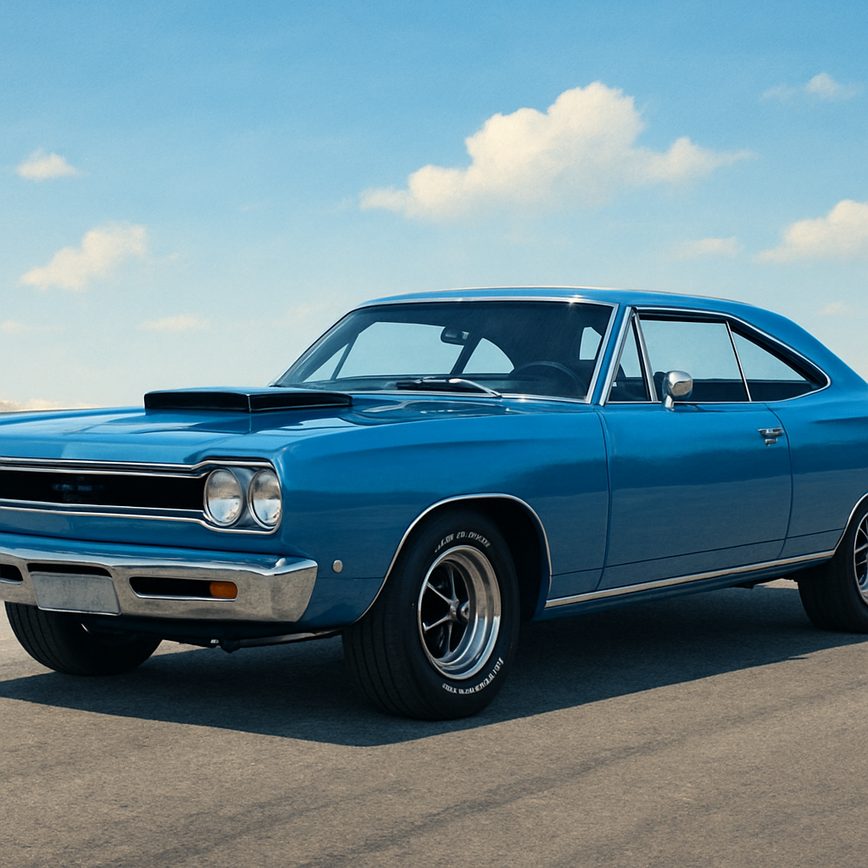
Styling presents another angle in this muscle car faceoff. The Dodge Charger R/T features a bold, aggressive front grille and a fastback profile that screams speed and performance. The Plymouth GTX, on the other hand, showcases a more refined yet equally muscular stance with its signature grille and sporty stripe accents, appealing to those who prefer a blend of elegance and muscle under the hood.
Legacy is where Plymouth vs Dodge really comes to life. The Dodge Charger R/T remains a cultural icon, immortalized in film and car culture for its brute strength and street presence. Meanwhile, the Plymouth GTX maintains a devoted following, admired for its combination of performance and style as a true sleeper muscle car. Both vehicles continue to hold significant places in muscle car history, each with unique attributes that contributed to defining a legendary era.
Legacy and Collector Appeal of Plymouth GTX
The Plymouth GTX holds a distinguished place in muscle car history, renowned for its blend of performance, style, and innovative engineering. Its lasting legacy is deeply rooted in the golden era of American muscle cars, where it stood out not just for raw power but also for its balanced combination of speed and comfort. The Plymouth GTX legacy is marked by a dedicated following of enthusiasts who appreciate its unique position as a “gentleman’s muscle car,” a label earned by its refined yet aggressive character. Over the decades, this model has cultivated a reputation that makes it highly desirable among muscle car collectors.
Muscle car collectors are drawn to the Plymouth GTX for several reasons. First, its relatively limited production numbers compared to more mainstream muscle cars add an element of rarity. Collectors value this scarcity, as it enhances the car’s exclusivity and status within the classic car community. Additionally, the GTX’s distinctive features—including its powerful HEMI engine options, stylish body lines, and rare factory upgrades—make it a standout piece that appeals to those who seek authenticity and originality in their collection. The GTX also benefits from a passionate network of restoration experts and clubs, which helps maintain and increase its appeal among enthusiasts.
When considering classic car value today, several factors influence the Plymouth GTX’s market standing. Condition is paramount; well-preserved or expertly restored models command premium prices. Originality, such as matching numbers on the engine and chassis, also plays a critical role in value appreciation. Moreover, specific years and trim levels—especially those featuring the 440 Six-Pack or the legendary 426 HEMI engine—tend to attract higher bids at auctions and private sales. The current collector market favors muscle cars that exude authenticity combined with documented history, which the Plymouth GTX often fulfills.
In summary, the Plymouth GTX’s enduring legacy is a testament to its well-rounded approach to muscle car design. Its appeal to collectors is bolstered by its rarity, historical significance, and strong community support. As the classic car value market continues to evolve, the Plymouth GTX maintains its stature as a prized collector’s gem, embodying the spirit of the muscle car era while offering lasting investment potential for enthusiasts.
Collector Market Trends
The collector market for Plymouth GTX models has shown intriguing dynamics in recent years, reflecting a broader interest in classic muscle cars. At muscle car auctions, Plymouth GTX vehicles consistently attract considerable attention due to their distinctive styling, powerful performance, and historical significance within the muscle car era. When compared to other muscle cars, Plymouth GTX models often represent a rare find, which positively influences their value trends.
Recent car value trends indicate that Plymouth GTX models have experienced a steady appreciation in price, particularly for well-maintained, original-condition cars. Unlike some muscle cars that face market fluctuations, the collector market for GTXs remains relatively stable, driven by enthusiasts seeking both investment potential and nostalgic appeal. This stability can be attributed to the limited production run and the GTX’s unique position as a high-performance variant of the Plymouth Road Runner.
In comparison, muscle cars like the Ford Mustang and Chevrolet Camaro often command higher overall auction prices due to brand recognition and continuous production. However, the Plymouth GTX’s niche appeal gives it an edge in exclusivity, which is a compelling factor for serious collectors. Overall, understanding these market nuances helps enthusiasts and investors anticipate the trajectory of Plymouth GTX values within the broader muscle car collector market.
Maintaining and Restoring Plymouth GTX
Maintaining and restoring a Plymouth GTX muscle car requires dedication and attention to detail. For enthusiasts, Plymouth GTX restoration is not just a hobby but a rewarding challenge that demands knowledge of classic car upkeep and muscle car maintenance. One of the primary tips is to start with a thorough inspection to identify rust, wear, and mechanical issues that are common in older models.
Keeping the engine in top shape involves regular oil changes, tuning, and careful monitoring of fluid levels. Muscle car maintenance also means sourcing authentic parts, which can be difficult but essential for preserving the car’s originality and value. Joining clubs and online forums can be invaluable for finding rare components and expert advice.
Restoration projects often reveal hidden challenges such as outdated wiring, damaged upholstery, or suspension problems. Enthusiasts should be prepared for costs and time investments, especially when restoring to factory specifications. Classic car upkeep also includes protecting the exterior with proper paint treatments and storing the vehicle in a climate-controlled environment to avoid deterioration.
Overall, a successful Plymouth GTX restoration balances passion with patience, ensuring this iconic muscle car remains a cherished gem of automotive history for generations to come.
Overview of Plymouth GTX
The Plymouth GTX stands as an iconic symbol in the world of classic muscle cars, renowned for its striking blend of power, style, and performance. Introduced by Plymouth in 1967, the GTX was marketed as the “Gentleman’s Muscle Car,” offering a perfect combination of luxury and muscle that appealed to enthusiasts looking for both sophistication and raw power. Its launch marked a significant chapter in the muscle car era, setting it apart from other vehicles with an emphasis on both performance and comfort.
The Plymouth GTX was equipped with a variety of powerful engines over its production years, including the legendary 440 cubic inch V8 and the monstrous 426 HEMI. These engines delivered impressive horsepower and torque, making the GTX not just a pretty face but a formidable force on the road or track. The muscle car overview would be incomplete without highlighting this beast’s standout performance metrics that helped cement its place among the muscle car legends of the 1960s and early 1970s.
Design-wise, the Plymouth GTX featured aggressive styling cues that captured the essence of American muscle. It sported a sleek, aerodynamic body with bold lines, a distinctive grille, and optional rallye gauges that added to its sporty appeal. The interior was designed to provide a blend of comfort and utility, with plush seating and modern features that enhanced the driving experience. These design elements contributed significantly to its reputation as a classic muscle car with both aesthetic and functional excellence.
The significance of the Plymouth GTX in the muscle car era cannot be overstated. It represented more than just speed; it embodied the cultural shift toward high-performance vehicles that were as stylish as they were powerful. The GTX’s ability to offer a balanced combination of performance, design, and relative affordability made it a popular choice among muscle car aficionados and collectors alike. Today, the Plymouth GTX remains a beloved classic symbolizing the golden age of muscle cars, admired for its engineering prowess and timeless appeal.
Historical Background and Evolution
The Plymouth GTX holds a significant place in the annals of muscle car history, representing a potent blend of performance and style produced during the golden era of American muscle cars. Introduced in 1967 by Plymouth, a division of Chrysler, the GTX was initially positioned as the “gentleman’s muscle car,” combining high horsepower with luxury features, carving out a unique niche in the muscle car evolution timeline. Key years of production for the Plymouth GTX span from 1967 to 1971, during which the model saw various enhancements in engine power, design tweaks, and technological advancements that kept it competitive against contemporaries like the Chevrolet Chevelle SS and Ford Fairlane GT.
The classic car timeline places the GTX as a pivotal model that helped define and shape the muscle car segment in a time of intense automotive innovation. Unlike some muscle cars that prioritized raw speed exclusively, the Plymouth GTX balanced muscle with comfort and style, helping it evolve alongside changing consumer preferences. Its powerful 440-cubic inch V8 engine became iconic, showcasing Plymouth’s approach to muscle car evolution—offering both performance and refinement. This evolution mirrored broader trends in muscle car development, where manufacturers aimed to capture both everyday usability and track-ready performance.
Compared to other muscle cars, the Plymouth GTX’s history is marked by a blend of power and sophistication, making it a standout model in the muscle car evolution narrative. The GTX’s impact on the classic car timeline is evident in its enduring popularity among muscle car enthusiasts and collectors, symbolizing a unique era where performance met luxury in perfect harmony.
Key Features and Performance Specs
| Feature | Specification |
|---|---|
| Engine Options | Standard 440 cubic inch V8; Optional 426 HEMI V8 |
| Horsepower | Up to 425 hp with 440 V8; 425 hp with 426 HEMI |
| Design Elements | Bold grille, dual hood scoops, GTX badging, muscle car stance |
| Performance Metrics | 0-60 mph in approximately 6 seconds; Quarter mile in mid 13 seconds |
| Transmission | 4-speed manual or 3-speed automatic options |
| Suspension | Heavy-duty suspension with front and rear sway bars for handling |
| Brakes | Front disc brakes standard for improved stopping power |
The Plymouth GTX features powerful engine options that include the legendary 440 cubic inch V8 and the high-performance 426 HEMI V8, both delivering up to 425 horsepower. Its design elements such as a bold front grille, dual hood scoops, and distinctive GTX badging emphasize its muscle car heritage. Performance specs highlight its impressive acceleration, including 0-60 mph in about six seconds and competitive quarter mile times, showcasing the engine and power capabilities that defined the Plymouth GTX. The car also offers versatile transmission options and enhanced handling and braking systems, making it a complete package for muscle car enthusiasts.
Comparing Plymouth GTX to Other Muscle Cars
The Plymouth GTX stands out distinctly in the realm of classic muscle cars, a category fiercely contested by iconic rivals such as the Chevrolet Chevelle SS, Pontiac GTO, and Dodge Charger. When conducting a Plymouth GTX comparison, enthusiasts often highlight the car’s balanced combination of performance, design, and market impact, which enabled it to carve a unique niche among its muscle car counterparts.
Performance-wise, the Plymouth GTX was no slouch. Its available 440 cubic inch V8 engine, known famously as the “Super Commando,” delivered robust power with a crisp throttle response and formidable torque. This allowed the GTX to hold its own in muscle car performance tests, offering acceleration and speed figures comparable to the best in its class. Meanwhile, competitors like the Chevrolet Chevelle SS favored high-revving engines with a focus on raw speed, whereas the Dodge Charger balanced power with aggressive styling and road presence. The Pontiac GTO was considered a pioneer in muscle car performance but generally favored a more street-friendly ride compared to the GTX’s assertive muscle.
In terms of design, the Plymouth GTX showcased a blend of aggressive yet polished aesthetics. With its bold grille, sleek lines, and sporty side stripes, the GTX’s appearance was both commanding and tasteful. In contrast, muscle car rivals exhibited varying design philosophies: the Dodge Charger embraced a more buffed and bulky muscle car image, while the Pontiac GTO often sported a cleaner, classic look. The Chevelle SS balanced between subtlety and aggression, which made it a popular choice among those who wanted muscle without overt flashiness.
Market impact is another critical dimension for any Plymouth GTX comparison. Although it never reached the legendary sales heights of some rivals, the GTX earned the respect of muscle car aficionados for its well-rounded attributes. It was marketed as the “gentleman’s muscle car,” offering performance without compromising comfort and drivability. This approach helped it maintain a loyal following, even if it didn’t dominate marketing headlines as aggressively as the Dodge Charger or Pontiac GTO. Its reputation for reliability and the blend of muscle car performance and practicality allowed it to sustain long-term appeal.
Ultimately, in muscle car performance and design, the Plymouth GTX remains a noteworthy figure, striking a balance between raw power and sophisticated design. While muscle car rivals such as the Dodge Charger and Pontiac GTO glorified raw aggression and speed, the GTX’s thoughtful engineering and market positioning catered to those seeking muscle car thrills with an everyday usability edge. This makes the Plymouth GTX comparison a fascinating study in muscle car history and legacy.
Plymouth GTX vs Chevrolet Chevelle SS
When comparing the Plymouth GTX and the Chevrolet Chevelle SS, enthusiasts often debate which muscle car reigns supreme. Both vehicles are iconic representatives of the American muscle car era, boasting powerful engines and aggressive styling, yet they each bring distinct characteristics to the table.
In terms of key specs, the Plymouth GTX typically came equipped with a 440 cubic inch V8 engine delivering around 375 horsepower, while the Chevrolet Chevelle SS offered options up to the legendary 454 cubic inch V8, capable of producing up to 450 horsepower. This difference in power output gives the Chevelle SS a slight edge in raw performance, particularly in straight-line speed.
Performance-wise, the Chevelle SS’s hefty engine choices provided impressive acceleration and torque, making it a favorite for drag racing enthusiasts. The Plymouth GTX, however, was praised for its balanced handling and smoother ride, thanks in part to its refined suspension setup. This made the GTX more versatile for everyday driving without sacrificing muscle car bravado.
Styling differences between Plymouth and Chevy muscle cars are clear and notable. The Plymouth GTX featured bold, clean lines with a focus on subtle aggression, often highlighted by its signature hood scoops and distinctive grille design. In contrast, the Chevrolet Chevelle SS embraced a more muscular and broad-shouldered stance, accentuated by its dual racing stripes and wider body style that exuded raw power and presence.
Ultimately, choosing between the Plymouth GTX and Chevrolet Chevelle SS comes down to preference in muscle car comparison—whether you lean towards the Plymouth vs Chevy debate for power, performance, or styling, both offer an unforgettable driving experience that continues to captivate muscle car fans.
Plymouth GTX vs Ford Mustang Mach 1
When comparing the Plymouth GTX and the Ford Mustang Mach 1, the differences in design, engine options, and popularity become clear markers in the muscle car comparison. The Plymouth GTX boasts a bold and aggressive styling with a heavier, more muscular frame. Its design emphasized a blend of luxury and performance, setting it apart from other muscle cars of its time. On the other hand, the Ford Mustang Mach 1 carries the iconic Mustang silhouette but with performance-oriented enhancements such as hood scoops and racing stripes, giving it a sporty and aggressive look.
Engine options for the two muscle cars also highlight their unique qualities. The Plymouth GTX offered powerful V8 engines — notable options include the 440 cubic inch and the legendary 426 HEMI. These engines delivered impressive horsepower and torque, catering to enthusiasts seeking raw power. Meanwhile, the Ford Mustang Mach 1 featured engines ranging from a 302 cubic inch V8 to a robust 428 Cobra Jet, providing a variety of performance choices for muscle car fans. Each car’s engine lineup played a pivotal role in defining its character in the muscle car community.
In terms of popularity, the Ford Mustang Mach 1 generally enjoyed wider recognition and a lasting legacy in the muscle car world, partly due to the Mustang’s overall brand strength and lasting appeal in popular culture. The Plymouth GTX, while respected and admired by muscle car enthusiasts, often remains a more niche choice. This Plymouth vs Ford rivalry reflects different approaches to muscle car design and marketing, with the Mustang Mach 1 appealing broadly, and the GTX prized for its unique blend of power and style.
Plymouth GTX vs Dodge Charger R/T
When it comes to the muscle car faceoff between the Plymouth GTX and the Dodge Charger R/T, enthusiasts often debate performance, styling, and legacy. Both vehicles, icons of the muscle car era, reflect Plymouth vs Dodge rivalry at its peak.
Performance-wise, the Dodge Charger R/T is celebrated for its robust acceleration and powerful V8 engines, particularly the legendary 440 Magnum and 426 HEMI options. The Plymouth GTX, however, holds its ground with its high-performance 440 cubic inch V8 engine that delivers impressive horsepower and a smooth yet aggressive ride. While the Charger leans towards raw muscle, the GTX offers a balanced mix of power and drivability.
Styling presents another angle in this muscle car faceoff. The Dodge Charger R/T features a bold, aggressive front grille and a fastback profile that screams speed and performance. The Plymouth GTX, on the other hand, showcases a more refined yet equally muscular stance with its signature grille and sporty stripe accents, appealing to those who prefer a blend of elegance and muscle under the hood.
Legacy is where Plymouth vs Dodge really comes to life. The Dodge Charger R/T remains a cultural icon, immortalized in film and car culture for its brute strength and street presence. Meanwhile, the Plymouth GTX maintains a devoted following, admired for its combination of performance and style as a true sleeper muscle car. Both vehicles continue to hold significant places in muscle car history, each with unique attributes that contributed to defining a legendary era.
Legacy and Collector Appeal of Plymouth GTX
The Plymouth GTX holds a distinguished place in muscle car history, renowned for its blend of performance, style, and innovative engineering. Its lasting legacy is deeply rooted in the golden era of American muscle cars, where it stood out not just for raw power but also for its balanced combination of speed and comfort. The Plymouth GTX legacy is marked by a dedicated following of enthusiasts who appreciate its unique position as a “gentleman’s muscle car,” a label earned by its refined yet aggressive character. Over the decades, this model has cultivated a reputation that makes it highly desirable among muscle car collectors.
Muscle car collectors are drawn to the Plymouth GTX for several reasons. First, its relatively limited production numbers compared to more mainstream muscle cars add an element of rarity. Collectors value this scarcity, as it enhances the car’s exclusivity and status within the classic car community. Additionally, the GTX’s distinctive features—including its powerful HEMI engine options, stylish body lines, and rare factory upgrades—make it a standout piece that appeals to those who seek authenticity and originality in their collection. The GTX also benefits from a passionate network of restoration experts and clubs, which helps maintain and increase its appeal among enthusiasts.
When considering classic car value today, several factors influence the Plymouth GTX’s market standing. Condition is paramount; well-preserved or expertly restored models command premium prices. Originality, such as matching numbers on the engine and chassis, also plays a critical role in value appreciation. Moreover, specific years and trim levels—especially those featuring the 440 Six-Pack or the legendary 426 HEMI engine—tend to attract higher bids at auctions and private sales. The current collector market favors muscle cars that exude authenticity combined with documented history, which the Plymouth GTX often fulfills.
In summary, the Plymouth GTX’s enduring legacy is a testament to its well-rounded approach to muscle car design. Its appeal to collectors is bolstered by its rarity, historical significance, and strong community support. As the classic car value market continues to evolve, the Plymouth GTX maintains its stature as a prized collector’s gem, embodying the spirit of the muscle car era while offering lasting investment potential for enthusiasts.
Collector Market Trends
The collector market for Plymouth GTX models has shown intriguing dynamics in recent years, reflecting a broader interest in classic muscle cars. At muscle car auctions, Plymouth GTX vehicles consistently attract considerable attention due to their distinctive styling, powerful performance, and historical significance within the muscle car era. When compared to other muscle cars, Plymouth GTX models often represent a rare find, which positively influences their value trends.
Recent car value trends indicate that Plymouth GTX models have experienced a steady appreciation in price, particularly for well-maintained, original-condition cars. Unlike some muscle cars that face market fluctuations, the collector market for GTXs remains relatively stable, driven by enthusiasts seeking both investment potential and nostalgic appeal. This stability can be attributed to the limited production run and the GTX’s unique position as a high-performance variant of the Plymouth Road Runner.
In comparison, muscle cars like the Ford Mustang and Chevrolet Camaro often command higher overall auction prices due to brand recognition and continuous production. However, the Plymouth GTX’s niche appeal gives it an edge in exclusivity, which is a compelling factor for serious collectors. Overall, understanding these market nuances helps enthusiasts and investors anticipate the trajectory of Plymouth GTX values within the broader muscle car collector market.
Maintaining and Restoring Plymouth GTX
Maintaining and restoring a Plymouth GTX muscle car requires dedication and attention to detail. For enthusiasts, Plymouth GTX restoration is not just a hobby but a rewarding challenge that demands knowledge of classic car upkeep and muscle car maintenance. One of the primary tips is to start with a thorough inspection to identify rust, wear, and mechanical issues that are common in older models.
Keeping the engine in top shape involves regular oil changes, tuning, and careful monitoring of fluid levels. Muscle car maintenance also means sourcing authentic parts, which can be difficult but essential for preserving the car’s originality and value. Joining clubs and online forums can be invaluable for finding rare components and expert advice.
Restoration projects often reveal hidden challenges such as outdated wiring, damaged upholstery, or suspension problems. Enthusiasts should be prepared for costs and time investments, especially when restoring to factory specifications. Classic car upkeep also includes protecting the exterior with proper paint treatments and storing the vehicle in a climate-controlled environment to avoid deterioration.
Overall, a successful Plymouth GTX restoration balances passion with patience, ensuring this iconic muscle car remains a cherished gem of automotive history for generations to come.

Ever since I bought my first used pickup truck, I’ve been obsessed with finding the perfect blend of off-road capability and weekend comfort. I spend my free time exploring state parks and tinkering with restoration projects in my garage. My writing focuses on how vehicles can enhance your lifestyle and outdoor adventures.