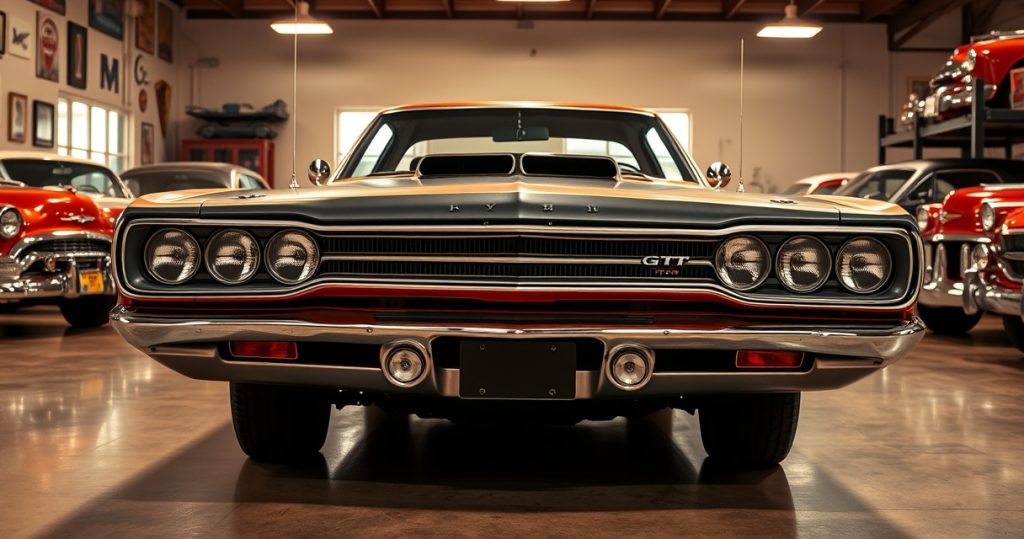
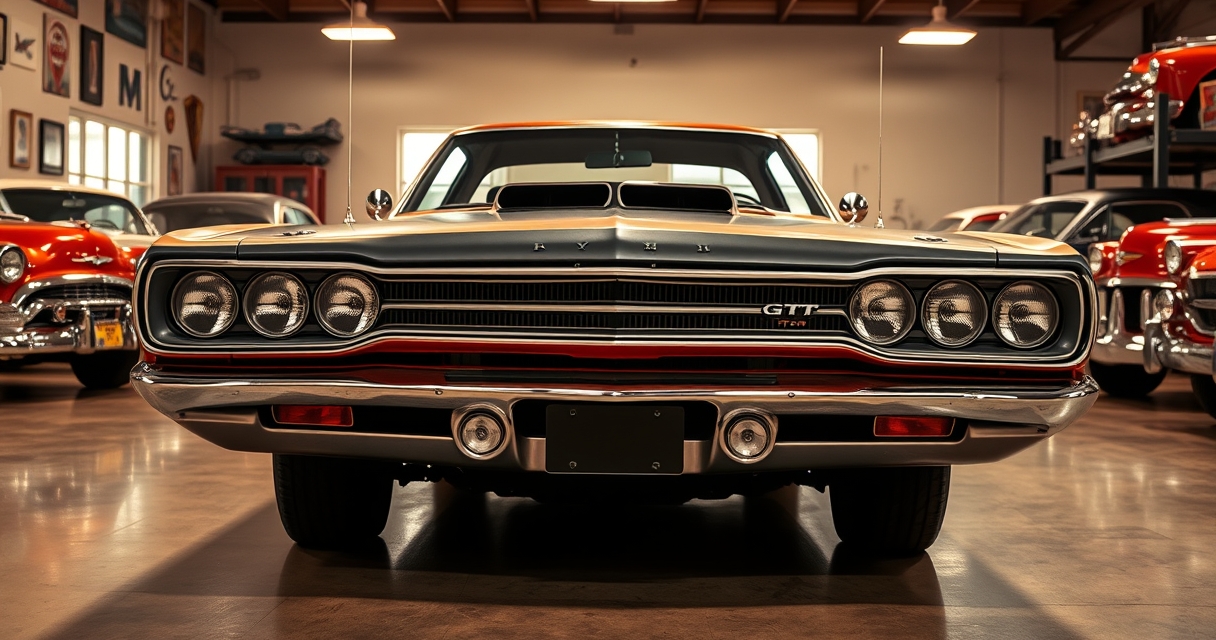
Plymouth GTX Model History and Overview
The Plymouth GTX played a significant role in muscle car history as a premier offering from Chrysler’s Plymouth division. Manufactured from 1967 through 1971, this model quickly gained recognition for its blend of power and style. Enthusiasts consulting a classic car guide often reference these production years to begin their GTX authenticity evaluations, ensuring that any examined vehicle aligns with the original manufacturing timeline.
Key variants of the Plymouth GTX included the base models equipped with the 440 cubic inch V8 engine, as well as high-performance versions featuring the 426 Hemi. Convertible editions were produced in limited numbers, adding to their desirability. Each year brought minor updates, such as revised taillights and interior options in 1968 and 1969, which are essential details for verifying GTX authenticity in restoration projects.
In terms of market positioning, the Plymouth GTX was positioned as a step above the more affordable Road Runner, targeting buyers who desired an upscale muscle car experience. It competed directly with other high-end models from Ford and Chevrolet during the late 1960s. This strategic placement within the muscle car segment underscores the importance of accurate component matching during authenticity assessments outlined in any comprehensive classic car guide.
To further establish context for authenticity verification processes, note that the Plymouth GTX incorporated specific badging, engine codes, and chassis features unique to its era. Collectors must pay close attention to these elements to distinguish genuine examples from modified or misrepresented vehicles. The evolution of the model over its five-year run, including the 1970 restyle and final 1971 production, reflects broader trends in muscle car history, where performance enhancements were balanced with luxury appointments.
By examining the production history and variants of the Plymouth GTX, one gains valuable insights that enhance GTX authenticity confirmation. Whether for personal collection or professional appraisal, this knowledge forms the foundation of reliable classic car guide resources dedicated to preserving these legendary vehicles.
VIN and Serial Number Verification
Verifying the authenticity of any Plymouth GTX begins with a meticulous Plymouth GTX VIN examination. Owners should first locate the metal VIN plate riveted to the driver-side dashboard or door jamb. Using a trusted GTX decoder, input the full serial number to perform an accurate serial number check that reveals the model year, assembly plant, and production sequence. This vehicle identification step confirms whether the car matches factory records for a genuine Plymouth GTX.
Next, inspect the engine stamps located on the block and heads. These numbers must align precisely with the engine code embedded in the Plymouth GTX VIN. Compare the stamping fonts, depth, and sequence against documented factory patterns for the corresponding year. Any mismatch suggests the engine has been replaced or the vehicle is not original.
Fender tags offer another critical layer of validation. Remove the tag carefully and examine the stamped codes for body style, engine option, and color. Cross-reference these details with the decoded VIN and any surviving build sheets. Authentic tags display specific rivet patterns and character spacing unique to Plymouth GTX production.
Finally, consult multiple GTX decoder resources and cross-check serial number check results against Chrysler archives. Consistent data across the VIN plate, engine stamps, and fender tags provides strong evidence of an authentic Plymouth GTX. Discrepancies warrant professional appraisal before purchase or restoration.
Exterior Body and Trim Identification
The Plymouth GTX stands out thanks to its signature GTX body features, including reinforced quarter panels, a unique dual-scoop hood, and precisely contoured fenders that were never shared with lesser Belvedere models. Original factory body panels carry specific stamping marks and alignment holes that replicas frequently miss, making close inspection essential for confirming authenticity.

Factory-installed chrome trim represents another critical layer of verification. Original trim parts feature heavy-gauge stainless steel with crisp edges and correct mounting hardware, unlike the thinner, pitted reproductions found on many modified examples. Door handles, side spears, and rear bumper guards all display the distinctive bright-dip anodizing process used by Plymouth in the late 1960s.
The Plymouth GTX grille serves as one of the most reliable authenticity markers. Genuine units display seven horizontal blades with a central bright divider and the correct “ GTX” emblem placement. Replicas often substitute aftermarket grilles with incorrect blade spacing or missing mounting tabs, immediately revealing non-original construction.
Badging further separates real GTX cars from clones. Correct fender scripts are die-cast with raised lettering and proper “440” or “Hemi” callouts beneath, while trunk emblems feature the correct font and attachment pins. Paint codes were equally specific; popular hues such as Tor Red (code EV2), Hemi Orange (code EK2), and Bahama Yellow (code FY1) were applied over factory primers and clear-coated only on certain high-performance builds.
Verification of these elements requires checking for matching date codes on trim pieces, correct paint overspray patterns in the engine bay, and original undercoating textures. Any deviation in panel gaps, chrome thickness, or emblem placement signals a replica or heavily modified vehicle, directly impacting both value and historical accuracy.
Engine and Drivetrain Authenticity Checks
To ensure the authenticity of a Plymouth GTX, owners and collectors must conduct detailed inspections of the engine and drivetrain components. The process begins with the Plymouth GTX engine, where enthusiasts look for original casting numbers on the block that correspond to the car’s manufacturing date. Matching numbers between the engine and the vehicle identification number are a key indicator of originality.
Hemi verification is particularly important for models equipped with the legendary Hemi engine. This involves confirming the presence of the correct cylinder heads, valve covers, and intake systems that were installed at the factory. Any deviations could suggest non-original parts have been added over the years.
Carburetors also play a critical role in these checks. Inspectors should verify that the carburetor models and their date codes align with the specifications for the Plymouth GTX engine. Incorrect carburetors can significantly impact both performance and value.
Moving to the original drivetrain, the transmission is next on the list. GTX transmission codes stamped on the casing provide essential information about the transmission type and its compatibility with the original setup. Ensuring these codes match the vehicle’s records is vital.
The rear axles must not be overlooked. Factory-correct components include checking for matching numbers on the axle housing and confirming the proper differential ratios. These elements contribute to the overall authenticity and driving characteristics of the car.
By following these steps, collectors can confidently assess whether a Plymouth GTX retains its original drivetrain integrity. This attention to detail preserves the historical significance and market value of these iconic muscle cars. Additional tools like reference books and expert consultations can further aid in the verification process. Thorough documentation of all findings, including photographs of the stamps and codes, is recommended for future reference and potential sales.
Interior Documentation and Provenance
When evaluating the authenticity of a Plymouth GTX, the interior documentation and provenance are critical factors that can make or break a vehicle’s claim to originality. Enthusiasts and collectors must pay close attention to verifying the original upholstery, which includes the distinctive materials used in Plymouth GTX seats. These seats often have unique patterns and colors that were standard for specific model years, and any restoration work should match these exactly to preserve value.

In addition to the seats, the gauges on the instrument panel require careful inspection. Original gauges feature specific fonts, bezels, and functionality that differ from aftermarket alternatives. Ensuring these components are factory-original adds significant credibility to the car’s authenticity.
Ownership records serve as a foundational element in establishing provenance. These records trace the history of the vehicle from its initial purchase through subsequent owners, highlighting any major changes or restorations. Paired with authenticity paperwork such as certificates of authenticity or dealer invoices, they provide a comprehensive view of the car’s journey.
Build sheets are particularly valuable documents in this process. They detail the exact specifications ordered for the vehicle, including interior options, colors, and accessories. By comparing the build sheet to the current state of the Plymouth GTX, owners can confirm that no unauthorized modifications have occurred.
For those undertaking a GTX interior restoration, maintaining detailed records of all work performed is essential. This includes photographs, receipts for parts, and notes on techniques used to replicate original conditions. Such documentation not only aids in future verifications but also enhances the vehicle’s appeal to potential buyers.
Ultimately, a thorough review of interior elements and their supporting documentation ensures that the Plymouth GTX remains a true representation of its era. Collectors who invest time in these checks can confidently assert the full authenticity of their prized vehicles.

Ever since I bought my first used pickup truck, I’ve been obsessed with finding the perfect blend of off-road capability and weekend comfort. I spend my free time exploring state parks and tinkering with restoration projects in my garage. My writing focuses on how vehicles can enhance your lifestyle and outdoor adventures.