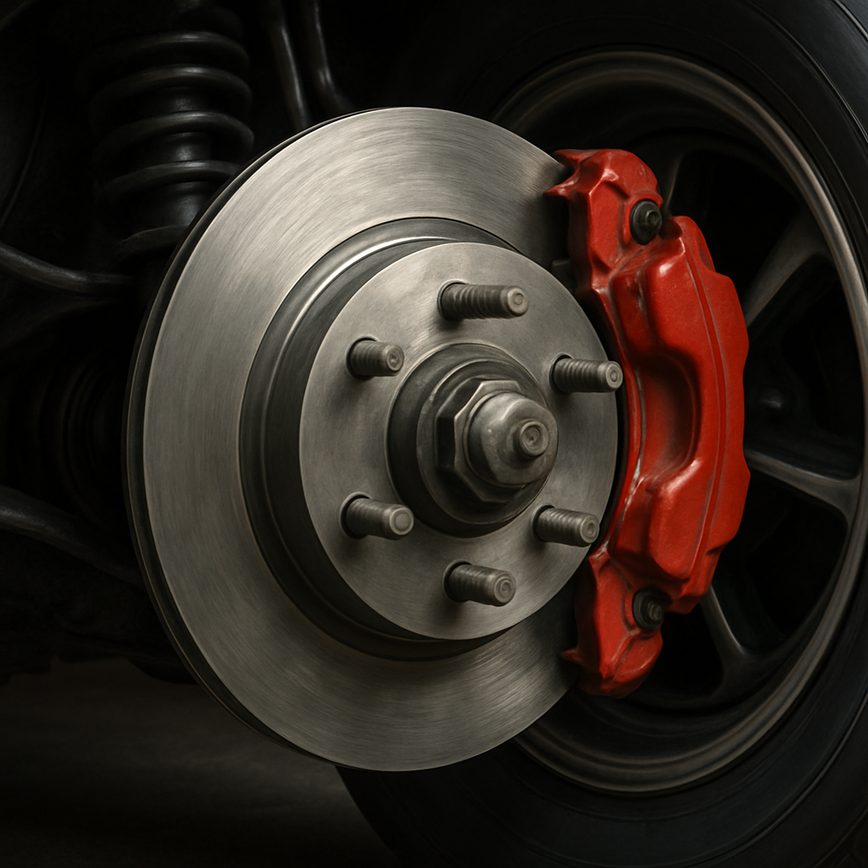
Stopping distance is another significant issue related to the Plymouth GTX braking issues. The stock brake components were not designed to handle the increased speeds and performance demands of modern driving. As a result, drivers often experience longer stopping distances than desired, especially at higher speeds or in emergency braking situations. This increased stopping distance can be a serious hazard, reducing the driver’s ability to avoid collisions effectively.
Maintenance challenges further complicate the reliability of the original braking system. The drum brakes commonly found on older GTX models require frequent adjustments and can be prone to uneven wear. Replacement parts may be harder to source, and the complexity of maintaining drum systems means that routine upkeep is more labor-intensive compared to modern disc brakes. These stock brake problems can lead to inconsistent performance and increased repair costs over time, underscoring the importance of upgrading the brake system for improved safety and efficiency.
Popular Brake Upgrade Options for Plymouth GTX
Upgrading the braking system of your Plymouth GTX is essential for enhanced safety, performance, and driving confidence. Several aftermarket brake upgrade kits are designed specifically for this classic muscle car, offering improvements in stopping power, heat dissipation, and overall reliability. Whether you are looking to convert from drum brakes to disc brakes or want to install high-performance components compatible with your GTX, there are multiple options available.
One of the most popular upgrades is the disc brake conversion kit. This upgrade replaces the original drum brakes with modern disc brakes, vastly improving stopping performance. Disc brakes offer better heat management, reducing brake fade during intense driving or heavy braking situations. Many kits are designed to fit directly onto the Plymouth GTX without requiring extensive modifications, ensuring easy installation and compatibility with existing suspension and wheel components.
For enthusiasts seeking enhanced braking power, performance brakes Plymouth GTX kits are an excellent choice. These kits often include larger rotors, multi-piston calipers, and high-friction brake pads that deliver superior bite and stopping efficiency. Such upgrades are especially beneficial if the car is used for spirited driving or occasional track events, where reliable and consistent braking response is critical.
Another option includes the all-in-one brake upgrade kits that combine rotors, calipers, pads, and hardware, tailored specifically for the GTX. These kits simplify the upgrade process by providing all necessary components in one package, ensuring optimal compatibility. Additionally, some kits feature vented or slotted rotors, which further improve cooling and performance under high-stress conditions.
When choosing any brake upgrade kit, it’s essential to consider your driving needs and the level of performance you want to achieve. Most aftermarket suppliers ensure that their products meet or exceed OEM specifications while enhancing the braking capabilities of the Plymouth GTX. By upgrading to a modern disc brake system or a specialized performance brake setup, you can enjoy safer drives with confidence that your car can handle demanding braking scenarios with ease.
Disc Brake Conversion Kits
Disc brake upgrade kits are a popular choice for Plymouth GTX conversion projects, offering superior stopping power compared to traditional drum brakes. These kits typically include everything needed for a complete brake kit installation: front disc brake rotors, calipers, brake pads, mounting brackets, and sometimes even a proportioning valve to balance brake pressure between front and rear. Brands like Wilwood, Power Stop, and Baer are well-regarded for providing high-quality, reliable components that fit the Plymouth GTX chassis with minimal modifications.
When planning your brake kit installation, it’s important to ensure compatibility with your GTX’s wheel size and suspension setup. Most kits come with detailed instructions, but having basic mechanical skills and tools is essential for a smooth installation. Key tips include checking rotor clearance, securely mounting calipers to avoid vibration, and bleeding the brake system thoroughly to remove air bubbles. Upgrading to stainless steel brake lines can also improve brake pedal feel and durability.
The performance benefits of disc brakes are clear: they provide consistent braking power even under heavy use, better heat dissipation to prevent fade, and improved overall stopping distances. This upgrade enhances both safety and driving confidence, making it an excellent investment for Plymouth GTX owners looking to modernize their braking system while maintaining the classic muscle car feel.
High-Performance Brake Pads and Rotors
Upgrading to performance brake pads and upgraded rotors offers significant advantages for your Plymouth GTX, especially for drivers seeking improved stopping power and a more responsive braking experience. High-performance brake pads are engineered with advanced friction materials that provide better bite under heavy braking conditions while reducing fade during extended use. This ensures that your brakes remain consistent and reliable, whether you are navigating city traffic or taking on spirited backroad drives.
Paired with upgraded rotors, which often feature enhanced cooling designs like slots or drilled holes, the braking system can dissipate heat more effectively. This not only prolongs the life of the rotors but also maintains braking performance through demanding driving sessions by minimizing the risk of brake fade. Brands like EBC, Hawk Performance, and Wilwood are popular choices known for their durability and compatibility with classic muscle cars such as the Plymouth GTX.
In everyday driving, you can expect a noticeable improvement in brake pedal feel and shorter stopping distances. The enhanced friction and rotor design offer confidence-inspiring braking power without excessive noise or dust, common complaints with some aftermarket components. Overall, investing in high-performance brake pads and upgraded rotors is a practical way to enhance driving safety and enjoyment while preserving the muscle car’s iconic character.
Brake Line and Master Cylinder Enhancements
Upgrading the brake fluid delivery components is essential for maximizing the overall efficiency and responsiveness of your Plymouth GTX’s brake system. One of the most effective modifications you can make is replacing the standard rubber brake lines with stainless steel braided brake lines. These braided lines provide superior resistance to expansion under pressure, ensuring a firm and consistent brake pedal feel. This enhancement is crucial when paired with high-performance brake hardware, as it minimizes the flex in the lines that often leads to a spongy brake pedal.
Complementing the braided brake lines with a master cylinder upgrade further boosts braking performance. A larger or multi-reservoir master cylinder increases the volume and pressure of brake fluid sent to the calipers, allowing for more precise control and quicker brake response. Upgraded master cylinders are designed to handle the increased demands of performance braking systems, maintaining optimal pressure even under heavy braking scenarios. This upgrade is especially beneficial if you have enhanced calipers or larger rotors installed, as it ensures the brake fluid delivery can keep up.
Together, stainless steel braided lines and a master cylinder upgrade form a critical foundation for brake system efficiency. They reduce the potential for brake fade and improve pedal feel, giving you confidence whether you’re on the street or the track. Investing in these fluid delivery enhancements ensures your Plymouth GTX’s braking system is fully optimized to complement its powerful hardware upgrades.
Installation and Maintenance Tips for Brake Upgrades
Upgrading the brakes on your Plymouth GTX can significantly enhance safety and performance. Proper brake upgrade installation and regular maintenance are essential to ensure the system functions optimally. Follow these step-by-step guidelines and best practices to get the most out of your brake upgrades and maintain your Plymouth GTX brake care effectively.
- Prepare Your Workspace and Tools: Start by clearing a clean, well-lit workspace. Gather all necessary tools such as a jack, lug wrench, brake cleaner, wrenches, and the new brake components. Always wear safety gear to protect yourself during installation.
- Lift and Secure the Vehicle: Use a jack to lift the Plymouth GTX and securely place it on jack stands. Never work under a vehicle supported only by a jack to avoid accidents during brake upgrade installation.
- Remove the Old Brake Components: Carefully remove the wheels using a lug wrench. Next, dismantle the existing brake components like calipers, rotors, and pads. Keep track of all bolts and hardware for reassembly.
- Clean and Inspect: Thoroughly clean the brake mounting surfaces and inspect the hubs, rotors, and calipers for any signs of damage. Proper cleaning and inspection are critical steps in ensuring seamless brake upgrade installation.
- Install New Brake Components: Follow manufacturer instructions to install new rotors, brake pads, and calipers. Pay attention to torque specifications for bolts to avoid over-tightening or under-tightening, which can affect brake performance.
- Bleed the Brake Lines: Bleeding removes air bubbles from the brake lines, maintaining hydraulic pressure and ensuring responsive braking. This step is essential for maintaining Plymouth GTX brake care after installation.
- Reassemble Wheels and Lower Vehicle: Reinstall the wheels and lower the vehicle safely back to the ground. Tighten the lug nuts in a star pattern to achieve even pressure distribution and prevent wheel warping.
- Test the Brakes: Before driving normally, test your brake system in a safe, controlled environment. Check for consistent brake pedal pressure and responsiveness, ensuring the brake upgrade installation is successful and the system is operating at peak performance.
- Regular Maintenance Tips: For ongoing Plymouth GTX brake care, regularly inspect brake pads and rotors for wear, check brake fluid levels, and keep components clean of dust and debris. Timely replacement of worn parts and periodic brake system checks will maximize the lifespan and efficiency of your upgrades.
DIY Installation Considerations
When undertaking a DIY brake upgrade on your Plymouth GTX, having the right tools and adhering to strict safety precautions is essential. A comprehensive brake installation guide will typically recommend tools such as a quality floor jack, jack stands, socket set, torque wrench, brake cleaner, and a C-clamp or brake caliper tool for piston retraction. Ensuring these tools are on hand before beginning your project can save time and reduce frustration.
Safety should be your top priority during any brake installation. Always work on a level surface and securely lift the vehicle using jack stands—never rely solely on a hydraulic jack. Wear protective gloves and eye protection to guard against brake dust and debris. It’s also important to avoid inhaling brake dust as it can be harmful. Before starting, read through the brake installation guide thoroughly to understand each step and prepare accordingly.
Common pitfalls during a DIY brake upgrade include not properly cleaning brake components, which can lead to premature wear or noise. Failing to properly bleed the brake system to remove air bubbles can result in a spongy brake pedal and decreased braking performance. Additionally, over-tightening bolts or incorrect torque settings can damage parts or compromise safety. Taking time to correctly follow torque specifications and bleeding procedures is critical.
By equipping yourself with the correct tools, following safety guidelines, and carefully adhering to the brake installation guide, you can confidently perform a DIY brake upgrade that enhances the performance and safety of your Plymouth GTX.
Routine Brake System Maintenance
Proper brake maintenance is essential to ensure the longevity and optimal performance of your upgraded brake system. One of the fundamental tasks is regular brake fluid replacement. Over time, brake fluid absorbs moisture, which can reduce its effectiveness and cause corrosion within the brake lines. It is recommended to replace the brake fluid every 1 to 2 years or as specified by your vehicle’s manufacturer.
Another critical maintenance task is the inspection of brake pads and rotors. Worn brake pads should be replaced promptly to prevent damage to the rotors, which can be costly to repair or replace. During inspections, check for uneven wear, cracks, or scoring on the rotors, and ensure that the pads have sufficient thickness. Keeping these components in good condition helps maintain braking efficiency and safety.
To prolong the life of your upgraded brake system, it’s important to follow a thorough inspection checklist that includes checking brake lines for leaks, testing brake pedal feel for any abnormalities, and cleaning brake components to prevent buildup of debris. Additionally, driving habits such as avoiding sudden stops and excessive braking can reduce wear and tear. Routine maintenance and mindful driving are key to maximizing the benefits of your brake upgrades and ensuring reliable braking performance for years to come.
Overview of Brake Systems on Plymouth GTX
The Plymouth GTX, a classic American muscle car, originally came equipped with a brake system typical of its era, which played a crucial role in its performance and driving experience. Understanding the original Plymouth GTX brakes setup provides insight into how they balanced power and safety, especially under the demanding conditions muscle cars are often subjected to.
Early Plymouth GTX models were equipped primarily with drum brakes on all four wheels. Drum brakes, which use a set of shoes that press outward against a spinning drum to create friction and slow the vehicle, were common at the time due to their cost-effectiveness and reliable performance in everyday driving situations. However, drum brakes have limitations in heat dissipation, which could lead to brake fade during intense or prolonged braking scenarios, such as spirited driving or heavy braking on downhill stretches.
Recognizing the performance demands placed on muscle cars, later Plymouth GTX models saw the introduction of front disc brakes, while retaining drum brakes at the rear. Disc brakes use a rotor and caliper system, which offers superior stopping power and improved heat dissipation compared to drum brakes. This upgrade was especially important for Plymouth GTX brakes because the car’s powerful engine and high speeds required a more effective method to safely reduce speed and stop quickly.
The disc brakes significantly enhanced the overall braking performance by providing consistent stopping power and reducing the risk of brake fade, especially during aggressive driving. Rear drum brakes, while less effective than discs in high-performance situations, remained a practical choice for cost and maintenance considerations. This combination of disc front and drum rear brakes became a common setup in many muscle cars, including the Plymouth GTX, striking a balance between performance needs and manufacturing costs.
In summary, the brake system overview of the Plymouth GTX reflects the transitional period in automotive braking technology during its production years. The original drum brakes offered dependable performance for typical driving, while the later addition of front disc brakes addressed the enhanced stopping needs that came with the car’s impressive power. For enthusiasts and restorers, understanding this setup is essential when evaluating or upgrading classic car brakes to maintain authenticity and improve safety.
Original Equipment Brakes Specifications
The Plymouth GTX came equipped from the factory with OEM brakes designed to provide reliable stopping power for a muscle car of its era. Most models featured Plymouth GTX drum brakes on the rear wheels, paired with front disc brakes to handle the vehicle’s significant horsepower and weight. The front discs typically measured around 11 to 11.25 inches in diameter, with vented rotors and cast iron construction, designed for effective heat dissipation under heavy braking.
The rear Plymouth GTX drum brakes were usually 10 inches in diameter, made with cast iron drums combined with asbestos-free lining materials for better durability and safety compared to earlier generations. These stock brake specs ensured adequate braking force distribution between the front and rear, balancing stopping power with manageable pedal effort. The OEM brake pads and shoes were formulated primarily for everyday driving conditions, offering a moderate lifespan under normal use.
Common wear issues with the factory-installed components include glazing of the front brake pads, often caused by aggressive braking or lack of proper bedding-in after replacement. The Plymouth GTX drum brakes in the rear were prone to developing uneven wear patterns, sometimes resulting in reduced braking efficiency or brake pull. Additionally, the drums could warp over time due to heat cycles, requiring resurfacing or replacement. Understanding these stock brake specs helps enthusiasts identify which components may need upgrading or maintenance to restore optimal braking performance.
Limitations of Stock Braking Performance
The original braking system on the Plymouth GTX, while adequate for its era, exhibits several notable limitations that impact overall driving safety and performance. One of the primary concerns with the stock brakes is brake fade. Under heavy or extended braking conditions, such as during spirited driving or downhill descents, the brakes tend to overheat, leading to reduced friction and diminished stopping power. This brake fade compromises control and increases risk during critical moments.
Stopping distance is another significant issue related to the Plymouth GTX braking issues. The stock brake components were not designed to handle the increased speeds and performance demands of modern driving. As a result, drivers often experience longer stopping distances than desired, especially at higher speeds or in emergency braking situations. This increased stopping distance can be a serious hazard, reducing the driver’s ability to avoid collisions effectively.
Maintenance challenges further complicate the reliability of the original braking system. The drum brakes commonly found on older GTX models require frequent adjustments and can be prone to uneven wear. Replacement parts may be harder to source, and the complexity of maintaining drum systems means that routine upkeep is more labor-intensive compared to modern disc brakes. These stock brake problems can lead to inconsistent performance and increased repair costs over time, underscoring the importance of upgrading the brake system for improved safety and efficiency.
Popular Brake Upgrade Options for Plymouth GTX
Upgrading the braking system of your Plymouth GTX is essential for enhanced safety, performance, and driving confidence. Several aftermarket brake upgrade kits are designed specifically for this classic muscle car, offering improvements in stopping power, heat dissipation, and overall reliability. Whether you are looking to convert from drum brakes to disc brakes or want to install high-performance components compatible with your GTX, there are multiple options available.
One of the most popular upgrades is the disc brake conversion kit. This upgrade replaces the original drum brakes with modern disc brakes, vastly improving stopping performance. Disc brakes offer better heat management, reducing brake fade during intense driving or heavy braking situations. Many kits are designed to fit directly onto the Plymouth GTX without requiring extensive modifications, ensuring easy installation and compatibility with existing suspension and wheel components.
For enthusiasts seeking enhanced braking power, performance brakes Plymouth GTX kits are an excellent choice. These kits often include larger rotors, multi-piston calipers, and high-friction brake pads that deliver superior bite and stopping efficiency. Such upgrades are especially beneficial if the car is used for spirited driving or occasional track events, where reliable and consistent braking response is critical.
Another option includes the all-in-one brake upgrade kits that combine rotors, calipers, pads, and hardware, tailored specifically for the GTX. These kits simplify the upgrade process by providing all necessary components in one package, ensuring optimal compatibility. Additionally, some kits feature vented or slotted rotors, which further improve cooling and performance under high-stress conditions.
When choosing any brake upgrade kit, it’s essential to consider your driving needs and the level of performance you want to achieve. Most aftermarket suppliers ensure that their products meet or exceed OEM specifications while enhancing the braking capabilities of the Plymouth GTX. By upgrading to a modern disc brake system or a specialized performance brake setup, you can enjoy safer drives with confidence that your car can handle demanding braking scenarios with ease.
Disc Brake Conversion Kits
Disc brake upgrade kits are a popular choice for Plymouth GTX conversion projects, offering superior stopping power compared to traditional drum brakes. These kits typically include everything needed for a complete brake kit installation: front disc brake rotors, calipers, brake pads, mounting brackets, and sometimes even a proportioning valve to balance brake pressure between front and rear. Brands like Wilwood, Power Stop, and Baer are well-regarded for providing high-quality, reliable components that fit the Plymouth GTX chassis with minimal modifications.
When planning your brake kit installation, it’s important to ensure compatibility with your GTX’s wheel size and suspension setup. Most kits come with detailed instructions, but having basic mechanical skills and tools is essential for a smooth installation. Key tips include checking rotor clearance, securely mounting calipers to avoid vibration, and bleeding the brake system thoroughly to remove air bubbles. Upgrading to stainless steel brake lines can also improve brake pedal feel and durability.
The performance benefits of disc brakes are clear: they provide consistent braking power even under heavy use, better heat dissipation to prevent fade, and improved overall stopping distances. This upgrade enhances both safety and driving confidence, making it an excellent investment for Plymouth GTX owners looking to modernize their braking system while maintaining the classic muscle car feel.
High-Performance Brake Pads and Rotors
Upgrading to performance brake pads and upgraded rotors offers significant advantages for your Plymouth GTX, especially for drivers seeking improved stopping power and a more responsive braking experience. High-performance brake pads are engineered with advanced friction materials that provide better bite under heavy braking conditions while reducing fade during extended use. This ensures that your brakes remain consistent and reliable, whether you are navigating city traffic or taking on spirited backroad drives.
Paired with upgraded rotors, which often feature enhanced cooling designs like slots or drilled holes, the braking system can dissipate heat more effectively. This not only prolongs the life of the rotors but also maintains braking performance through demanding driving sessions by minimizing the risk of brake fade. Brands like EBC, Hawk Performance, and Wilwood are popular choices known for their durability and compatibility with classic muscle cars such as the Plymouth GTX.
In everyday driving, you can expect a noticeable improvement in brake pedal feel and shorter stopping distances. The enhanced friction and rotor design offer confidence-inspiring braking power without excessive noise or dust, common complaints with some aftermarket components. Overall, investing in high-performance brake pads and upgraded rotors is a practical way to enhance driving safety and enjoyment while preserving the muscle car’s iconic character.
Brake Line and Master Cylinder Enhancements
Upgrading the brake fluid delivery components is essential for maximizing the overall efficiency and responsiveness of your Plymouth GTX’s brake system. One of the most effective modifications you can make is replacing the standard rubber brake lines with stainless steel braided brake lines. These braided lines provide superior resistance to expansion under pressure, ensuring a firm and consistent brake pedal feel. This enhancement is crucial when paired with high-performance brake hardware, as it minimizes the flex in the lines that often leads to a spongy brake pedal.
Complementing the braided brake lines with a master cylinder upgrade further boosts braking performance. A larger or multi-reservoir master cylinder increases the volume and pressure of brake fluid sent to the calipers, allowing for more precise control and quicker brake response. Upgraded master cylinders are designed to handle the increased demands of performance braking systems, maintaining optimal pressure even under heavy braking scenarios. This upgrade is especially beneficial if you have enhanced calipers or larger rotors installed, as it ensures the brake fluid delivery can keep up.
Together, stainless steel braided lines and a master cylinder upgrade form a critical foundation for brake system efficiency. They reduce the potential for brake fade and improve pedal feel, giving you confidence whether you’re on the street or the track. Investing in these fluid delivery enhancements ensures your Plymouth GTX’s braking system is fully optimized to complement its powerful hardware upgrades.
Installation and Maintenance Tips for Brake Upgrades
Upgrading the brakes on your Plymouth GTX can significantly enhance safety and performance. Proper brake upgrade installation and regular maintenance are essential to ensure the system functions optimally. Follow these step-by-step guidelines and best practices to get the most out of your brake upgrades and maintain your Plymouth GTX brake care effectively.
- Prepare Your Workspace and Tools: Start by clearing a clean, well-lit workspace. Gather all necessary tools such as a jack, lug wrench, brake cleaner, wrenches, and the new brake components. Always wear safety gear to protect yourself during installation.
- Lift and Secure the Vehicle: Use a jack to lift the Plymouth GTX and securely place it on jack stands. Never work under a vehicle supported only by a jack to avoid accidents during brake upgrade installation.
- Remove the Old Brake Components: Carefully remove the wheels using a lug wrench. Next, dismantle the existing brake components like calipers, rotors, and pads. Keep track of all bolts and hardware for reassembly.
- Clean and Inspect: Thoroughly clean the brake mounting surfaces and inspect the hubs, rotors, and calipers for any signs of damage. Proper cleaning and inspection are critical steps in ensuring seamless brake upgrade installation.
- Install New Brake Components: Follow manufacturer instructions to install new rotors, brake pads, and calipers. Pay attention to torque specifications for bolts to avoid over-tightening or under-tightening, which can affect brake performance.
- Bleed the Brake Lines: Bleeding removes air bubbles from the brake lines, maintaining hydraulic pressure and ensuring responsive braking. This step is essential for maintaining Plymouth GTX brake care after installation.
- Reassemble Wheels and Lower Vehicle: Reinstall the wheels and lower the vehicle safely back to the ground. Tighten the lug nuts in a star pattern to achieve even pressure distribution and prevent wheel warping.
- Test the Brakes: Before driving normally, test your brake system in a safe, controlled environment. Check for consistent brake pedal pressure and responsiveness, ensuring the brake upgrade installation is successful and the system is operating at peak performance.
- Regular Maintenance Tips: For ongoing Plymouth GTX brake care, regularly inspect brake pads and rotors for wear, check brake fluid levels, and keep components clean of dust and debris. Timely replacement of worn parts and periodic brake system checks will maximize the lifespan and efficiency of your upgrades.
DIY Installation Considerations
When undertaking a DIY brake upgrade on your Plymouth GTX, having the right tools and adhering to strict safety precautions is essential. A comprehensive brake installation guide will typically recommend tools such as a quality floor jack, jack stands, socket set, torque wrench, brake cleaner, and a C-clamp or brake caliper tool for piston retraction. Ensuring these tools are on hand before beginning your project can save time and reduce frustration.
Safety should be your top priority during any brake installation. Always work on a level surface and securely lift the vehicle using jack stands—never rely solely on a hydraulic jack. Wear protective gloves and eye protection to guard against brake dust and debris. It’s also important to avoid inhaling brake dust as it can be harmful. Before starting, read through the brake installation guide thoroughly to understand each step and prepare accordingly.
Common pitfalls during a DIY brake upgrade include not properly cleaning brake components, which can lead to premature wear or noise. Failing to properly bleed the brake system to remove air bubbles can result in a spongy brake pedal and decreased braking performance. Additionally, over-tightening bolts or incorrect torque settings can damage parts or compromise safety. Taking time to correctly follow torque specifications and bleeding procedures is critical.
By equipping yourself with the correct tools, following safety guidelines, and carefully adhering to the brake installation guide, you can confidently perform a DIY brake upgrade that enhances the performance and safety of your Plymouth GTX.
Routine Brake System Maintenance
Proper brake maintenance is essential to ensure the longevity and optimal performance of your upgraded brake system. One of the fundamental tasks is regular brake fluid replacement. Over time, brake fluid absorbs moisture, which can reduce its effectiveness and cause corrosion within the brake lines. It is recommended to replace the brake fluid every 1 to 2 years or as specified by your vehicle’s manufacturer.
Another critical maintenance task is the inspection of brake pads and rotors. Worn brake pads should be replaced promptly to prevent damage to the rotors, which can be costly to repair or replace. During inspections, check for uneven wear, cracks, or scoring on the rotors, and ensure that the pads have sufficient thickness. Keeping these components in good condition helps maintain braking efficiency and safety.
To prolong the life of your upgraded brake system, it’s important to follow a thorough inspection checklist that includes checking brake lines for leaks, testing brake pedal feel for any abnormalities, and cleaning brake components to prevent buildup of debris. Additionally, driving habits such as avoiding sudden stops and excessive braking can reduce wear and tear. Routine maintenance and mindful driving are key to maximizing the benefits of your brake upgrades and ensuring reliable braking performance for years to come.

Ever since I bought my first used pickup truck, I’ve been obsessed with finding the perfect blend of off-road capability and weekend comfort. I spend my free time exploring state parks and tinkering with restoration projects in my garage. My writing focuses on how vehicles can enhance your lifestyle and outdoor adventures.