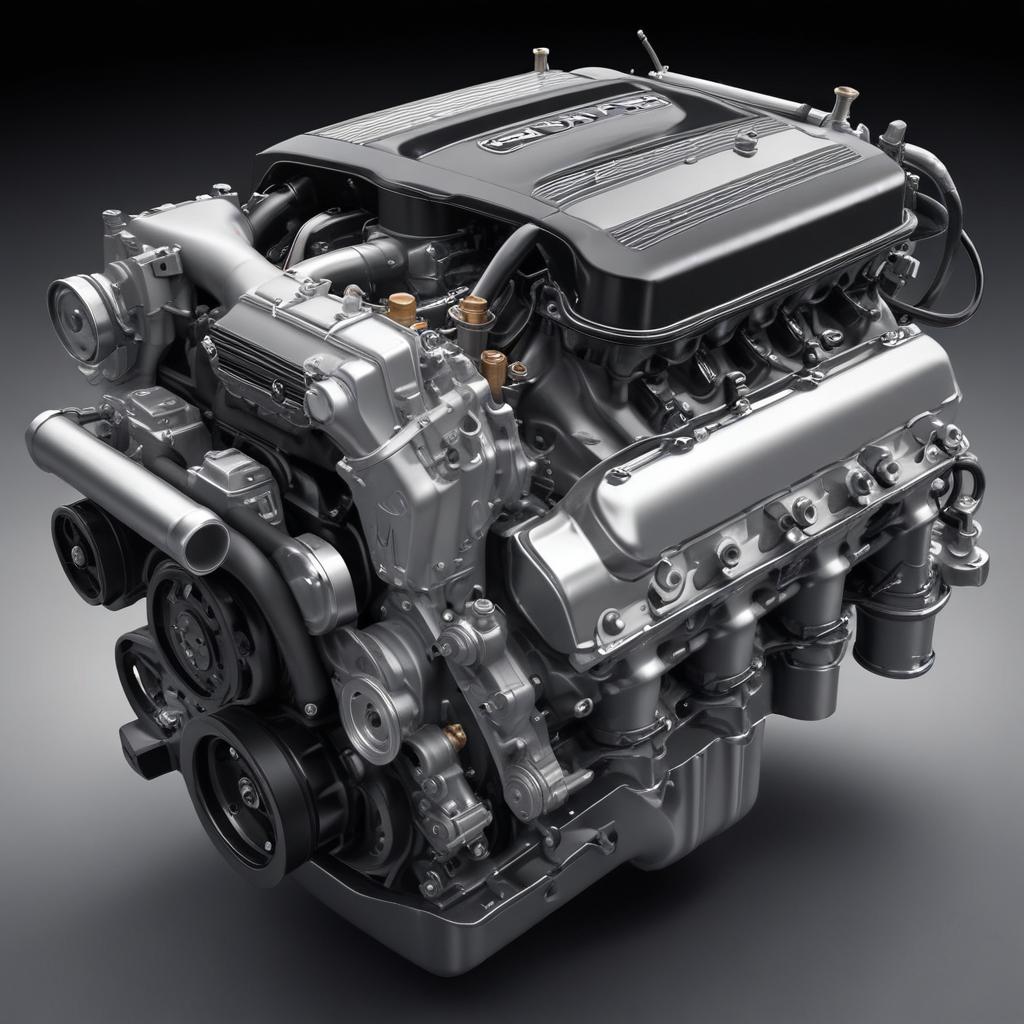
The Plymouth GTX HEMI engine quickly became a rarity due to its limited production numbers, making it a highly sought-after option among collectors and performance buffs. Its exceptional performance impact was undeniable, providing blistering acceleration and a commanding presence on the street and track. The 426 HEMI’s advanced engineering allowed it to rev higher and produce more power than many competitors’ engines at the time.
Beyond raw power, the legacy of the 426 HEMI in the Plymouth GTX is cemented by its influence on muscle car culture and automotive history. This engine helped define the GTX’s reputation as a serious performance machine, capable of dominating quarter-mile drag strips and delivering an exhilarating driving experience. Today, the 426 HEMI remains an iconic symbol of high performance V8 engineering and a cornerstone in the heritage of the Plymouth GTX.
Comparison and Impact of Engine Choices on Plymouth GTX Performance
The engine options available for the Plymouth GTX played a crucial role in shaping the muscle car’s acceleration, handling, and overall market reputation during its production years. Each engine choice brought distinct characteristics that influenced how enthusiasts and critics perceived the GTX.
Initially, the Plymouth GTX was equipped with a range of powerful V8 engines, including the renowned 440 cubic inch Magnum V8, which significantly boosted acceleration capabilities. This engine provided a robust torque curve that allowed the Plymouth GTX to deliver impressive straight-line speed, making it a dominant player in drag races and street competitions. The muscle car engine impact was most visible here: the larger displacement engines were associated with greater horsepower and this directly translated into faster acceleration times, which appealed to performance seekers.
Besides acceleration, the choice of engine also influenced the handling dynamics of the Plymouth GTX. While the heavier big-block engines like the 440 Magnum contributed to better raw power, they added substantial weight to the front end of the vehicle. This additional weight altered the balance and sometimes made the handling feel less nimble compared to models equipped with smaller engines. However, the GTX was engineered with stiff suspension setups and upgraded braking systems to mitigate these effects, aiming to preserve control without sacrificing muscle car power.
The engine comparison across different Plymouth GTX models reveals a clear trade-off between outright speed and handling finesse. Smaller engine options offered lighter front ends and better agility, which enhanced cornering capabilities but at the cost of reduced horsepower. Conversely, the big-block engines maximized straight-line performance but demanded more careful handling due to increased weight. This balance was a defining feature of the Plymouth GTX that enabled it to cater to a broader market segment.
Ultimately, the muscle car engine impact on the Plymouth GTX elevated its reputation as a powerful yet versatile muscle car. The choice of engines helped Plymouth carve out a niche where both acceleration enthusiasts and handling aficionados could find value. This versatility contributed to the GTX’s enduring legacy and strong market presence through its production span, making it a classic example of how engine choices can shape a muscle car’s character and success.
Performance Differences Among Engines
The Plymouth GTX lineup showcased significant engine performance differences that directly affected its acceleration, power, and overall driving dynamics. One of the standout engines was the 426 HEMI V8, renowned for its extraordinary horsepower rating of 425 hp and 490 lb-ft of torque. This powerhouse enabled the GTX to accelerate from 0 to 60 mph in just about 5 seconds, making it a dominant force in muscle car acceleration and a pinnacle of GTX acceleration performance.
In comparison, the 440 Super Commando V8, producing around 375 hp and 480 lb-ft of torque, offered a slightly less aggressive but still highly competitive acceleration profile. The 440 engine would reach 60 mph in roughly 5.5 to 6 seconds. Its robust torque provided strong mid-range power, which contributed to smoother and more versatile driving dynamics, especially in everyday driving and spirited backroad runs.
The base 383 V8 engine, while less powerful at 335 hp and 425 lb-ft of torque, still delivered respectable performance for the GTX. This engine’s acceleration was somewhat slower, with 0-60 mph times hovering around 6.5 seconds. Nonetheless, it contributed to more balanced vehicle dynamics by offering efficiency and manageable power, making the GTX accessible to a wider audience without sacrificing the muscle car experience.
Overall, these engine performance differences illustrate how power comparison among the GTX engines translated into varied driving experiences. The HEMI delivered blistering speed and aggressive GTX acceleration, the 440 combined strong torque with versatility, and the 383 balanced performance with practicality—all shaping the legendary muscle car’s dynamic character.
Influence on Collector and Enthusiast Markets
The engine options of the Plymouth GTX play a crucial role in shaping its collector value and appeal among muscle car enthusiasts. Variants equipped with high-performance big-block V8 engines are especially prized for their power and rarity, making them standout models within the collector market. These engine choices directly influence the desirability of the vehicle, as collectors often seek out GTXs with original, factory-installed powertrains that deliver authentic muscle car performance.
Enthusiast preferences tend to lean heavily toward the GTX models boasting more potent engine variants, such as the 440 cubic inch V8 or the legendary 426 HEMI. These engines not only enhance the car’s performance credentials but also significantly elevate its prestige and market value. The muscle car market impact of these engine options extends beyond mere performance; the rarity and historical significance of certain engines create a kind of allure that fuels demand and sustains the car’s legacy among fans and collectors alike.
Collectors and enthusiasts recognize that the engine variant often dictates the long-term appreciation of the Plymouth GTX. Models with less common or high-output engines tend to command higher prices at auctions and private sales, reflecting their desirability. Therefore, selecting the right engine during restoration or purchase can profoundly affect the car’s market position and investment potential. In summary, the diverse engine options of the Plymouth GTX significantly influence both its collector value and muscle car market impact, making engine choice a key factor in its ongoing popularity.
Overview of Plymouth GTX Engine Options
The Plymouth GTX, an iconic muscle car from the 1960s, was renowned for its powerful engine lineup that helped define the golden era of American muscle cars. Known for its blend of performance and style, the Plymouth GTX featured a range of engine options that appealed to muscle car enthusiasts looking for raw power and impressive road presence. These Plymouth GTX engines stood out in the competitive muscle car market thanks to their innovative engineering and high-performance capabilities.
During the 1960s, the Plymouth GTX was offered with several potent powertrains, which contributed significantly to its reputation as a formidable muscle car. Starting with the base options, the GTX came equipped with robust V8 engines that delivered both great torque and horsepower. Notable among these was the 440 cubic inch V8, a heavy-hitter in the muscle car world, often praised for its high-performance design and solid output. The 440 engine cemented its place in muscle car history as one of the most capable powerplants available at the time.
Another standout engine option was the legendary 426 HEMI. This powertrain became synonymous with muscle car dominance across the nation and earned a revered spot in the Plymouth GTX’s engine overview. The 426 HEMI was known for its hemispherical combustion chambers, which maximized airflow and power potential. This engine option catapulted the GTX into the upper echelons of muscle cars, making it a fierce competitor on both the street and racetrack.
These engine options reflect the era’s engineering focus on delivering high displacement and peak horsepower to muscle car aficionados. The significance of these engines extends beyond mere numbers; they were a testament to Plymouth’s commitment to performance and helped the GTX earn a lasting place in automotive history. Each engine variant contributed to the muscle car’s formidable personality and driving experience during the explosive muscle car era of the 1960s.
In summary, the Plymouth GTX engines offered a powerful glimpse into the muscle car technology of the 1960s. From the legendary 440 V8 to the awe-inspiring 426 HEMI, these powertrains were pivotal in establishing the GTX as a muscle car icon. This era of high-performance engines remains celebrated among car enthusiasts and collectors, marking the Plymouth GTX as a symbol of muscle car heritage and engineering excellence.
Standard Engines Available
The standard Plymouth GTX engine lineup was designed to deliver impressive performance while maintaining reliability. Plymouth offered a range of base engine options that catered to both casual drivers and muscle car enthusiasts. At the heart of the GTX was the powerful 440 cubic inch V8, a factory standard engine choice that produced a robust 375 horsepower, embodying the muscle car spirit with its high torque and aggressive power delivery. For those seeking more balanced performance, the 383 cubic inch V8 was also available. This engine provided solid horsepower in the range of 300, offering a smooth yet spirited driving experience suitable for everyday use without compromising on power.
The standard Plymouth GTX engine choices were engineered to ensure a blend of speed and durability. These factory standard engines featured advanced combustion technology and reinforced components to tolerate high performance usage, which enhanced the car’s overall driving dynamics. The 440 V8’s performance characteristics included rapid acceleration and strong mid-range torque, making it ideal for drag racing and spirited street driving. Meanwhile, the 383 V8 stood out as an excellent option for drivers who desired a balance between power and fuel efficiency.
Overall, the base engine options of the Plymouth GTX were designed to appeal to a wide range of drivers, from muscle car purists to those looking for an everyday performance vehicle. The factory standard engines ensured that every GTX could deliver thrilling power on the road while maintaining the reliability that Plymouth was known for.
Optional High-Performance Engines
The Plymouth GTX stood out in the muscle car market with a selection of optional high-performance engines that truly captured the spirit of American muscle. Among these were powerful V8 engines, designed to deliver exhilarating muscle car performance through impressive horsepower and torque figures. Enthusiasts were particularly drawn to engines like the 440 cubic inch Magnum V8, which generated up to 375 horsepower, combining raw power with reliable mechanics. For those seeking even greater performance, the legendary 426 HEMI V8 was available, boasting an astonishing 425 horsepower and unmatched torque, offering a thrill unlike any other muscle car engine of its time.
These optional V8 engines featured advanced technical specifications that included heavy-duty components and high-performance carburetors, enhancing throttle response and acceleration. The 440 Magnum utilized a four-barrel carburetor, solid lifters, and a high-rise intake manifold to boost airflow and combustion efficiency. In comparison, the 426 HEMI was engineered with hemispherical combustion chambers that allowed for better air and fuel mixture, resulting in superior power delivery.
The allure of these engines was not just in their brute strength but also in the engineering prowess that made the Plymouth GTX a standout muscle car. Optional high-performance engines offered buyers the chance to tailor their car to their desired level of muscle car performance, satisfying both casual drivers and serious enthusiasts. This range of powerful V8 options helped cement the GTX’s legacy as a muscle car icon that balanced street credibility and track readiness.
Detailed Specifications of Popular GTX Engines
The Plymouth GTX is renowned for its powerful engine options that appealed to muscle car enthusiasts during its production years. Diving into the engine specifications reveals why the GTX stood out in terms of raw power and engineering excellence. Among the most popular Plymouth GTX V8 specs are the displacement, horsepower, torque, and distinctive features that set each engine variant apart.
One of the most celebrated engines in the Plymouth GTX lineup is the 440 cubic inch V8, famously known as the 440 Super Commando. This engine delivered a solid 375 horsepower and an impressive 480 lb-ft of torque, making it a true powerhouse on the road. The 440 V8 was designed with durability and performance in mind, featuring a four-barrel carburetor and a high-performance camshaft. These specifications ensured excellent throttle response and strong acceleration, hallmarks of the GTX’s engine performance data.
Another notable engine specification for the Plymouth GTX is the 426 HEMI, arguably one of the most legendary muscle car engines ever made. With a massive 426 cubic inch displacement, this V8 delivered an astonishing 425 horsepower along with 490 lb-ft of torque. The 426 HEMI’s hemispherical combustion chamber design enhanced airflow efficiency, leading to superior engine performance data compared to traditional V8 engines. Its unique engineering also contributed to its dominance in both street and racing applications, making it a prized feature in the GTX’s engine lineup.
For those looking at a slightly smaller yet still robust option, the 383 cubic inch V8 was a popular choice. Putting out around 335 horsepower and 425 lb-ft of torque, this engine combined respectable power with a lighter weight, providing a balanced performance profile. The 383 engine featured a dual exhaust system and a four-barrel carburetor, delivering a satisfying blend of power and reliability, which contributed to its solid place among the Plymouth GTX V8 specs.
Each engine configuration in the Plymouth GTX lineup came with unique features that catered to different driver preferences, from street cruising to drag racing. The combination of displacement, horsepower, and torque in these V8 engines offered enthusiasts a range of options to match their desired performance levels. Whether it was the brute strength of the 426 HEMI or the versatile 440 Super Commando, the engine specifications ensured the GTX was a formidable presence on the muscle car scene.
440 Cubic Inch V8 Engine
The 440 V8 engine was one of the most powerful and revered options available for the Plymouth GTX, a muscle car that demanded high performance and aggressive engineering. Known for its large displacement of 440 cubic inches, this engine delivered impressive horsepower and torque figures that made it a favorite among muscle car enthusiasts and buyers. The Plymouth GTX 440 specs highlight a robust powerplant capable of producing around 375 to 390 horsepower, depending on the configuration, with a stout torque output that provided exceptional acceleration and speed.
Technically, the 440 V8 engine featured a heavy-duty cast iron block and heads, a four-barrel carburetor, and a high-flow exhaust system that optimized air intake and fuel combustion. This setup was designed not only to maximize power but also to maintain reliability under the strenuous demands of muscle car performance. The 440 engine’s large displacement allowed for greater combustion capacity, which translated directly into the raw muscular power that defined the Plymouth GTX’s on-road presence.
Buyers favored the muscle car 440 engine not only for its impressive performance metrics but also for its reputation as a durable and powerful engine that could dominate drag strips and highways alike. This engine option gave the Plymouth GTX an edge in the muscle car wars of the late 1960s, contributing to its legacy as a vehicle that combined style, power, and drivability into one thrilling package.
426 HEMI V8 Engine
The 426 HEMI engine option is one of the most legendary powerplants ever offered in the Plymouth GTX lineup. Known for its distinctive hemispherical combustion chambers, the 426 HEMI is a high performance V8 that delivered unparalleled power and torque for muscle car enthusiasts. This engine was officially rated at 425 horsepower, but its true output was often considered higher due to its efficient design and robust construction.
The Plymouth GTX HEMI engine quickly became a rarity due to its limited production numbers, making it a highly sought-after option among collectors and performance buffs. Its exceptional performance impact was undeniable, providing blistering acceleration and a commanding presence on the street and track. The 426 HEMI’s advanced engineering allowed it to rev higher and produce more power than many competitors’ engines at the time.
Beyond raw power, the legacy of the 426 HEMI in the Plymouth GTX is cemented by its influence on muscle car culture and automotive history. This engine helped define the GTX’s reputation as a serious performance machine, capable of dominating quarter-mile drag strips and delivering an exhilarating driving experience. Today, the 426 HEMI remains an iconic symbol of high performance V8 engineering and a cornerstone in the heritage of the Plymouth GTX.
Comparison and Impact of Engine Choices on Plymouth GTX Performance
The engine options available for the Plymouth GTX played a crucial role in shaping the muscle car’s acceleration, handling, and overall market reputation during its production years. Each engine choice brought distinct characteristics that influenced how enthusiasts and critics perceived the GTX.
Initially, the Plymouth GTX was equipped with a range of powerful V8 engines, including the renowned 440 cubic inch Magnum V8, which significantly boosted acceleration capabilities. This engine provided a robust torque curve that allowed the Plymouth GTX to deliver impressive straight-line speed, making it a dominant player in drag races and street competitions. The muscle car engine impact was most visible here: the larger displacement engines were associated with greater horsepower and this directly translated into faster acceleration times, which appealed to performance seekers.
Besides acceleration, the choice of engine also influenced the handling dynamics of the Plymouth GTX. While the heavier big-block engines like the 440 Magnum contributed to better raw power, they added substantial weight to the front end of the vehicle. This additional weight altered the balance and sometimes made the handling feel less nimble compared to models equipped with smaller engines. However, the GTX was engineered with stiff suspension setups and upgraded braking systems to mitigate these effects, aiming to preserve control without sacrificing muscle car power.
The engine comparison across different Plymouth GTX models reveals a clear trade-off between outright speed and handling finesse. Smaller engine options offered lighter front ends and better agility, which enhanced cornering capabilities but at the cost of reduced horsepower. Conversely, the big-block engines maximized straight-line performance but demanded more careful handling due to increased weight. This balance was a defining feature of the Plymouth GTX that enabled it to cater to a broader market segment.
Ultimately, the muscle car engine impact on the Plymouth GTX elevated its reputation as a powerful yet versatile muscle car. The choice of engines helped Plymouth carve out a niche where both acceleration enthusiasts and handling aficionados could find value. This versatility contributed to the GTX’s enduring legacy and strong market presence through its production span, making it a classic example of how engine choices can shape a muscle car’s character and success.
Performance Differences Among Engines
The Plymouth GTX lineup showcased significant engine performance differences that directly affected its acceleration, power, and overall driving dynamics. One of the standout engines was the 426 HEMI V8, renowned for its extraordinary horsepower rating of 425 hp and 490 lb-ft of torque. This powerhouse enabled the GTX to accelerate from 0 to 60 mph in just about 5 seconds, making it a dominant force in muscle car acceleration and a pinnacle of GTX acceleration performance.
In comparison, the 440 Super Commando V8, producing around 375 hp and 480 lb-ft of torque, offered a slightly less aggressive but still highly competitive acceleration profile. The 440 engine would reach 60 mph in roughly 5.5 to 6 seconds. Its robust torque provided strong mid-range power, which contributed to smoother and more versatile driving dynamics, especially in everyday driving and spirited backroad runs.
The base 383 V8 engine, while less powerful at 335 hp and 425 lb-ft of torque, still delivered respectable performance for the GTX. This engine’s acceleration was somewhat slower, with 0-60 mph times hovering around 6.5 seconds. Nonetheless, it contributed to more balanced vehicle dynamics by offering efficiency and manageable power, making the GTX accessible to a wider audience without sacrificing the muscle car experience.
Overall, these engine performance differences illustrate how power comparison among the GTX engines translated into varied driving experiences. The HEMI delivered blistering speed and aggressive GTX acceleration, the 440 combined strong torque with versatility, and the 383 balanced performance with practicality—all shaping the legendary muscle car’s dynamic character.
Influence on Collector and Enthusiast Markets
The engine options of the Plymouth GTX play a crucial role in shaping its collector value and appeal among muscle car enthusiasts. Variants equipped with high-performance big-block V8 engines are especially prized for their power and rarity, making them standout models within the collector market. These engine choices directly influence the desirability of the vehicle, as collectors often seek out GTXs with original, factory-installed powertrains that deliver authentic muscle car performance.
Enthusiast preferences tend to lean heavily toward the GTX models boasting more potent engine variants, such as the 440 cubic inch V8 or the legendary 426 HEMI. These engines not only enhance the car’s performance credentials but also significantly elevate its prestige and market value. The muscle car market impact of these engine options extends beyond mere performance; the rarity and historical significance of certain engines create a kind of allure that fuels demand and sustains the car’s legacy among fans and collectors alike.
Collectors and enthusiasts recognize that the engine variant often dictates the long-term appreciation of the Plymouth GTX. Models with less common or high-output engines tend to command higher prices at auctions and private sales, reflecting their desirability. Therefore, selecting the right engine during restoration or purchase can profoundly affect the car’s market position and investment potential. In summary, the diverse engine options of the Plymouth GTX significantly influence both its collector value and muscle car market impact, making engine choice a key factor in its ongoing popularity.

Ever since I bought my first used pickup truck, I’ve been obsessed with finding the perfect blend of off-road capability and weekend comfort. I spend my free time exploring state parks and tinkering with restoration projects in my garage. My writing focuses on how vehicles can enhance your lifestyle and outdoor adventures.