

The open road calls for more than just a well-tuned engine and a full tank of gas, it demands the perfect soundtrack to match the rhythm of your journey. For enthusiasts who treat their vehicles as extensions of their personality, the right playlist isn’t just background noise; it’s an integral part of the experience. Whether you’re cruising down a coastal highway in a muscle car or winding through mountain passes in a classic sedan, the right tracks from the golden age of rock can transform a simple drive into a full sensory adventure. The key lies in selecting songs that sync with the mechanics of the road, whether it’s the steady pulse of a cruising anthem or the explosive energy of a track that mirrors the thrill of overtaking. For those who value both performance and atmosphere, the choice of music can elevate a solo trip from routine to ritual, making every mile feel intentional and alive.
The Role of Tempo in Matching Your Vehicle’s Performance
The tempo of a song doesn’t just set the mood; it can subtly influence how you engage with your car’s capabilities. A track like Led Zeppelin’s Whole Lotta Love, with its driving rhythm at around 140 BPM, isn’t just for headbanging, it’s designed to sync with the kind of aggressive acceleration that turns a highway into a racetrack. For drivers of high-performance vehicles like a Plymouth GTX, this kind of music can make the engine’s response feel more immediate, as if the car is physically reacting to the song’s energy. Conversely, slower classics like Hotel California by Eagles, with its laid-back 70 BPM groove, are perfect for leisurely cruising or late-night drives where the focus shifts to ambiance rather than speed. The tempo of the song can even affect your driving style, studies suggest that faster tempos encourage more aggressive acceleration, while slower tracks tend to promote smoother, more controlled maneuvers. For the road tripper who values both thrill and comfort, the tempo of the music becomes a tool to fine-tune the driving experience.
The relationship between music and vehicle dynamics extends beyond tempo to the actual physical act of driving. Songs with strong, repetitive beats, like Born to Run by Bruce Springsteen at 118 BPM, can create a hypnotic effect, making the miles feel shorter and the journey more immersive. This is particularly useful for long hauls where fatigue sets in. Meanwhile, tracks with sudden dynamic shifts, such as Bohemian Rhapsody by Queen, can mirror the excitement of navigating twisty roads or merging onto a busy highway. The key is to match the song’s energy to the moment: a steady cruiser for flat stretches, a high-energy anthem for overtaking, and a reflective ballad for moments of quiet contemplation. For the classic car owner, this synergy between music and mechanics turns every drive into a performance, where the vehicle and the playlist are equal partners in the experience.
How Lyrics Shape the Narrative of Your Journey
The lyrics in a classic rock track do more than fill the air, they weave a narrative that can mirror the emotions of the road trip itself. Songs like Life is a Highway by Tom Cochrane, with its open-road metaphor, aren’t just catchy; they’re a thematic companion for any journey. The lyrics act as a mental soundtrack, reinforcing the sense of adventure and freedom that comes with hitting the open road. For drivers who enjoy a story-driven experience, these tracks serve as a constant reminder of the journey’s purpose, whether it’s a solo escape or a shared adventure with fellow travelers. Even tracks that aren’t explicitly about driving, like Free Bird by Lynyrd Skynyrd, can evoke a sense of liberation and spontaneity, making the road feel like an extension of the music’s themes.
However, not all lyrics are created equal when it comes to the road trip experience. Some tracks, like Sweet Home Alabama, can be polarizing due to their lyrical content, which might not resonate with every listener. The best classics for the road are those that strike a balance between universality and personal connection. A song like More Than a Feeling by Boston, with its introspective yet uplifting lyrics, can become a mental anchor during moments of solitude or reflection. Meanwhile, tracks with a more communal tone, such as We Are the Champions by Queen, can energize group drives or solo trips where you want to feel part of something bigger. The right lyrics can turn a simple drive into a shared emotional experience, even if you’re the only one in the car. For the road tripper who values both music and meaning, the lyrics become an integral part of the journey’s storytelling.
The Impact of Instrumentation on Driving Focus
The instrumentation in a classic rock song plays a crucial role in how it interacts with the driving experience. Tracks with heavy guitar riffs, like Smoke on the Water by Deep Purple, create a rhythmic backdrop that can enhance the tactile feedback of the road beneath your tires. The driving basslines in songs such as Another Brick in the Wall by Pink Floyd can make the car’s suspension feel more engaged, as if the music is physically responding to the vehicle’s movement. This synergy between sound and sensation is why many drivers prefer classics with strong rhythmic elements, they make the drive feel more dynamic and alive. For those who enjoy a more immersive experience, the right instrumentation can turn a solo trip into a multisensory adventure, where every turn of the wheel is accompanied by the music’s evolving rhythm.
On Rock N Truck they cover classic road‑trip rock hits — you can watch it right here.
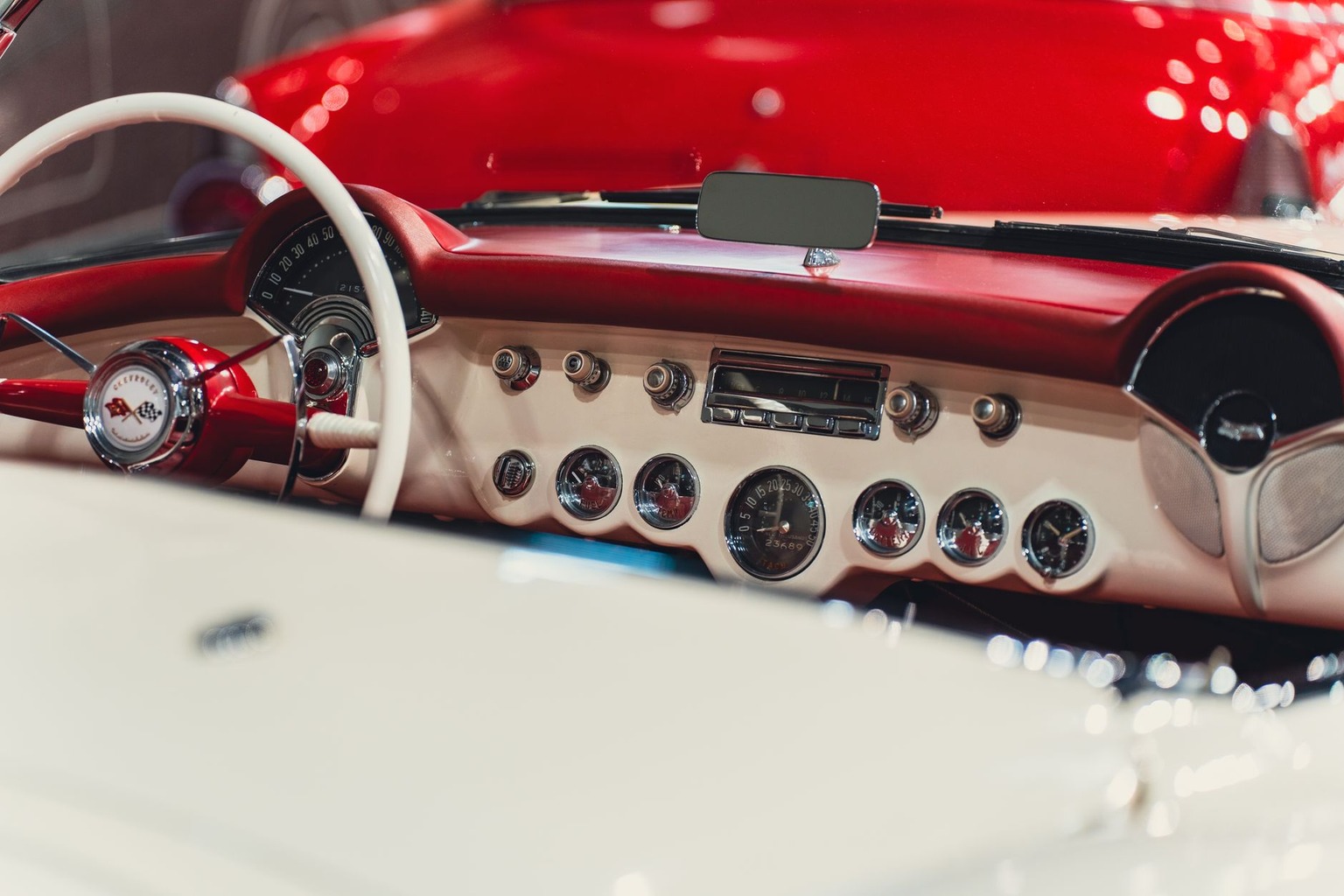
On the other hand, some classic rock songs rely more on melodic or harmonic elements, which can be ideal for moments of relaxation or deep focus. Songs like Stairway to Heaven by Led Zeppelin, with its layered guitar work and soaring vocals, create a sense of space and contemplation that pairs well with scenic drives or moments of quiet reflection. Meanwhile, tracks with minimalist instrumentation, such as Carry On Wayward Son by Kansas, can feel like a companion on long stretches of highway where you need to stay alert but also enjoy the ride. The key is to choose instrumentation that matches the mood of the moment, whether you’re pushing the limits of your vehicle’s performance or simply enjoying the journey’s scenery. For the classic car owner, the right instrumentation can make the difference between a drive and an experience.
Choosing Songs That Complement Your Vehicle’s Era
The year your car was built can subtly influence the kind of classic rock that feels most appropriate for the road trip. The iconic 1970s muscle car, such as the Plymouth GTX, was crafted to capture the spirit of its time, with its design and sound perfectly aligned with tracks like Born to Be Wild. These songs weren’t just popular during the car’s heyday; they were a cultural expression of the same spirit of freedom and power that defined the vehicles themselves. For drivers who appreciate this historical connection, playing music from the same era can create a sense of continuity, as if the car and the songs are part of the same legacy. The harmony between a vehicle and its surroundings isn’t merely about nostalgia—it’s about crafting a seamless journey where every detail, from the chosen car to the music, aligns for an immersive experience tailored for car enthusiasts.
However, there’s no hard rule that your playlist must match the year of your car. A 1980s classic like a Plymouth Turbo GT, for example, might pair surprisingly well with tracks from the ’80s themselves, such as You Shook Me All Night Long by AC/DC. The high-energy, anthemic quality of ’80s rock can complement the turbocharged performance of modern classics, creating a dynamic that feels both timeless and contemporary. The key is to consider how the music enhances the driving experience rather than just matching the car’s era. For drivers who enjoy a mix of old and new, the right blend of classic rock can turn a road trip into a journey through musical history, where each track adds a new layer to the adventure. Whether you’re revving up in a vintage muscle car or cruising in a modern classic, the right playlist can make the road feel like an extension of the music’s legacy.
When to Avoid Certain Tracks on the Road
Not all classic rock songs are created equal when it comes to the road trip experience, and some tracks can actually detract from the enjoyment of the drive. Songs with overly complex lyrics or rapid-fire vocals, like The Chain by Fleetwood Mac, can be distracting, pulling your focus away from the road and into the music itself. Similarly, tracks with sudden tempo shifts or unpredictable structures, such as Baba O’Riley by The Who, might disrupt the flow of the drive, making it harder to stay in the zone. For drivers who prioritize safety and immersion, it’s often best to avoid songs that require too much mental effort to follow, as they can reduce the effectiveness of the playlist’s intended purpose: enhancing the driving experience rather than complicating it.
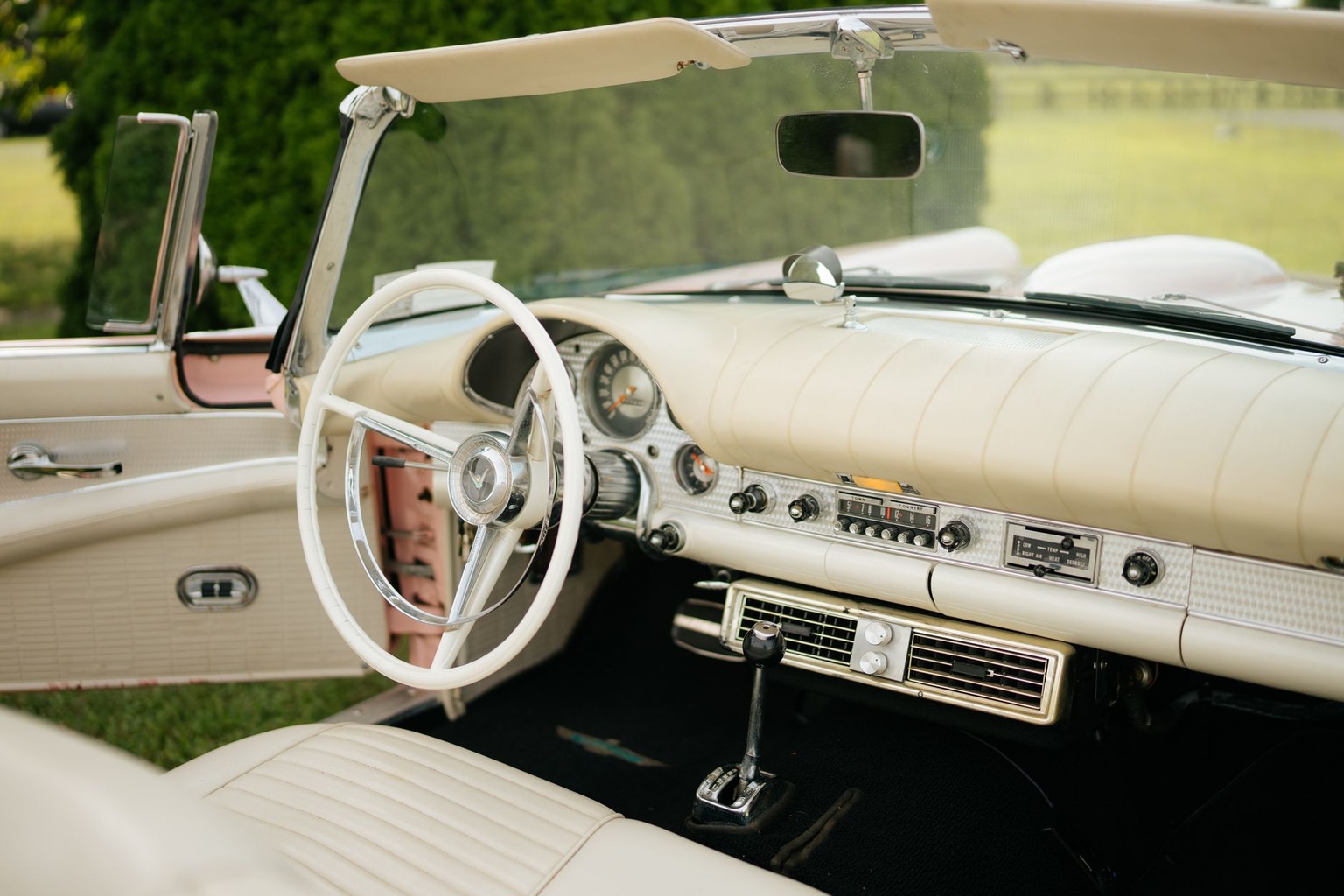
Another consideration is the emotional tone of the song. Tracks with melancholic or introspective lyrics, such as Imagine by John Lennon, can be beautiful but might not be the best choice for high-energy stretches of the road. Similarly, songs with a slow, heavy groove, like Comfortably Numb by Pink Floyd, can induce drowsiness, which is counterproductive for long drives. The best classic rock for the road is music that keeps you engaged without overwhelming you, whether it’s through its rhythm, its energy, or its ability to evoke the right mood for the moment. For drivers who want to maximize the enjoyment of their trip, it’s worth curating a playlist that balances excitement, focus, and relaxation, ensuring that every track contributes to the overall experience rather than detracting from it.
The Practicality of Playlist Length and Variety
When planning a road trip playlist, the practicality of the selection can’t be overlooked. A playlist that’s too long or too repetitive can lose its impact over time, while one that’s too varied might feel disjointed. For a typical road trip spanning several hours, a well-structured playlist with 30 to 50 tracks, mixed with a balance of high-energy anthems, reflective ballads, and steady cruisers, can keep the drive engaging without overwhelming the listener. The key is to avoid over-reliance on any single track or artist, as this can make the journey feel predictable. Instead, a diverse selection ensures that the music remains fresh and exciting, even after hours on the road. For drivers who enjoy a curated experience, this variety can turn a long drive into a musical journey, where each track feels like a new chapter in the adventure.
Additionally, the order of the playlist matters just as much as the selection itself. Starting with a high-energy track can set the tone for the trip, while saving slower, more reflective songs for the later stages can help wind down the journey. For drivers who enjoy a structured approach, this deliberate pacing can enhance the overall experience, making the road trip feel more intentional and less like a series of random moments. The right playlist isn’t just a collection of songs; it’s a carefully crafted experience that complements the drive in every way. For the classic car owner who values both performance and atmosphere, this attention to detail can make the difference between a simple trip and an unforgettable adventure.

Ever since I bought my first used pickup truck, I’ve been obsessed with finding the perfect blend of off-road capability and weekend comfort. I spend my free time exploring state parks and tinkering with restoration projects in my garage. My writing focuses on how vehicles can enhance your lifestyle and outdoor adventures.