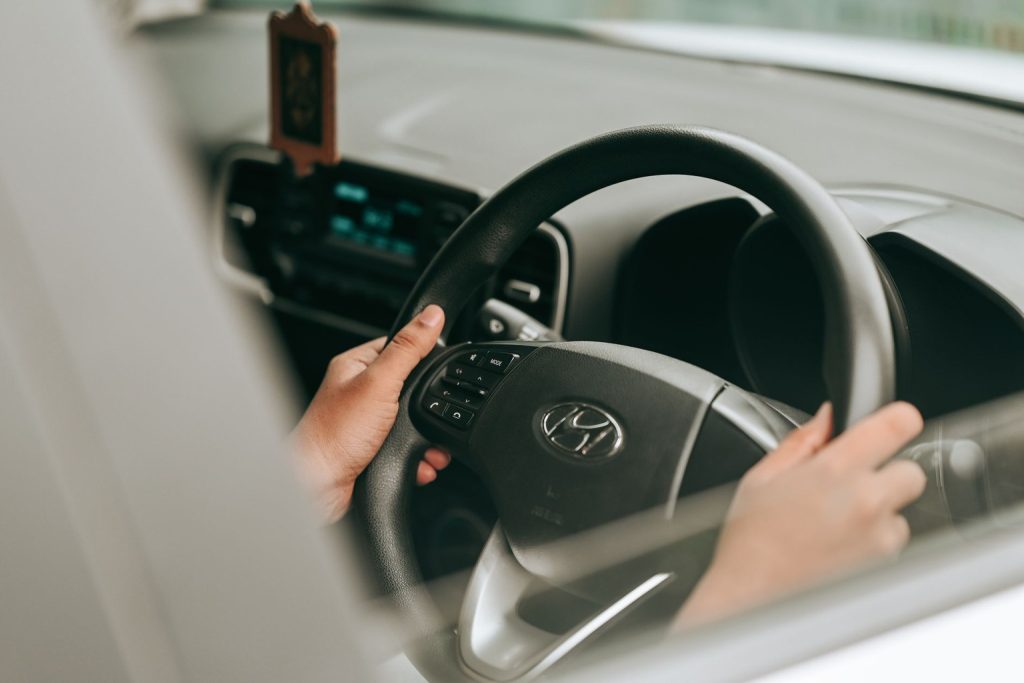
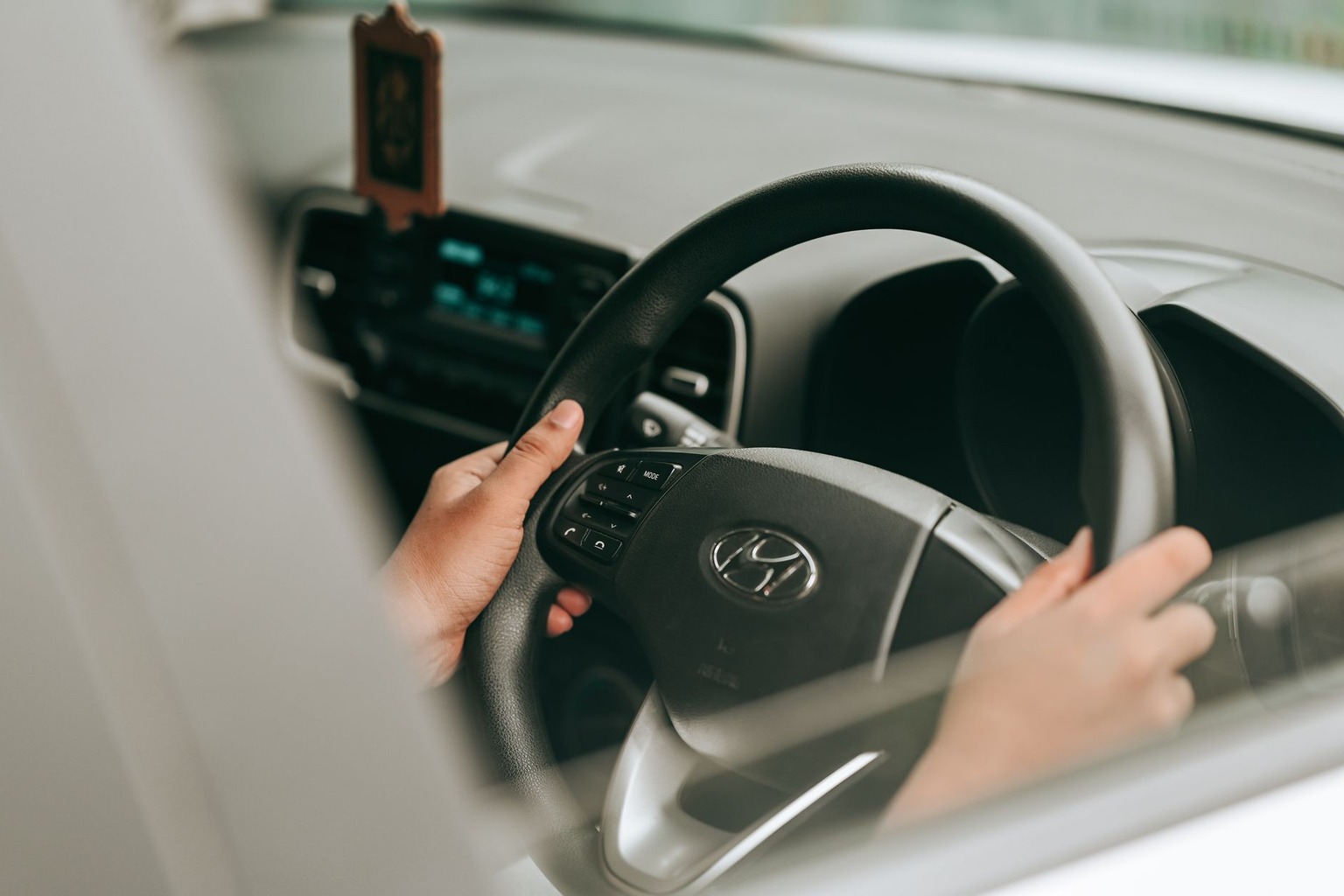
The precision of a well-tuned engine isn’t just about raw horsepower or sleek styling, it’s deeply tied to the subtler art of how a driver interacts with the vehicle. In the world of automotive enthusiasts and road trip enthusiasts alike, the difference between a mundane drive and an exhilarating one often comes down to the driver’s ability to control the vehicle through their own physical connection. That’s where motor skills come into play, shaping everything from handling a manual transmission to navigating tight corners in a sports car or even managing the delicate balance of an electric vehicle’s instant torque. What might seem like instinctual reflexes are actually refined abilities that separate casual drivers from those who truly appreciate the craft of driving.
The foundation of control: how your body translates intent into motion
At the core of every great driving experience lies the driver’s ability to translate thought into physical action with minimal hesitation. The moment you press the clutch pedal in a Manual transmission car, your foot must move with just the right amount of pressure to avoid stalling or grinding. This isn’t just about strength, it’s about sensitivity. A driver who can feel the subtle resistance of the pedal knows exactly when to lift off the throttle or when to apply more pressure to the gas. In modern vehicles, where electronic stability control and regenerative braking systems have become standard, these skills adapt but don’t disappear. The best drivers still rely on their motor skills to anticipate the vehicle’s response, even when the car is handling most of the work for them. Think of it like playing a musical instrument: the notes (or in this case, the vehicle’s movements) come from your hands, but the artistry comes from how your body interprets the sheet music.
The same principle applies to electric vehicles, where the absence of a traditional engine noise means drivers must rely even more heavily on tactile feedback. A well-calibrated motor in an EV like the MG3’s MY26 update doesn’t just deliver power, it responds to the driver’s touch. The way you modulate the throttle in an instant-torque setup can make the difference between a smooth acceleration and a jarring lurch. Even in high-performance cars, where advanced motor systems like those tested in FPGA simulations can predict and adjust to driver inputs in microseconds, the human element remains critical. The driver’s reflexes and motor control determine how quickly they can react to unexpected situations, whether it’s a sudden obstacle or a shift in road conditions. Without sharp motor skills, even the most advanced motor technology can feel like a blunt instrument.
The role of practice: refining skills in the real world
Motor skills in driving aren’t something you’re born with, they’re honed through deliberate practice. Take track days, for example, where enthusiasts push their limits on circuits designed to challenge their abilities. On a track, every movement, from how you grip the steering wheel to how you apply the brakes, becomes a precision exercise. The difference between a driver who can carry 150 mph through a corner and one who drifts off course often comes down to how smoothly they’ve integrated their motor skills with the vehicle’s dynamics. Even in everyday driving, small adjustments, like how you steer through a tight parking spot or how you adjust your grip on the wheel to reduce fatigue, show the cumulative effect of practice.
For those who enjoy road trips, motor skills become even more important. Navigating winding mountain roads or merging onto highways requires quick, coordinated movements that feel almost automatic to experienced drivers. The MG3’s MY26 updates, for instance, include refinements that make the car more responsive to driver input, but the real magic happens when the driver’s hands and feet move in perfect harmony with the vehicle’s capabilities. Without that refinement, even the most advanced motor systems can feel sluggish or unresponsive. The best drivers treat every drive as an opportunity to sharpen their skills, whether they’re tackling a twisty coastal route or simply merging onto the highway with confidence.
Technology’s double-edged sword: how automation changes the game
Modern vehicles have introduced automation in ways that both simplify and complicate driving. Features like adaptive cruise control, lane-keeping assist, and regenerative braking systems handle much of the work that once required precise motor control. Yet, these systems don’t eliminate the need for sharp reflexes, they simply shift the focus. A driver who relies too heavily on automation might find themselves struggling when they need to take over manually, especially in situations where the car’s sensors can’t anticipate the road ahead. The best drivers use technology as a tool rather than a crutch, maintaining their motor skills so they can seamlessly transition between automated assistance and manual control.
On MotoJitsu® they explain cornering techniques — you can watch it right here.
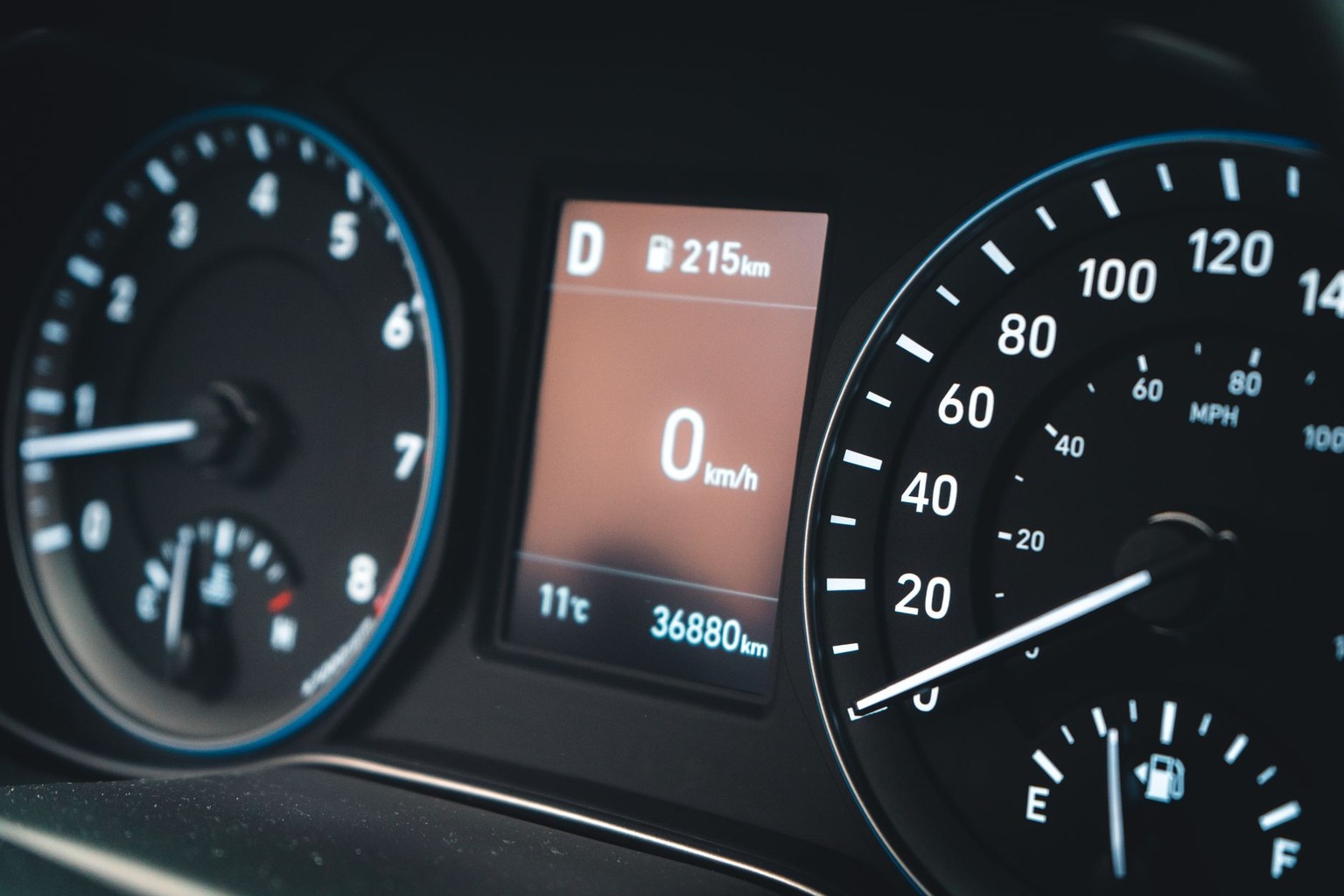
The challenge lies in balancing reliance on technology with the retention of fundamental skills. For example, a driver who rarely uses a manual transmission might find themselves fumbling with the clutch when they do need to engage it. Similarly, those who spend most of their time behind the wheel of a car with advanced motor systems, like the high-fidelity FPGA models used in testing, can lose touch with the tactile feedback that makes driving feel alive. The key is to practice enough that these skills remain sharp, even when the car is doing much of the heavy lifting. After all, the most rewarding drives often come when you’re fully engaged with the vehicle, whether that means shifting gears yourself or feeling the precise response of an electric motor under your control.
The psychology of precision: how confidence builds competence
Confidence in driving isn’t just about knowing how to operate a vehicle, it’s about trusting your body to execute the right actions at the right time. Drivers who feel confident in their motor skills are more likely to take on challenging routes, push their limits on the track, or simply enjoy the freedom of the open road. This confidence comes from repetition and mastery, where each drive reinforces the connection between intention and action. For example, a driver who can smoothly execute a perfect three-point turn in a tight space or smoothly merge onto a highway without hesitation has built that competence through practice. It’s not just about physical ability; it’s about mental clarity, where the body moves almost instinctively in response to the situation.
This psychological edge is particularly noticeable in High-performance driving. On a track, a driver who hesitates or overcorrects can lose valuable seconds compared to one who moves with fluid precision. The same goes for road trips, where quick reflexes can mean the difference between a smooth merge and a near-miss. Even in everyday driving, the confidence that comes from sharp motor skills makes the experience more enjoyable. There’s a certain satisfaction in knowing you can handle any situation, whether it’s a sudden gust of wind, a slippery patch of road, or an unexpected obstacle. That confidence doesn’t come from the car’s motor alone, it comes from the driver’s ability to control it with precision.
The unseen advantages: how motor skills extend beyond the driver’s seat
The benefits of honing motor skills in driving extend far beyond the confines of the vehicle. Drivers who develop sharp reflexes and precise control often find that these skills transfer to other areas of life. For example, the ability to modulate force, whether it’s pressing the throttle just enough to avoid wheelspin or applying the brakes with the right amount of pressure, is a skill that carries over to activities like playing a musical instrument, working with tools, or even cooking. The same hand-eye coordination that makes a driver confident on the road can also improve performance in sports or hobbies that require fine motor control. In this way, driving isn’t just a hobby, it’s a training ground for a broader set of life skills.
For enthusiasts who enjoy both driving and other mechanical or creative pursuits, the connection is even stronger. The patience and precision required to tune an engine, adjust suspension settings, or fine-tune a vehicle’s handling all draw on the same motor skills used behind the wheel. A driver who understands the nuances of how their body interacts with the car is better equipped to make adjustments, whether it’s recalibrating a steering wheel for better feedback or tweaking the sensitivity of an electric motor’s response. These skills create a feedback loop, where each drive sharpens the driver’s abilities and, in turn, makes the driving experience even more rewarding. It’s a cycle that keeps enthusiasts engaged and continuously improving, both on and off the road.
When motor skills matter most: the critical moments that define a drive
The moments where motor skills truly shine are often the ones that separate good drives from great ones. Picture this: you’re on a winding coastal road, the car hugging the curve with the perfect amount of lean. The driver’s hands are light on the wheel, fingers ready to adjust if needed, while the feet smoothly modulate the throttle and brakes. This isn’t just about raw power, it’s about the driver’s ability to feel the car’s limits and respond accordingly. In these critical instances, the difference between a near-miss and a flawless execution often comes down to how quickly and accurately the driver can react. Whether it’s a sudden swerve to avoid an obstacle or a precise correction to stay in your lane, these skills are what turn a routine drive into an experience.
Even in modern vehicles with advanced motor systems, these moments are where human intuition meets technology. Take the MG3’s MY26 updates, for example, which include refinements that make the car more responsive to driver input. But the real magic happens when the driver’s motor skills align with the car’s capabilities. A driver who can anticipate the car’s response before it happens, whether it’s a subtle shift in weight distribution or the instant torque of an electric motor, will always have an edge. These are the moments where the driver’s body becomes an extension of the vehicle, creating a seamless connection that makes the drive feel effortless yet deeply engaging. It’s these nuances that make automotive enthusiasts keep coming back for more.

Ever since I bought my first used pickup truck, I’ve been obsessed with finding the perfect blend of off-road capability and weekend comfort. I spend my free time exploring state parks and tinkering with restoration projects in my garage. My writing focuses on how vehicles can enhance your lifestyle and outdoor adventures.