The idea of a perfect car camping setup isn’t just about sleeping under the stars, it’s about merging your love for automobiles with the freedom of the open road. For enthusiasts who treat their vehicles as extensions of their lifestyle, the right camp setup transforms a simple overnight stay into an immersive experience where every detail matters. Whether you’re towing a high-end RV or sleeping in the bed of a lifted truck, the key lies in balancing functionality, comfort, and that unmistakable connection to your car’s capabilities. The best setups don’t just accommodate your gear; they enhance the adventure, making sure your vehicle isn’t just a mode of transport but a central part of the experience.
Assess Your Vehicle’s Capabilities Before You Pack
Not every car is built for overnight camping, and forcing a setup that exceeds your vehicle’s limits will turn what should be a relaxing trip into a logistical nightmare. Start by evaluating your car’s payload capacity, towing limits, and storage space, these numbers dictate what you can realistically bring along. For example, a compact sedan might handle a small pop-up tent and minimalist gear, while a full-size SUV or truck can accommodate a larger tent, a fold-out bed, and even a portable grill without breaking a sweat. Don’t overlook your car’s electrical system either; if you plan to run lights, a fridge, or a laptop, you’ll need a reliable power source, whether that’s a car charger, a portable battery, or a solar panel setup. Ignoring these basics often leads to frustration when you arrive at your campsite and realize your tent won’t fit in the trunk or your power bank won’t charge your phone overnight.
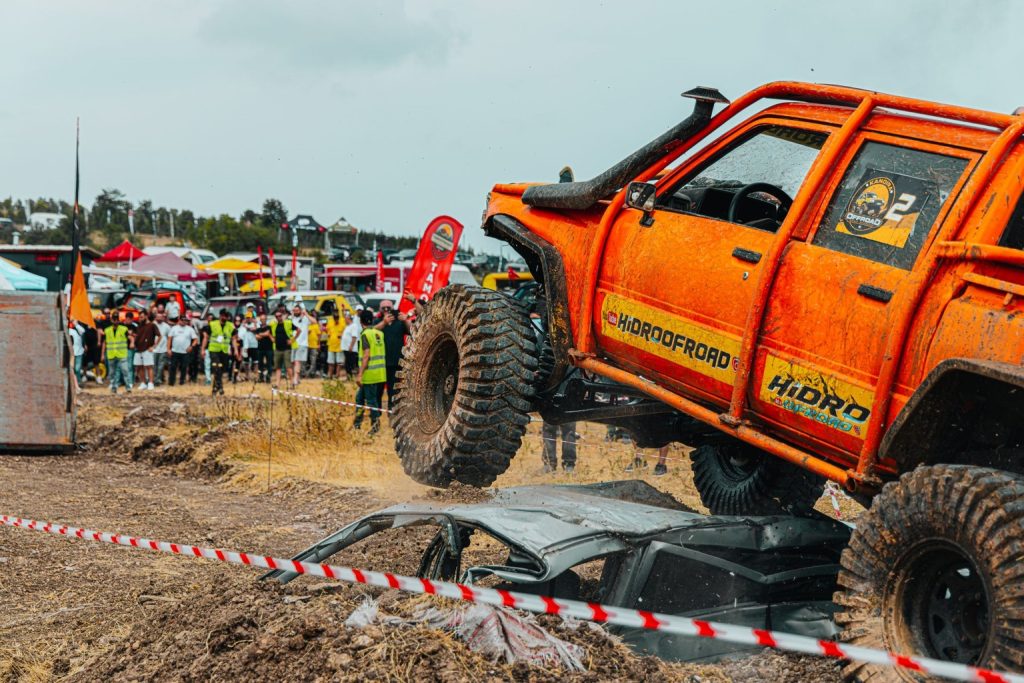
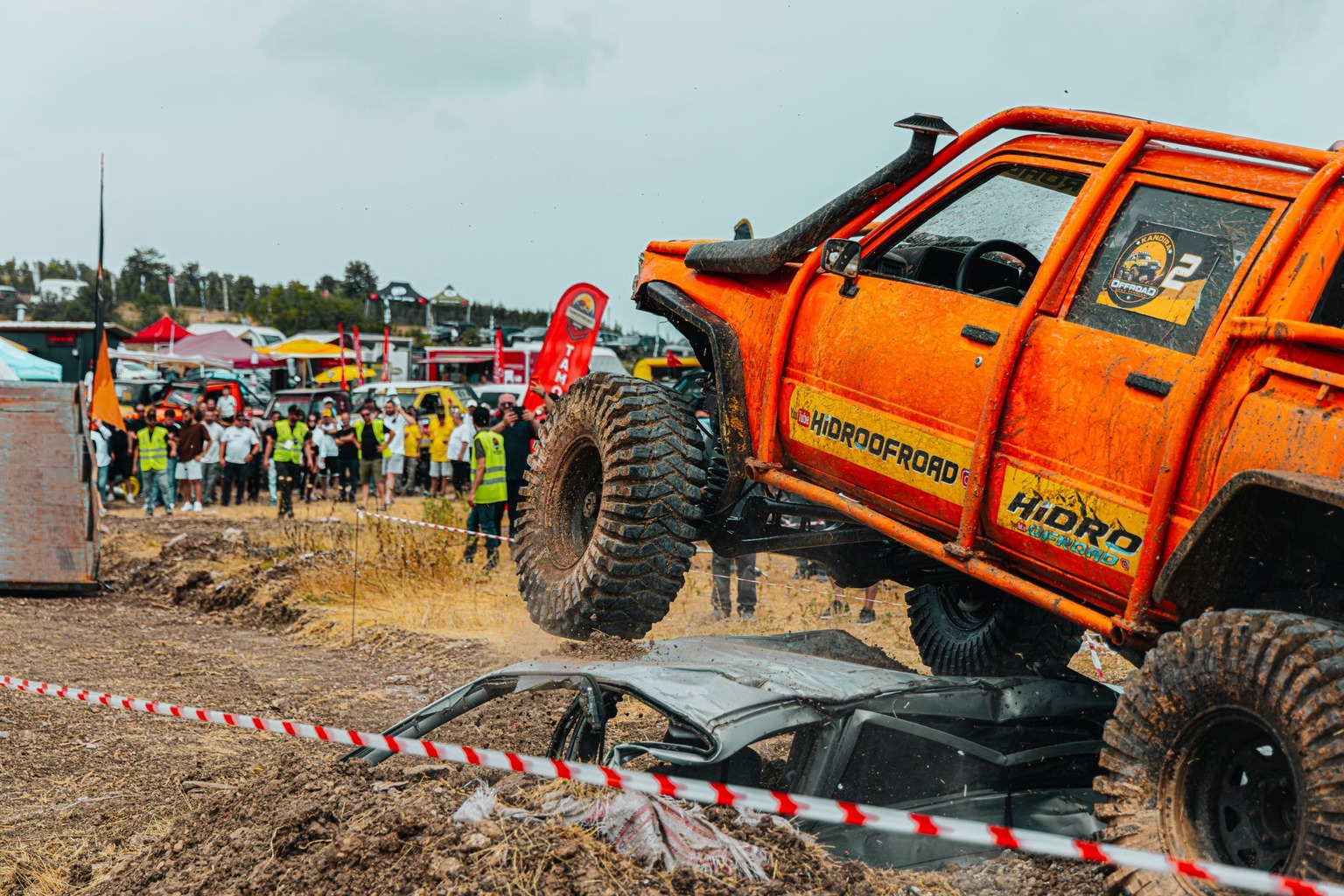
Your vehicle’s ground clearance and approach angles play a vital role in off-road performance. If you’re camping in rocky or uneven terrain, a lifted truck or an SUV with all-wheel drive will handle the job far better than a low-slung sports car. Test your setup in a parking lot before hitting the road, practice getting in and out of your tent, securing your gear, and even driving with your roof rack or bike mounts in place. This isn’t just about comfort; it’s about safety. A poorly secured tent or loose cargo can shift during a sudden stop or sharp turn, turning a scenic drive into a hazard. Before towing a trailer, always practice backing up in an open space to avoid mistakes. Many first-time toppers underestimate how different it feels to maneuver a loaded trailer, and a few hours of practice can save you from a costly mistake on the highway.
Choose the Right Tent for Your Car Camping Style
For a comfortable camping trip, selecting the right sleeping bag is essential—it should align with your sleeping habits and vehicle space. For car enthusiasts who prioritize space and durability, a freestanding dome tent or a cabin-style model offers the most flexibility, you can set it up independently of your car, which is ideal if you’re exploring off-trail or want to create a separate living area. On the other hand, if you’re sticking close to your vehicle, a car-top tent or a pop-up tent designed to mount directly to your roof rack can save time and hassle. These tents often come with integrated rainflies and ventilation systems, which are essential for keeping condensation at bay in humid conditions. When choosing, consider the number of seasons you’ll use it; a three-season tent will suffice for spring and fall trips, but a four-season model with reinforced poles and a lower profile is better for winter camping or high-altitude adventures.
A common mistake is underestimating the importance of ventilation. Even in mild weather, moisture builds up inside tents, leading to damp clothes and an uncomfortable sleep. Look for tents with mesh panels and adjustable vents, these allow airflow while still protecting you from bugs. If you’re camping in a hot climate, a tent with a built-in sunshade or a reflective rainfly can make a huge difference in keeping temperatures down. For car enthusiasts who love to stay out late, consider a tent with a full-coverage rainfly that extends to the ground; this adds an extra layer of protection against wind and rain, ensuring you can enjoy your trip without worrying about gear damage. And if you’re towing a camper or RV, don’t overlook the value of a small awning, it creates shade and a dry space to store gear, which is especially useful if you’re cooking meals outside.
Optimize Your Car’s Interior for Comfort and Functionality
Your car’s interior is the heart of your camping setup, and maximizing its space means thinking beyond just sleeping arrangements. Start by investing in a quality car bed or a fold-out mattress that fits your vehicle’s dimensions, nothing ruins a trip faster than waking up with a sore back from a thin, lumpy surface. Brands like Therm-a-Rest and Klymit offer inflatable mattresses designed specifically for car camping, providing cushioning without taking up too much room. If you’re sleeping in the back of a truck bed, a simple but sturdy platform made from plywood or aluminum can elevate your sleeping surface above the cold ground and make setup much easier. Don’t forget to secure everything with bungee cords or straps; even a small item like a water bottle can become a projectile if you hit a bump at 60 mph.
Taylor Martin’s guide highlights must-have camping essentials tailored for car enthusiasts.
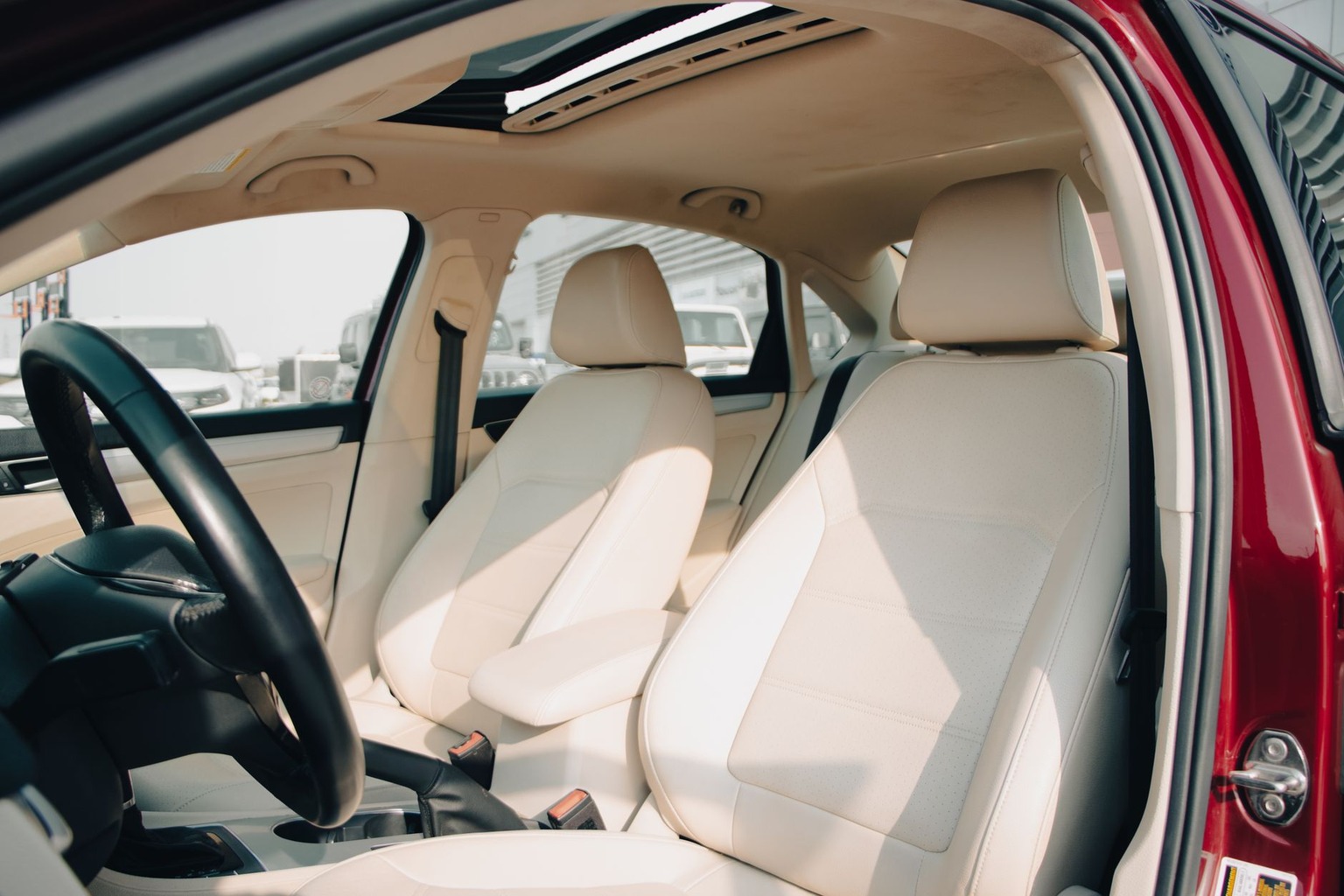
Organization is just as important as comfort. Use overhead storage bins, under-seat compartments, and door-mounted organizers to keep your essentials within reach. For car enthusiasts who love to tinker, a small toolkit and a multi-tool should be easily accessible, along with a portable phone charger and a flashlight with a red light mode (to preserve night vision). If you’re cooking in your car, a collapsible cutting board, a portable stove, and a set of lightweight cookware can turn the backseat into a functional kitchen. Pro tip: Keep a small cooler with insulated containers for leftovers, this way, you can enjoy a hot meal without heating up your entire vehicle. And if you’re camping in colder months, a portable heater designed for car use (like the Mr. Heater Buddy) can make a world of difference in keeping your space warm and cozy.
Plan for Power and Lighting Like a Pro
Reliable power and lighting are non-negotiable for car camping, especially if you’re planning to stay off-grid for more than a night. Start with a robust power bank or a solar charger that can handle your devices, most enthusiasts agree that a 20,000mAh battery is a sweet spot for charging phones, cameras, and GPS units without taking up too much space. Pair this with a car charger that’s compatible with your vehicle’s 12V outlet, as this will be your primary power source while driving. For longer trips, consider a portable inverter that converts your car’s DC power into AC, allowing you to run small appliances like a mini-fridge or a laptop. Brands like Goal Zero and Jackery have models that are compact enough to fit in a glove compartment yet powerful enough to keep your devices charged for days.
Lighting is another area where small upgrades make a big difference. Skip the single headlamp and opt for a set of LED lanterns with adjustable brightness, these provide ample light for setting up camp, cooking, and navigating at night without blinding you or others. For security, a motion-activated solar-powered light near your tent or car entrance can deter wildlife and keep you safe during late-night trips to the bathroom. If you’re camping in a remote area, a portable power station with USB ports and a 12V outlet can run a small fan, a Bluetooth speaker, or even a USB-powered coffee maker, turning your car into a mobile command center. Just remember to monitor your battery levels, nothing kills the mood faster than running out of power when you’re halfway through a movie or a podcast.
Set Up Your Campsite with Your Vehicle in Mind
Your campsite layout should revolve around your vehicle, not the other way around. Start by parking in a spot that’s level and away from windbreaks, this ensures your tent stays dry and your car’s exhaust isn’t blowing into your sleeping area. If you’re in a developed campground, look for sites with existing fire rings or picnic tables, as these often have utilities like water and electricity nearby. For off-grid camping, scout for a flat area with natural shade, such as under a cluster of trees or near a rocky outcrop that blocks the sun. Use a tarp or a ground tarp under your tent to protect against moisture and sharp rocks, and anchor it securely with guy lines to prevent it from flapping in the wind. A common mistake is setting up too close to your car, leave at least 10 feet of space to give yourself room to move and to avoid blocking your vehicle’s exhaust or air intake.
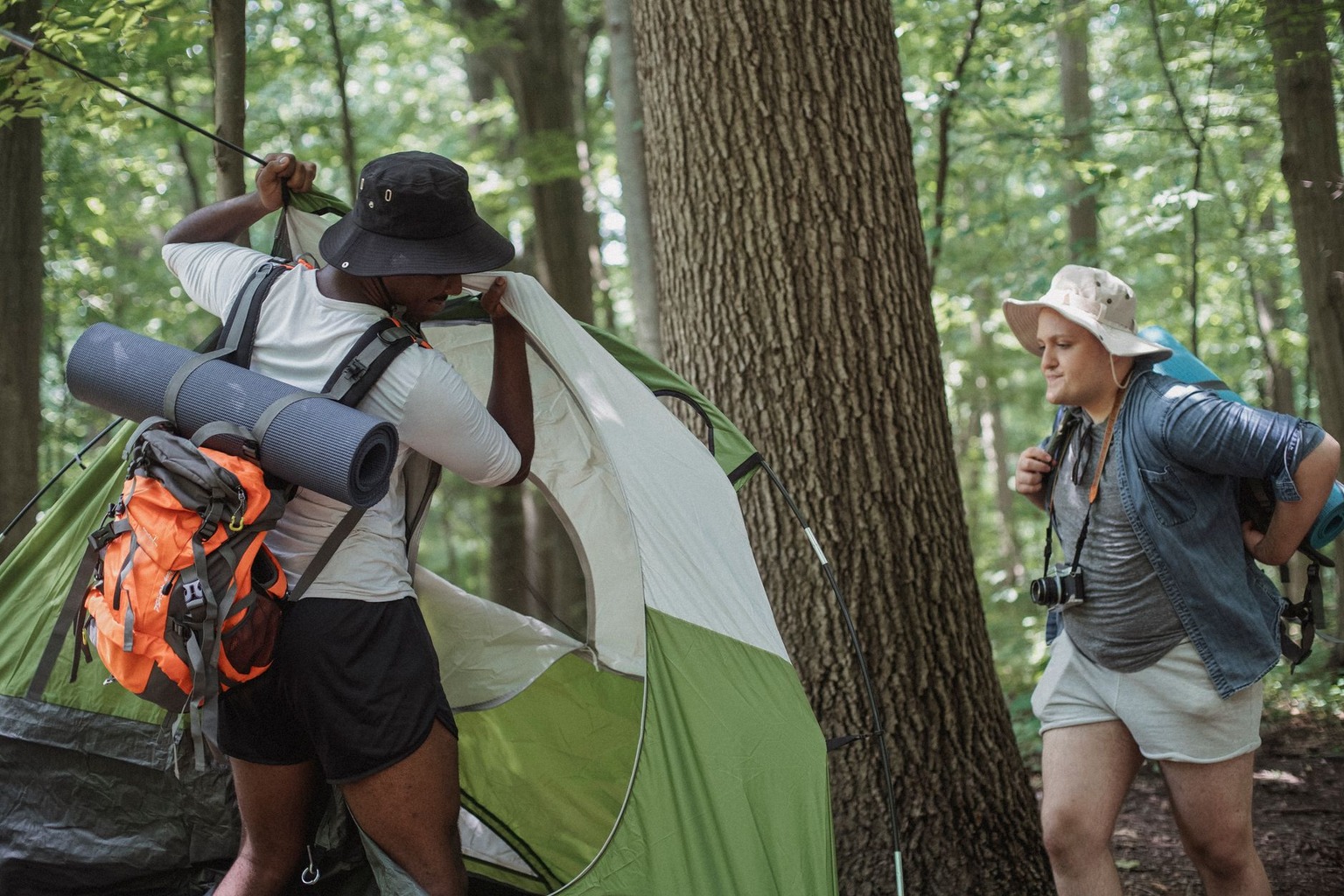
When it comes to cooking, position your grill or stove at least 10 feet away from your tent and any flammable materials. A portable propane grill is a car enthusiast’s best friend, it’s easy to transport, cooks evenly, and can handle everything from burgers to foil-packet meals. If you’re cooking over a fire, use a fire pit designed for camping and keep a bucket of water or sand nearby to extinguish it quickly. For those who love to grill, a small smoker or a pellet grill can add a gourmet touch to your meals, but these require more planning in terms of fuel and ventilation. Don’t forget to bring a collapsible water jug and a portable sink, staying hydrated is key, and washing dishes in a stream or a designated area keeps your campsite clean. And if you’re camping in an area with wildlife, store your food in a bear-proof container or hang it from a tree branch at least 10 feet off the ground and 4 feet away from the trunk.
Pack Smart: Gear That Enhances Your Car Camping Experience
Every car enthusiast knows that the right gear can turn a good trip into an unforgettable one. Start with a high-quality roof rack or bike mounts if you’re transporting gear like kayaks, bikes, or extra fuel cans. These aren’t just for aesthetics, they distribute weight evenly and keep your cargo secure. For those who love to explore, a lightweight backpack with a hydration bladder is essential for day hikes, while a compact camping chair with a cup holder makes lounging by the fire a breeze. If you’re towing a trailer or an RV, invest in a good-quality hitch receiver and a weight distribution hitch to ensure your setup is stable and safe. Don’t overlook the value of a portable shower or a solar shower bag, these make it easy to clean up after a long day of driving or exploring, keeping you fresh without requiring access to campground facilities.
A well-stocked first aid kit is a must, especially if you’re camping in remote areas. Include items like blister pads, antiseptic wipes, and a small splint, as well as any personal medications. For car enthusiasts who love to tinker under the hood, a multi-function tool like the Leatherman Style PS or a compact socket set can be a lifesaver if you encounter a minor mechanical issue on the road. If you’re camping in a cold climate, a hand warmers pack and a thermal sleeping bag can make the difference between a comfortable night and a chilly one. And if you’re planning to stay connected, a satellite communicator like a Garmin inReach or a portable hotspot can provide peace of mind in areas with poor cell service. Finally, don’t forget the little luxuries, like a Bluetooth speaker, a deck of cards, or a book, that make the experience feel more like a vacation and less like a survival test.

Ever since I bought my first used pickup truck, I’ve been obsessed with finding the perfect blend of off-road capability and weekend comfort. I spend my free time exploring state parks and tinkering with restoration projects in my garage. My writing focuses on how vehicles can enhance your lifestyle and outdoor adventures.