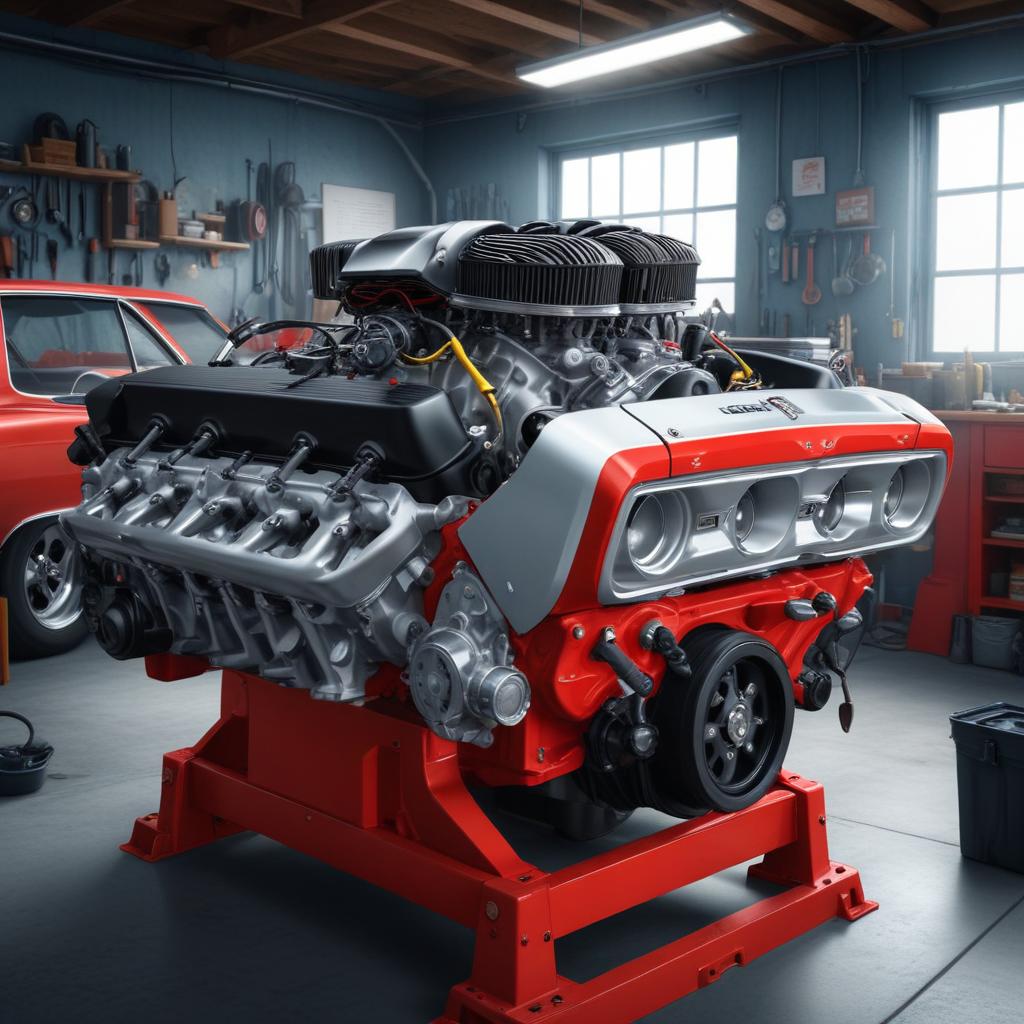
Introduction to Plymouth GTX Maintenance
The Plymouth GTX is an iconic classic muscle car celebrated for its powerful engine, sleek design, and undeniable presence on the road. Produced during the golden era of American muscle cars, the GTX has become a cherished collector’s item and a symbol of automotive performance and style. Maintaining this classic vehicle requires dedication and careful attention to detail, as its vintage components and unique engineering demand specialized care.
Regular car maintenance is crucial to preserving the Plymouth GTX’s performance, appearance, and value over time. Classic car care is not just about keeping the car running; it also involves protecting the original features that make the GTX a standout among muscle cars. From oil changes to brake inspections, a consistent maintenance routine ensures that this muscle car remains in optimal condition and is ready to deliver the raw power and driving experience it was designed to provide.
Understanding the maintenance overview for a Plymouth GTX involves recognizing the importance of using proper fluids, checking for wear and corrosion, and keeping all systems in good working order. This classic car benefits from expert attention to its engine, transmission, suspension, and electrical components. By investing time and care into routine inspections and timely repairs, owners can enjoy the thrill and pride of driving a Plymouth GTX that performs as well today as it did decades ago.
Whether you are a seasoned muscle car enthusiast or a new owner of a Plymouth GTX, committing to a regular maintenance schedule is essential. Doing so not only safeguards the vehicle’s mechanical integrity but also preserves a piece of automotive history. The pride that comes with owning and properly maintaining a Plymouth GTX is unmatched, making every maintenance task a rewarding step in the journey of classic car ownership.
Overview of the Plymouth GTX
The Plymouth GTX is a renowned muscle car that made its debut in the late 1960s, standing out for its powerful performance and stylish design. As a staple in muscle car history, the GTX was engineered to offer a balance of luxury and raw power, appealing to enthusiasts who sought both speed and comfort. Understanding Plymouth GTX specs is essential when it comes to maintenance, as the car’s high-performance engine and classic features demand special attention.
One of the key features that directly relates to maintenance challenges is the car’s robust V8 engine, often equipped with heavy-duty components that require regular tuning and care. The classic car features such as carburetors, mechanical fuel pumps, and manual ignition systems present in the Plymouth GTX are markedly different from modern vehicles, necessitating a more hands-on approach to upkeep. Additionally, the muscle car history of frequent performance upgrades means many GTX vehicles on the road today may have custom or non-standard parts, which can complicate repairs and sourcing of replacements.
Owners should be particularly mindful of the wear and tear on the transmission and suspension systems, which were designed for aggressive driving styles. Regular inspection and maintenance of these components are critical to preserving the car’s performance and driving experience. In summary, while the Plymouth GTX is a classic muscle car icon, its maintenance demands reflect its powerful specs and historical design, requiring knowledgeable care and attention to keep it running smoothly.
Why Regular Maintenance is Crucial
For Plymouth GTX owners, regular maintenance is essential to ensure car longevity and preserve the vehicle’s iconic performance. Preventative care not only helps in avoiding costly repairs but also maintains the car’s mechanical reliability, allowing it to function smoothly for years to come. By routinely inspecting and servicing critical components such as the engine, brakes, and suspension, you can identify potential issues early before they escalate into major problems.
Durability is a key benefit of consistent upkeep. The Plymouth GTX, known for its robust build, will sustain its structural integrity and mechanical soundness with regular oil changes, fluid checks, and tune-ups. This preventative care extends the lifespan of parts prone to wear and tear, preventing breakdowns that could jeopardize your driving experience.
Performance is another major reason to stay on top of maintenance. A finely tuned Plymouth GTX delivers optimal power, acceleration, and fuel efficiency, keeping the driving experience exciting and reliable. Neglecting routine care can lead to diminished engine performance and sluggishness, detracting from the car’s legendary muscle car status.
Lastly, safety is enhanced through regular maintenance. Ensuring that brakes, tires, and steering components are in top condition helps prevent accidents and ensures dependable handling. For Plymouth GTX enthusiasts who cherish both driving pleasure and peace of mind, preventative care is an indispensable part of vehicle ownership.
Essential Maintenance Tasks for Plymouth GTX
Maintaining your Plymouth GTX in peak condition requires regular attention to several critical tasks. Proper engine care is paramount; this means routinely inspecting your engine for any signs of wear or leaks and ensuring that all parts are well-lubricated and functioning correctly. Regular oil changes using the recommended grade and quality of oil will keep the engine running smoothly and extend its lifespan.
Fluid checks are another vital aspect of maintenance. Apart from engine oil, you should frequently check the levels and condition of your coolant, brake fluid, and transmission fluid. Maintaining optimal fluid levels helps prevent overheating, maintains braking efficiency, and ensures smooth gear shifting, all crucial for the overall health of the Plymouth GTX.
Brake maintenance should never be overlooked. Periodically inspect the brake pads, rotors, and lines for wear or damage. Timely replacement of worn brake pads and ensuring brake fluid is fresh and at the correct level significantly enhances your vehicle’s safety and performance on the road.
Tire care is equally important for your Plymouth GTX’s performance and safety. Regularly check tire pressure and tread depth, and rotate the tires as recommended in the owner’s manual. Properly inflated and well-maintained tires ensure optimal grip, fuel efficiency, and help avoid uneven wear that can lead to costly repairs down the line.
By consistently performing these essential maintenance tasks—engine care, fluid checks, brake maintenance, and tire care—you can enjoy the full power and classic driving experience of your Plymouth GTX for years to come. Staying proactive in your vehicle’s upkeep not only preserves its value but also enhances reliability and safety on every journey.
Engine and Transmission Maintenance
Maintaining your Plymouth GTX’s engine and transmission systems is crucial for ensuring long-lasting performance. Follow these steps to keep them in optimal condition and avoid costly repairs.
- Engine Oil Change: Regularly check your engine oil level using the dipstick and change the oil according to the manufacturer’s recommended intervals. Fresh engine oil lubricates moving parts, reducing wear and preventing overheating.
- Transmission Fluid Check: Inspect the transmission fluid level and condition by locating the transmission dipstick (usually found near the engine). The fluid should be clean and pinkish; dark or burnt-smelling fluid needs to be replaced to ensure smooth gear shifts.
- Inspect Spark Plugs: Remove and examine the spark plugs every 30,000 miles or as specified in your owner’s manual. Clean or replace worn or fouled spark plugs to maintain efficient combustion and engine performance.
- Timing and Belts: Check the timing belt or chain for signs of wear, cracks, or stretching. A well-maintained timing system is vital to engine timing and proper operation of valves and pistons. Replace according to the maintenance schedule to prevent severe engine damage.
- Fluid Leaks: Regularly inspect under the vehicle for oil or transmission fluid leaks. Address any leaks promptly to avoid low fluid levels which can cause engine or transmission failure.
Following these maintenance steps will ensure that your Plymouth GTX’s engine and transmission systems remain reliable, efficiently supporting the high-performance driving experience you expect.
Brake System and Tire Care
Regular inspection and maintenance of your Plymouth GTX’s brake system and tires are crucial for ensuring safety and reliability on the road. Start by checking your brake pads for wear; thin or unevenly worn pads should be replaced promptly to maintain effective stopping power. Brake pad replacement not only protects the brake rotors but also ensures consistent braking performance.
Brake fluid plays a vital role in the hydraulic brake system. It should be inspected periodically for contamination or low levels. Over time, brake fluid can absorb moisture, leading to reduced braking efficiency and potential corrosion within the system. It’s recommended to replace the brake fluid at intervals specified in your vehicle’s manual to keep the brakes responsive and safe.
Proper tire care includes monitoring tire pressure and performing regular tire rotation. Maintaining correct tire pressure is essential not only for safety but also for fuel efficiency and tire longevity; underinflated tires can lead to poor handling and increased wear. Use a reliable pressure gauge and adjust pressures to the specifications found in your owner’s manual or on the door jamb sticker.
Tire rotation helps to distribute wear evenly across all tires, extending their life and improving vehicle handling. Rotate your tires every 5,000 to 7,000 miles or according to the recommendations for your Plymouth GTX. By keeping up with brake pad replacement, brake fluid changes, tire pressure monitoring, and tire rotation, you ensure your Plymouth GTX remains safe, reliable, and ready for the road.
Electrical and Cooling System Checks
Maintaining your Plymouth GTX’s electrical and cooling systems is crucial to prevent overheating and electrical failures. Start with battery maintenance by regularly checking the battery terminals for corrosion and ensuring they are tightly connected. Clean any buildup with a battery cleaner or a mixture of baking soda and water to enhance battery performance and longevity.
Inspect the wiring throughout the vehicle, paying close attention to areas prone to wear or exposure to heat and moisture. Look for frayed wires, loose connections, or signs of electrical shorts. Timely wiring inspection can prevent unexpected electrical breakdowns and maintain the reliability of your GTX’s electrical system.
For the cooling system, perform a radiator flush at recommended intervals to remove accumulated debris and old coolant, which can impair cooling efficiency. Regular radiator flushes help to maintain optimal engine temperature and prevent overheating issues. Also, consistently check coolant levels and top off with the appropriate mixture of antifreeze and water as needed.
By combining diligent battery maintenance, thorough wiring inspections, scheduled radiator flushes, and attentive monitoring of coolant levels, you can ensure your Plymouth GTX runs smoothly and reliably without overheating or electrical problems. This proactive approach extends the life of your vehicle’s systems and enhances overall performance.
Tips for Long-Term Preservation of Plymouth GTX
Preserving a classic car like the Plymouth GTX requires careful attention to storage, maintenance, and overall protection to ensure its value and condition remain intact over the years. Classic car preservation is not just about regular upkeep; it involves strategic steps to guard against the common threats that can deteriorate the vehicle’s quality.
One of the most crucial storage tips is to keep your Plymouth GTX in a climate-controlled environment. Temperature fluctuations and humidity can accelerate rust formation and damage both the metal components and interior materials. If a climate-controlled garage is not an option, invest in a high-quality car cover that is breathable to prevent moisture buildup while protecting the paint and trim from dust and UV damage.
Rust prevention should be a priority for any classic car owner. Regular inspections of the undercarriage, wheel wells, and hidden panels can help detect early signs of corrosion. Applying rust inhibitors or coatings to vulnerable areas can significantly reduce the risk of rust spreading. Additionally, periodic cleaning and waxing of the car’s exterior form a protective barrier against environmental elements.
When it comes to restoration advice, it is essential to use authentic parts and materials that match the original specifications of the Plymouth GTX. This practice maintains the car’s historical accuracy and value. Consulting with experienced restoration professionals or joining classic car clubs can provide invaluable insights and resources for proper restoration techniques.
Lastly, frequent mechanical checks and gentle use help preserve the engine and drivetrain longevity. Even if the car is not driven regularly, starting it occasionally and moving it ensures that fluids circulate and mechanical parts stay lubricated. By following these expert tips and guidelines focused on storage, protection, and restoration, Plymouth GTX owners can enjoy their classic car for decades while safeguarding its investment value.
Proper Storage Techniques
Storing your Plymouth GTX correctly is essential to preserving its condition and value over time. The best approach involves placing the car in a secure, climate-controlled garage storage space. Climate control helps prevent issues caused by temperature extremes and humidity, such as rust, mold, and cracked seals. This creates an environment that protects the vehicle’s metal, paint, and interior components.
Before storing the car, make sure to thoroughly clean both the exterior and interior to remove dirt, debris, and moisture that could lead to deterioration. Covering the car with a high-quality, breathable car cover is also advisable. This protects the finish from dust and minor scratches while allowing moisture to escape, which avoids mold buildup and paint damage.
Battery maintenance is another important consideration during storage. It’s best to either disconnect the battery to prevent drain or use a battery maintainer that keeps the charge steady without overcharging. Regularly check the battery throughout the storage period to ensure it remains in good condition and the car will start easily when taken out of storage.
By combining secure garage storage with proper climate control, protective covering, and attentive battery maintenance storage practices, you can ensure your Plymouth GTX remains in excellent condition, ready to hit the road whenever you are.
Rust and Corrosion Prevention
Preventing rust and corrosion on your Plymouth GTX is essential to maintain its classic beauty and structural integrity. One of the most effective methods is applying quality anti-corrosion coatings to vulnerable areas, especially the underbody and wheel wells. These coatings create a protective barrier against moisture, salt, and debris that accelerate rust formation. Routine body inspections are equally important; regularly checking for chips, scratches, or early signs of rust allows you to address any damage before it worsens.
Underbody care should not be overlooked, as this area is prone to corrosion due to constant exposure to water and road salt. Washing the undercarriage thoroughly after exposure to harsh conditions helps remove corrosive agents. Additionally, using rust treatment solutions on any exposed metal can halt the progression of rust and safeguard the metal surfaces.
Prompt repairs play a critical role in rust prevention. If you detect any rust spots during your body inspections, treating them immediately with rust treatment products and touching up with paint or protective coatings will stop further damage. Preventing rust on your Plymouth GTX is a combination of applying effective anti-corrosion coatings, performing regular body inspections, caring for the underbody, and addressing any issues quickly. This proactive maintenance approach will keep your classic car in excellent condition for years to come.

Ever since I bought my first used pickup truck, I’ve been obsessed with finding the perfect blend of off-road capability and weekend comfort. I spend my free time exploring state parks and tinkering with restoration projects in my garage. My writing focuses on how vehicles can enhance your lifestyle and outdoor adventures.