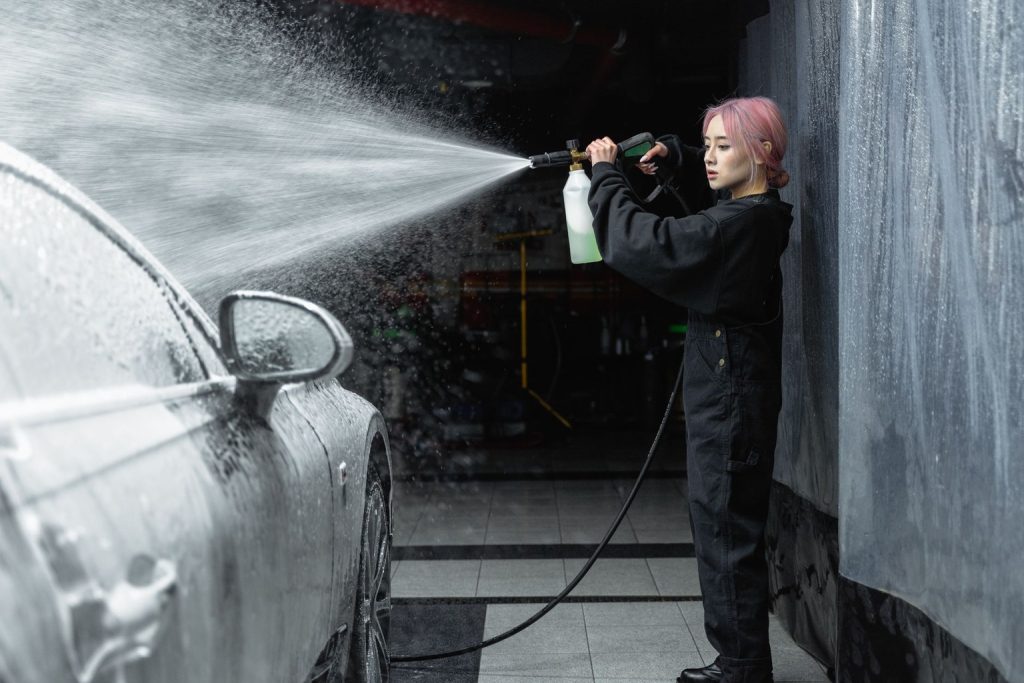
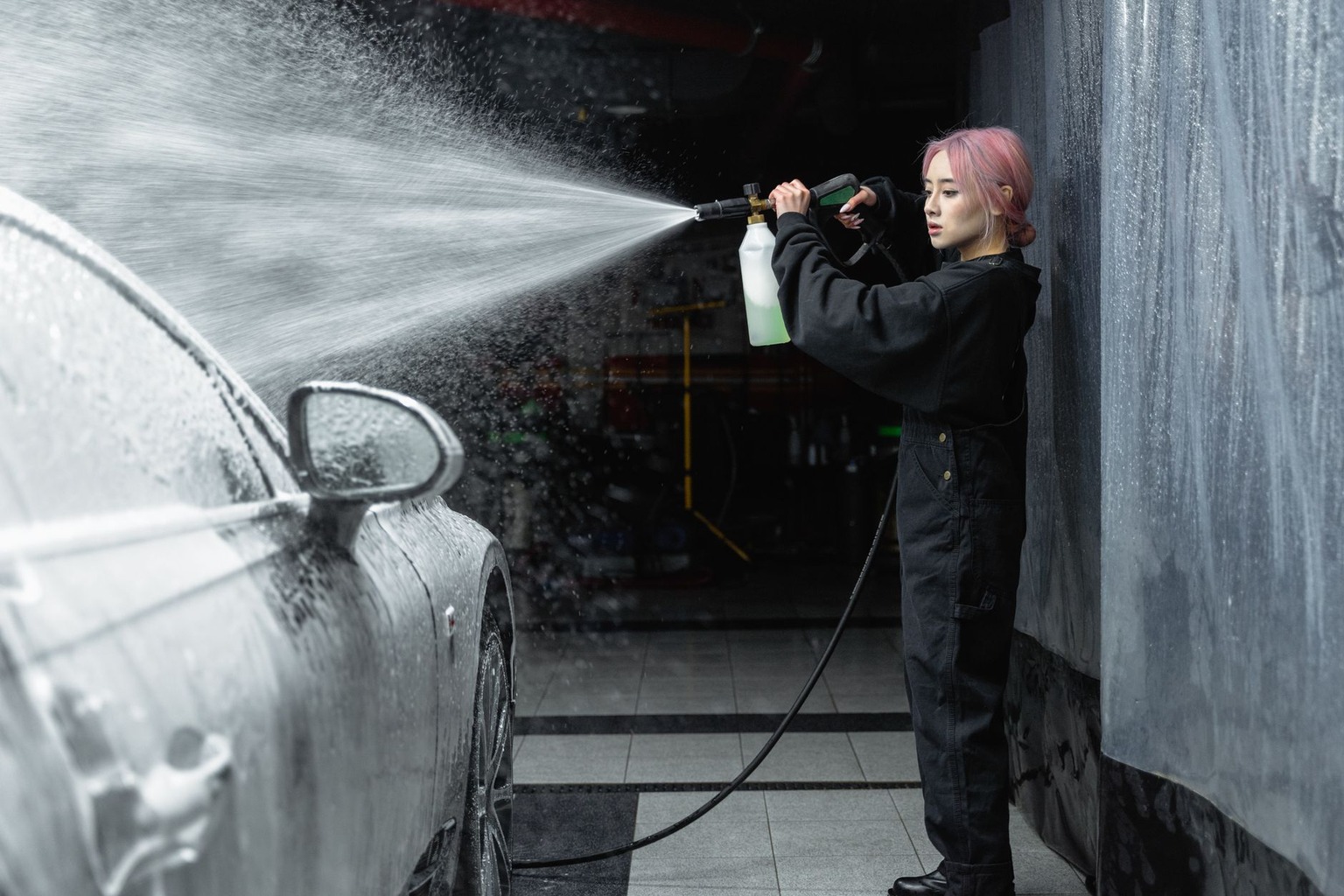
A deep, thorough wash isn’t just about making your car look clean, it’s about preserving its finish, protecting paint integrity, and ensuring long-term value, especially for enthusiasts who take pride in their vehicles’ condition. Whether you’re prepping a classic muscle car for a weekend cruise or maintaining a daily driver that doubles as a weekend project, the choice between a DIY foam wash and a professional shop service can feel like a balancing act between convenience and quality. The decision hinges on more than just cost; it’s about understanding how technique, equipment, and environmental factors play into the final result, and whether your time and effort will yield a finish that rivals what a shop can deliver, or if you’re better off leaving it to the pros.
The Hidden Costs of a DIY Foam Wash
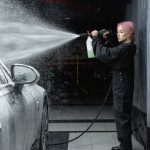
At first glance, a DIY foam wash seems like a no-brainer for saving money. You grab a bucket, some car shampoo, and a foam cannon, and in under an hour, your car looks refreshed. However, the hidden costs often add up faster than expected. A single high-quality foam cannon can run $100 or more, and premium car shampoos designed to lift contaminants without stripping wax or sealants cost $20 to $30 per bottle. Over time, these expenses rival what a professional shop might charge for a single wash, especially if you’re dealing with stubborn grime or deep-seated dirt. Worse yet, improper technique, like over-scrubbing with a stiff brush or using the wrong pH-balanced cleaner, can actually damage your paint’s clear coat, leaving micro-scratches that accumulate over time. Even experienced DIYers sometimes miss spots, particularly in tight crevices or under body panels, where dirt and brake dust linger. For enthusiasts who prioritize showroom-level finishes, these oversights can turn a weekend project into a recurring maintenance headache.
Another often-overlooked factor is the physical labor involved. A thorough foam wash requires patience and precision, especially when working on high-end paint or clear coats that are sensitive to abrasive residues. Many DIYers underestimate how much time it takes to rinse properly, apply foam evenly, and dry the vehicle without water spots. A professional shop, on the other hand, uses high-pressure washers and specialized tools to streamline the process, ensuring every inch of the car is addressed efficiently. If you’re short on time or lack the stamina for a meticulous wash, the convenience of a shop service might be worth the extra cost, just don’t assume that “quick wash” equates to a quality car wash.
When a Shop’s Pressure Washer Becomes Your Worst Enemy
The allure of a professional car wash often lies in its ability to tackle deep-seated grime with industrial-grade equipment. However, not all shop services are created equal, and some pressure washers can do more harm than good if misused. High-pressure jets, especially those exceeding 1,500 PSI, can lift paint or strip wax if directed too closely to the vehicle’s surface. This is particularly risky for older cars, classic models, or those with custom paint jobs, where the clear coat is thinner or more vulnerable. Even modern vehicles with ceramic coatings can suffer if the pressure isn’t controlled, improper washing can create swirl marks or etch the paint, undermining the protective layer you’ve invested in. A reputable shop will use lower-pressure settings (around 1,000 PSI or less) and maintain a safe distance from the car’s body to avoid damage, but not all facilities follow these precautions. If you’re unsure about a shop’s methods, ask to see their equipment or request a hand wash instead of a pressure wash for your next visit.
The issue extends beyond paint protection to wheel and tire care. Many shops use the same pressure washer for wheels and the car’s body, which can introduce contaminants like brake dust or road salt into the paint. This cross-contamination isn’t just unsanitary, it accelerates corrosion and dulls the finish over time. Enthusiasts who take their vehicles to shows or track days will notice the difference immediately: a car washed in a high-traffic shop may arrive looking clean but leave with a hazy residue or faint streaks from improper drying techniques. For that reason, some car clubs and detailers prefer to bring their own equipment to events or use specialized mobile detailers who prioritize cleanliness and precision over speed.
The Role of Water Quality in a Quality Car Wash
Water quality is one of the most overlooked yet critical factors in achieving a quality car wash, whether you’re doing it yourself or relying on a shop. Hard water, which contains high levels of minerals like calcium and magnesium, can leave behind stubborn spots and a dull film on your car’s surface. Even a professional wash can fail if the water isn’t filtered or softened before use. DIYers often assume tap water is sufficient, but in areas with hard water, this can lead to a streaky, unsatisfying result after drying. The solution is to use distilled or reverse-osmosis water for rinsing and final rinses, which costs extra but pays dividends in clarity. Some high-end car washes use deionized water systems to eliminate mineral buildup, but these aren’t standard in every facility. If you’re washing at home, investing in a water softener or using a dedicated car wash rinse additive can make a noticeable difference in the final shine.
Shops that don’t address water quality often resort to harsh chemicals or excessive scrubbing to compensate, which can strip protective coatings and accelerate paint wear. For example, a wash that uses plain tap water may require more detergent to lift dirt, and the residual soap can leave a soapy film that attracts dust and dirt between washes. Enthusiasts who prioritize long-term paint protection should ask about a shop’s water treatment process or opt for a facility that uses filtered or softened water. Alternatively, bringing your own high-quality water in a portable tank can ensure consistency, especially if you’re washing in areas with known hard water issues. The effort to control water quality is small compared to the damage it can prevent over time.
Why Your DIY Foam Cannon Might Not Be Enough
A foam cannon is a game-changer for DIY car washes, but its effectiveness depends on more than just the price tag. Many budget foam cannons produce uneven foam bubbles, which means the detergent isn’t distributing evenly across the paint. This leads to missed spots and uneven cleaning, where some areas remain dirty while others get over-scrubbed. Even high-end cannons require proper technique, holding the nozzle too close can create foam buildup that attracts dust, while holding it too far away results in wasted foam and inconsistent coverage. The ideal distance is about 12 to 18 inches from the surface, allowing the foam to expand and lift dirt without oversaturating the paint. If you’re not getting a consistent, even layer of foam, it’s likely because your setup isn’t optimized. Some enthusiasts upgrade to multi-stage foam cannons or add foam boosters to improve bubble density, but these adjustments take practice to master.
Another limitation of DIY foam cannons is their inability to handle heavy grime or embedded contaminants like tar or industrial fallout. While a foam wash excels at lifting surface dirt, it struggles with deep-seated grime that requires pre-washing with a clay bar or degreaser. Many shops use a two-step process, first a clay bar or clay mitt to remove embedded particles, followed by a foam wash for final detailing, but DIYers often skip this step, assuming the foam alone will suffice. The result is a car that looks clean on the surface but still feels slightly rough under your fingers when you run your hand over the paint. For enthusiasts who want that showroom polish, adding a clay bar session before the foam wash can make a dramatic difference, though it adds time and effort to the process.
The Speed vs. Precision Tradeoff at Professional Shops
Professional car wash shops operate on efficiency, which means they often prioritize speed over precision. While a shop can wash a car in 20 minutes or less, this rapid turnover comes at the cost of thoroughness. Employees may rush through rinsing, leading to water spots or missed dirt, or they might use the same mitt or sponge for multiple cars without proper sanitization. The result is a car that looks clean but may have streaks, swirl marks, or lingering residues from the wash process. Enthusiasts who take their vehicles to high-volume shops frequently report this issue, especially during peak hours when staff is stretched thin. To mitigate this, some shops offer premium detailing services for an additional fee, which include extra drying steps, clay bar treatments, and longer drying times. If you’re willing to pay for that level of care, it’s worth asking about their premium package, or bringing your own towels and drying aids to ensure a flawless finish.
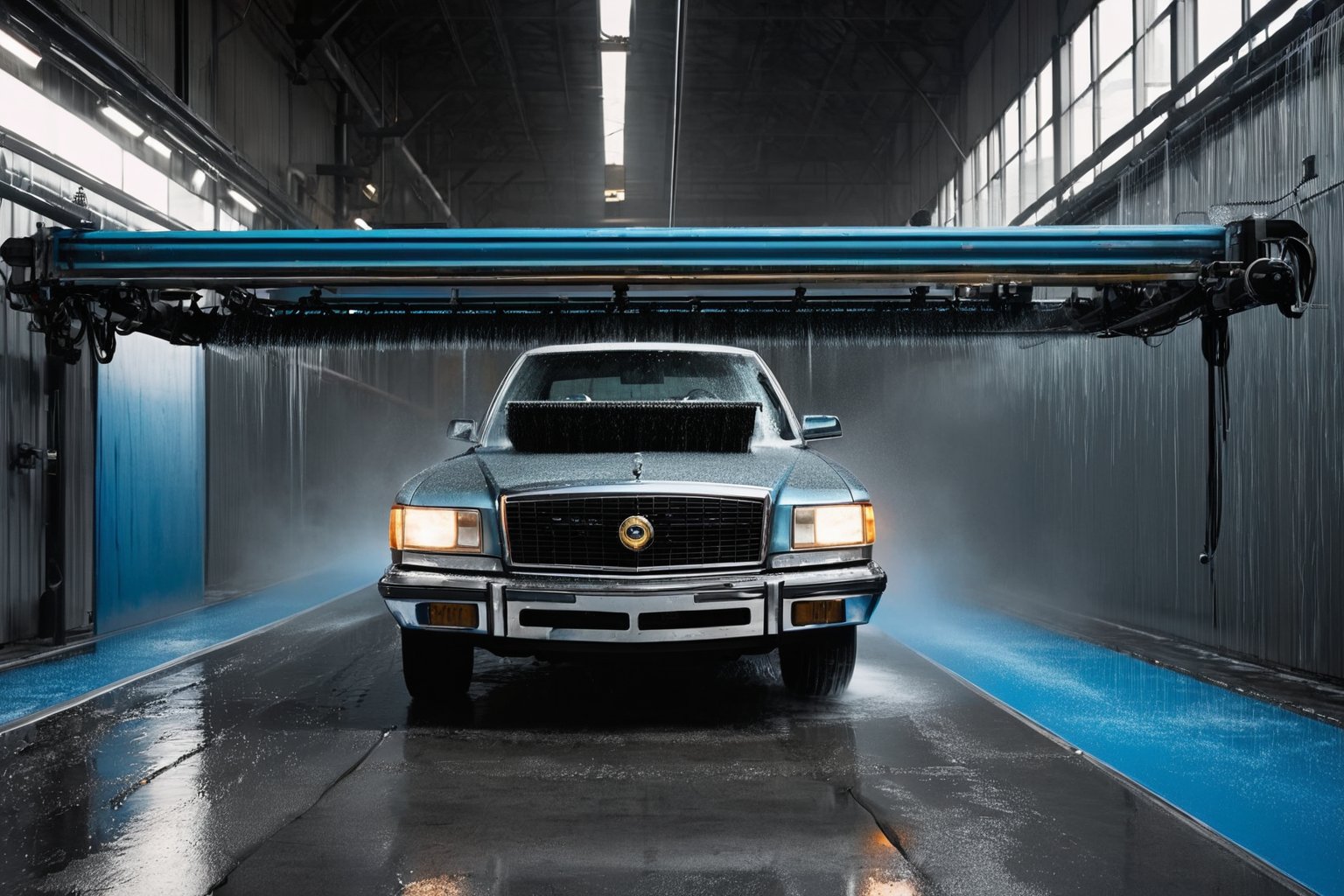
Another speed-related issue is the use of automated systems, such as conveyor-belt washes or touchless washers, which are popular for their efficiency but lack the precision of a manual wash. These systems can be effective for basic cleaning but often leave behind water spots, soap scum, or uneven drying. For enthusiasts who drive high-performance or show cars, these imperfections can detract from the vehicle’s appearance and even affect aerodynamics. The tradeoff between speed and precision is clear: if you value a flawless finish, you may need to compromise on convenience or invest in a higher-tier service. Alternatively, some shops offer hybrid options, like a manual wash followed by an automated rinse, which can bridge the gap between efficiency and quality.
The Long-Term Impact of Your Wash Choice on Paint Protection
The way you wash your car today can have lasting consequences for its paint protection tomorrow. A quality car wash, whether DIY or professional, shouldn’t just clean the surface; it should also preserve the integrity of your paint’s protective layers. This means avoiding abrasive pads, harsh chemicals, and improper drying techniques that can strip wax or ceramic coatings. Over time, repeated exposure to poor washing practices accelerates the breakdown of these protective layers, leaving your paint vulnerable to UV damage, oxidation, and corrosion. For example, a DIY wash that uses a stiff brush or over-scrubs with a microfiber mitt can create micro-scratches that accumulate into swirl marks, which are nearly impossible to remove without polishing. Similarly, a shop that doesn’t use proper drying techniques can leave water spots that etch the paint over time, especially in humid climates.
Enthusiasts who invest in ceramic coatings or paint protection films (PPFs) need to be particularly mindful of their washing habits. These coatings are designed to repel water and contaminants, but they can be compromised by improper washing techniques, such as using the wrong pH-balanced shampoo or failing to rinse thoroughly. A quality car wash should use products that are compatible with your protective coatings and avoid anything that could strip or degrade them. Some shops specialize in detailing for coated vehicles and use pH-neutral shampoos and soft microfiber tools to maintain the coating’s integrity. If you’re unsure whether a shop’s methods are safe for your paint protection, ask about their experience with ceramic coatings or PPFs, most reputable detailers will have protocols in place to handle these finishes carefully.

Ever since I bought my first used pickup truck, I’ve been obsessed with finding the perfect blend of off-road capability and weekend comfort. I spend my free time exploring state parks and tinkering with restoration projects in my garage. My writing focuses on how vehicles can enhance your lifestyle and outdoor adventures.