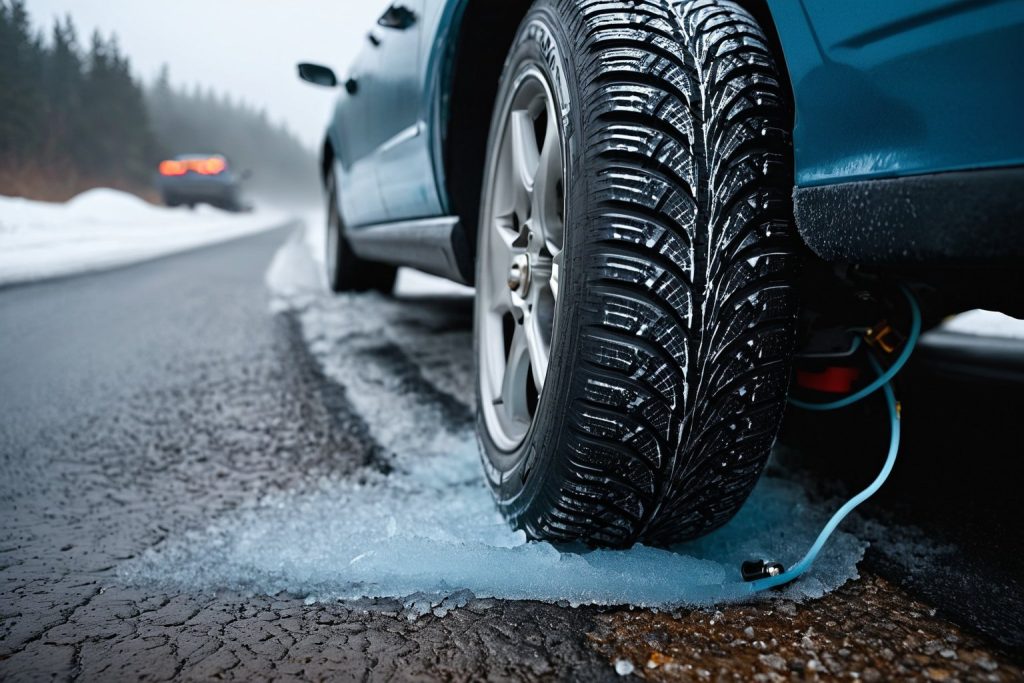
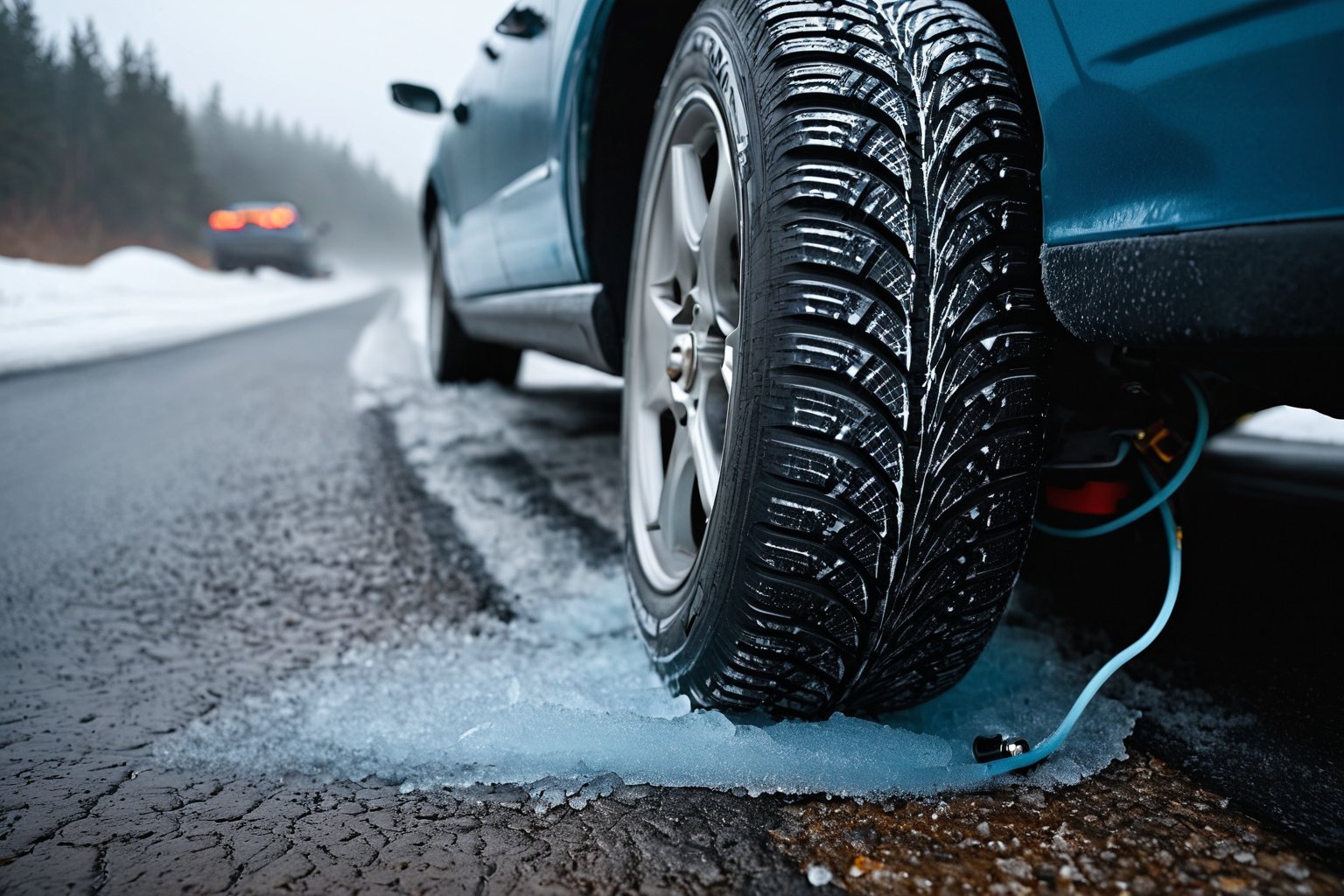
The cold snap hitting your tires isn’t just an inconvenience, it’s a sneaky performance killer. If you’ve ever pulled into a gas station in winter only to see that pesky tire pressure light flicker on, you’re not alone. The issue isn’t just about feeling a slight bump in your drive; it directly impacts fuel efficiency, tread life, and even handling on those winding backroad trips you love. Worse, many drivers don’t realize the drop in pressure happens every time temperatures dip below 50°F, and that’s when the real challenge begins, fixing it before it turns into a safety hazard or a costly repair bill. The problem isn’t just about adding air; it’s about understanding why your tires lose pressure when cold and how to keep them stable through seasonal changes without turning maintenance into a weekly chore.
Understanding Why Tires Lose Pressure When Cold
The science behind the drop is simple but often overlooked: air molecules inside your tires contract as temperatures fall, reducing pressure by roughly one PSI for every 10°F drop, tire pressure low when cold. This isn’t just theory, it’s measurable. On a chilly morning in Florida, where winter temps can still dip into the 40s, your tires might lose 4-6 PSI overnight, even if they were properly inflated the day before. The effect is cumulative too; if you’ve been driving in mild weather and topped off your tires, those same tires will need air again once the real cold hits. This isn’t just about summer-to-winter transitions, it happens every time you park your car outside overnight, especially if you’re using it for weekend getaways or road trips through cooler regions. The key here is recognizing that this isn’t a one-time adjustment; it’s a recurring cycle that demands consistent attention.
Most drivers make the mistake of assuming their tires are fine if they pass a quick visual check or if the pressure gauge at the gas station reads okay in the afternoon. But here’s the catch: those gauges are often inaccurate, especially in cold conditions, and they don’t account for the gradual loss that happens while you’re driving. A tire that reads 32 PSI in the morning might already be at 28 PSI by lunchtime if the temperature dropped 20°F. This steady decline isn’t just about comfort, it’s about safety. Underinflated tires increase stopping distances by up to 20% on wet roads, which is a critical factor if you’re navigating a mountain pass or a rural highway where conditions can change suddenly. The solution isn’t just to add air; it’s to understand the rhythm of your tires’ pressure and plan accordingly.
Checking Tire Pressure Correctly Before the Cold Hits
The first step to managing the drop is checking your tire pressure when the tires are cold, meaning you haven’t driven more than a mile since parking. This is non-negotiable because driving warms the air inside the tire, artificially inflating the pressure and giving you a false reading. Many drivers skip this step because it’s inconvenient, but it’s the only way to get an accurate baseline. Use a high-quality digital gauge, not the ones at gas stations, which are often calibrated poorly and can mislead you by as much as 3 PSI. If you don’t have a gauge, invest in one, it’s a $10 tool that will save you hundreds over time by preventing premature wear and poor fuel economy. Pro tip: check your tires in the morning, before the sun heats them up, and always check all four tires, including the spare, even if it’s rarely used.
Another common mistake is relying on the PSI stamped on the sidewall of your tire. That number is the maximum pressure the tire can handle, not the recommended pressure for your vehicle. Your owner’s manual or the sticker on the driver’s side door jamb will give you the correct PSI for your specific car, truck, or SUV. For example, a compact sedan might recommend 33 PSI, while a heavy-duty pickup could need 40 PSI or more. Ignoring these guidelines can lead to uneven wear or even tire failure, especially in cold weather when the rubber becomes stiffer and less responsive. If you’re unsure, most service centers will check your pressure for free, and it’s worth doing a quick audit before winter hits to avoid surprises on the road.
The timing of your checks matters too. If you’re preparing for a road trip or a weekend adventure through cooler climates, don’t wait until the last minute. Tires lose pressure gradually, so if you’re leaving in a few days, check them every other day to catch any leaks or slow drops early. This is especially important if you’ve had a tire replaced recently, as new tires can sometimes have minor air leaks at the bead where they seat on the rim. A small leak might not be noticeable in warm weather but could drop your pressure significantly in cold conditions. Addressing these issues early prevents the frustration of dealing with a flat tire halfway through your trip.
How to Prevent the Drop Before It Starts
The best way to handle the cold-induced pressure loss is to proactively maintain your tires rather than reacting after the fact. Start by ensuring your tires are properly sealed, many leaks come from damaged valves or punctures that aren’t immediately obvious. If you notice a slow but steady drop in pressure even when the temperature is stable, it’s time to inspect the valve stems and tread for signs of wear or damage. You can do this yourself with a soapy water solution; if bubbles form around the valve, you’ve got a leak. For more serious issues, a tire shop can seal the valve or replace the stem for about $10-$20. This small investment pays off by keeping your tires at optimal pressure through seasonal changes.
Another often-overlooked factor is tire age. Even if your tires look fine, rubber degrades over time, especially in extreme temperatures. Tires older than six years can lose elasticity and become more prone to pressure loss, even if they haven’t been used heavily. If you’re planning a long trip through cold regions, consider rotating your tires every 5,000-7,000 miles to ensure even wear and pressure distribution. Rotation also helps extend the life of your tires, saving you money in the long run. For drivers who frequently travel through variable climates, this is a simple but effective way to keep your tires performing at their best year-round. Don’t assume your tires are fine just because they’ve lasted a while, proactive maintenance is the difference between a smooth ride and a frustrating breakdown.
If you’re dealing with a vehicle that sees heavy use, like a truck hauling gear for a camping trip or a car used daily for commuting and errands, the pressure drop can be even more noticeable. In these cases, consider using a tire pressure monitoring system (TPMS) if your vehicle doesn’t already have one. Modern TPMS units can alert you to drops of just 1-2 PSI, giving you time to address the issue before it becomes a safety concern. For older vehicles without TPMS, manual checks become even more critical. Set a reminder on your phone to check your tires every two weeks during cold spells, and make it part of your routine, just like you would check your oil or fuel levels before a long drive.
What to Do If You Find Your Tires Are Already Low
If you’ve already noticed your tires are underinflated when cold, don’t panic, this is a fixable issue, not a catastrophic one. Start by adding air to each tire to the manufacturer’s recommended PSI, using a reliable air compressor or a portable pump. Avoid overinflating, as this can damage the tire and reduce its lifespan. Once you’ve topped off the tires, drive a short distance to warm them up slightly, then recheck the pressure. You might need to add a little more air to account for the slight expansion from warmth. This step ensures your tires are at the correct pressure for the conditions you’re driving in, whether it’s a quick trip to the store or a multi-day adventure through the mountains.
The next step is to identify why the pressure dropped in the first place. If it’s a seasonal issue, you might need to adjust your maintenance schedule to include more frequent checks during cold snaps. If the drop is sudden or inconsistent, it could indicate a leak or a damaged tire. Listen for hissing sounds when the tire is low, which can point to a puncture or loose valve. If you suspect a leak, use the soapy water test mentioned earlier to pinpoint the source. For persistent issues, a professional inspection can catch problems like slow air loss through the bead or a failing valve stem that might require replacement. Addressing the root cause prevents recurring problems and keeps your tires in top shape for your next trip.
Once your tires are properly inflated, monitor them closely for the next few days to ensure the pressure stabilizes. If you notice the pressure dropping again quickly, it’s a sign of a more serious issue, such as a slow puncture or a faulty valve. In this case, it’s best to have the tires inspected by a professional to avoid further damage. For drivers who frequently travel through cold climates, this is a good time to consider investing in a tire pressure gauge with a built-in leak detector, which can help you catch issues early. The goal isn’t just to fix the current problem but to set up a system that keeps your tires performing optimally for all your future adventures.
Seasonal Adjustments for Tire Maintenance
As the seasons change, so should your tire maintenance routine. In warmer months, tires naturally hold pressure better, but that doesn’t mean you can neglect them. However, the shift to colder weather demands a more vigilant approach. Start by adjusting your inflation schedule to include checks every 10-14 days during winter, especially if you’re driving in areas with temperature swings. This frequency helps you stay ahead of the gradual pressure loss that occurs as temperatures drop. For drivers who store their vehicles during the off-season, it’s even more critical to check the tires before and after storage, as cold and dry conditions can cause slow leaks or pressure loss over time.
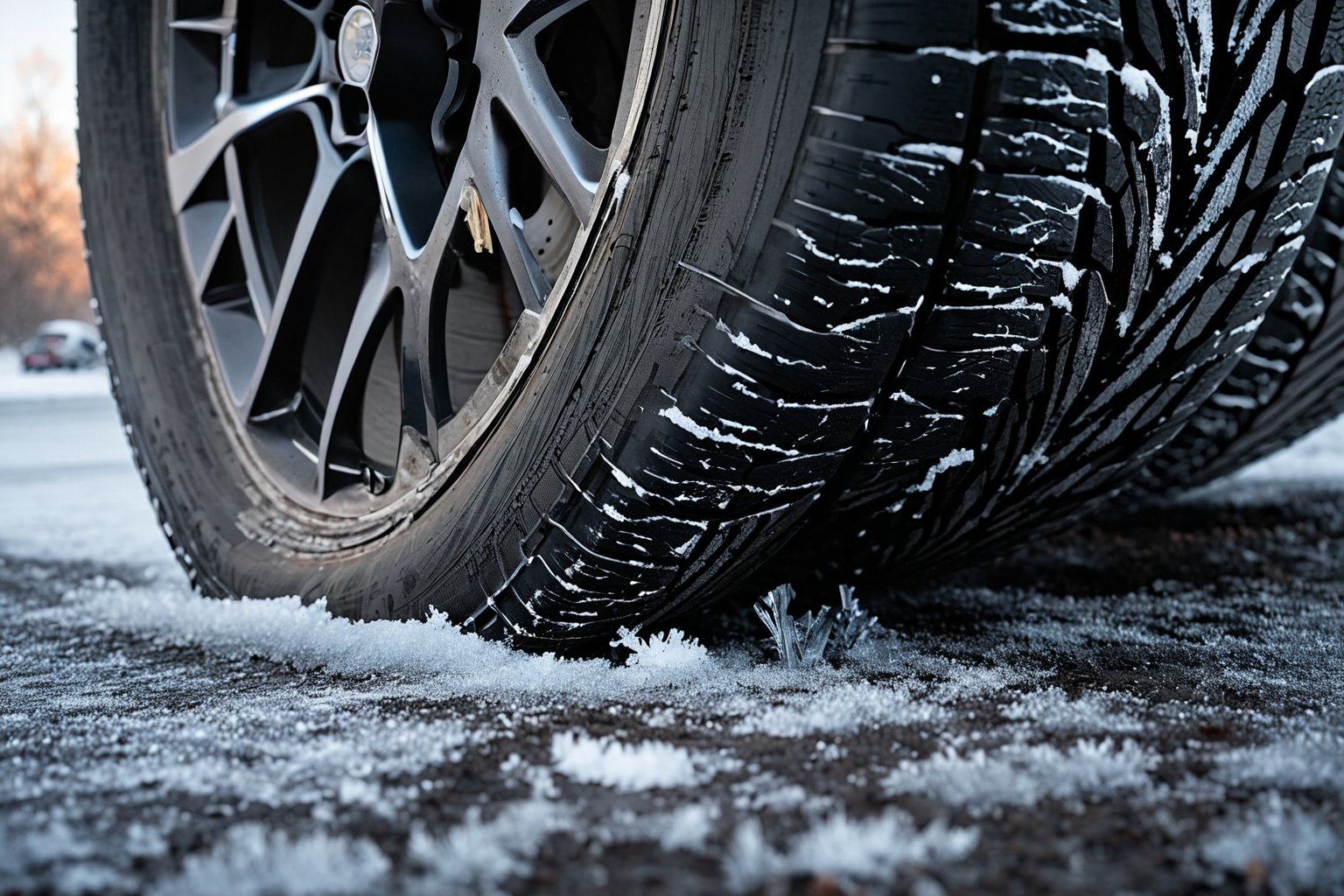
Another seasonal adjustment is to consider switching to winter-specific tires if you frequently drive in snowy or icy conditions. Winter tires are designed to maintain flexibility in cold temperatures, which improves traction and handling. Even if you don’t live in a place with heavy snowfall, the extra grip can be a game-changer on wet or icy roads, especially during early morning drives or late-night trips. Winter tires also tend to hold pressure better in cold weather, reducing the need for frequent adjustments. If you’re unsure whether to switch, test both sets of tires on a lightly snow-covered surface to compare the difference in handling and stopping power. The added safety and peace of mind are worth the investment for any driver who ventures off-road or through unpredictable winter weather.
For those who use their vehicles for recreational driving, whether it’s weekend getaways, trail adventures, or long-distance road trips, seasonal adjustments are even more important. Before heading out, ensure your tires are in optimal condition by checking for uneven wear, which can indicate alignment or suspension issues. Uneven wear not only reduces tire life but also affects handling, making it harder to navigate rough terrain or sudden weather changes. If you notice bald spots or irregular tread patterns, have your vehicle inspected by a professional to address the underlying causes. This proactive approach ensures your tires are ready for the challenges of your next adventure, whether it’s a scenic coastal drive or a rugged mountain pass.
Long-Term Solutions for Tire Pressure Stability
The most effective way to manage the cold-induced pressure drop is to adopt a long-term strategy that combines regular maintenance with smart habits. Start by keeping a detailed log of your tire pressures, noting the date, temperature, and PSI levels. Over time, this log will help you identify patterns, such as when your tires tend to lose pressure most quickly, and adjust your maintenance schedule accordingly. For example, if you notice a significant drop during early morning checks, you might need to add air more frequently during those hours. This level of tracking turns tire maintenance from a reactive chore into a proactive part of your vehicle care routine.
Another long-term solution is to invest in high-quality tires designed for your specific driving needs. Tires with a higher load rating or reinforced sidewalls tend to hold pressure better in cold conditions, making them ideal for vehicles used for heavy loads or off-road adventures. For drivers who frequently travel with gear or equipment, this extra stability is crucial for maintaining control and safety. Additionally, consider using a tire sealant like Liquid Grip or TireSeal, which can temporarily repair small punctures and slow leaks. While these products aren’t a permanent fix, they can buy you time to reach a service center if you encounter a slow leak while on the road. For the occasional off-roader or weekend warrior, this can be a lifesaver during a remote trip.
Finally, don’t underestimate the value of professional inspections, especially if you’re dealing with persistent pressure issues. A tire shop can perform a thorough check for leaks, valve problems, or internal damage that might not be visible to the untrained eye. They can also rotate your tires and balance them to ensure even wear and pressure distribution. For drivers who rely on their vehicles for regular use, this level of care is essential for extending tire life and preventing costly repairs. Think of it as an investment in your safety and peace of mind, whether you’re cruising down a highway or tackling a backcountry trail. The small effort now can save you from bigger headaches, and more expensive fixes, down the road.

Ever since I bought my first used pickup truck, I’ve been obsessed with finding the perfect blend of off-road capability and weekend comfort. I spend my free time exploring state parks and tinkering with restoration projects in my garage. My writing focuses on how vehicles can enhance your lifestyle and outdoor adventures.