Choosing the best head unit for car audio is less about chasing the highest wattage numbers and more about understanding how your specific dashboard layout interacts with modern digital signal processing. Most drivers overthink the amplifier power while ignoring the fact that a poorly calibrated equalizer will ruin even the most expensive speaker system in under five minutes of use. The market in 2026 has shifted heavily toward integrated wireless connectivity, making the physical compatibility of your existing vehicle wiring harness a critical first step before you even look at screen sizes. You need to match the processor speed and memory capacity to the apps you actually run daily, not just the ones that look impressive in promotional material. This guide breaks down the internal mechanics of current receivers so you can identify which features are worth paying extra for and which are just marketing fluff designed to inflate the price tag.
Processor Architecture and Memory Constraints
The heart of any modern receiver is its central processing unit, and most budget models still rely on quad-core processors clocked at around 1.3 GHz. This hardware handles everything from rendering the user interface to decoding high-resolution audio files, so a sluggish chip creates noticeable lag when switching between navigation maps and music libraries. You should aim for a unit with at least 2 GB of RAM if you plan to use Apple CarPlay or Android Auto frequently, as these operating systems consume significant memory resources just to maintain their background processes. Insufficient memory causes the system to crash or freeze during long drives, which is far more frustrating than a minor cosmetic glitch in the interface design.
Storage capacity is another variable that manufacturers often bury in the technical specifications section of their product pages. A 16 GB internal storage limit might seem generous until you install a few large map updates and high-bitrate audio streams, filling up the available space within a month of regular use. Many premium units now include micro SD card slots that expand this limit to several terabytes, giving you room for offline maps and extensive music collections without relying on constant cloud synchronization. Check whether the specific model you are considering supports file formats like FLAC or ALAC, as standard MP3 compression loses subtle tonal details that matter in a quiet cabin.
Heat dissipation inside the dashboard creates unique challenges for processor performance during summer months when ambient temperatures spike above 90 degrees Fahrenheit. Some units throttle their processing speed to prevent thermal shutdown, which manifests as slower touch response times and delayed audio buffering while driving through heavy traffic. Look for models with passive cooling fins integrated into the metal chassis rather than plastic housings that trap heat against the sensitive electronic components. This physical design choice directly impacts the long-term reliability of your navigation and media playback systems over several years of daily commuting.
Screen Resolution and Touch Responsiveness
The display panel determines how readable your interface is in bright daylight conditions, a factor that trips up many buyers who test units only in dimly lit showrooms. A 7-inch screen with a resolution of 1024 x 600 pixels offers acceptable clarity, but it lacks the sharpness needed for detailed map labels when you are trying to find a specific street name quickly. Higher-end models use IPS panels with contrast ratios above 1000:1, which maintain legibility even when direct sunlight hits the glass at a low angle during morning commutes. The touch sensitivity must also register fast enough to prevent accidental taps while you are navigating through complex menu structures with one hand on the steering wheel.
Wireless integration has become the standard expectation for any receiver released after 2024, eliminating the need for physical USB cables that dangle from the center console. However, the implementation quality varies wildly between brands, with some units experiencing a five to ten second delay before the phone screen mirrors onto the dashboard display. This lag is noticeable when you are trying to start navigation before pulling out of a driveway, creating an unnecessary pause in your driving routine. Test the connection speed by measuring how long it takes for the system to recognize your device after you unlock your phone near the car.
The physical bezel thickness affects both the aesthetic integration with your dashboard and the structural rigidity of the installed unit. A slim bezel design fits better into modern dashboards with tight clearances, reducing the risk of the screen pressing against surrounding plastic trim pieces during temperature expansion cycles. You also want a tempered glass surface that resists fingerprints and minor scratches from keys or coins in your pocket, as these marks accumulate over time and reduce the visual appeal of the interface. The overall build quality should feel solid when you press on the corners, indicating a secure internal mounting bracket that will not rattle loose after thousands of miles of road vibration.
Audio Processing and DSP Capabilities
Most factory speakers are tuned to produce a flat response at low volumes but distort quickly when you turn the volume up for highway speeds. A receiver with built-in digital signal processing allows you to apply time alignment corrections that ensure bass, midrange, and treble frequencies arrive at your ears simultaneously from different speaker locations. This feature is particularly important in cars with widely separated front and rear speakers, where factory systems often produce a muffled soundstage that lacks definition. You can adjust the delay for each channel in milliseconds to create a centered audio image that makes music feel like it is coming from a single point in the cabin.
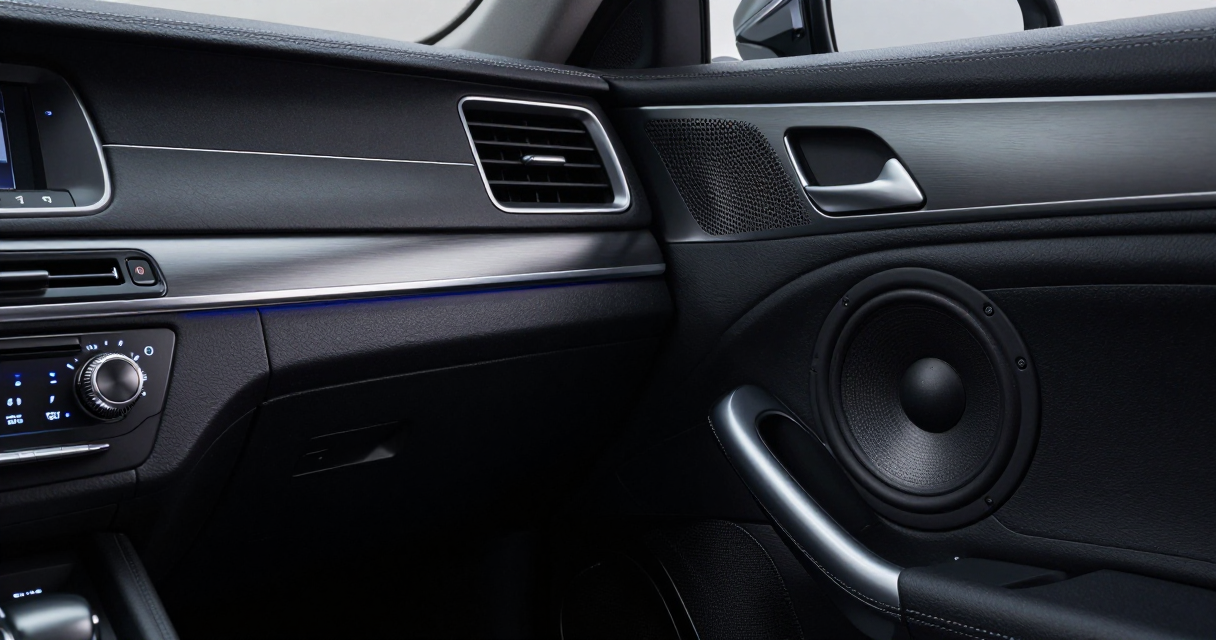
The number of equalizer bands matters more than the raw wattage output listed on the product box, as most drivers will never push their speakers into distortion territory. A 13-band parametric equalizer gives you precise control over specific frequency ranges, allowing you to boost the vocal presence without making the cymbals sound harsh or the bass sound boomy in a small sedan. Some units include a built-in subwoofer crossover that can be adjusted independently from the front speakers, giving you flexibility if you plan to add an external subwoofer later. This granular control lets you tailor the sound signature to match your personal preferences rather than accepting a one-size-fits-all factory setting.
Impedance matching between the receiver and your existing speakers is a technical detail that prevents damage to your amplifier output stage over time. Most aftermarket receivers are designed to drive 4-ohm or 2-ohm loads safely, but older vehicles often have 6-ohm speakers that require careful gain adjustment to avoid overheating. If you plan to keep your factory amplifiers, make sure the receiver has line-out levels that can be calibrated to prevent clipping at high volume settings. This compatibility check saves you from having to replace your entire speaker system just because the new receiver cannot drive the existing components efficiently.
Connectivity Standards and Antenna Placement
Bluetooth version 5.3 or higher ensures a stable connection for hands-free calling and audio streaming without the frequent dropouts that plagued older 4.2 implementations. The range of the built-in antenna matters when you are sitting in the back seat of an SUV, as the signal strength degrades significantly if the receiver is mounted far from the rear cabin area. Some units include external antenna connectors that let you relocate the radio frequency hardware to a better position on the dashboard for improved signal coverage throughout the vehicle. This flexibility is crucial for larger vehicles where the distance between the front and rear seats exceeds six feet.
Wi-Fi hotspot capabilities allow multiple passengers to stream their own media content simultaneously without relying on a single Bluetooth connection that can only handle one audio source at a time. The processing power required to maintain a stable Wi-Fi network while also running navigation software is substantial, so you need a unit with a dedicated co-processor to handle these tasks in parallel. If your primary use case involves long road trips with several passengers listening to different playlists, prioritize units that advertise multi-device streaming support in their specifications. This feature transforms the car into a mobile entertainment hub where everyone can control their own audio experience independently.
USB port speed and power delivery are often overlooked, yet they determine how quickly you can charge your devices while accessing media files stored on external drives. A USB 3.0 port transfers data at speeds up to five times faster than a standard 2.0 connection, which matters when you are loading large video files for rear-seat entertainment systems. The power output should be at least 10 watts to fast-charge modern smartphones while the engine is off, preventing battery drain during short stops at rest areas or gas stations. Check whether the unit supports simultaneous data and charging functions on the same port, as some budget models disable data transfer when a device is actively charging.
Dash Mount Compatibility and Wiring Harnesses
The physical dimensions of your dashboard opening must match the standard DIN size of the receiver you intend to install, as most aftermarket units come in either single or double DIN configurations. A mismatched size forces you to buy an expensive adapter bracket that may not align perfectly with your existing trim pieces, leaving visible gaps around the edges of the screen. Measure the exact width and height of your current radio slot before purchasing anything, because even a quarter-inch difference can prevent a proper fitment without modifying the surrounding plastic. The depth of the unit inside the dashboard is also critical, as some models protrude further back than others and may interfere with the steering column or airbag components.
The wiring harness compatibility determines whether you can install the unit yourself in an afternoon or need to hire a professional installer who charges by the hour. Most manufacturers sell vehicle-specific adapters that map the factory wire colors to the standardized pins on the new receiver, simplifying the connection process significantly. You still need to verify that your vehicle has a constant 12-volt power source for memory retention and an accessory wire that only provides power when the ignition is on. Incorrect wiring can cause the radio to stay on after you turn off the engine, draining your battery overnight and leaving you stranded with a dead car in the morning.
The antenna connection type varies between vehicles, with some using standard RCA plugs and others requiring proprietary connectors that need an adapter for aftermarket compatibility. If your factory system uses a digital antenna signal, you may need an additional converter box to translate that data into an analog format that a standard receiver can process. This extra component adds cost and complexity to the installation, so check your vehicle manual or consult with an installer before finalizing your purchase decision. The ground wire connection must be stripped of paint and attached to bare metal on the vehicle chassis to ensure a low-impedance path for electrical current.
Budget Allocation and Feature Prioritization
Spending more than 30% of your total audio budget on the receiver leaves you with insufficient funds for quality speakers and an amplifier that actually drives them effectively. A mid-range receiver with excellent DSP capabilities will outperform a premium unit paired with cheap speakers that have a narrow frequency response range. Allocate at least half of your total budget to speaker upgrades if your current system is more than five years old, as the physical limitations of aged drivers cannot be fixed by electronics alone. The marginal improvement in sound quality from moving from a $300 receiver to a $600 model is often less noticeable than swapping out two sets of poor-quality factory doors speakers.
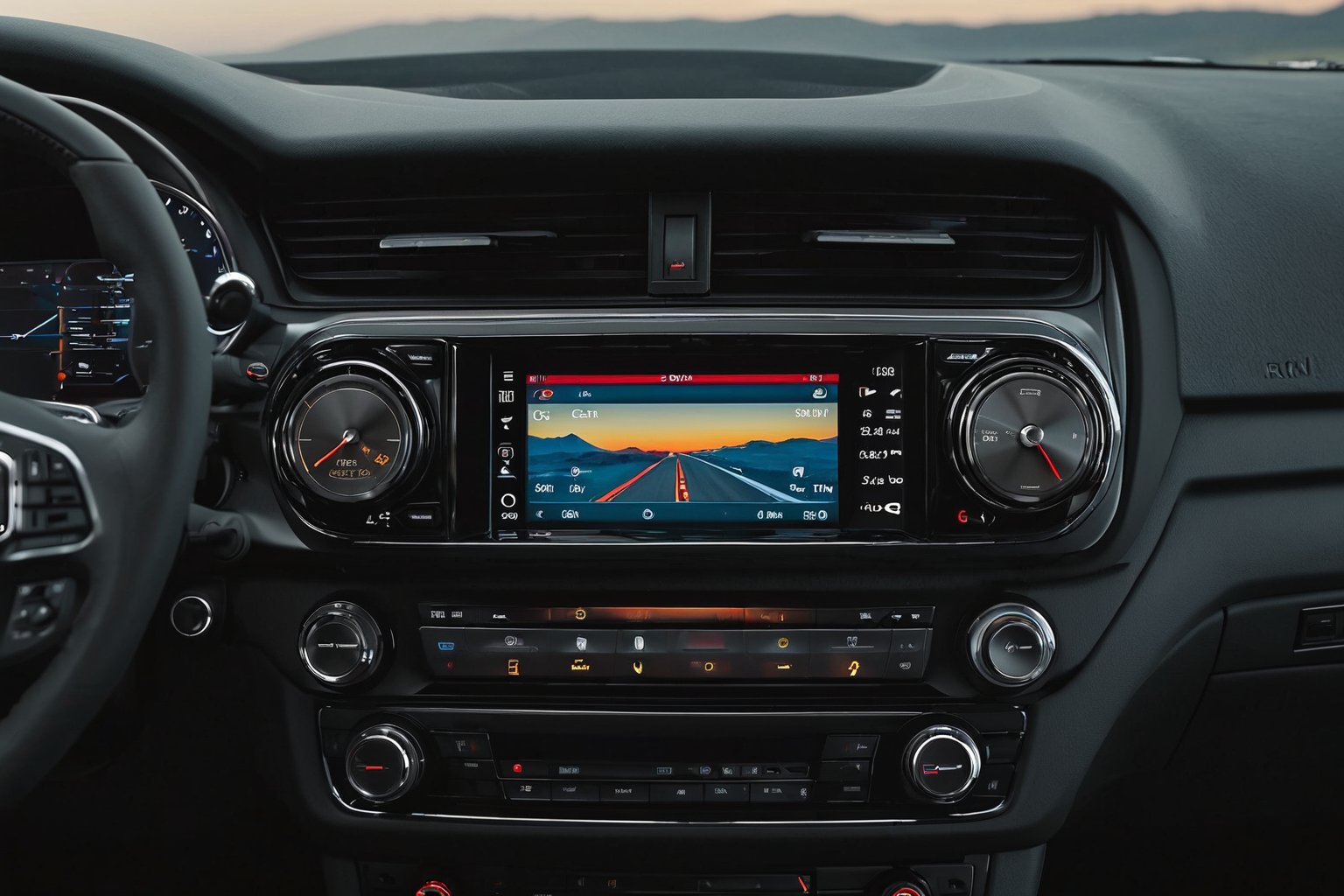
Future-proofing your purchase means choosing a unit that supports over-the-air software updates, allowing the manufacturer to fix bugs and add new features without requiring a physical visit to a shop. This capability extends the useful life of your hardware by several years, protecting your investment against rapid changes in connectivity standards and app requirements. Verify that the specific brand you are considering has a track record of releasing stable updates for their previous product lines before committing to a purchase. A receiver that works perfectly on day one but receives no software support after six months is a poor long-term choice compared to a slightly more expensive unit with active developer support.
The resale value of your vehicle can be influenced by the quality of the installed audio system, as buyers often look for modern connectivity features as a sign of overall vehicle maintenance. A clean installation with no visible wires or mismatched trim pieces adds perceived value that is hard to quantify but easy for potential buyers to notice during a test drive. Avoid cheap no-name brands that lack warranty support, as a failed unit within the first year can cost more in replacement parts than the savings you gained from buying the cheaper option initially. Prioritize reliability and long-term software support over flashy features that you may not use regularly in your daily driving routine.
Installation Challenges and Long Term Reliability
Heat exposure in the engine bay or near the firewall can degrade the lifespan of electronic components if the unit is mounted too close to hot surfaces. Most manufacturers specify a maximum operating temperature of 104 degrees Fahrenheit, but sustained exposure to higher temperatures during summer months can cause capacitor failure and eventual system shutdown. Ensure proper ventilation around the back of the receiver by not stuffing excess wiring into the mounting slot, which blocks airflow and traps heat against the sensitive circuitry. A small gap behind the unit allows air circulation that keeps the internal temperature within safe operating limits over several years of use.
Vibration resistance is a critical factor in how well the unit stays secured to your dashboard over thousands of miles of driving on rough roads. The mounting screws must be torqued to the manufacturer specified tightness to prevent loosening over time, which can cause the unit to shift and stress the solder joints on the circuit board. If you notice any rattling sounds coming from behind the dash after a few months, tighten the screws immediately before the vibration causes permanent damage to the internal components. Regular inspection of the mounting hardware every six months is a simple maintenance task that prevents costly repairs down the road.
Firmware stability determines how often you need to restart the unit after crashes or freezes, a frustration that varies significantly between different manufacturers and software versions. Some brands release updates every few months that fix specific bugs related to Bluetooth pairing or navigation rendering, while others leave their software unchanged for years without addressing known issues. Read recent user reviews from owners of the exact model you are considering, as they will report real world problems that are not mentioned in the official product documentation. A stable operating system is more important than having the latest connectivity features if those features cause the entire unit to freeze during your commute.

Ever since I bought my first used pickup truck, I’ve been obsessed with finding the perfect blend of off-road capability and weekend comfort. I spend my free time exploring state parks and tinkering with restoration projects in my garage. My writing focuses on how vehicles can enhance your lifestyle and outdoor adventures.