When you slide behind the wheel of a classic cruiser or a modern weekend toy, the first thing that catches your eye is often the dashboard. But beneath that sleek panel lies the heart of your journey: the infotainment system for car. It is the bridge between the open road and your favorite playlists, podcasts, and navigation routes. Choosing the right one transforms a simple commute into an engaging hobby experience, whether you are cruising to a car show or heading out for a scenic drive in the countryside.
Screen Size and Resolution
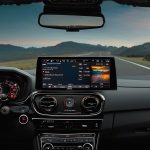
The first dimension to weigh is the visual canvas. A larger touchscreen does not always mean a better experience, especially in older vehicles where space is at a premium. For those restoring a vintage muscle car, a screen that is too massive can look absurd and swallow up precious dashboard real estate. Conversely, a tiny display can be frustrating to navigate while driving, forcing you to take your eyes off the road longer than is safe. Ideal setups often sit between seven and nine inches, offering a balance between visibility and proportion. Resolution matters just as much as size; a high-definition panel ensures that maps are crisp and album art pops, rather than looking pixelated and dull. When comparing options, consider how the screen looks in direct sunlight, as glare can turn a beautiful interface into a washed-out mess, ruining the hobbyist’s pride in a well-curated setup.
Beyond pure numbers, the technology behind the panel impacts daily use. Capacitive touchscreens, common in newer units, respond to the lightest touch and support multi-finger gestures, much like a smartphone. Resistive screens, older but still found in budget units, require pressure and can be less responsive, especially if you are wearing gloves on a chilly morning. For the hobbyist who spends weekends under the hood, the durability of the glass is also a factor; scratch-resistant coatings keep the unit looking fresh after years of showing the car at meets. Ultimately, the screen is your primary point of interaction, so it must feel intuitive and robust enough to handle the bumps and vibrations of a life spent on the road.
Connectivity and Compatibility
How the system talks to your devices is the next critical dimension. The modern hobbyist expects seamless integration with smartphones, but the path to get there varies. Wireless Apple CarPlay and Android Auto are the gold standard for many, eliminating the clutter of cables that can snag or degrade over time. However, not all wireless adapters are created equal; some suffer from lag or drop connections when the signal is weak, turning a smooth track change into a fumble with buttons. If you are the type who likes to switch between an iPhone for music and an Android for navigation, ensure the head unit supports both natively, or be prepared to carry a physical cable as a backup. The reliability of the connection often dictates how much you actually use the features, making it a make-or-break factor for daily enjoyment.
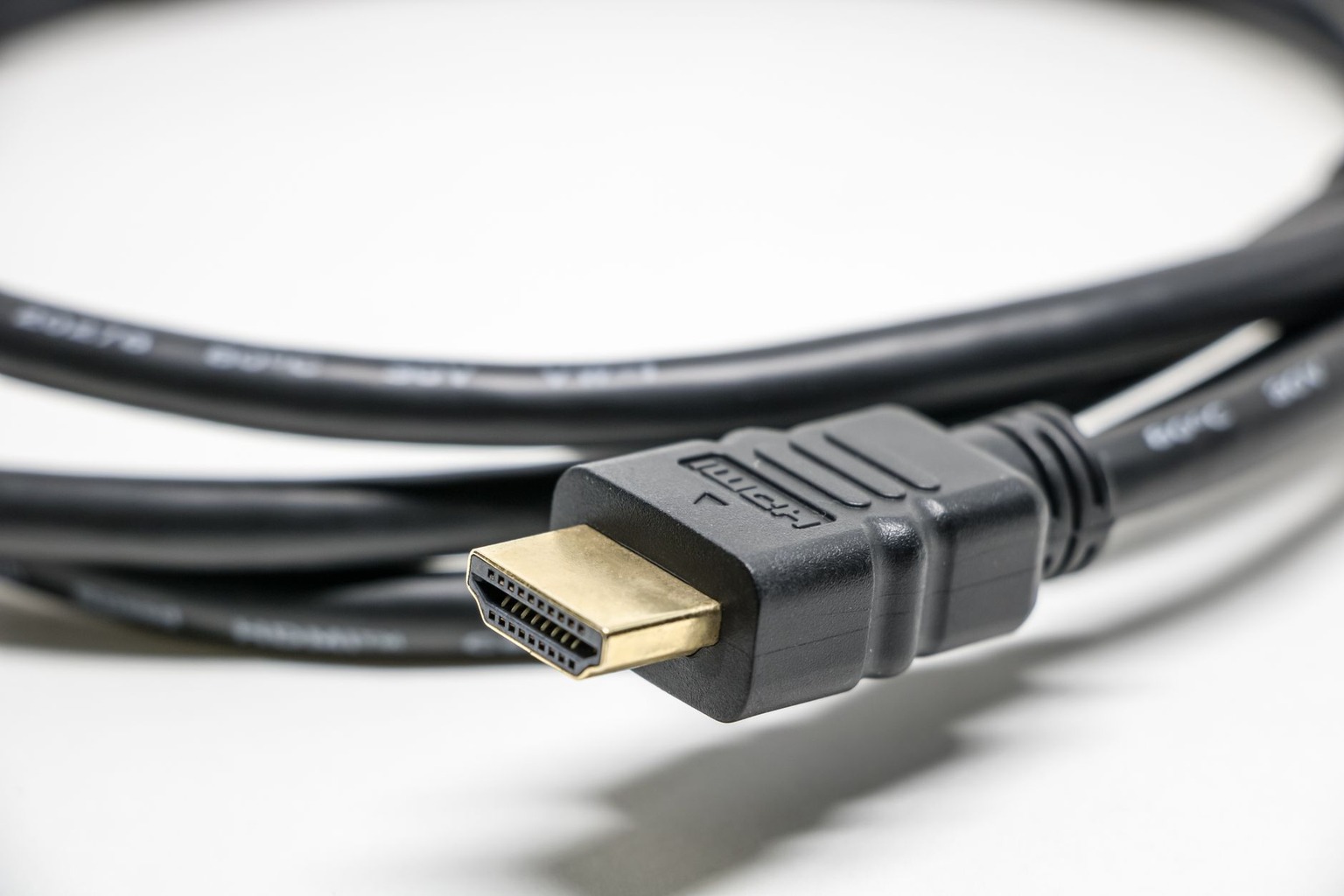
Compatibility extends beyond just the phone operating system. If you have a collection of USB drives filled with high-resolution audio files or vintage MP3s from old road trips, you need a unit with a robust media player that recognizes folder structures without crashing. Some units even support satellite radio or DAB+, expanding your hobby’s audio horizons beyond local FM static. For the true enthusiast, the ability to browse a massive library of tracks via a connected device while keeping the eyes on the horizon is non-negotiable. Check the supported file formats too; some systems choke on high-bitrate FLAC files, while others handle them with ease, preserving the fidelity of your carefully curated playlists.
User Interface and Operating System
The software driving the hardware is where many buyers stumble. A beautiful screen is useless if the menu navigation feels clunky or outdated. Operating systems like Google Automotive, which is becoming more prevalent, offer a familiar Google Maps interface and voice commands, but they often lock out certain customization options that gearheads appreciate. On the other hand, standalone aftermarket units running on Linux or Windows-based platforms offer deeper tweaking potential. You can often install custom launchers, change the skin to match your car’s interior, or even add widgets for boost gauges and lap timers if you track your hobby on weekends. The learning curve can be steep, but the payoff is a system that feels like it was built specifically for your passion, not just a generic commuter appliance.
Menu responsiveness is a subtle yet vital aspect. There is nothing more annoying than tapping an icon and waiting three seconds for the system to catch up, especially when you are trying to change a song during a overtake. Look for units with fast boot times and smooth animations. The layout of icons should be logical; placing the phone button right next to the navigation button might seem convenient, but accidental presses can lead to frustrating detours. A well-designed interface respects the driver’s time and keeps the focus on the hobby of driving, whether that means navigating to a remote trailhead or simply finding the nearest coffee shop for a break.
Audio Quality and Output Options
For many in the hobby, the car is a rolling sound system, and the infotainment unit is the conductor. Audio output quality varies wildly between budget Chinese imports and premium European or Japanese units. Look for preamp outputs if you plan to upgrade your speakers or add a subwoofer to your trunk. A good rule of thumb is to seek units with at least four voltage preouts, allowing you to run separate channels to front and rear speakers, or even bi-amp your setup. Built-in amplifiers are convenient, but they often clip at high volumes, distorting the music you love. If you are running a system with separate amplifiers, a head unit with preamp outputs gives you the clean signal path needed for true high-fidelity sound.
For a great breakdown of this topic, check out this beginner’s guide to car audio upgrades by Breakers Stereo & Performance right here.
Equalization controls also play a huge role in tailoring the sound to your taste. A ten-band graphic EQ allows you to boost the mids for vocal clarity or cut the bass to prevent rattling in old door panels. Some enthusiasts love to fine-tune the soundstage, creating an illusion that the musicians are sitting in the front seat with you, rather than buried in the metal. Bass management features, such as subwoofer level control and crossover frequencies, ensure that low frequencies are directed where they do the most good. When you are spending hours polishing your engine bay or detailing the exterior, having a rich, clean soundtrack playing in the background elevates the entire hobby experience from a chore to a ritual.
Installation and Physical Fitment
No matter how feature-packed a system is, if it does not fit your dashboard, it is useless. Physical dimensions are the first hurdle. Many classic cars came with radios that are significantly smaller than modern standards, requiring custom trim rings or fascia panels to make a new unit look factory-installed. Conversely, some modern sedans have massive openings that leave gaping holes if you install a smaller aftermarket deck. Measuring the DIN size, the standard height and width, is essential before ordering. A double-DIN unit offers more space for features but demands more dashboard real estate, while a single-DIN fits almost anywhere but crams the controls into a smaller space. The right choice depends entirely on your specific vehicle’s architecture.
Wiring complexity is the second piece of the fitment puzzle. Swapping a head unit often involves more than just plugging in a power cable. You may need a wiring harness adapter to maintain factory features like steering wheel controls, backup cameras, or factory amplifiers. For the hobbyist who values originality, preserving the ability to use the stock steering wheel buttons is a major plus. Some units offer “retainer” modules that translate modern touch commands into signals the old steering wheel can understand. Additionally, antenna integration is often overlooked; ensuring the new unit can pick up FM/AM signals, or has a strong Bluetooth antenna for phone calls, prevents the frustration of static-filled radio during a long drive to the next meet.
Security and Firmware Updates
In an age where cars are essentially computers on wheels, security is a dimension that cannot be ignored. Infotainment systems are prime targets for malware, as highlighted by recent security research. A compromised system can lead to data theft or, in worst-case scenarios, affect vehicle functions. When selecting a unit, investigate the manufacturer’s track record for pushing firmware updates. A company that actively patches security vulnerabilities shows they take the safety of your hobby investment seriously. Units that rely on outdated Android versions or have not been updated in years pose a risk, especially if you frequently connect your personal phone, which may carry its own security risks.
Beyond malware, consider the privacy implications of the data the system collects. Some units track your driving habits, location history, and even voice commands, sending that data back to the manufacturer. If you are the type who values privacy while tinkering with your car in the garage, look for units with robust privacy settings or the ability to disable data collection entirely. Some aftermarket heads allow you to opt-out of telemetry, giving you control over what information leaves the dashboard. For the security-conscious enthusiast, this peace of mind is just as important as a crisp touchscreen or a powerful amplifier, ensuring that your passion for cars doesn’t come at the cost of your personal digital safety.

Ever since I bought my first used pickup truck, I’ve been obsessed with finding the perfect blend of off-road capability and weekend comfort. I spend my free time exploring state parks and tinkering with restoration projects in my garage. My writing focuses on how vehicles can enhance your lifestyle and outdoor adventures.