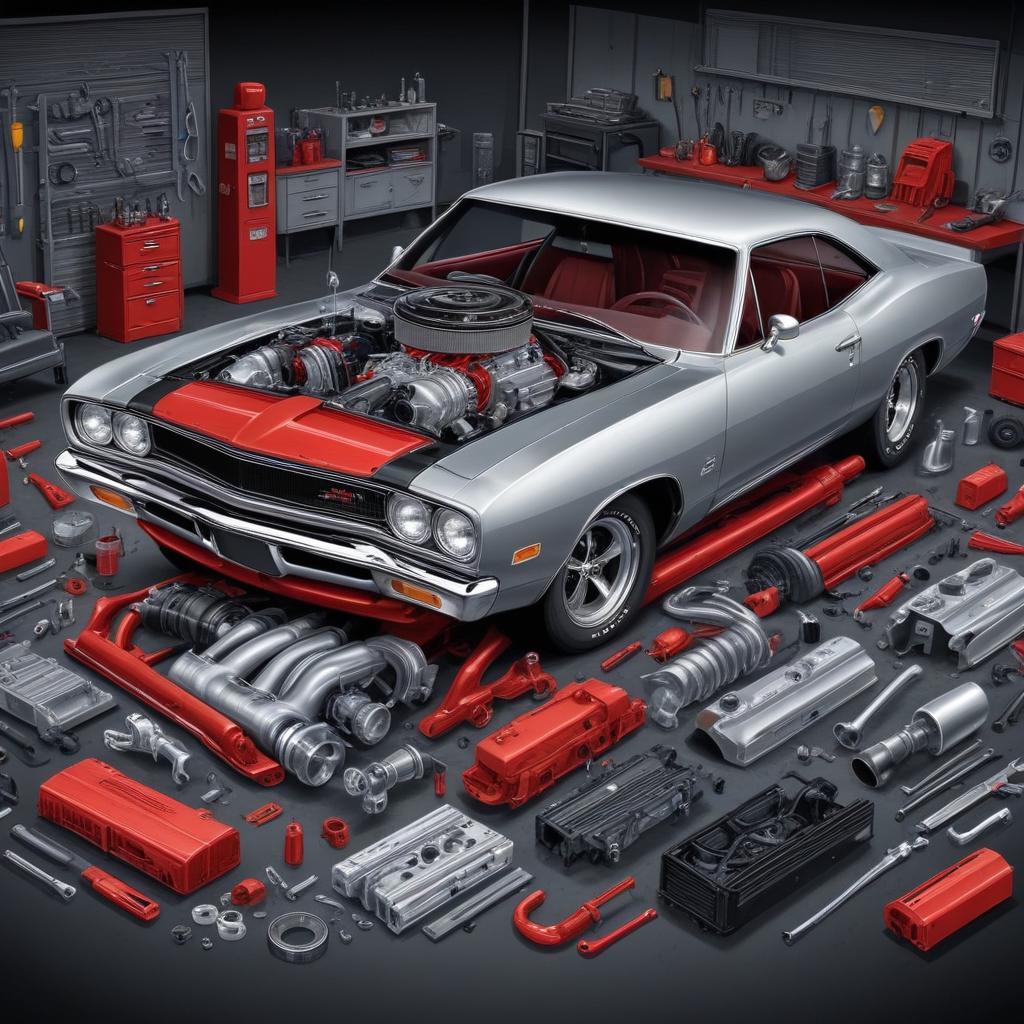
Understanding Plymouth GTX and Its Parts
The Plymouth GTX is an iconic muscle car that made a significant mark in the late 1960s and early 1970s automotive scene. Known for its powerful engine options and aggressive styling, it has since become a prized possession for car enthusiasts and collectors. The combination of performance and style made the Plymouth GTX an emblem of American muscle car culture, and it continues to captivate fans of classic cars to this day.
When it comes to classic car restoration, particularly with a model as esteemed as the Plymouth GTX, the importance of using original parts cannot be overstated. Restorers and collectors alike understand that original parts preserve the authenticity and value of the vehicle. These classic car parts ensure that the car maintains its factory specifications, which is crucial for both historical accuracy and performance integrity.
Finding original Plymouth GTX parts can be challenging but rewarding. The rarity of these parts adds to the car’s uniqueness and is often the key factor that separates a genuine restoration from a mere refurbishing. Using authentic parts not only enhances the aesthetic appeal but also maintains the mechanical reliability that Plymouth originally engineered into the GTX.
In the world of car restoration, attention to detail is paramount. Enthusiasts dedicate considerable effort to sourcing original components, from engine parts to body panels and interior fittings. Each authentic piece contributes to the overall integrity of the restoration project, making the Plymouth GTX not just a restored vehicle but a genuine piece of automotive history. This dedication preserves the legacy of the Plymouth GTX for future generations of car lovers and collectors.
Overview of the Plymouth GTX Model
The Plymouth GTX, often celebrated as a quintessential muscle car, boasts a rich history rooted in the 1960s. Introduced by Plymouth in 1967 as a high-performance variant of the Belvedere, the GTX quickly earned its place among muscle car enthusiasts for its powerful engine options and aggressive styling. Production of the Plymouth GTX spanned from 1967 to 1971, encompassing four distinctive model years that combined performance with luxury features, a rare blend for muscle cars of that era.
Unique features of the Plymouth GTX include its signature “The Gentleman’s Muscle Car” branding, which highlighted its combination of raw power and upscale appointments like bucket seats, premium trim, and powerful V8 engines, notably the 440 CID Magnum and the legendary 426 HEMI available in select years. These engines and their related components contribute to the distinct parts and restoration challenges that enthusiasts face today.
The Plymouth GTX’s production years and specialized engine options greatly affect parts availability. Because it was produced for only a handful of years and featured specific performance parts that were not common across many Plymouth models, finding original parts can require dedicated searching through specialty suppliers and salvage yards. Its muscle car legacy, however, ensures a steady demand for reproduction parts and aftermarket upgrades, which can help keep these classic 1960s models on the road for decades to come.
Why Original Parts Matter
When restoring a Plymouth GTX, using original parts offers significant benefits over aftermarket alternatives. Authentic car parts, often referred to as OEM (Original Equipment Manufacturer) components, are designed and manufactured to meet the exact standards of the original vehicle. This ensures superior fit, finish, and performance, which are critical factors in maintaining the vehicle’s integrity and overall restoration quality.
One of the primary advantages of original parts is their unmatched quality. OEM parts undergo rigorous testing and quality control, which aftermarket parts may lack. This means that using original parts helps avoid issues like premature wear or improper fit that can arise with cheaper, non-authentic substitutes. Restorers aiming for precision and lasting results will find that original parts deliver the reliability needed for both daily driving and show-quality vehicles.
Beyond quality, original parts also help preserve the vehicle’s value. Collectors and enthusiasts highly value authenticity, and a Plymouth GTX restored with original parts is often worth more than one relying on aftermarket replacements. This authenticity reassures buyers that the vehicle remains true to its heritage, maintaining its historical and monetary appeal.
In conclusion, choosing original parts for your Plymouth GTX restoration ensures a balanced combination of superior quality, enhanced restoration quality, and preserved value. Investing in authentic car parts ultimately pays off by delivering a more genuine and durable restoration.
Where to Find Original Plymouth GTX Parts
Finding genuine Plymouth GTX parts is essential for classic car enthusiasts who want to maintain authenticity and performance. Sourcing original Plymouth GTX parts can be a rewarding yet challenging process, but several trusted avenues can help you in your quest.
First, consider specialized classic car parts vendors who focus on Mopar and Plymouth components. These suppliers often have extensive inventories of OEM car parts, including rare and discontinued items specifically for Plymouth GTX models. Connecting with such vendors ensures that the parts you receive meet the original manufacturing standards, preserving the integrity of your vehicle.
Another excellent source is online marketplaces dedicated to classic car restoration. Websites that specialize in vintage and muscle car parts typically list a variety of Plymouth GTX parts sourced directly from other enthusiasts or professional sellers. These platforms often provide detailed descriptions and authenticity guarantees to help you identify proper OEM car parts effortlessly.
Attending car shows and classic car events is also an invaluable way to locate original Plymouth GTX parts. These venues not only allow you to network with experienced collectors but often feature vendors and swap meets where rare parts become available. Such events are ideal for finding hard-to-locate authentic components and getting expert advice on sourcing Plymouth GTX parts.
Don’t overlook salvage yards and restoration shops that specialize in classic American muscle cars. These places can be treasure troves for OEM car parts, including body panels, engine components, and interior pieces from Plymouth GTX models. Many salvage yards now maintain organized inventories and offer shipping, making it easier to acquire the exact parts needed.
Finally, joining online forums and clubs dedicated to Plymouth GTX owners can connect you with a community of enthusiasts who often trade or sell original Plymouth GTX parts. These connections offer insider knowledge about reputable sellers and sometimes exclusive listings of parts that may not appear on commercial marketplaces.
By exploring these trusted avenues—classic car parts vendors, specialized online marketplaces, car shows, salvage yards, and enthusiasts’ communities—you can successfully source authentic Plymouth GTX parts and keep your classic car as close to its original glory as possible.
Authorized Dealers and Classic Car Part Suppliers
When restoring or maintaining a Plymouth GTX, sourcing authentic parts is crucial for preserving its originality and performance. Authorized dealers play a vital role in providing genuine OEM parts, ensuring that the components meet factory specifications. These dealers often have direct access to manufacturer inventories or exclusive networks that stock authentic Plymouth GTX parts, making them reliable sources for enthusiasts seeking authenticity.
In addition to authorized dealers, specialty classic car parts suppliers focus exclusively on vintage and muscle car models like the Plymouth GTX. These suppliers source, refurbish, and sometimes manufacture rare parts that are no longer readily available through standard channels. Their extensive knowledge and commitment to quality make them indispensable for finding hard-to-locate components.
- Authorized Dealers: Provide access to genuine OEM parts backed by Plymouth’s quality assurance, supporting authenticity and compatibility for all restoration projects.
- Classic Car Parts Suppliers: Specialize in sourcing rare, used, and reproduction parts, offering a wide range of components tailored specifically for classic cars including the Plymouth GTX.
- OEM Parts Suppliers: Focus on original equipment manufacturer parts that guarantee the same fit, finish, and durability as the parts used during the car’s production era.
By working with authorized dealers and trusted classic car parts suppliers, Plymouth GTX owners can ensure their restoration projects maintain the highest standards of authenticity and performance, preserving the legacy of this iconic muscle car.
Online Marketplaces and Forums
Finding original Plymouth GTX parts online can be highly effective when using online car parts marketplaces, auction sites, and classic car forums. These platforms offer access to a vast array of components that might otherwise be difficult to locate locally. Enthusiast forums, in particular, are valuable resources where members share leads, offer advice, and sometimes sell rare parts directly, making it easier to find authentic pieces tailored for your Plymouth GTX restoration project. Online marketplaces and auction sites also enable buyers to compare prices globally, increasing the chances of securing original parts at competitive rates.
However, purchasing Plymouth GTX parts online comes with certain risks. The authenticity of parts sold on auction sites or general marketplaces can sometimes be questionable, and there is always a chance of encountering counterfeit or reproduction items disguised as originals. Shipping costs and potential damage during transit are additional concerns when buying parts from distant sellers. Classic car forums, while typically reliable, may still host occasional listings from less credible sellers, so it’s crucial to verify the reputation of the seller and request detailed photos or documentation before committing to a purchase. Despite these risks, online avenues remain an essential tool for enthusiasts seeking original Plymouth GTX parts online.
Salvage Yards and Car Shows
One of the best ways to locate used original parts for your Plymouth GTX is by visiting salvage yards and classic car shows. Salvage yards often have a treasure trove of parts from a variety of vehicles, including original components that are no longer produced. When hunting for parts here, it’s essential to have a clear idea of what you need and to inspect parts carefully to ensure quality and authenticity. Look for any signs of damage, rust, or wear that could affect performance or fitment.
Car shows focused on classic vehicles are another excellent resource for finding original parts. Enthusiasts and vendors at these events often sell or trade parts that are hard to find elsewhere, including rare and original pieces specific to the Plymouth GTX. Engaging with other classic car owners can provide valuable insights and leads for sourcing parts. Always ask about the history of the parts and request to examine them thoroughly before purchase.
When examining parts from salvage yards or car shows, check for markings or stamps confirming their originality. It’s also wise to compare the parts with reference images or manuals to avoid counterfeit items. By combining careful inspection with these sources, you can successfully acquire quality used original parts that preserve the authenticity and performance of your Plymouth GTX.
Tips for Verifying and Maintaining Original Plymouth GTX Parts
When it comes to classic car maintenance, especially for a prized model like the Plymouth GTX, ensuring the authenticity of parts is crucial. Parts verification not only preserves the car’s originality but also significantly affects its value. One of the first steps in authenticating Plymouth GTX parts is to look for manufacturer stamps or part numbers. These identifiers are often etched or stamped onto the parts and can be cross-referenced with official Plymouth documentation or trusted restoration guides.
Another reliable method to verify authentic Plymouth parts is to consult with specialist clubs or online forums dedicated to classic Plymouth vehicles. Enthusiasts and experts in these communities can offer insights and help identify genuine parts based on visual details, such as specific casting marks, finishes, and construction techniques unique to the era and model. Additionally, sourcing parts from reputable dealers who specialize in original Plymouth GTX components increases the likelihood of obtaining genuine items.
Proper maintenance of authentic Plymouth parts is equally important to ensure their longevity and to retain the car’s overall value. Regular cleaning using non-abrasive materials helps protect surfaces from corrosion and wear. For metal parts, applying a suitable protective coating or automotive wax can prevent rust and environmental damage. Mechanical components, such as the engine and suspension parts, should be lubricated as per manufacturer recommendations to maintain optimal performance and avoid premature failure.
Storage conditions also play a critical role in preserving classic car parts. Keep the Plymouth GTX in a dry, climate-controlled environment to minimize moisture accumulation, which can lead to rust and deterioration. Using covers that allow air circulation prevents condensation buildup on parts and paintwork. When dealing with electrical components, periodically checking connections for corrosion and ensuring they are clean and tight will uphold their reliability.
In summary, effective parts verification combined with diligent classic car maintenance ensures that your Plymouth GTX remains authentic and in top condition. By trusting verified original parts and following maintenance best practices, owners can enjoy their vehicle’s performance and appearance while safeguarding its historical and monetary value for years to come.
Identifying Authentic Plymouth GTX Parts
When it comes to parts identification for your Plymouth GTX, distinguishing between original and aftermarket components is crucial for maintaining the car’s integrity and value. One of the primary techniques to verify authentic parts is by carefully examining the OEM markings. These manufacturer markings, often found stamped, etched, or molded onto parts, provide vital clues about their origin. Common areas to check include the engine block, transmission, and body panels, where you may find part numbers, logos, or other unique identifiers directly linked to Plymouth or its original suppliers.
Another effective method is to look for serial numbers or batch codes that match production records. Original parts typically have consistent, clearly stamped serial numbers that correspond with official manufacturing data. These numbers can often be cross-referenced with Plymouth’s archives or verified through expert forums and specialist clubs dedicated to GTX restoration. In contrast, aftermarket parts may lack these definitive identifiers or have lower-quality, inconsistent markings.
Additionally, authentic parts generally exhibit superior craftsmanship and materials compared to their aftermarket counterparts. Paying attention to details such as weight, finish, and machining quality can further aid in authenticating parts. Using these combined techniques — spotting OEM markings, verifying serial numbers, and assessing quality — will ensure you are investing in genuine Plymouth GTX components, preserving both the performance and legacy of your iconic vehicle.
Maintaining and Storing Original Parts
Proper parts maintenance is essential for preserving the value and functionality of original parts in your classic Plymouth GTX. Begin by carefully cleaning parts using gentle, non-abrasive cleaners to avoid damaging finishes or surfaces. Avoid harsh chemicals that can degrade metal, rubber, or plastic components. After cleaning, thoroughly dry each part to prevent rust and corrosion from moisture.
When it comes to storage tips, keep parts in a climate-controlled environment, ideally with low humidity to prevent rust and deterioration. Store metal parts off the ground on shelves or padded surfaces to avoid moisture accumulation and physical damage. Label parts clearly and keep related components together to simplify future restoration or repairs.
Wrapping delicate parts in acid-free paper or bubble wrap adds an extra layer of protection, especially for fragile trim pieces and glass. Avoid direct exposure to sunlight or extreme temperature fluctuations which can cause warping or fading. Regularly inspect stored parts for signs of degradation and address any issues promptly to maintain their condition.
Overall, consistent care and controlled storage environments are key to classic car care, ensuring your original Plymouth GTX parts remain in excellent condition and ready for use when needed.

Ever since I bought my first used pickup truck, I’ve been obsessed with finding the perfect blend of off-road capability and weekend comfort. I spend my free time exploring state parks and tinkering with restoration projects in my garage. My writing focuses on how vehicles can enhance your lifestyle and outdoor adventures.