

The Plymouth GTX exemplifies the muscle car lifestyle, having captured the hearts of automotive enthusiasts since its 1960s debut. Known for its powerful performance and distinctive styling, the GTX remains a popular choice for restoration and tuning projects. Among the various aspects of vehicle enhancement, suspension tuning plays a critical role in optimizing both performance and ride quality. This article delves into the intricacies of suspension tuning specifically for the Plymouth GTX, providing insights for both novice and experienced car enthusiasts looking to enhance their ride.
Understanding the Basics of Suspension Tuning
Suspension tuning involves adjusting the various components of a vehicle’s suspension system to improve handling, ride comfort, and overall performance. For the Plymouth GTX, this process can significantly impact how the car feels on the road or track. A well-tuned suspension can enhance cornering capabilities, reduce body roll, and provide a smoother ride. Key elements to consider include spring rates, shock absorber settings, and alignment angles, all of which work together to create a balanced driving experience.
In the case of the GTX, the original suspension setup typically includes a combination of leaf springs in the rear and torsion bars in the front. Upgrading or tuning these components allows for greater adjustability. For example, adjustable coilovers can replace stock components, providing the flexibility to set ride height and damping levels to suit specific driving preferences or conditions.
Choosing the Right Springs for Your GTX
One of the first steps in suspension tuning is selecting the appropriate springs. The choice between stock replacement springs and aftermarket options can profoundly affect handling characteristics. Aftermarket springs often come with stiffer rates, which can improve cornering performance but may sacrifice some ride comfort. For those who prioritize performance, lowering springs can be an excellent option, lowering the center of gravity and enhancing the vehicle’s responsiveness.
For the Plymouth GTX, the maintenance guide emphasizes considering the intended use of the vehicle. If the car will primarily be used for daily driving, a moderate drop with a balanced spring rate might be ideal. Conversely, if the GTX is destined for track days or spirited driving, stiffer springs can provide the necessary support for aggressive cornering and handling.
Shock Absorbers: The Heart of Suspension Tuning
Shock absorbers play a pivotal role in controlling the movement of the suspension system. They help manage the rebound and compression of the springs, directly influencing how the car handles bumps and turns. Upgrading to performance-oriented shocks can greatly enhance the driving dynamics of the Plymouth GTX. Options range from gas-charged shocks to adjustable models that allow drivers to fine-tune their settings based on driving conditions.
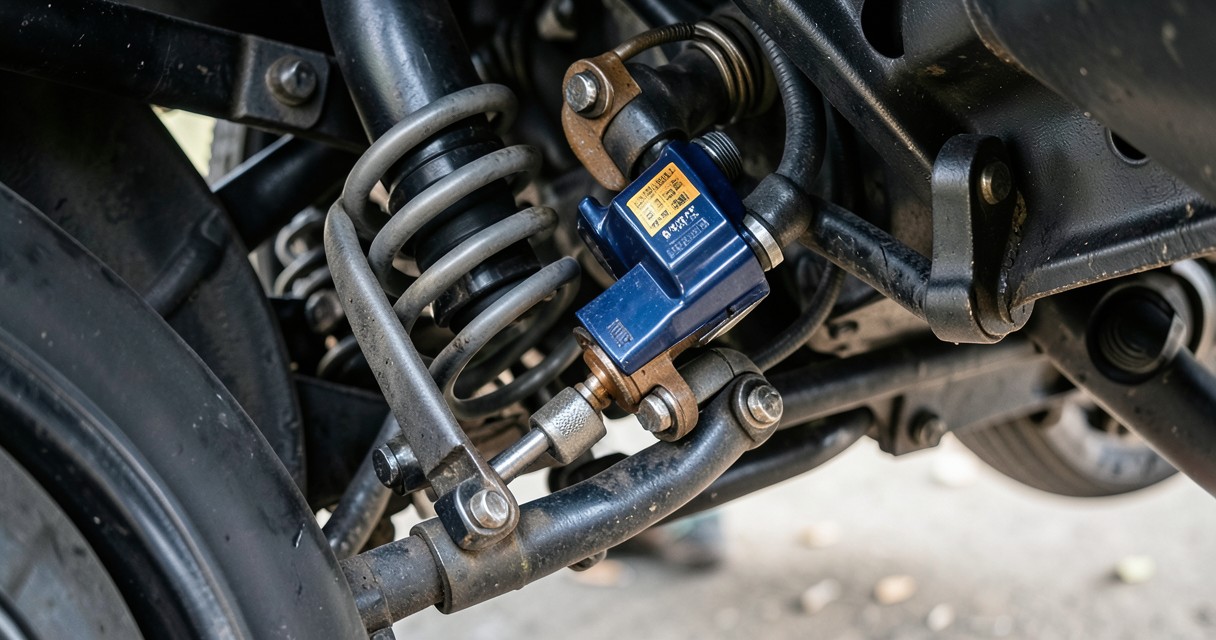
When selecting shock absorbers, consider the damping characteristics that best suit your driving style. For instance, if you prefer a firmer ride with minimal body roll, performance shocks with high compression and rebound rates may be the way to go. On the other hand, if comfort is a priority, look for shocks that offer a softer ride while still maintaining adequate control during spirited driving.
Alignment: Precision for Performance
Proper wheel alignment is crucial for ensuring that a vehicle handles correctly and wears tires evenly. For the Plymouth GTX, following restoration tips such as adjusting alignment settings can improve cornering performance and stability. The most common alignment settings to consider are camber, caster, and toe. Negative camber can enhance grip during cornering, while proper toe settings ensure that the wheels point straight ahead at all times, contributing to stability.
It’s advisable to have a professional alignment performed after making any suspension modifications, as even minor changes can significantly affect steering and handling. Many enthusiasts choose to go for a more aggressive alignment setup for track use while reverting to a more conservative setup for daily driving, striking a balance between performance and comfort.
Choosing the Right Tires for Enhanced Performance
Choosing the right rear axle options for your Plymouth GTX, along with appropriate tires, can dramatically affect suspension tuning effectiveness. High-performance tires designed for grip will complement a tuned suspension, providing the necessary traction during acceleration and cornering. When selecting tires, consider the type of driving you will be doing. For example, if you’re planning on taking your GTX to the track, slicks or semi-slicks may be a suitable option.
In addition to performance, it’s essential to consider tire size and profile, as these factors can influence ride quality and handling. A wider tire can provide more grip, but it may also cause increased road noise and a harsher ride. Striking the right balance between performance and comfort is vital for maximizing the overall driving experience.
Braking System Upgrades for Improved Control
While suspension tuning focuses primarily on handling, it’s equally important to ensure that your braking system can keep pace with your performance upgrades. The Plymouth GTX can benefit from brake upgrades, such as upgraded components that provide better stopping power and modulation. This may include larger rotors, high-performance calipers, and upgraded brake pads that can withstand higher temperatures without fading.

Investing in a quality brake system not only enhances safety but also complements the improved handling characteristics of a tuned suspension. A well-balanced suspension and handling setup, with upgraded brakes, can transform the Plymouth GTX into a formidable performer on both street and track.
Maintaining Your Tuned Suspension for Longevity
Once you’ve completed your suspension tuning, regular maintenance is crucial to ensure optimal performance and longevity. Components such as shocks and springs can wear out over time, leading to decreased performance. Regularly inspect these parts for signs of wear, such as leaks in shocks or sagging springs, and replace them as needed.
Additionally, consider re-evaluating your suspension setup periodically, especially if you change driving styles or conditions. Adjustments to ride height, damping settings, or alignment can keep your GTX performing at its best, adapting to your evolving driving preferences or new performance goals.

Ever since I bought my first used pickup truck, I’ve been obsessed with finding the perfect blend of off-road capability and weekend comfort. I spend my free time exploring state parks and tinkering with restoration projects in my garage. My writing focuses on how vehicles can enhance your lifestyle and outdoor adventures.