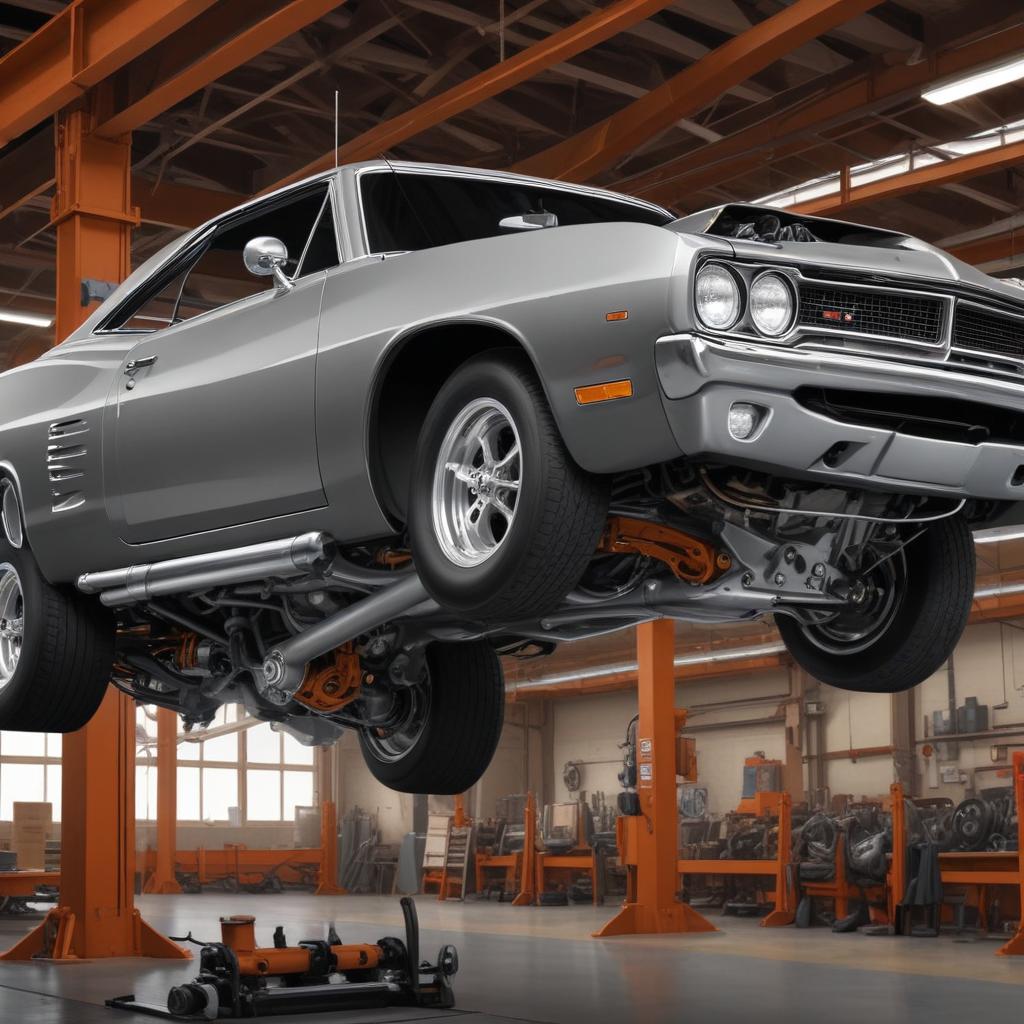
Overview of Plymouth GTX Suspension System
The Plymouth GTX, a revered name among classic muscle cars, boasts a suspension system designed to perfectly balance performance and ride quality. This suspension setup is not just a component; it is an integral part of what makes the Plymouth GTX stand out on both the street and the track. The system was engineered to handle the power and torque delivered by the GTX’s robust engine, while still providing drivers with a smooth and controlled driving experience.
The suspension system of the Plymouth GTX consists of a combination of heavy-duty front and rear components designed to absorb road shocks while maintaining optimal tire contact with the road surface. At the front, it typically features a torsion bar suspension, which provides resistance to twisting forces and enhances handling precision. Meanwhile, the rear employs a leaf spring suspension that supports the vehicle’s weight and absorbs impacts from uneven terrain. Together, these components ensure that the Plymouth GTX maintains stability during aggressive cornering and delivers a ride that is both firm and comfortable.
One of the key design purposes of the Plymouth GTX’s suspension system is to manage weight transfer effectively during acceleration, braking, and cornering. This management improves traction and control, allowing the car to perform confidently under various driving conditions. The suspension is tuned to reduce body roll and pitch, which are common in muscle cars due to their powerful engines and heavier frames. By minimizing these movements, the GTX’s suspension system contributes to a safer and more engaging driving experience.
Additionally, the suspension system plays a crucial role in enhancing ride quality. Classic muscle cars like the Plymouth GTX often face criticism for their stiff rides, but the GTX’s suspension strikes a notable balance. It absorbs road imperfections effectively, reducing vibrations and jolts that the driver and passengers feel. This thoughtful design ensures that long drives remain comfortable without compromising the aggressive performance characteristics that enthusiasts expect from a Plymouth GTX.
In summary, the Plymouth GTX suspension system is a finely tuned ensemble of components that blend durability, performance, and comfort. Its design and purpose extend beyond simple road handling to provide a riding experience that honors the muscle car legacy—a harmonious mix of power, control, and ride quality that continues to impress automotive aficionados.
Components of the Suspension System
The suspension system of the Plymouth GTX is comprised of several key components designed to optimize ride comfort, handling, and overall vehicle stability. Central to this system are the suspension components including springs, shocks, control arms, and bushings, each serving a vital function.
Springs play a crucial role in supporting the vehicle’s weight and absorbing road shocks. Typically coil springs in the GTX help to cushion the car from uneven surfaces, maintaining tire contact with the road which is essential for traction and control. Alongside springs, the shocks or shock absorbers control the motion of the springs by dampening their oscillation, preventing excessive bounce and improving ride smoothness. This balance between springs and shocks ensures the Plymouth GTX handles rough roads and corners with composure.
Control arms are a vital part of the suspension geometry, linking the wheels to the vehicle frame while allowing up and down movement. These arms help maintain proper alignment of the wheels during driving maneuvers, contributing significantly to handling precision. Bushings, the small but essential components made of rubber or polyurethane, are fitted where parts like control arms connect to the frame. They serve to absorb vibration, reduce noise, and allow limited movement for flexibility in the suspension, enhancing both ride comfort and durability.
Together, these suspension components—springs, shocks, control arms, and bushings—work in harmony to provide a balanced and responsive driving experience in the Plymouth GTX, making it a standout in suspension performance among classic muscle cars.
How the Suspension Affects Ride and Handling
The suspension setup of the Plymouth GTX plays a crucial role in delivering a balanced blend of ride quality and handling performance. It is engineered to absorb road imperfections, ensuring a smooth and comfortable ride even on rough surfaces. The carefully tuned springs and shock absorbers work together to minimize vibrations and jolts, which enhances overall ride comfort for both driver and passengers.
When it comes to handling, the suspension design significantly improves the Plymouth GTX’s responsiveness and stability during cornering and quick maneuvers. The combination of front and rear suspension components provides precise control over wheel movement, helping the vehicle maintain traction and reduce body roll. This translates to confident handling on winding roads and improved safety through better vehicle stability.
Overall, the suspension effects on the Plymouth GTX contribute to a driving experience that is both enjoyable and controlled. Whether cruising on highways or navigating city streets, the suspension system ensures the car remains composed and predictable. This synergy between ride quality and handling makes the Plymouth GTX a well-rounded muscle car that does not sacrifice comfort in pursuit of performance.
Handling Characteristics of the Plymouth GTX
The Plymouth GTX is renowned not only for its powerful engine but also for its impressive handling characteristics. The car’s suspension setup plays a crucial role in delivering a balanced driving experience that emphasizes both performance and control. One of the standout features of the GTX’s suspension system is its ability to enhance cornering capabilities, allowing drivers to navigate turns with confidence and precision.
The suspension configuration of the Plymouth GTX was designed to offer an optimal blend of stiffness and flexibility. This design helps maintain tire contact with the road, significantly improving traction during aggressive driving maneuvers. As a result, the GTX delivers excellent grip on various road surfaces, which is essential for maintaining control when cornering at higher speeds.
In addition to its superior traction, the Plymouth GTX provides remarkable driver control thanks to its well-tuned suspension geometry. The precise alignment of components ensures that the vehicle responds predictably to steering inputs, reducing body roll and minimizing understeer or oversteer tendencies. This responsiveness contributes to an engaging driving experience, where the driver feels connected to the road and can confidently push the car’s limits.
Moreover, the front and rear suspension components work in harmony to absorb shocks and maintain stability through uneven surfaces and during rapid directional changes. This synergy between suspension parts not only enhances comfort but also ensures that the performance attributes of the Plymouth GTX are not compromised by rough road conditions. Traction control is further bolstered by this balanced approach, enabling smooth and stable handling in various driving scenarios.
Overall, the handling characteristics of the Plymouth GTX are a testament to the thoughtful engineering behind its suspension design. By focusing on cornering ability, traction, and driver control, Plymouth created a muscle car that delivers both thrilling performance and reliable road manners. For enthusiasts seeking a vehicle that offers an exceptional handling experience without sacrificing muscle car power, the Plymouth GTX remains an iconic choice.
Cornering and Stability
The Plymouth GTX suspension system is meticulously engineered to enhance cornering and stability, ensuring confident handling even at high speeds. Integral to this performance are the carefully designed suspension geometry and high-quality components that work in harmony to reduce body roll. By optimizing the angles of the control arms and positioning of the sway bars, the suspension maintains tire contact with the road surface, distributing forces evenly during cornering maneuvers.
One key factor in reducing body roll is the use of heavy-duty sway bars that resist the lateral forces encountered during aggressive turns. These bars counteract the natural tendency of the vehicle to lean outward, keeping the chassis more level and improving traction. Additionally, the Plymouth GTX employs robust coil springs and shock absorbers that absorb and dissipate road irregularities, preventing excessive weight transfer that can destabilize the vehicle.
The precision-tuned suspension geometry ensures that the wheels maintain proper alignment and camber angles throughout the cornering process. This stability is crucial as it maximizes grip and minimizes tire wear, allowing the GTX to confidently handle sharp curves without sacrificing control. Together, these components create a balanced setup that enhances responsiveness and delivers a smooth, stable ride, making the Plymouth GTX a standout in cornering performance and overall stability.
Traction and Road Grip
The Plymouth GTX achieves exceptional traction and road grip through a carefully calibrated suspension tuning that works harmoniously with its tires and the road conditions. The suspension setup is designed to optimize tire contact with the road surface, ensuring maximum grip during acceleration, cornering, and braking. By fine-tuning components such as springs, shocks, and sway bars, the GTX minimizes body roll and weight transfer, which directly improves the tire’s ability to maintain consistent traction.
Suspension tuning enhances the tires’ performance by ensuring that they remain firmly planted, adapting to various road textures and irregularities without losing contact. This precise interaction between suspension and tires is critical for delivering the responsive handling and stability the Plymouth GTX is known for. The choice of tires also plays a significant role, as performance tires with appropriate tread patterns complement the suspension’s efforts to boost road grip under different driving conditions.
Moreover, the GTX’s suspension system is engineered to provide the right balance of stiffness and flexibility — stiff enough to reduce unwanted movements yet compliant enough to absorb bumps and maintain traction. This balance allows the vehicle to handle both smooth highways and uneven terrain with confidence, maintaining optimal traction and control. The result is a driving experience that delivers both power and precision, with the Plymouth GTX maintaining solid road grip even under demanding conditions.
Upgrading and Maintaining Plymouth GTX Suspension
Upgrading the suspension of your Plymouth GTX is essential for enhancing performance, improving handling, and ensuring the longevity of your vehicle. Whether you’re restoring a classic or simply looking to optimize your driving experience, focusing on quality upgrades and proper maintenance can make a significant difference.
When it comes to upgrades, start with performance parts designed specifically for the Plymouth GTX. High-quality shocks and springs will dramatically improve ride quality and responsiveness, allowing the car to handle curves and bumps with greater control. Consider replacing the original components with modern aftermarket parts that offer better durability and adjustability to suit your driving style.
Another critical upgrade is upgrading your sway bars and bushings. Heavier-duty sway bars reduce body roll during cornering, making the car more stable, while polyurethane bushings offer improved resilience over stock rubber ones, maintaining precise suspension geometry under heavier loads. These changes can transform the driving dynamics of your Plymouth GTX, providing a firmer, more confident feel behind the wheel.
Maintenance plays a vital role in keeping your suspension performing at its best. Regularly inspect all suspension components for signs of wear or damage. Look closely at ball joints, tie rods, and control arms, and replace them as necessary to avoid uneven tire wear and poor handling. Keeping the suspension clean and lubricated helps prevent premature breakdown, ensuring each part functions smoothly.
Restoring the suspension to factory or better specifications during a restoration project requires attention to detail. Use OEM-quality parts or trusted performance replacements to maintain the integrity and value of your Plymouth GTX. Alignments are equally important after any upgrade or repair—proper alignment guarantees that your suspension works harmoniously, improving both safety and tire life.
In summary, focusing on targeted upgrades combined with routine maintenance can significantly enhance your Plymouth GTX’s suspension performance. Investing in the right performance parts and staying vigilant with upkeep not only improves handling but also prolongs the life of your classic muscle car, making each drive more enjoyable and confident.
Common Suspension Upgrades
Enhancing the suspension system of your Plymouth GTX can significantly improve handling and ride quality. Here are some popular suspension upgrades that enthusiasts frequently choose:
- Coilover Kits: Coilover kits replace the factory springs and shocks with a combined unit that offers adjustable ride height and improved damping. They allow for fine-tuning of the suspension setup to suit different driving conditions and preferences.
- Performance Shocks: Upgrading to performance shocks provides better control over wheel movement and reduces body roll, resulting in sharper handling and a more comfortable ride on varied road surfaces.
- Sway Bars: Installing upgraded sway bars helps reduce body roll during cornering by distributing weight more evenly across the tires. This leads to better stability and improved traction when taking turns aggressively.
- Bushing Upgrades: Replacing the factory rubber bushings with polyurethane or other performance materials increases suspension precision and responsiveness. This upgrade minimizes unwanted flex and helps maintain proper alignment under load.
Implementing these suspension upgrades on your Plymouth GTX can transform your driving experience by enhancing both handling performance and ride comfort. Whether you aim for spirited street driving or occasional track use, these components provide a solid foundation for improving your car’s dynamics.
Maintenance Tips for Optimal Performance
To ensure your Plymouth GTX suspension system remains in peak condition, regular suspension maintenance is essential. Begin with thorough inspections at consistent intervals to identify any signs of wear and tear. Components such as bushings, shocks, and springs should be checked carefully for cracks, leaks, or deformation. Early detection of these issues can prevent more extensive damage and costly repairs down the line.
Lubrication plays a vital role in keeping your suspension parts operating smoothly. Applying the proper lubricant to joints and bushings reduces friction and prevents premature wear. Make sure to use lubricants recommended by the manufacturer and reapply them as needed, especially after driving in harsh conditions such as rain, snow, or off-road terrains.
Replacing worn-out parts is another key factor in maintaining suspension performance. Over time, shocks and struts lose their ability to absorb impacts efficiently, which can affect ride quality and handling. Always replace these components in pairs to maintain balance. Additionally, monitor and replace any damaged or weakened springs and bushings to preserve the system’s integrity and ensure stable vehicle dynamics.
By combining regular inspections, timely lubrication, and proactive parts replacement, you can keep your Plymouth GTX suspension system functioning properly. This approach not only extends the lifespan of suspension components but also enhances your vehicle’s performance and safety on the road.

Ever since I bought my first used pickup truck, I’ve been obsessed with finding the perfect blend of off-road capability and weekend comfort. I spend my free time exploring state parks and tinkering with restoration projects in my garage. My writing focuses on how vehicles can enhance your lifestyle and outdoor adventures.