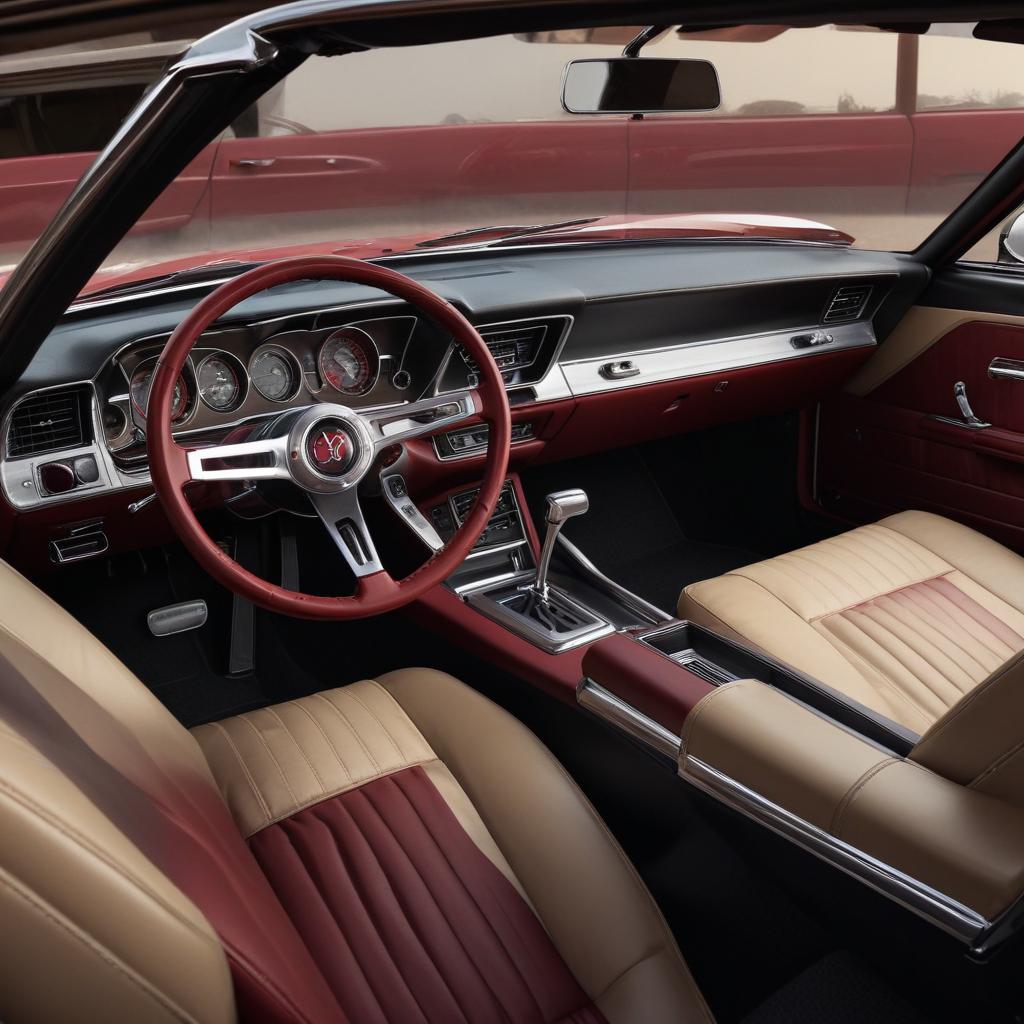
Overview of Plymouth GTX Interior Design
The interior design of the Plymouth GTX stands as a prime example of classic car interiors that blend style, functionality, and muscle car attitude. The Plymouth GTX was not just about powerful performance; its muscle car cabin was meticulously designed to enhance the driving experience while reflecting the bold character intrinsic to the era’s automotive culture. This iconic vehicle captured the spirit of 1960s and 1970s muscle cars, boasting interiors that were both visually striking and purposefully crafted for comfort and driver engagement.
From its inception, the Plymouth GTX interior design embraced a sporty yet refined aesthetic. The use of high-quality materials like vinyl and leatherette upholstery, coupled with distinctive detailing such as bucket seats and woodgrain trim accents, helped define its unique cabin atmosphere. These elements were thoughtfully arranged to evoke a sense of power and luxury, catering to enthusiasts who sought both style and substance. The layout prioritized essential driver controls, making the Plymouth GTX interior not only stylish but also highly practical for spirited drives.
The purpose behind the interior design of the Plymouth GTX was clear: to create a muscle car cabin that matched the vehicle’s aggressive performance and road presence. Muscle cars like the Plymouth GTX were designed to be more than just fast; they needed interiors that communicated the exhilaration of driving. The inclusion of sporty features, ergonomic seating, and intuitive dash controls emphasized the car’s identity as a driver’s vehicle. It combined comfort and functionality without compromising the raw, bold image muscle car fans adored.
Historically, the Plymouth GTX interior design holds a significant place in the muscle car lineage. It reflected the growing trend during the muscle car era where automakers invested in creating interiors that were as memorable as their exteriors and engine power. The Plymouth GTX’s interior was a showcase of innovation and attention to driver experience, setting a benchmark for future muscle car cabins. Its design elements continue to inspire restorers and enthusiasts who appreciate the blend of classic aesthetics and practical muscle car virtues.
In summary, the Plymouth GTX interior design is a testament to a time when muscle cars were evolving beyond raw performance to embrace a complete sensory experience. Its style, purpose, and historical significance make it a celebrated example of classic car interiors, capturing the essence of what muscle car cabins represent—power, style, and driver connection.
Design Philosophy and Style Influences
The interior design philosophy of the Plymouth GTX is deeply rooted in the bold and expressive aesthetics of the 1960s design era. This period was characterized by a focus on both form and function, blending striking styling cues with practical automotive interior trends that emphasized comfort and driver engagement. The GTX’s cabin reflects these influences through its use of vibrant colors, contrasting materials, and a layout designed to maximize both visibility and accessibility for the driver and passengers.
The design philosophy behind the GTX interior embraced the muscle car culture’s desire for power and sophistication. Classic 1960s design elements such as bucket seats with distinct stitching, chrome detailing, and woodgrain accents played pivotal roles in creating an environment that was both stylish and inviting. The emphasis on tactile materials and ergonomic controls showcased a commitment to enhancing the driving experience, while maintaining a sense of boldness that was typical of the era’s automotive interior trends.
Styling cues from contemporary architecture and industrial design also influenced the GTX’s interior. Clean lines, geometric patterns, and a balanced dashboard layout were thoughtfully executed to reflect the modernity and optimism of the 1960s. These design choices have made the Plymouth GTX interior a timeless example of how automotive spaces can embody the spirit of their time through a deliberate and cohesive design philosophy.
Materials and Upholstery Choices
The interior of the Plymouth GTX is a testament to meticulous craftsmanship and thoughtful material selection, designed to offer both comfort and durability. Upholstery options for the GTX typically included high-quality vinyl seats, which were a popular choice for muscle cars of this era due to their resilience and ease of maintenance. Vinyl seats not only provided a sleek and polished look but also enhanced passenger comfort during long drives.
In addition to vinyl, the Plymouth GTX also featured an assortment of car interior fabrics that displayed the brand’s commitment to luxury and style. These interior materials ranged from plush cloth options to textured fabrics, adding variety and an upscale feel to the cabin. The careful integration of these materials contributed to a balanced aesthetic that married functionality with an inviting atmosphere.
The overall craftsmanship of the Plymouth GTX’s interior was evident in the attention to detail across all upholstery and trim. Stitching patterns on the seats were precise, demonstrating the high standards set during production. The combination of durable materials and refined upholstery techniques ensured that the interior remained visually appealing and comfortable over time, cementing the GTX’s reputation as a classic muscle car with a superior cabin experience.
Key Interior Features and Amenities
The interior design of the Plymouth GTX was a carefully crafted blend of style, comfort, and functionality, offering a driving experience that was both exhilarating and convenient for its era. A hallmark of the Plymouth GTX’s interior was its dashboard features, which were designed to provide the driver with clear, accessible information and an engaging driving environment. The gauge cluster was prominently positioned directly in front of the driver, featuring large, easy-to-read dials for speed, fuel level, oil pressure, and engine temperature. This design emphasized performance and driver awareness, reflecting the muscle car’s sporty nature.
One of the standout dashboard features was the optional tachometer, which gave drivers the ability to monitor engine revolutions per minute (RPM) — a key tool for maximizing the performance of the GTX’s powerful V8 engines. The gauge cluster was often backlit, enhancing readability in low-light conditions, and complemented by chrome-bordered bezels that added a touch of sophistication to the functional layout. Alongside the gauges, the dashboard incorporated toggle switches and knobs that controlled the heating, ventilation, and radio systems, all within ergonomic reach.
The interior amenities of the Plymouth GTX underscored the balance between muscle car vigor and everyday usability. Bucket seats were typically fitted with plush vinyl or cloth upholstery, offering support during spirited drives but also comfort for longer journeys. Front seats often featured a center console with an optional floor shifter and storage compartments, enhancing convenience and reinforcing the sporty aesthetic. Door panels and trim pieces were designed with attention to detail, frequently adorned with chrome accents and contrasting stitching that elevated the overall feel of the cabin.
Plymouth GTX options for interior customization were diverse, catering to various tastes and needs. Buyers could select from a range of interior color schemes, upholstery materials, and optional extras such as an upgraded AM/FM radio or a more advanced sound system. Additionally, many GTX models were equipped with sport steering wheels featuring a three-spoke design and sometimes wrapped in leather for extra grip. Floor mats branded with the GTX logo and other subtle design touches added to the sense of exclusivity and pride of ownership.
Overall, the Plymouth GTX’s interior was a well-rounded environment that combined functional dashboard features and an intuitive gauge cluster layout with a variety of interior amenities and options. This made the GTX not only a formidable muscle car in terms of performance but also a comfortable and engaging vehicle to drive, reflecting the best of both worlds in muscle car interior design during its heyday.
Dashboard and Instrumentation
The dashboard design of the Plymouth GTX is a perfect blend of style and functionality, crafted to enhance the driver’s experience. It features a thoughtfully arranged instrument cluster that puts all essential information right in front of the driver, ensuring quick and easy readability. The instrument cluster is distinctive for its clear layout, dominated by a large, centrally positioned speedometer that provides precise speed readings at a glance.
Flanking the speedometer are other vital car gauges such as the fuel gauge, temperature gauge, and oil pressure indicator, all designed with bold markings and contrasting colors for maximum visibility. This setup not only adds to the sporty aesthetic of the Plymouth GTX but also serves the practical purpose of keeping the driver fully informed without distraction.
Every element of the dashboard has been positioned with user experience in mind. Controls and switches are within easy reach, enabling the driver to operate them intuitively without taking their eyes off the road. The overall layout reflects a driver-centric approach, prioritizing smooth interaction and visibility. This makes driving the Plymouth GTX not just about power and performance, but also about comfort and control, with a dashboard design that truly complements the car’s spirited personality.
Comfort and Convenience Options
The Plymouth GTX interior was thoughtfully designed to blend muscle car power with unexpected comfort features, creating an inviting driving experience. One of the key highlights is the air conditioning system, which ensures that occupants remain comfortable regardless of external weather conditions. This was a significant convenience feature for a car of this era, catering to drivers who wanted both performance and pleasant cabin climate control.
Seating comfort was another area where the GTX excelled. The seats offered various seat adjustments, allowing drivers and passengers to find their ideal seating position for longer journeys or spirited drives. The materials used were often plush and durable, combining luxury touches with the ruggedness expected from a muscle car interior. This balance of style and support meant the GTX could stand out not only on the road but also in terms of comfort.
Additional amenities typical to muscle cars of that period were incorporated to enhance convenience. These muscle car amenities included well-placed controls, ergonomic layouts, and often optional extras such as upgraded sound systems or interior trim packages. These features added to the overall appeal of the GTX, proving that muscle car owners did not have to sacrifice comfort and refinement to enjoy powerful performance and aggressive styling.
Restoration and Modern Upgrades for Plymouth GTX Interiors
Restoring the interior of a Plymouth GTX requires a careful balance between preserving its classic charm and incorporating modern upgrades that enhance comfort and functionality. As enthusiasts of classic car preservation know, it’s essential to respect the original aesthetics while ensuring the interior is practical for contemporary use.
The first step in restoration is to assess the condition of key components such as seats, dashboard, door panels, and carpeting. Restoration tips often emphasize sourcing authentic or high-quality reproduction materials that match the original design. For instance, using period-correct vinyl or leather upholstery and maintaining the car’s signature color palette helps retain its vintage look. Avoid cheap substitutes as they can diminish the value and authenticity of your Plymouth GTX.
When it comes to classic car preservation, attention to detail is paramount. Repair or replace worn-out hardware like knobs, switches, and trim pieces with parts that faithfully replicate the original. Cleaning and restoring the dashboard gauges and radio to working order also adds to the nostalgic feel without compromising functionality.
Modern upgrades can be thoughtfully integrated without overpowering the vintage aesthetic. For example, installing subtle LED lighting behind the dashboard or under the seats provides improved visibility while maintaining ambiance. Upgrading the sound system with retro-style head units that support Bluetooth connectivity allows you to enjoy modern technology discreetly.
Interior customization can also include adding comfortable foam padding to seats or upgrading seat belts for safety, provided these changes do not alter the car’s original styles noticeably. Climate control enhancements such as vintage-style air conditioning units can improve comfort during drives without detracting from the classic interior design.
Ultimately, the goal is to create a Plymouth GTX interior that honors its heritage while offering the convenience of today’s advancements. By following these restoration tips and considering tasteful modern upgrades, owners can enjoy their classic car with confidence, comfort, and pride.
Authentic Restoration Practices
When it comes to the authentic restoration of Plymouth GTX interiors, adhering to best practices ensures the preservation of the car’s original charm and value. One of the primary restoration techniques is to prioritize the use of original parts. Sourcing these components not only maintains Plymouth GTX authenticity but also supports historical accuracy, which is crucial for classic interior restoration projects. Enthusiasts and restorers typically seek out OEM (Original Equipment Manufacturer) parts through specialized suppliers, vintage car clubs, or auctions.
Another critical practice is to carefully research the specific materials, patterns, and colors used during the Plymouth GTX’s production years. This involves consulting factory manuals, original brochures, and historical archives to accurately replicate the interior environment. Attention to detail in aspects such as upholstery stitching, dashboard finishes, and trim pieces preserves the vehicle’s period-correct appearance and enhances its overall authenticity.
Finally, maintaining historical accuracy means avoiding modern substitutes and shortcuts. Instead, restorers emphasize proper cleaning, repairing, and reconditioning original interior components whenever possible. This commitment to genuine restoration techniques not only respects the heritage of the Plymouth GTX but also elevates its collectible value and driving experience. Authentic restoration practices are essential for those dedicated to keeping the spirit and legacy of this classic muscle car alive.
Incorporating Modern Comforts
Integrating modern upgrades into the Plymouth GTX interior is an art of balance, maintaining the timeless appeal of classic muscle cars while enhancing functionality and comfort. The key to successful incorporation lies in carefully selecting interior technology that complements the vintage design rather than overpowering it. Features such as discreet touchscreen infotainment systems can be seamlessly embedded into the classic dashboard, allowing drivers to enjoy modern conveniences like navigation and Bluetooth connectivity without losing the car’s original charm.
Comfort improvements also play a vital role in upgrading the Plymouth GTX. Upgrading the seats with custom upholstery that retains the muscle car’s signature style but adds ergonomic support and modern materials enhances the driving experience. Climate control systems can be updated with minimal visual impact, ensuring that temperature regulation is efficient yet unobtrusive. Additionally, sound insulation improvements help create a quieter cabin, allowing for a more enjoyable ride.
By blending these modern upgrades thoughtfully, the Plymouth GTX’s interior technology and comfort improvements can coexist harmoniously with its classic design. This careful integration respects the heritage of the vehicle while bringing it up to modern standards, ensuring that enthusiasts enjoy not only the muscle car’s iconic looks but also the practical benefits of contemporary automotive advancements.

Ever since I bought my first used pickup truck, I’ve been obsessed with finding the perfect blend of off-road capability and weekend comfort. I spend my free time exploring state parks and tinkering with restoration projects in my garage. My writing focuses on how vehicles can enhance your lifestyle and outdoor adventures.