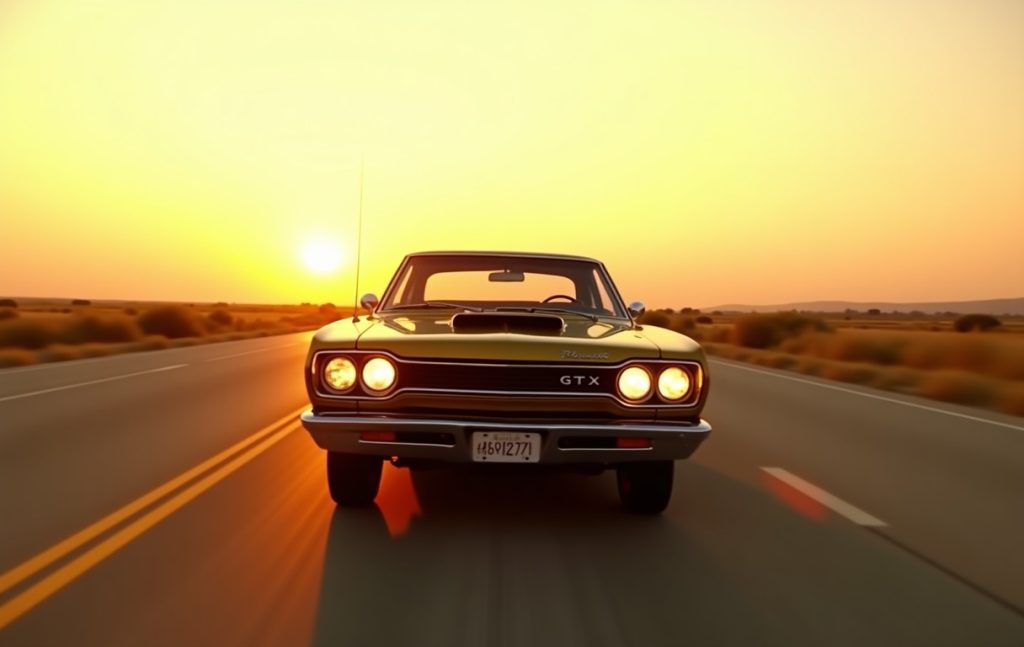
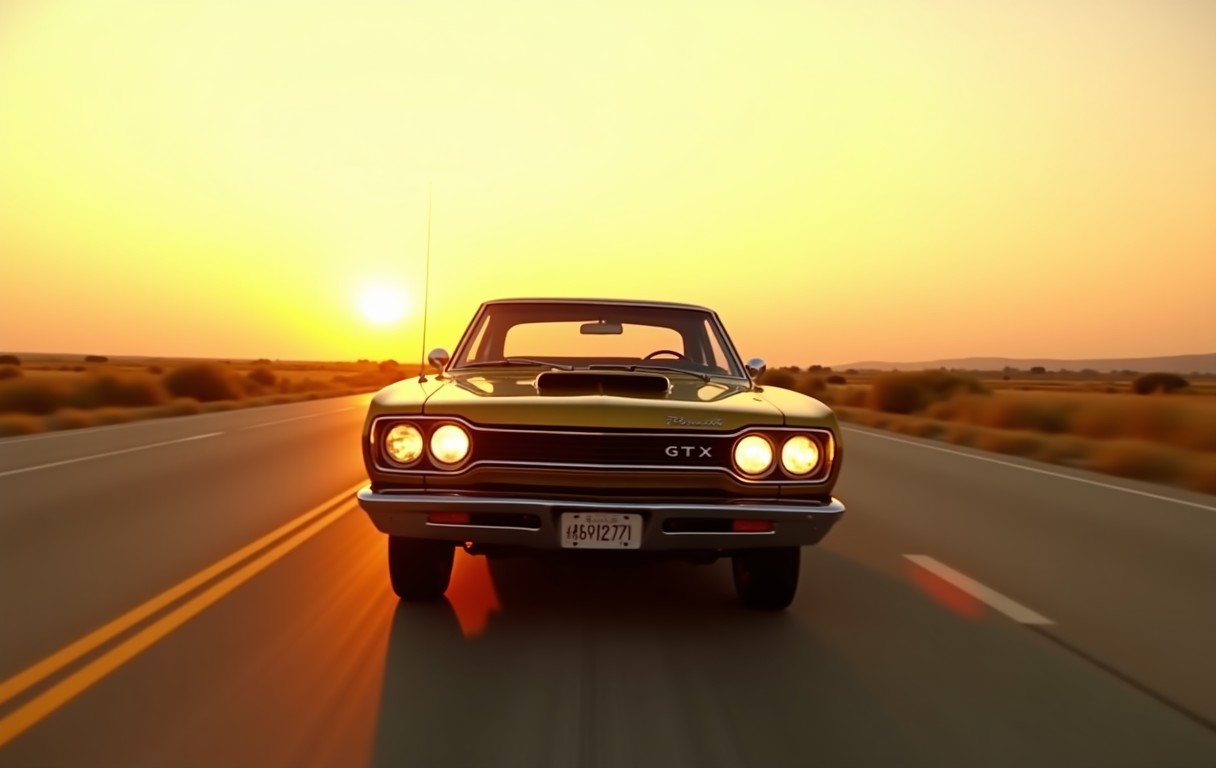
The Plymouth GTX is an iconic muscle car that encapsulates the spirit of American automotive culture from the late 1960s to the early 1970s. Known for its powerful engines, stylish design, and performance capabilities, the GTX has become a favorite among car enthusiasts and collectors. For many, it represents not just a vehicle, but a lifestyle, one that includes weekend cruising, car shows, and a community of like-minded individuals who share a passion for classic cars. This article explores the Plymouth GTX’s history, its cruising capabilities, and tips for enjoying weekend drives in this classic muscle car.
A Brief History of the Plymouth GTX
The Plymouth GTX was first introduced in 1967 as a high-performance variant of the Plymouth Belvedere. Initially marketed as the “Belvedere GTX,” it was designed to appeal to drivers seeking a blend of luxury and muscle. The GTX was equipped with powerful engine options, including the legendary 426 Hemi V8 and the 440 cubic inch RB V8, which allowed it to compete with other muscle cars of the era.
Produced until 1971, the GTX saw various changes and upgrades throughout its production run. It was known for its distinctive styling, featuring a blacked-out grille, fiberglass hood scoops, and bold color options. The GTX quickly gained a reputation not only for its speed and performance but also for its comfort and upscale features, making it a versatile choice for both performance enthusiasts and casual drivers.
The Allure of Weekend Cruising
Weekend cruising is more than just driving; it’s an experience that combines the joy of being on the open road with the thrill of showcasing a classic car. For Plymouth GTX owners, weekends often mean taking their vehicles out for leisurely drives, participating in local car meets, or attending classic car shows. The GTX’s powerful engine and smooth handling make it an ideal choice for these activities.
Weekend drives allow owners to connect with fellow enthusiasts, share stories, and appreciate the craftsmanship of these vintage vehicles. Whether it’s a scenic route through the countryside or a cruise along the coast, the GTX transforms ordinary drives into memorable adventures.
Performance and Handling on the Open Road
One of the standout features of the Plymouth GTX is its performance. With options like the 383 cubic inch V8 producing 335 horsepower or the more powerful 440 V8 with 375 horsepower, the GTX delivers exhilarating acceleration and speed. The 426 Hemi, although less common, offers unmatched power at 425 horsepower, making it a favorite among collectors and performance enthusiasts.
The GTX’s chassis is designed for stability and control, providing a confident driving experience. The rear-wheel-drive layout, combined with a well-tuned suspension, allows for smooth cornering and responsive handling. This makes the GTX not only a powerful muscle car but also a joy to drive on winding roads, perfect for weekend excursions.
Preparing Your GTX for Weekend Drives
Before hitting the road, it is essential to prepare your Plymouth GTX to ensure a safe and enjoyable experience. Start by giving your car a thorough inspection. Check the fluid levels, including engine oil, coolant, and brake fluid. Inspect the tires for proper inflation and tread wear, and ensure that the brakes are functioning correctly.
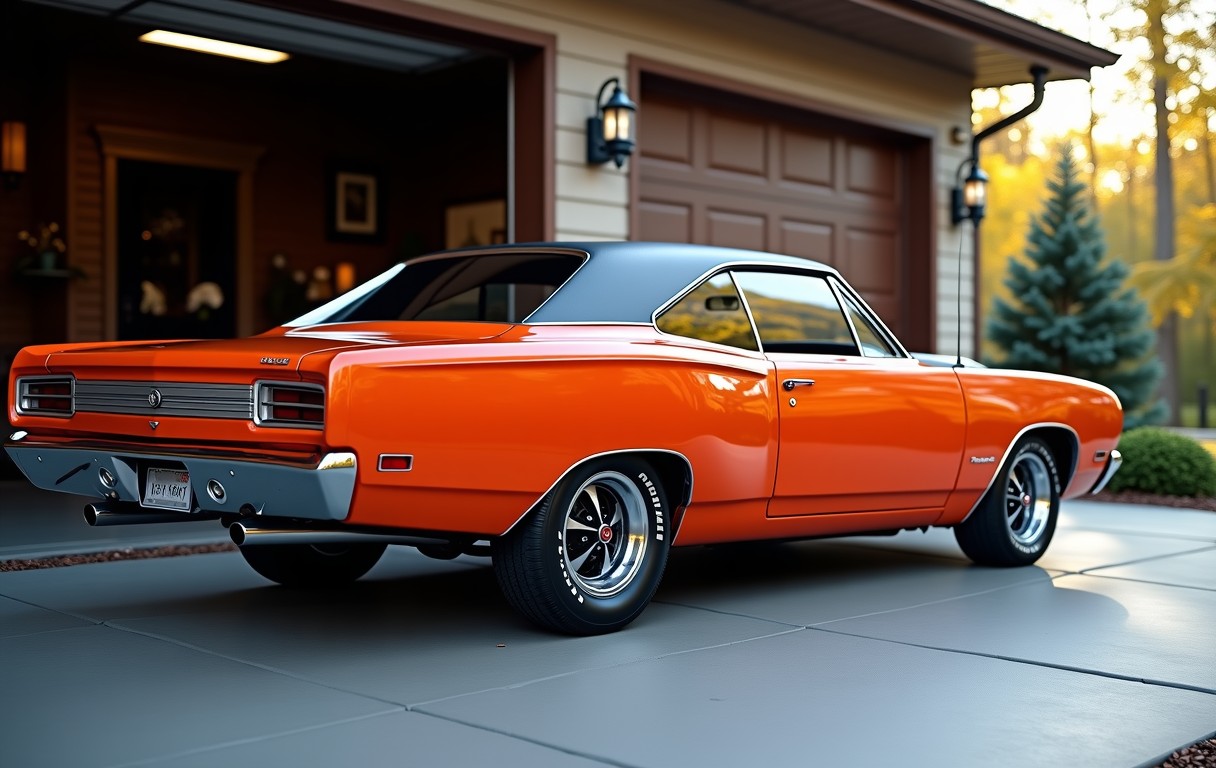
Additionally, consider detailing your vehicle. A clean car not only looks great but also helps maintain its value. Waxing the paint, cleaning the interior, and polishing the chrome accents can enhance the overall appearance of your GTX, making it even more enjoyable to show off during weekend cruises.
Choosing the Perfect Route
The route you choose for your weekend cruise can significantly enhance your experience. Opt for scenic drives that showcase beautiful landscapes, such as coastal highways, mountain roads, or countryside routes. Many regions have designated scenic byways that are perfect for classic car enthusiasts.
In addition to scenic views, consider routes that include stops at local diners, car shows, or historical landmarks. These stops can provide an opportunity to stretch your legs, grab a bite to eat, and engage with other car enthusiasts. Planning your route ahead of time can make your weekend cruise more enjoyable and memorable.
The Community of Plymouth GTX Enthusiasts
Owning a Plymouth GTX opens the door to a vibrant community of car enthusiasts. From local car clubs to online forums, there are numerous ways to connect with others who share your passion. Participating in events, car shows, and meetups can provide valuable insights into maintenance, restoration, and modifications for your GTX.
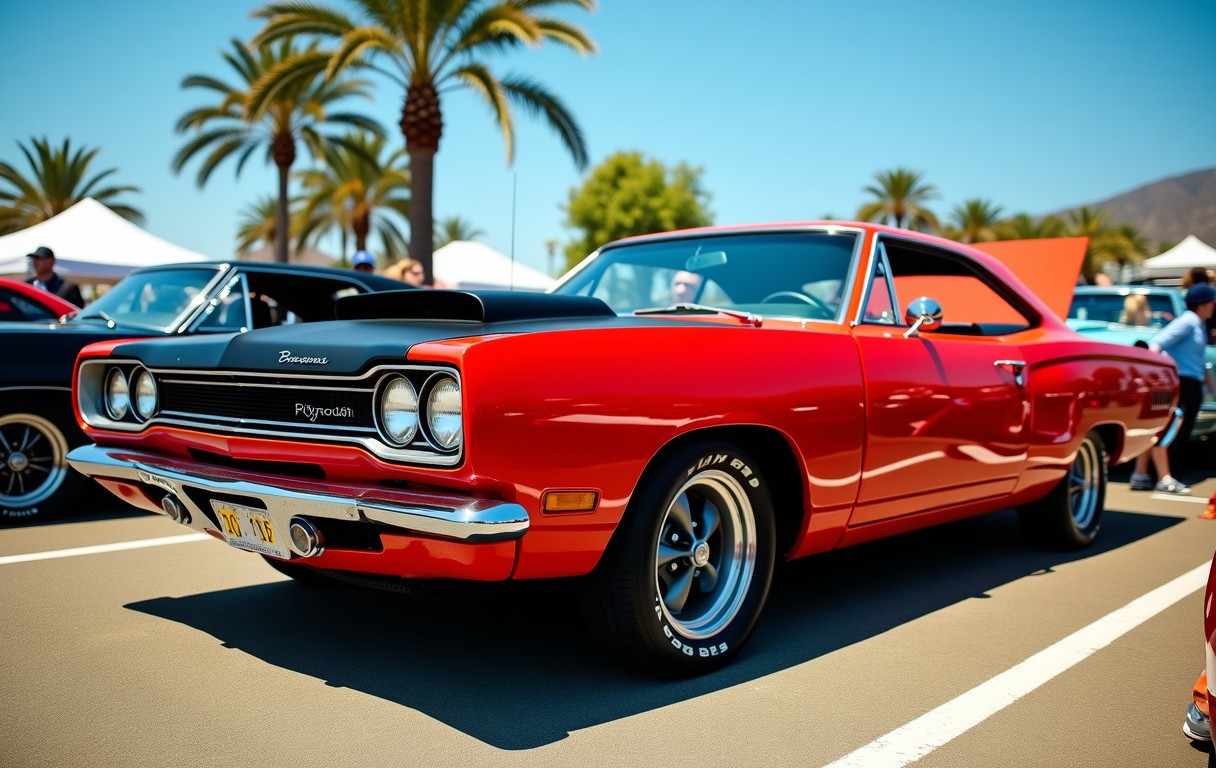
Social media platforms also play a significant role in connecting enthusiasts. Many groups are dedicated to classic cars where members share photos, tips, and experiences. Engaging with this community can enhance your ownership experience, providing support and camaraderie among fellow GTX fans.
Maintaining Your Plymouth GTX
Regular maintenance is key to keeping your Plymouth GTX in top condition. Given its age, it is crucial to stay on top of routine checks and repairs. Engine tuning, transmission servicing, and brake inspections should be part of your regular maintenance schedule.
Consider joining a local car club or finding a mechanic who specializes in classic cars. Having access to knowledgeable individuals can help you troubleshoot issues and keep your GTX running smoothly. Additionally, documenting your maintenance history can enhance the car’s value in the long run.
Embracing the Lifestyle of Classic Car Ownership
Owning a Plymouth GTX is about more than just having a powerful vehicle; it represents a lifestyle filled with passion, adventure, and community. Weekend cruising in a GTX allows enthusiasts to experience the thrill of driving a classic muscle car while connecting with others who appreciate automotive history and culture.
As you plan your next weekend drive, remember to embrace the spirit of the Plymouth GTX. Enjoy the open road, share your passion with others, and create lasting memories in this iconic piece of American automotive history.

Ever since I bought my first used pickup truck, I’ve been obsessed with finding the perfect blend of off-road capability and weekend comfort. I spend my free time exploring state parks and tinkering with restoration projects in my garage. My writing focuses on how vehicles can enhance your lifestyle and outdoor adventures.