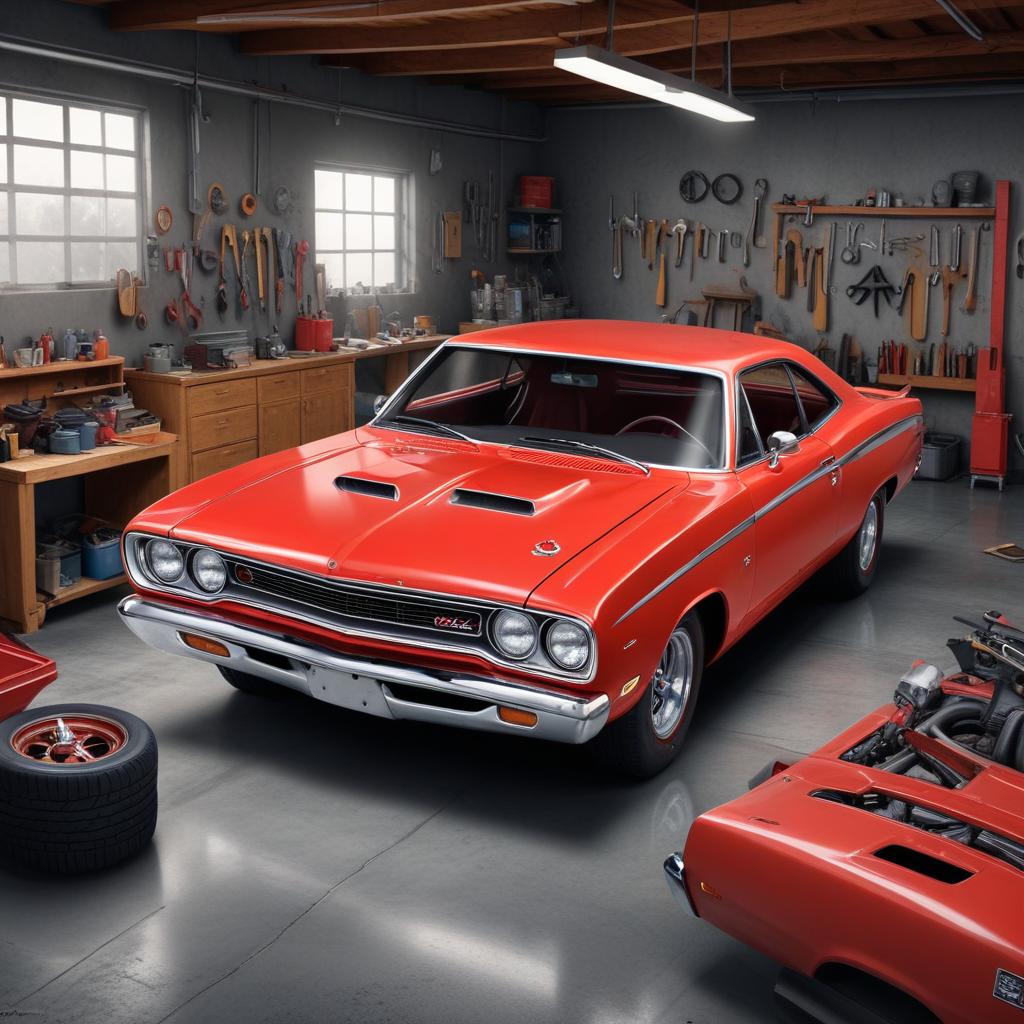
Introduction to Restoring a Plymouth GTX
The Plymouth GTX is a standout icon in the world of classic muscle cars, celebrated for its powerful performance and sleek design. Produced by Plymouth, a division of Chrysler, the GTX was introduced in the late 1960s as a high-performance variant of the Plymouth Belvedere. It quickly earned a place in automotive history thanks to its combination of bold styling, exceptional horsepower, and superior handling capabilities. Enthusiasts and collectors alike recognize the Plymouth GTX as a symbol of the golden era of muscle cars, representing both American engineering prowess and the vibrant car culture of the time.
Restoring a Plymouth GTX is more than just a restoration project; it is a passion that connects enthusiasts to a celebrated heritage. Each restored Plymouth GTX serves as a living tribute to the muscle car restoration culture, preserving a piece of automotive history for future generations. Given its classic status, a Plymouth GTX restoration involves meticulous attention to detail to return the car to its original glory, from the engine and transmission to the distinctive exterior and interior design elements. Muscle car restoration like this honors the craftsmanship and innovation that defined this era, ensuring that the roar of its powerful V8 engine continues to thrill onlookers and drivers alike.
Moreover, restoring a Plymouth GTX is an opportunity to preserve an important chapter in American automotive history. This classic car restoration not only saves the vehicle from the wear and tear of time but also revives its cultural significance. The Plymouth GTX embodies a period when muscle cars ruled the streets with a blend of style, muscle, and performance that remains unmatched by modern standards. Owners and restorers contribute significantly to the muscle car restoration community by maintaining the authenticity and originality of these vehicles, thereby keeping the spirit of the Plymouth GTX alive and inspiring new generations of car enthusiasts to appreciate the richness of classic cars.
In summary, a Plymouth GTX restoration is both a technical and emotional journey. It celebrates the legacy of one of the most formidable muscle cars ever made while fulfilling a commitment to preserving automotive history. For anyone passionate about classic car restoration, undertaking the restoration of a Plymouth GTX offers a rewarding experience that combines love for muscle cars with respect for their historical importance.
History and Features of the Plymouth GTX
The Plymouth GTX, introduced in 1967, holds a revered place in the history of classic muscle cars. Conceived as a “gentleman’s muscle car,” the GTX blended high performance with upscale features, setting it apart from its peers in the muscle car segment. Its design was bold and aggressive, showcasing a long hood, distinctive grille, and unique badging that instantly identified it as a true performance vehicle. The Plymouth GTX history is marked by its role as a powerful and stylish option for drivers seeking speed without sacrificing comfort and refinement.
One of the key GTX features was its robust engine options, including the legendary 440 cubic inch V8 and the famous 426 HEMI, which delivered exceptional horsepower and torque. These engines provided exhilarating performance that allowed the GTX to stand out at the drag strip and on the street. The car’s suspension and braking systems were also enhanced to accommodate its muscle car capabilities, offering a balanced combination of speed and control. Inside, the Plymouth GTX boasted a well-appointed interior with sporty yet comfortable seating, premium instrumentation, and additional luxury touches that elevated its appeal.
Performance-wise, the Plymouth GTX delivered impressive acceleration and handling characteristics, making it a favorite among muscle car enthusiasts. Its blend of power, style, and features made it a distinct model within Plymouth’s lineup and an enduring symbol of the golden era of American muscle cars. Collectors and restorers alike honor the Plymouth GTX for its unique place in muscle car history, embodying the best elements of power and elegance.
Why Restore a Plymouth GTX?
Restoring a Plymouth GTX holds a special appeal for many muscle car enthusiasts, driven by a combination of sentimental value, investment potential, and a deep connection to car culture. For those who grew up admiring the raw power and classic design of the GTX, restoration is more than just a project—it’s a way to preserve memories and relive the golden era of muscle cars. The process offers a tangible link to the past, often tied to personal or family history, making the restored vehicle a priceless heirloom.
From an investment perspective, restoration can significantly increase the classic car value of a Plymouth GTX. Well-executed restorations tend to enhance the car’s market worth as collectors eagerly seek out pristine examples of these iconic vehicles. This potential for appreciation motivates many to invest time and resources into bringing a GTX back to its former glory, knowing that their efforts might yield substantial financial returns.
Moreover, the restoration reasons extend into the broader muscle car culture, where owning a restored Plymouth GTX is a badge of honor. Enthusiasts appreciate the craftsmanship involved in the restoration process and the opportunity to showcase their dedication at car shows and gatherings. Restoring a GTX embodies the spirit of muscle car passion, connecting owners to a vibrant community that celebrates power, style, and American automotive history.
Step-by-Step Restoration Process
Restoring a Plymouth GTX is an exciting and rewarding project for any muscle car enthusiast. The process requires detailed planning and methodical execution to bring this iconic vehicle back to its former glory. Begin with a thorough assessment of the car’s current condition, which involves inspecting the bodywork, engine, chassis, interior, and electrical systems. Take detailed notes and photographs to document every aspect, noting parts that require repair, replacement, or refurbishment.
Once the assessment is complete, develop a comprehensive restoration plan. This plan should include a timeline, budget, and list of necessary parts and tools. Prioritize safety by addressing any structural issues such as rust or frame damage before proceeding with cosmetic repair. Sourcing authentic or high-quality reproduction parts will help maintain originality and increase the value of your Plymouth GTX.
The restoration steps begin with disassembly, carefully removing components to avoid damage and organizing parts for easy reassembly. Clean and restore each part thoroughly—this includes sandblasting the frame, repainting the body panels, and refurbishing the engine and transmission. Mechanical repairs often involve rebuilding the engine, upgrading suspension components, and restoring the braking system to ensure reliable performance.
Next, focus on the electrical system, rewiring the car as needed and testing all circuits for functionality. Interior restoration includes upholstering seats, replacing carpets, and restoring dashboards and trim to factory specifications. Attention to detail during this phase transforms the car’s cabin into an authentic muscle car experience.
Finally, the reassembly phase brings all the restored parts together. Carefully reinstall the engine, drivetrain, electrical components, and interior fittings. Perform a thorough inspection and testing to ensure everything operates smoothly. These restoration steps culminate in a beautifully rebuilt Plymouth GTX that honors the legacy of classic American muscle cars. By following this muscle car restoration guide, enthusiasts can confidently undertake a Plymouth GTX rebuild from start to finish with rewarding results.
Assessment and Planning
Before starting the restoration of your Plymouth GTX, a thorough car assessment is essential. Begin by carefully evaluating the car’s current condition, examining the body, engine, interior, and chassis for rust, damage, or wear. Document any areas that require immediate attention or replacement. This detailed inspection will help you understand the overall state of the vehicle and identify specific parts needed for a successful restoration.
Once you have a clear picture of the Plymouth GTX condition, create a comprehensive restoration plan. Prioritize repairs and replacements based on whether they affect safety, functionality, or aesthetics. Research and source quality components that match the original specifications to maintain the car’s authenticity and value. This planning phase is crucial to avoid unexpected setbacks during the project.
Simultaneously, establish a realistic budget for your restoration project. Include costs for parts, labor, tools, and any professional services you might need. It’s wise to add a contingency fund for unforeseen expenses. A well-defined restoration planning and budget will keep the project organized and manageable, ensuring your Plymouth GTX returns to its classic glory efficiently and within financial limits.
Bodywork and Paint Restoration
Bodywork restoration is a crucial step in bringing your classic Plymouth GTX back to its former glory. When tackling rust repair, it is important to first identify all affected areas and carefully grind away the rust until only clean metal remains. For dents, using body filler can help reshape the panel, but it should be applied in thin layers and sanded smooth to maintain the original contours of the car’s body. Sanding is an essential step throughout this process; start with coarser grit sandpaper to level imperfections and gradually move to finer grit for a smooth finish, ensuring the surface is perfectly prepared for priming.
Priming is more than just a preparatory coat; it protects the metal from future corrosion and provides a uniform base for the paint. Choose a high-quality primer compatible with the period-correct paint finish you plan to use. When applying the paint, pay close attention to matching the classic car paint colors originally used on the Plymouth GTX. This not only preserves the authenticity but also enhances the vehicle’s value. Applying multiple thin coats rather than a single heavy coat will prevent runs and promote a professional finish. Finally, a clear coat can be applied to protect the paint and add depth to the finish, ensuring your restoration project stands the test of time.
Engine and Mechanical Rebuild
Restoring your Plymouth GTX engine to its original glory involves thorough inspection and mechanical restoration. Begin by carefully examining the engine block for cracks or wear, and check the cylinder walls, pistons, and rings for damage. Replace any components that show signs of excessive wear. The drivetrain components should also be inspected for wear or damage to ensure optimal performance.
- Drain all fluids and remove the engine from the vehicle safely.
- Disassemble the engine and clean all parts thoroughly to evaluate their condition.
- Inspect the engine block, cylinder heads, pistons, crankshaft, and camshaft for signs of wear or damage.
- Replace worn or damaged components such as bearings, gaskets, seals, piston rings, and valves with high-quality parts.
- Resurface or replace cylinder heads if necessary to ensure proper sealing and compression.
- Rebuild or replace the carburetor and fuel system components for precise fuel delivery.
- Inspect and refurbish the transmission and differential to maintain smooth power delivery to the wheels.
- Reassemble the engine using proper torque specifications and replace all necessary seals to prevent leaks.
- Test the rebuilt Plymouth GTX engine on a stand if possible, checking for proper compression and smooth operation.
- Reinstall the engine in the vehicle, reconnect all mechanical and electrical components, refill fluids, and run diagnostics to ensure the mechanical restoration was successful.
Maintenance and Tips for Preserving Your Restored Plymouth GTX
Maintaining your restored Plymouth GTX requires consistent car maintenance to ensure it remains in pristine condition and retains its value over time. Classic car preservation is not just about fixing issues as they arise but also about preventive care that protects both the mechanical parts and the aesthetic elements of the vehicle.
First and foremost, regular inspections are crucial. Check the engine, brakes, suspension, and electrical systems routinely to catch any signs of wear or malfunction early. Use high-quality fluids and parts specifically designed for classic cars, as this can significantly extend the life of your Plymouth GTX’s components. Keeping a detailed maintenance log will help you track service intervals and any parts replacements.
Proper storage is one of the most important factors in classic car preservation. Ideally, store your Plymouth GTX in a climate-controlled garage to protect it from extreme temperatures, humidity, and dust. If a climate-controlled environment is not available, use a breathable car cover that prevents moisture buildup while shielding the car from harmful UV rays. Avoid leaving the car exposed to the elements for extended periods, as this can accelerate paint fading and rust formation.
When it comes to preservation, cleanliness is key. Wash your Plymouth GTX regularly using gentle automotive cleaning products, especially after driving on salted roads or in dusty conditions. Waxing the car every few months provides an extra layer of protection to the paintwork, helping to maintain its shine and prevent oxidation.
Additionally, exercise the vehicle periodically, even if it’s not driven daily. Driving the car occasionally helps keep the engine lubricated and the battery charged, both critical for long-term Plymouth GTX care. When preparing the car for storage, consider using a fuel stabilizer and disconnecting the battery to prevent corrosion and battery depletion.
Finally, connect with other classic car enthusiasts or professional mechanics familiar with the Plymouth GTX. They can offer valuable tips and may provide trusted services to help maintain your investment. By following these maintenance and preservation strategies, you will ensure that your restored Plymouth GTX remains a source of pride and driving pleasure for many years to come.
Regular Maintenance Checklist
Keeping your Plymouth GTX in top shape requires regular inspections and adherence to essential maintenance tips. Classic car upkeep involves paying close attention to key components to ensure the vehicle remains reliable and retains its value. Use this checklist as a guide to Plymouth GTX maintenance routines that will help you preserve its prime condition.
- Check engine oil levels and quality frequently; change oil and filter every 3,000 miles or as recommended.
- Inspect brake system including pads, rotors, and fluid to guarantee safe stopping power.
- Examine tires for wear, proper inflation, and alignment to prevent uneven tread and enhance handling.
- Maintain cooling system by checking coolant levels and radiator condition; flush and replace coolant yearly.
- Test the battery and clean terminals to avoid starting issues and electrical faults.
- Lubricate chassis and suspension components regularly to reduce wear and preserve ride quality.
- Inspect belts and hoses for cracks or signs of aging, replacing them as necessary to prevent breakdowns.
- Ensure fuel lines and filters are clean and free of leaks for optimal engine performance.
- Check exhaust system for leaks or corrosion to maintain emissions standards and engine efficiency.
- Keep the body and paint clean and waxed to protect against rust and environmental damage.
Following this checklist diligently will simplify classic car upkeep for your Plymouth GTX, ensuring it remains a cherished and road-ready machine for years to come.
Storage and Protection Techniques
Proper car storage is essential to maintain your Plymouth GTX in pristine condition during periods of inactivity. One of the foremost protection tips is to store the vehicle in a climate-controlled classic car garage storage. This environment helps regulate temperature and humidity, preventing moisture buildup that can lead to rust and corrosion.
Before storing the car, thoroughly clean both the interior and exterior to remove dirt, grease, and other contaminants that can damage paint and upholstery. Applying a high-quality wax coat will add a protective barrier against dust and moisture. Additionally, consider using a breathable car cover designed for classic cars to shield the paint from dust and minor abrasions without trapping moisture underneath.
For long-term car storage, it is crucial to keep the tires off the ground or inflate them to the recommended pressure to avoid flat spots. Disconnecting the battery or using a battery maintainer prevents battery drain and corrosion on terminals. Also, fill the gas tank and add a fuel stabilizer to prevent fuel degradation, which can cause engine issues.
Ventilation in storage areas is another key consideration, as stagnant air promotes mold and mildew, especially in the interior. Regularly inspect your stored Plymouth GTX to ensure no issues have arisen from environmental factors, allowing you to address any problems early. Following these best practices for car storage and protection tips will help preserve the value and beauty of your classic Plymouth GTX for years to come.

Ever since I bought my first used pickup truck, I’ve been obsessed with finding the perfect blend of off-road capability and weekend comfort. I spend my free time exploring state parks and tinkering with restoration projects in my garage. My writing focuses on how vehicles can enhance your lifestyle and outdoor adventures.