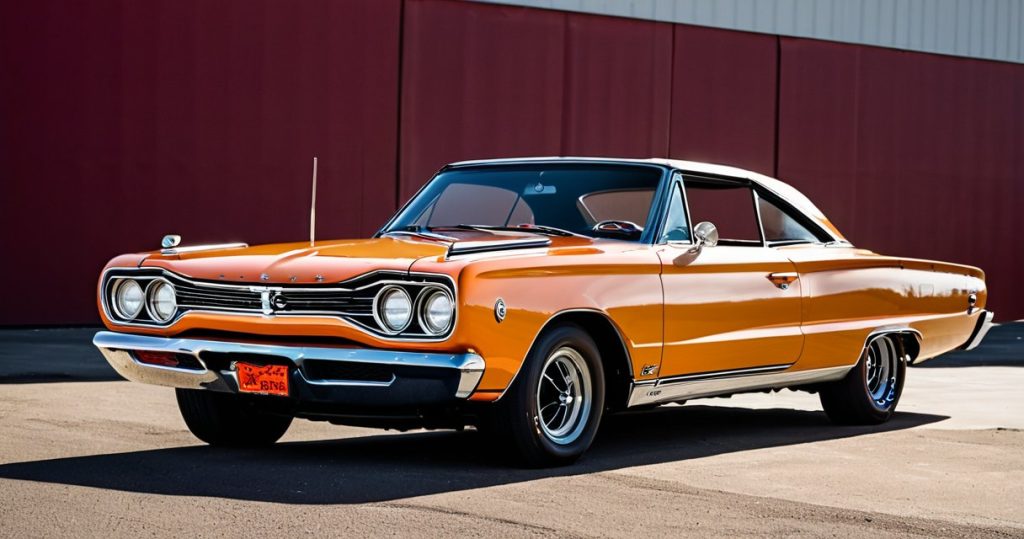
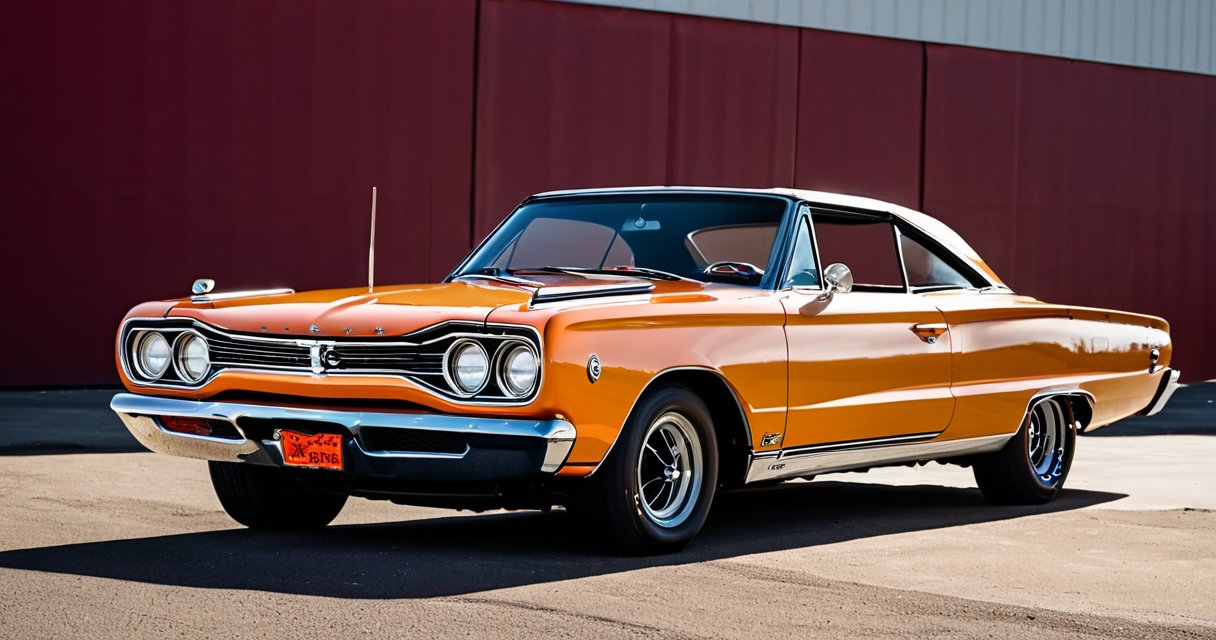
Understanding the Plymouth GTX
The Plymouth GTX stands as one of the most iconic models in the realm of classic muscle cars, representing a perfect blend of performance, style, and innovation. Introduced in the late 1960s by Plymouth, the GTX was marketed as a “gentleman’s muscle car,” offering both power and comfort. Its history is richly intertwined with the golden era of American muscle cars, making it a highly sought-after vehicle among collectors and enthusiasts alike.
From its inception, the Plymouth GTX was designed to capture the attention of drivers who wanted a car that could perform exceptionally on the road while maintaining a refined aesthetic. It was first introduced in 1967 as a high-performance variant of the Plymouth Belvedere lineup. The following years cemented its reputation, as the GTX combined a powerful engine lineup with distinctive styling elements that set it apart from other muscle cars of the time.
One of the standout Plymouth GTX features that contributed to its legendary status was its engine options. Buyers could choose between several powerful V8 engines, including the famed 440 cubic inch Magnum V8 and the legendary 426 HEMI, which delivered outstanding horsepower and torque. These engines provided exhilarating acceleration and top performance, which muscle car enthusiasts greatly admire. Coupled with heavy-duty suspension and upgraded handling components, the GTX delivered a driving experience that balanced raw power and control.
In addition to its impressive performance characteristics, the Plymouth GTX featured bold, aggressive styling cues that made it visually distinct. Its slightly elevated stances, dual-scooped hoods, and signature grille design gave the car an assertive presence on the road. Inside, the vehicle was equipped with comfortable seating and quality finishes that made longer drives enjoyable—again reflecting Plymouth’s commitment to combining muscle with comfort.
For collectors and classic car fans, the Plymouth GTX holds a unique place due to its blend of muscle car power, stylish design, and historical significance. It encapsulates the spirit of the late 1960s and early 1970s American automotive industry, a time when muscle cars ruled the streets. Understanding the Plymouth GTX’s history and features is essential for anyone interested in classic muscle cars, as it explains why the GTX remains a coveted vehicle in today’s collector market.
Where to Find Plymouth GTX for Sale
When looking to buy Plymouth GTX, it’s important to know where the best opportunities lie. These iconic muscle cars are highly sought after, so exploring multiple avenues will increase your chances of finding the perfect Plymouth GTX. Whether you prefer shopping in person or online, there are several reliable sources to consider.
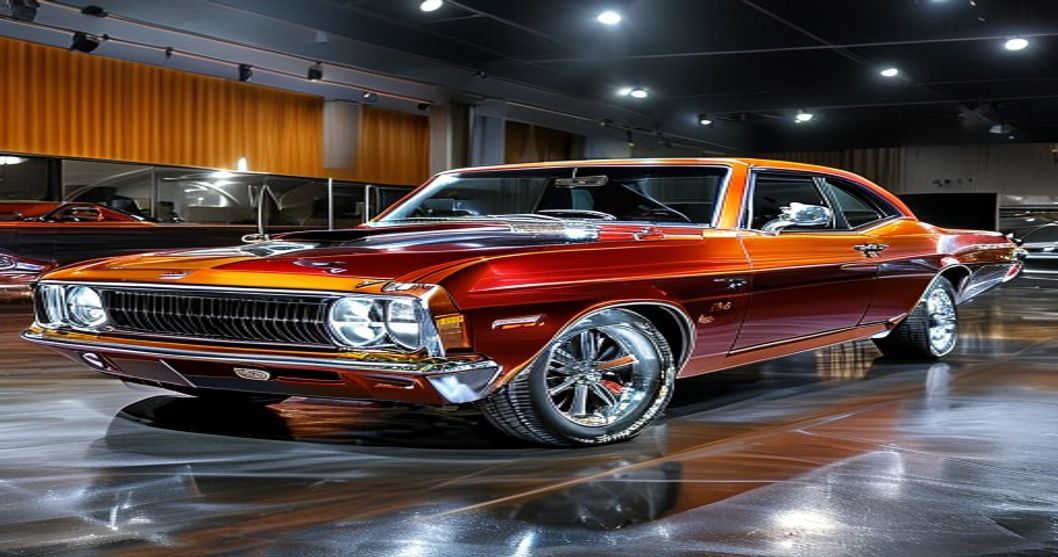
Classic car dealerships are a great place to start your search. These dealerships specialize in vintage and collectible vehicles, including Plymouth GTX listings. Dealers often have detailed knowledge about the car’s history, condition, and restoration, making them a trusted option for buyers who want to ensure authenticity and quality. Visiting a classic car dealership also allows you to see the car firsthand and often test drive before making a decision.
Online car auctions have dramatically changed the way enthusiasts buy Plymouth GTX cars. These platforms host regular auctions where sellers from all over the country list their vehicles, providing a wide variety of options. Participating in online car auctions can be thrilling and may offer competitive pricing, but it requires careful research to understand the car’s condition given you might not inspect it in person. Reliable auction sites provide detailed photos, inspection reports, and vehicle history, making them a valuable resource for serious buyers.
Private sellers are another important avenue where Plymouth GTX listings can be found. Many classic car owners prefer to sell directly to enthusiasts, often advertising through online classifieds, social media groups, or specialized car forums. Buying from private sellers may give you more room for negotiation and a chance to learn about the car’s history directly from the owner. However, buying from private sellers requires attention to detail and due diligence to verify the vehicle’s condition and authenticity.
By exploring classic car dealerships, participating in online car auctions, and connecting with private sellers, you can maximize your chances of successfully buying a Plymouth GTX that fits your preferences and budget. Each source has its own advantages, so combining these options will help you find the best Plymouth GTX listings available on the market.
Online Marketplaces and Auctions
Searching for a Plymouth GTX online opens up a wealth of opportunities through various classic car marketplaces and online car auctions. These platforms have revolutionized the way enthusiasts find and purchase vintage vehicles, making it easier than ever to locate rare and desirable models like the Plymouth GTX.
Classic car marketplaces offer curated listings of Plymouth GTX online, providing detailed descriptions, photos, and often vehicle history reports. When browsing these sites, it’s essential to verify the credibility of the seller and thoroughly inspect all available information to ensure a smooth purchase. Many platforms also allow communication directly with the seller to ask specific questions about the car’s condition and provenance.
Online car auctions are another valuable resource where you can find Plymouth GTX models. Participating in an auction requires a strategic approach. Start by setting a maximum bid based on your budget and market research to avoid overspending. Be sure to carefully read all auction terms and conditions, and monitor the bidding activity closely to time your bids effectively. It’s often helpful to place your bids in the final moments to reduce the chance of a bidding war.
Both online marketplaces and car auctions can provide chances to find the perfect Plymouth GTX, but patience and due diligence are key. By leveraging these platforms and adopting smart bidding strategies, you increase your chances of securing this classic muscle car at a fair price.
Classic Car Dealerships and Shows
For those looking to purchase a Plymouth GTX, classic car dealerships are invaluable resources. These dealerships specialize in vintage vehicles and often have a curated selection of muscle cars, ensuring that buyers have access to well-maintained and authentic Plymouth GTX models. Visiting Plymouth GTX dealers allows enthusiasts to inspect cars firsthand, ask detailed questions about the vehicle’s history, and often benefit from the dealer’s expertise on classic muscle cars.
Another excellent way to find a quality Plymouth GTX is by attending muscle car shows. These events bring together collectors, sellers, and fans of classic automobiles under one roof. Muscle car shows provide a unique opportunity to see a wide variety of Plymouth GTX cars in person, giving buyers the chance to compare different models and conditions within a single location. Additionally, many sellers at these shows maintain their vehicles meticulously, making muscle car shows the perfect place to find well-preserved examples.
By combining visits to classic car dealerships with attendance at muscle car shows, you can broaden your search and increase the chances of finding a Plymouth GTX that meets your standards. Whether you prefer the professionalism of established Plymouth GTX dealers or the vibrant atmosphere of muscle car shows, both avenues offer valuable opportunities to connect with knowledgeable sellers and discover beautifully maintained classic cars.
What to Look for When Buying a Plymouth GTX
When considering the purchase of a Plymouth GTX, performing a thorough Plymouth GTX inspection is essential to ensure you’re investing in a quality muscle car. Given the rarity and value of these classic cars, it’s important to understand what aspects to look for to assess the muscle car condition accurately. This knowledge will help you make an informed decision and avoid costly repairs later on.
First and foremost, evaluate the engine condition carefully. The heart of any muscle car is its engine, and the Plymouth GTX is no exception. Check for any signs of leaks, unusual noises, or smoke coming from the exhaust. Inspect the engine bay for original parts and look for any signs of aftermarket modifications that could affect performance or value. A well-maintained engine will usually run smoothly without excessive vibration or overheating issues, signaling good muscle car condition.
Next, originality is a key factor when buying classic cars like the Plymouth GTX. Buyers often seek vehicles that retain their original factory specifications and components. Confirm whether the car still features its original engine, transmission, and major parts. Matching numbers—the engine and chassis numbers matching the factory records—can significantly increase the car’s value. Any upgrades or replacements should be well documented, preferably with receipts or photographs, to understand how these changes impact authenticity.
Another crucial area to inspect is the maintenance records. A comprehensive set of detailed maintenance records demonstrates that the previous owner(s) cared for and preserved the vehicle properly. These documents can include oil changes, timing belt replacements, tune-ups, or any repairs done throughout the life of the car. When buying classic cars, having a solid maintenance history reduces the chances of unexpected mechanical problems and adds confidence to your purchase.
Additionally, make sure to examine the chassis and frame for any signs of rust or damage. Rust can compromise the structural integrity of the car and may require expensive restoration work. Verify the condition of the suspension, brakes, and electrical systems to ensure everything is functioning as it should. The interior and exterior should also be inspected for wear and tear, paying attention to original upholstery and chrome detailing, as these contribute to the car’s overall muscle car condition.
In summary, when buying a Plymouth GTX, a thorough Plymouth GTX inspection with attention to engine condition, originality, and maintenance records will help you select a classic muscle car worth owning. Taking these key points into consideration minimizes risks and maximizes your enjoyment of this iconic vehicle.
Assessing Vehicle Condition and Authenticity
When purchasing a Plymouth GTX, prioritizing the vehicle’s originality and authenticity is essential to preserving its value. Start by researching the car’s documentation, such as the original build sheet, VIN, and title. Cross-referencing the VIN with resources specializing in Plymouth GTX originality can help confirm if the car’s features, engine, and trim match factory specifications.
Physical inspection plays a major role in verifying classic car authenticity. Look for consistent paint colors, factory-correct decals, and original interior details such as upholstery and dash components. Signs of tampering or aftermarket replacements may indicate restoration work, which is not necessarily negative but should be noted. Pay attention to body panels for rust, dents, or mismatched sections, as these affect both appearance and structural integrity.
Mechanically, performing thorough car inspection tips can save costly repairs down the line. Check the engine and transmission for leaks, unusual noises, and smooth operation. Test all electrical systems, including lights, gauges, and the ignition. Inspect the suspension and brakes for wear, ensuring the vehicle drives safely and reliably. When possible, have a qualified mechanic with experience in classic cars assist with the evaluation to identify any hidden issues.
Combining an understanding of Plymouth GTX originality with diligent use of car inspection tips will enable you to assess both the authenticity and overall condition effectively. This careful approach ensures that you invest in a true classic that retains its historical and monetary value.
Negotiating and Finalizing Your Purchase
When it comes to buying a classic car like the Plymouth GTX, understanding the negotiation process is crucial to securing a fair deal. The Plymouth GTX price can vary widely depending on the vehicle’s condition, originality, and market demand. To make the most of your investment, it’s important to approach negotiations with a clear strategy and to be well-informed about the current market values of these iconic muscle cars.
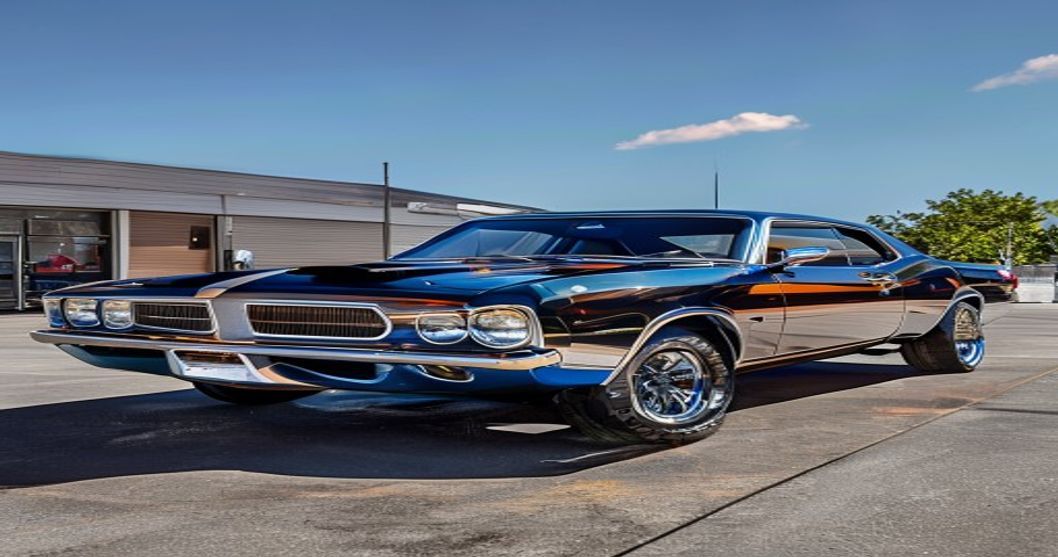
Begin your negotiations by researching recent sales and listings of Plymouth GTX models comparable to the one you’re interested in. This knowledge will give you leverage and confidence to discuss pricing reasonably and assertively. Remember, sellers often expect some back-and-forth during the classic car purchase process, so start your offer slightly below the asking price to provide room for adjustment.
During negotiation, focus not only on the price but also on any additional terms, such as including spare parts, accessories, or coverage of transportation costs. Keeping a friendly and respectful tone can facilitate a smoother discussion and make the seller more willing to negotiate. If possible, obtain a professional inspection or appraisal to identify any potential issues that may justify a lower price.
Once you both agree on the Plymouth GTX price, the final step is completing the necessary paperwork to legally transfer ownership. The classic car purchase process often requires careful attention to documentation, including the bill of sale, title transfer, and registration forms. Double-check that the Vehicle Identification Number (VIN) matches on all documents and that there are no liens or encumbrances on the vehicle.
It’s also advisable to verify state-specific requirements for classic car registration, which might differ from those of modern vehicles. Completing these steps promptly helps prevent any complications and ensures that the car is legally yours to enjoy. Finally, keep copies of all documents in a safe place for future reference, especially if you plan to maintain or sell the Plymouth GTX later.
By following these negotiation tips and adhering to the classic car purchase process, you can confidently finalize your Plymouth GTX purchase and prepare to enjoy one of the most exciting muscle cars on the road.

Ever since I bought my first used pickup truck, I’ve been obsessed with finding the perfect blend of off-road capability and weekend comfort. I spend my free time exploring state parks and tinkering with restoration projects in my garage. My writing focuses on how vehicles can enhance your lifestyle and outdoor adventures.