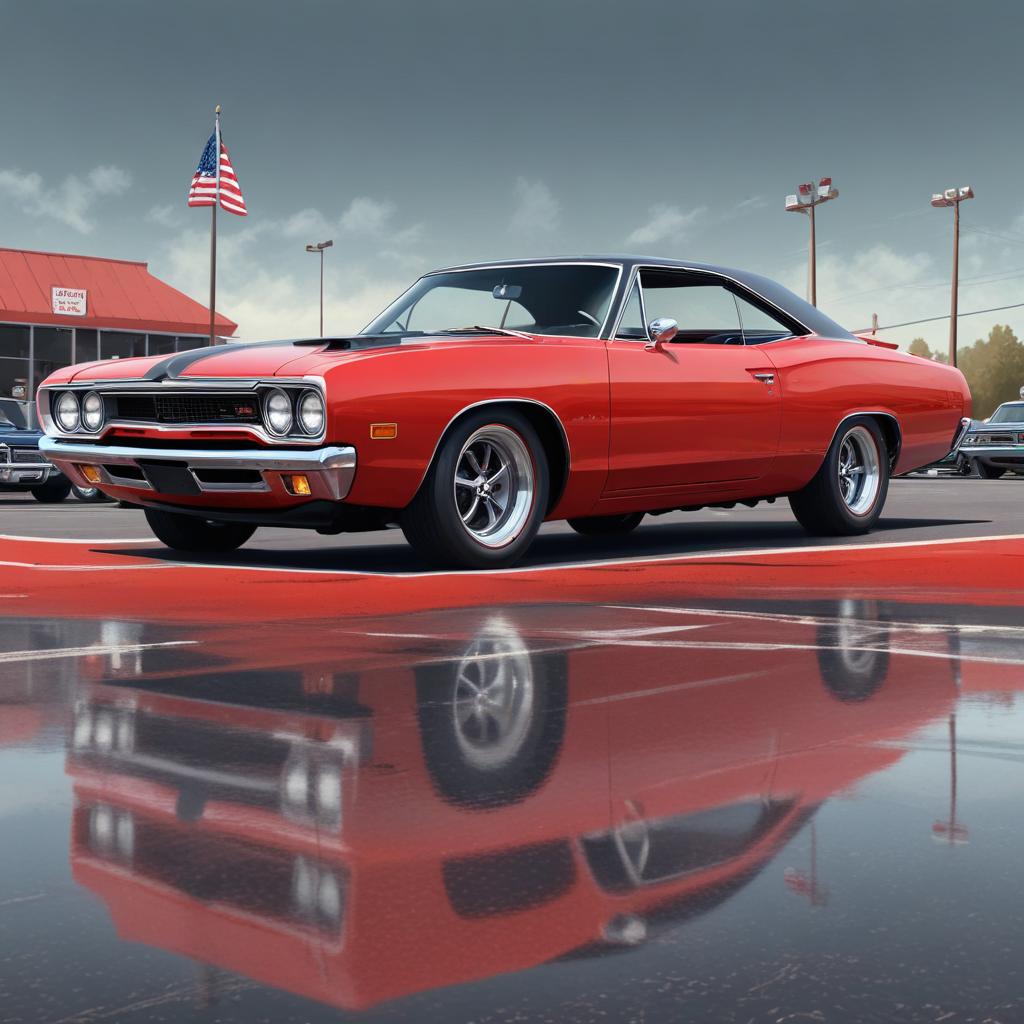
Under the hood, the Plymouth GTX benefited from innovative automotive engineering practices that elevated its performance reputation. The integration of heavy-duty suspensions, performance-tuned transmissions, and high-capacity cooling systems were crucial in supporting the vehicle’s high output engines, enabling drivers to harness the raw power without sacrificing control or reliability. This engineering focus ensured that the Plymouth GTX could deliver consistent performance, even under the demanding conditions of spirited driving or competitive racing.
Additionally, the Plymouth GTX incorporated advancements in muscle car chassis design, including reinforced frames and optimized weight distribution, which enhanced handling and stability at high speeds. These improvements made the GTX not just a car built for straight-line speed but also a more versatile and responsive muscle car, capable of thrilling performance on twisting roads and in competitive scenarios. The combination of these engineering feats and engine choices made the Plymouth GTX a benchmark for muscle car engineering innovation.
In summary, the Plymouth GTX performance legacy is deeply tied to the significant engineering innovations and powerful muscle car engines that defined it. From the massive 440 V8 to the iconic 426 HEMI, combined with thoughtful design and automotive engineering enhancements, the GTX not only exemplified car horsepower but also advanced the muscle car segment’s technical standards. These qualities cemented the Plymouth GTX as a lasting symbol of the golden age of muscle cars.
Engine Options and Powertrain
The Plymouth GTX lineup was renowned for its powerful and diverse selection of engines, setting it apart during the golden age of muscle cars. Central to the Plymouth GTX engines was the legendary 440 cubic inch V8, known for its robust performance and reliability. This big-block engine boasted a power output that ranged from 375 to 390 horsepower, depending on the configuration, making it a favorite among enthusiasts seeking high performance combined with everyday drivability.
However, the true crown jewel of the GTX powertrain options was the famed 426 HEMI engine. This powerhouse delivered an astonishing 425 horsepower, thanks to its hemispherical combustion chambers that improved airflow and combustion efficiency, setting new standards for muscle car performance. The HEMI’s mechanical features—such as solid lifters, forged pistons, and a high-performance camshaft—contributed to its reputation as one of the most formidable engines of its era.
Beyond raw power, the Plymouth GTX performance powertrain emphasized durability and smooth power delivery. Coupled with heavy-duty transmissions and reinforced drivetrains, these engine options offered muscle car enthusiasts thrilling acceleration and strong torque curves. Whether it was the versatile 440 engine or the high-octane 426 HEMI, the Plymouth GTX remained a benchmark for performance powertrain engineering during the muscle car heyday.
Handling and Suspension Technologies
The Plymouth GTX was renowned not only for its powerful engine options but also for its advanced muscle car suspension setup that significantly enhanced driving performance. The suspension design combined heavy-duty components with innovative engineering to provide excellent muscle car suspension capabilities, delivering a balance between rigidity and ride comfort. Plymouth’s approach involved a solid front suspension equipped with torsion bars and control arms that improved front-end stability and responsiveness during cornering.
At the rear, the GTX featured a robust leaf spring setup designed to manage the substantial torque output while maintaining solid contact with the road. This suspension configuration allowed the Plymouth GTX to stand out in terms of handling, especially when compared to its muscle car rivals, many of which relied on less sophisticated systems. The careful tuning of these components resulted in superior Plymouth GTX handling characteristics, giving the driver confidence and control even at high speeds or aggressive maneuvers.
Additionally, the car ride quality was notably enhanced by the GTX’s suspension, which absorbed road imperfections without compromising performance. This made the GTX not only a formidable muscle car on the drag strip but also a surprisingly comfortable vehicle for everyday driving. The overall suspension and handling technologies embodied in the Plymouth GTX underscored Chrysler’s commitment to creating a muscle car that excelled on multiple fronts, combining power, agility, and ride comfort in one iconic package.
Legacy and Cultural Impact of the Plymouth GTX
The Plymouth GTX holds a revered place in muscle car culture, celebrated not only for its raw power and iconic style but also for its enduring legacy that continues to influence car enthusiasts and the automotive industry today. This model has become a symbol of the golden age of muscle cars, embodying the spirit of American performance and design innovation that muscle car culture cherishes.
One of the most significant aspects of the Plymouth GTX legacy is its deep-rooted connection with classic car collectors. Over the decades, the GTX has evolved from a sought-after muscle car to a highly prized collector’s item. Its relative rarity, combined with its powerful engines and distinctive design, makes it a standout piece at car shows and automotive events. Collectors and enthusiasts alike treasure these vehicles, often restoring them to their original glory or customizing them to reflect their personal vision, further cementing the GTX’s role in shaping muscle car culture.
The influence of the Plymouth GTX extends beyond the collector’s garage. Car shows and muscle car events frequently showcase this model as a prime example of muscle car excellence, drawing crowds eager to witness its blend of performance and style. These events not only preserve the history of the muscle car era but also foster a community of enthusiasts who celebrate the impact of cars like the GTX on American automotive heritage.
Moreover, the legacy of the Plymouth GTX has left an indelible mark on modern automotive design. Elements of its aggressive stance, muscular contours, and performance-oriented engineering can be seen echoed in contemporary muscle cars and performance vehicles. Manufacturers continue to draw inspiration from the GTX’s blend of form and function, ensuring that the spirit of the muscle car era thrives in today’s automotive innovations. This ongoing influence highlights the Plymouth GTX’s significance not only as a historical icon but also as a catalyst for modern muscle car design.
In summary, the Plymouth GTX’s legacy is a cornerstone of muscle car culture, celebrated by classic car collectors and muscle car enthusiasts worldwide. Its presence at car shows and its influence on modern automotive design underscore the lasting impact of this legendary muscle car. The Plymouth GTX remains a powerful symbol of American muscle car heritage, inspiring a passion that continues to drive the muscle car culture forward.
Plymouth GTX in Popular Culture
The Plymouth GTX has firmly established itself as an icon in the realm of muscle cars movies and popular media. Its aggressive styling and powerful presence have made it a favorite choice for filmmakers aiming to capture the essence of the muscle car era. From thrilling chase scenes to key dramatic moments, the Plymouth GTX often appears as a symbol of raw power and classic American automotive performance.
In numerous classic car appearances throughout film and television history, the GTX stands out as a nostalgic emblem of the 60s and 70s muscle car culture. Its distinctive design has been featured prominently in various popular TV shows and cinematic productions, where it often embodies the rebellious spirit and freedom associated with muscle cars. This media exposure has helped cement the Plymouth GTX’s legacy and continue to attract enthusiasts and collectors alike.
The role of the Plymouth GTX in media goes beyond just appearances; it represents a cultural touchstone for muscle car nostalgia. Enthusiasts often celebrate its starring roles alongside other legendary vehicles, highlighting the GTX as a key player in muscle car history. Such representations in popular culture contribute to ongoing appreciation and fascination with this classic model.
Modern-Day Collecting and Restoration
Today, the world of classic car restoration is thriving, particularly among Plymouth GTX collectors who are passionate about muscle car preservation. Enthusiasts are embracing modern techniques and authentic parts to restore these iconic vehicles to their original glory while sometimes incorporating subtle upgrades for improved performance and reliability. However, the process is not without its challenges, as finding rare components and expert craftsmanship can be both time-consuming and costly.
The market value of Plymouth GTX models has seen a steady rise, driven by increasing demand from both seasoned collectors and new enthusiasts. Well-maintained or expertly restored GTXs fetch premium prices, reflecting their status as coveted muscle cars from the golden era. Auctions and classic car shows serve as prime venues for trading these gems, with dedicated collectors often forming tight-knit communities around this shared passion.
Community resources play a crucial role in supporting muscle car preservation efforts. Online forums, clubs, and restoration workshops provide invaluable advice, technical knowledge, and camaraderie for Plymouth GTX collectors. These resources enable enthusiasts to overcome hurdles in restoration projects and keep the spirit of the GTX alive for future generations. The collective enthusiasm ensures that the legacy of the Plymouth GTX remains vibrant in the classic car community.
Introduction to Plymouth GTX and Muscle Cars
The Plymouth GTX holds a special place in the history of American muscle cars, an era that is often remembered as the golden age of automotive performance and design. Emerging in the mid-1960s, the Plymouth GTX was Chrysler’s answer to the growing demand for powerful, stylish, and affordable muscle cars. As a higher-performance variant of the Plymouth Belvedere, the GTX was introduced in 1967 and quickly gained a reputation for its blend of luxury and muscle, often dubbed the “gentleman’s muscle car.”
The 1960s and early 1970s marked a defining period in car history, particularly in the United States, where muscle cars became a cultural phenomenon. These 1960s cars were characterized by their potent V8 engines, aggressive styling, and emphasis on speed and power. Automakers like Plymouth, Ford, Chevrolet, and Dodge competed fiercely to produce vehicles that not only delivered raw horsepower but also appealed to the youthful and performance-hungry market. This period saw the birth of some of the most iconic muscle cars, and the Plymouth GTX was firmly among them.
Muscle cars like the Plymouth GTX went beyond just being powerful vehicles; they represented a social and cultural shift during the era. The cars became symbols of freedom, rebellion, and American ingenuity. They were affordable enough for younger drivers to own and modify, which further fueled the muscle car craze. In addition to performance, the GTX was known for its comfort and style, offering a combination that set it apart from many of its contemporaries. This balance allowed it to appeal to a broader audience, from the everyday driver to the weekend racer.
Understanding the Plymouth GTX within the context of the golden age of muscle cars highlights not only its role in automotive history but also its lasting impact. The muscle car era, particularly through models like the GTX, champions an era when cars were more than transportation—they were statements of personality and passion. Collectors and enthusiasts today continue to celebrate this unique period, cherishing the Plymouth GTX as a prime example of the power, style, and spirit that defined the muscle car movement of the 1960s and early 1970s.
Overview of the Plymouth GTX Model
The Plymouth GTX stands out as a hallmark in muscle car history, renowned for its blend of power, style, and innovation. As a muscle car, the Plymouth GTX overview reveals a vehicle designed not just for speed but for a commanding presence on the road. Its sleek and aggressive design featured a long hood, sculpted lines, and bold front grille that contributed to its intimidating look, setting it apart in the muscle car lineup.
Under the hood, Plymouth performance was characterized by formidable V8 engines, including the famous 440 cubic inch and the legendary 426 HEMI, which offered remarkable horsepower and torque. These powertrains allowed the GTX to achieve impressive acceleration and speed, making it a favorite among muscle car enthusiasts who valued raw power combined with reliability.
Muscle car specs of the Plymouth GTX also boasted a robust suspension system, heavy-duty brakes, and performance-tuned components that enhanced handling and driving experience. The interior matched its exterior with comfort and sportiness, featuring bucket seats and a driver-focused dashboard. Collectively, these attributes define the Plymouth GTX model as a perfect merger of muscle car muscle and refinement, ensuring its legacy in automotive history as a true muscle car icon.
The Golden Age of Muscle Cars
The golden age muscle cars era, primarily spanning the 1960s, marked a significant chapter in American automotive history. This period saw a surge of high-performance vehicles that embodied power, style, and innovation, capturing the imagination of car enthusiasts nationwide. The Plymouth GTX emerged as a standout example of 1960s muscle cars during this vibrant era, perfectly blending raw power with sleek design. Introduced as a “gentleman’s muscle car,” the GTX combined strong engine performance with comfortable interiors, setting it apart from some of the more aggressive muscle car counterparts.
The cultural impact of the American muscle car era can’t be overstated. These cars became symbols of freedom, youthful rebellion, and American ingenuity against the backdrop of post-war prosperity. Muscle cars like the Plymouth GTX featured prominently in popular media, influencing trends and inspiring a passionate car culture that endures to this day. The GTX’s role in the golden age muscle cars movement underscored the desire for vehicles that delivered both performance and everyday usability, appealing to a broader audience.
Ultimately, the Plymouth GTX was more than just a car; it was a cultural icon that reflected the spirit of innovation and excitement that defined the golden age muscle cars. Its blend of power and refinement helped solidify the American muscle car era’s legacy, standing as a testament to the 1960s muscle car boom that continues to captivate generations of enthusiasts.
Performance and Engineering Innovations of the Plymouth GTX
The Plymouth GTX stood out in the muscle car era not only for its striking appearance but also for its remarkable performance and engineering innovations. A true icon of automotive engineering, the Plymouth GTX performance capabilities were a result of careful design, robust engine options, and cutting-edge advancements that helped secure its place in muscle car history.
Central to the Plymouth GTX’s performance was its range of powerful muscle car engines. Initially equipped with the revered 440 cubic inch V8 engine, commonly known as the “Super Commando,” the GTX delivered an impressive horsepower rating that could dominate the drag strip and the open road alike. This engine was renowned for its torque and acceleration, providing an exhilarating driving experience that defined what muscle car enthusiasts cherished. Later models even offered a 426 HEMI, an engine legendary for its unmatched power and engineering that further pushed the boundaries of car horsepower in its class.
Under the hood, the Plymouth GTX benefited from innovative automotive engineering practices that elevated its performance reputation. The integration of heavy-duty suspensions, performance-tuned transmissions, and high-capacity cooling systems were crucial in supporting the vehicle’s high output engines, enabling drivers to harness the raw power without sacrificing control or reliability. This engineering focus ensured that the Plymouth GTX could deliver consistent performance, even under the demanding conditions of spirited driving or competitive racing.
Additionally, the Plymouth GTX incorporated advancements in muscle car chassis design, including reinforced frames and optimized weight distribution, which enhanced handling and stability at high speeds. These improvements made the GTX not just a car built for straight-line speed but also a more versatile and responsive muscle car, capable of thrilling performance on twisting roads and in competitive scenarios. The combination of these engineering feats and engine choices made the Plymouth GTX a benchmark for muscle car engineering innovation.
In summary, the Plymouth GTX performance legacy is deeply tied to the significant engineering innovations and powerful muscle car engines that defined it. From the massive 440 V8 to the iconic 426 HEMI, combined with thoughtful design and automotive engineering enhancements, the GTX not only exemplified car horsepower but also advanced the muscle car segment’s technical standards. These qualities cemented the Plymouth GTX as a lasting symbol of the golden age of muscle cars.
Engine Options and Powertrain
The Plymouth GTX lineup was renowned for its powerful and diverse selection of engines, setting it apart during the golden age of muscle cars. Central to the Plymouth GTX engines was the legendary 440 cubic inch V8, known for its robust performance and reliability. This big-block engine boasted a power output that ranged from 375 to 390 horsepower, depending on the configuration, making it a favorite among enthusiasts seeking high performance combined with everyday drivability.
However, the true crown jewel of the GTX powertrain options was the famed 426 HEMI engine. This powerhouse delivered an astonishing 425 horsepower, thanks to its hemispherical combustion chambers that improved airflow and combustion efficiency, setting new standards for muscle car performance. The HEMI’s mechanical features—such as solid lifters, forged pistons, and a high-performance camshaft—contributed to its reputation as one of the most formidable engines of its era.
Beyond raw power, the Plymouth GTX performance powertrain emphasized durability and smooth power delivery. Coupled with heavy-duty transmissions and reinforced drivetrains, these engine options offered muscle car enthusiasts thrilling acceleration and strong torque curves. Whether it was the versatile 440 engine or the high-octane 426 HEMI, the Plymouth GTX remained a benchmark for performance powertrain engineering during the muscle car heyday.
Handling and Suspension Technologies
The Plymouth GTX was renowned not only for its powerful engine options but also for its advanced muscle car suspension setup that significantly enhanced driving performance. The suspension design combined heavy-duty components with innovative engineering to provide excellent muscle car suspension capabilities, delivering a balance between rigidity and ride comfort. Plymouth’s approach involved a solid front suspension equipped with torsion bars and control arms that improved front-end stability and responsiveness during cornering.
At the rear, the GTX featured a robust leaf spring setup designed to manage the substantial torque output while maintaining solid contact with the road. This suspension configuration allowed the Plymouth GTX to stand out in terms of handling, especially when compared to its muscle car rivals, many of which relied on less sophisticated systems. The careful tuning of these components resulted in superior Plymouth GTX handling characteristics, giving the driver confidence and control even at high speeds or aggressive maneuvers.
Additionally, the car ride quality was notably enhanced by the GTX’s suspension, which absorbed road imperfections without compromising performance. This made the GTX not only a formidable muscle car on the drag strip but also a surprisingly comfortable vehicle for everyday driving. The overall suspension and handling technologies embodied in the Plymouth GTX underscored Chrysler’s commitment to creating a muscle car that excelled on multiple fronts, combining power, agility, and ride comfort in one iconic package.
Legacy and Cultural Impact of the Plymouth GTX
The Plymouth GTX holds a revered place in muscle car culture, celebrated not only for its raw power and iconic style but also for its enduring legacy that continues to influence car enthusiasts and the automotive industry today. This model has become a symbol of the golden age of muscle cars, embodying the spirit of American performance and design innovation that muscle car culture cherishes.
One of the most significant aspects of the Plymouth GTX legacy is its deep-rooted connection with classic car collectors. Over the decades, the GTX has evolved from a sought-after muscle car to a highly prized collector’s item. Its relative rarity, combined with its powerful engines and distinctive design, makes it a standout piece at car shows and automotive events. Collectors and enthusiasts alike treasure these vehicles, often restoring them to their original glory or customizing them to reflect their personal vision, further cementing the GTX’s role in shaping muscle car culture.
The influence of the Plymouth GTX extends beyond the collector’s garage. Car shows and muscle car events frequently showcase this model as a prime example of muscle car excellence, drawing crowds eager to witness its blend of performance and style. These events not only preserve the history of the muscle car era but also foster a community of enthusiasts who celebrate the impact of cars like the GTX on American automotive heritage.
Moreover, the legacy of the Plymouth GTX has left an indelible mark on modern automotive design. Elements of its aggressive stance, muscular contours, and performance-oriented engineering can be seen echoed in contemporary muscle cars and performance vehicles. Manufacturers continue to draw inspiration from the GTX’s blend of form and function, ensuring that the spirit of the muscle car era thrives in today’s automotive innovations. This ongoing influence highlights the Plymouth GTX’s significance not only as a historical icon but also as a catalyst for modern muscle car design.
In summary, the Plymouth GTX’s legacy is a cornerstone of muscle car culture, celebrated by classic car collectors and muscle car enthusiasts worldwide. Its presence at car shows and its influence on modern automotive design underscore the lasting impact of this legendary muscle car. The Plymouth GTX remains a powerful symbol of American muscle car heritage, inspiring a passion that continues to drive the muscle car culture forward.
Plymouth GTX in Popular Culture
The Plymouth GTX has firmly established itself as an icon in the realm of muscle cars movies and popular media. Its aggressive styling and powerful presence have made it a favorite choice for filmmakers aiming to capture the essence of the muscle car era. From thrilling chase scenes to key dramatic moments, the Plymouth GTX often appears as a symbol of raw power and classic American automotive performance.
In numerous classic car appearances throughout film and television history, the GTX stands out as a nostalgic emblem of the 60s and 70s muscle car culture. Its distinctive design has been featured prominently in various popular TV shows and cinematic productions, where it often embodies the rebellious spirit and freedom associated with muscle cars. This media exposure has helped cement the Plymouth GTX’s legacy and continue to attract enthusiasts and collectors alike.
The role of the Plymouth GTX in media goes beyond just appearances; it represents a cultural touchstone for muscle car nostalgia. Enthusiasts often celebrate its starring roles alongside other legendary vehicles, highlighting the GTX as a key player in muscle car history. Such representations in popular culture contribute to ongoing appreciation and fascination with this classic model.
Modern-Day Collecting and Restoration
Today, the world of classic car restoration is thriving, particularly among Plymouth GTX collectors who are passionate about muscle car preservation. Enthusiasts are embracing modern techniques and authentic parts to restore these iconic vehicles to their original glory while sometimes incorporating subtle upgrades for improved performance and reliability. However, the process is not without its challenges, as finding rare components and expert craftsmanship can be both time-consuming and costly.
The market value of Plymouth GTX models has seen a steady rise, driven by increasing demand from both seasoned collectors and new enthusiasts. Well-maintained or expertly restored GTXs fetch premium prices, reflecting their status as coveted muscle cars from the golden era. Auctions and classic car shows serve as prime venues for trading these gems, with dedicated collectors often forming tight-knit communities around this shared passion.
Community resources play a crucial role in supporting muscle car preservation efforts. Online forums, clubs, and restoration workshops provide invaluable advice, technical knowledge, and camaraderie for Plymouth GTX collectors. These resources enable enthusiasts to overcome hurdles in restoration projects and keep the spirit of the GTX alive for future generations. The collective enthusiasm ensures that the legacy of the Plymouth GTX remains vibrant in the classic car community.

Ever since I bought my first used pickup truck, I’ve been obsessed with finding the perfect blend of off-road capability and weekend comfort. I spend my free time exploring state parks and tinkering with restoration projects in my garage. My writing focuses on how vehicles can enhance your lifestyle and outdoor adventures.