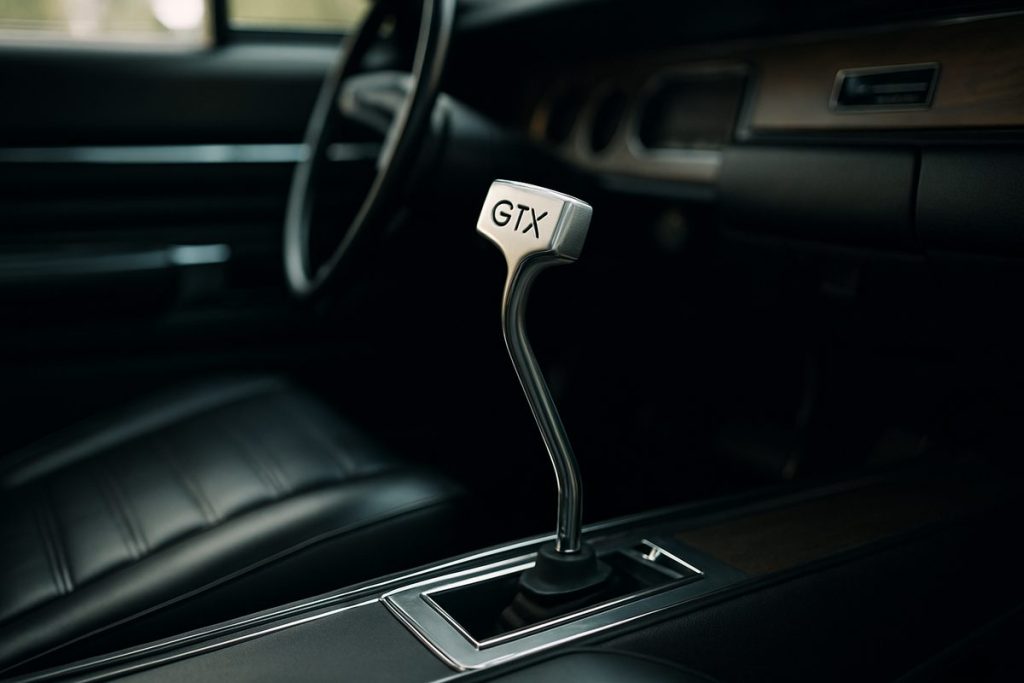
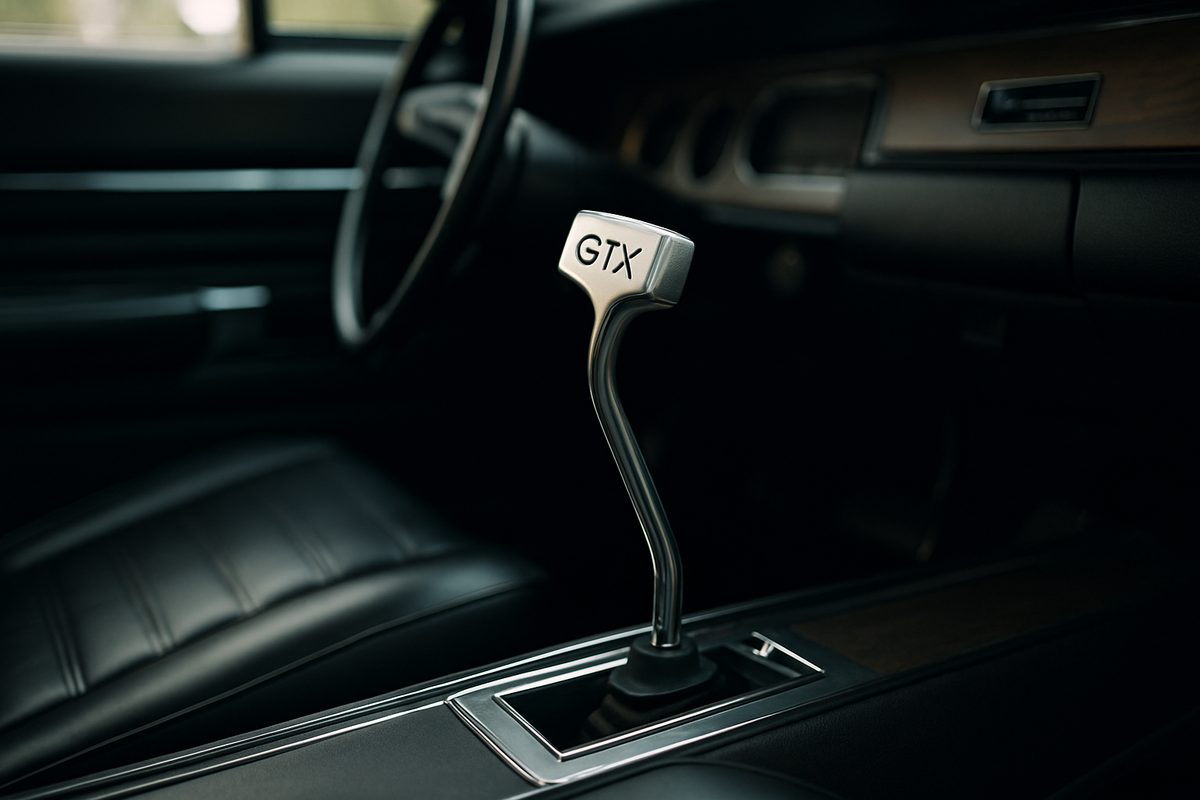
To source original parts, seek out reputable suppliers specializing in vintage Plymouth GTX transmissions. Dedicated classic car part dealers, online marketplaces, and car enthusiast forums are excellent resources. Networking with other Plymouth GTX restorers can also lead to rare finds. Always verify the authenticity of parts by checking part numbers and manufacturer marks.
Once you obtain original transmission components, proper restoration is crucial. Clean all parts thoroughly to remove old grease and grime. Inspect for wear, cracks, or damage and replace only those parts beyond repair to keep as much of the original material intact. Rebuild kits designed for the Plymouth GTX transmission can assist with hard-to-find seals and gaskets.
Consulting restoration guides and service manuals for the Plymouth GTX can help ensure that assembly and adjustments are performed correctly, preserving the original functionality. By sourcing and restoring original transmission components with care, you protect the authenticity and enhance the driving experience of your Plymouth GTX restoration.
Upgrading to Modern Transmission Technologies
When considering transmission upgrades for your Plymouth GTX, exploring modern transmissions can significantly enhance vehicle performance and drivability. Modern transmission technologies offer a range of options that blend advanced electronically controlled systems with performance-oriented mechanics, thus delivering smoother shifts and improved efficiency.
One of the most popular transmission upgrades involves electronically controlled automatic transmissions. These modern systems replace older, purely mechanical linkages with electronically managed controls that optimize gear changes based on driving conditions and engine performance. This translates into quicker, more precise shifts and better fuel economy, which is a notable improvement over the original transmission setups found in classic Plymouth GTX models.
For enthusiasts focused on performance enhancement, performance-oriented transmission upgrades are also widely available. These include reinforced gear sets, high-stall torque converters, and manual mode features that offer greater driver engagement and control. Many of these performance transmissions are designed to fit directly into Plymouth GTX models, providing enhanced durability to handle increased horsepower and torque from engine modifications.
Ultimately, upgrading to modern transmissions not only extends the functionality of your Plymouth GTX but also elevates the overall driving experience. Whether opting for state-of-the-art electronically controlled units or robust performance transmissions, these upgrades ensure your classic muscle car meets contemporary performance standards while maintaining the iconic style and essence of the Plymouth GTX.
Overview of Plymouth GTX Transmission Types
The Plymouth GTX stands as an iconic symbol in the world of classic cars, celebrated for its blend of style, power, and performance. Introduced in the late 1960s, the GTX quickly gained a reputation as a muscle car that delivered both thrilling driving experiences and a strong street presence. One of the critical aspects contributing to the unique character of the Plymouth GTX lies in its variety of transmission types, which catered to different driving preferences and performance needs.
Understanding the transmission types used in the Plymouth GTX offers enthusiasts and collectors valuable insights into the mechanics and engineering behind this classic muscle car. Throughout its production years, the Plymouth GTX was equipped with several transmission options, ranging from manual gearboxes that provided hands-on control and a direct connection to the car’s powerful engine, to automatic transmissions that offered convenience and smooth shifting for everyday driving.
The manual transmissions in the Plymouth GTX were typically 3-speed or 4-speed units, prized for their robust construction and ability to handle the car’s substantial horsepower. These gearboxes allowed drivers to experience the full muscle car vibe, engaging with the vehicle in an active and spirited manner. On the other hand, the automatic transmissions available in the GTX models included the popular 3-speed automatics, which appealed to those wanting ease of use without sacrificing the muscle car’s dynamic performance.
Overall, the range of transmission types found in the Plymouth GTX reflects the car’s versatility and its appeal to a broad spectrum of muscle car fans. Whether favoring the raw engagement of a manual or the effortless cruising of an automatic, the Plymouth GTX’s transmission options contributed significantly to its legacy as a true classic.
Manual Transmissions in Plymouth GTX
The Plymouth GTX muscle car is celebrated not only for its powerful performance but also for its variety of transmission options, particularly the manual transmission. Manual transmissions in the Plymouth GTX are prized for offering drivers a more engaged and authentic driving experience, embodying the true spirit of a muscle car manual setup. Among the most popular manual transmission models used in the Plymouth GTX is the classic 4-speed manual transmission, which has become synonymous with vintage muscle car driving.
The 4-speed manual transmission in the Plymouth GTX provides precise control over gear shifting, giving the driver the ability to maximize engine power and torque delivery according to driving conditions. This transmission type is favored by enthusiasts for its simplicity, durability, and responsiveness. The direct connection between the driver’s input and the mechanical gear changes brings an unmatched level of control and connection to the vehicle, enhancing the driving dynamics of the Plymouth GTX.
Typical manual transmissions found in the Plymouth GTX include the A833 and A727 models. These transmissions are renowned for their robustness and reliability, capable of handling the high horsepower produced by the GTX’s powerful engines. The manual transmission option not only adds to the car’s performance capabilities but also contributes to a more satisfying and interactive driving environment — a key reason many muscle car aficionados seek out Plymouth GTX models equipped with a manual transmission.
Overall, the manual transmission, especially the 4-speed manual in the Plymouth GTX, remains a hallmark of muscle car heritage, appealing to those who value driving skill and vehicle control as integral parts of the driving experience.
Automatic Transmissions in Plymouth GTX
The Plymouth GTX was offered with several transmission options, but one of the most notable automatic transmissions available was the legendary TorqueFlite. This three-speed automatic transmission was designed by Chrysler and became a staple in many muscle cars of the era due to its reliability and smooth shifting capabilities. For Plymouth GTX owners seeking performance combined with convenience, the TorqueFlite automatic transmission was a perfect match.
The TorqueFlite was known for its robust construction, which allowed it to handle the high torque output produced by the powerful V8 engines found in the Plymouth GTX. Its design included a torque converter that provided excellent power transfer and acceleration, making it a favored choice for those looking to maintain a strong muscle car automatic experience without sacrificing drivability. The transmission maintained smooth gear changes even under aggressive driving conditions, which was essential for preserving performance in a muscle car.
In addition to the TorqueFlite, Plymouth GTX models could also be equipped with other automatic transmissions, but none were as synonymous with muscle car automatic performance as the TorqueFlite. Its clean engineering and durability made it a popular transmission not only for street driving but also for drag racing and other high-performance applications. Enthusiasts of the Plymouth GTX often praise the TorqueFlite for its ease of maintenance and the seamless integration it provided with the car’s powerful engine options.
Overall, the automatic transmission choices for the Plymouth GTX, led by the TorqueFlite, helped define the driving experience for muscle car fans, ensuring that the car delivered both power and refinement. The TorqueFlite remains an iconic example of muscle car automatic transmissions that helped make the Plymouth GTX a memorable and thrilling ride.
Comparison of Transmission Performance and Reliability
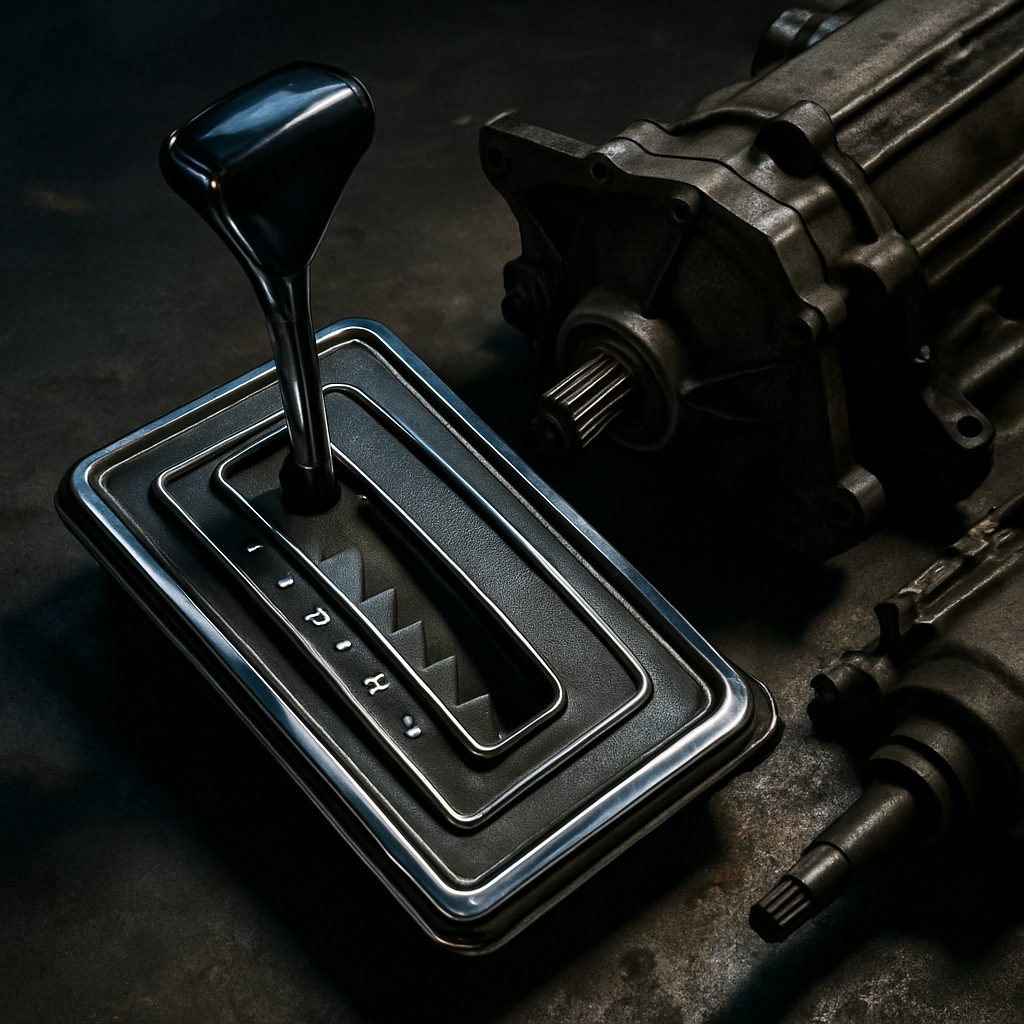
When evaluating the transmission performance and reliability of the Plymouth GTX, it’s essential to weigh the differences between manual and automatic transmissions. Both options offer unique driving experiences and mechanical characteristics that appeal to different types of drivers.
The manual transmission in the Plymouth GTX is celebrated for providing a more engaging and controlled driving experience. Enthusiasts appreciate the ability to manually select gears, which allows for precise power delivery and better control over acceleration and engine braking. This hands-on approach can enhance the feeling of connection with the car, especially during spirited driving. From a performance standpoint, manual transmissions often allow for quicker response times and can maximize the engine’s potential when properly shifted.
In terms of reliability, manual transmissions are typically simpler in design compared to automatics, with fewer components prone to wear and failure. This often translates to lower maintenance costs and a longer lifespan when the transmission is handled with competent care. However, the clutch assembly in a manual transmission requires periodic replacement and can be susceptible to wear from aggressive driving or stop-and-go traffic.
Automatic transmissions in the Plymouth GTX provide a different set of advantages. They offer ease of use and convenience, particularly in heavy traffic or long-distance cruising situations where constant gear changes would be tiring. Modern automatics are designed to optimize gear shifts for smoothness and fuel efficiency, which can contribute positively to overall driving comfort and consistent performance.
While automatic transmissions can be more complex and costly to repair, they are renowned for their durability when maintained regularly. Many Plymouth GTX owners find the automatic transmission reliable for daily use, requiring less driver intervention. However, in terms of raw performance, automatic transmissions may not always offer the same direct driver engagement or shift speed as their manual counterparts.
In conclusion, the choice between manual and automatic transmissions in a Plymouth GTX primarily depends on the driver’s preferences for transmission performance, reliability, and the desired driving experience. Manual transmissions excel in delivering a sporty and connected feel with potentially higher long-term reliability and lower repair costs. On the other hand, automatic transmissions provide ease of use and a comfortable ride with competitive reliability for those prioritizing convenience over engagement.
Performance Benefits of Manual Transmissions
Manual transmission offers significant performance benefits for Plymouth GTX owners, providing enhanced acceleration, improved driver control, and better fuel efficiency. One of the key advantages of a manual transmission is the ability to directly manipulate gear changes, allowing drivers to keep the engine within its optimal power band. This translates to quicker acceleration, as drivers can downshift precisely when needed for maximum torque and power delivery.
Additionally, manual transmissions give the driver full control over gear selection, which enhances the driving experience and connection with the vehicle. For the Plymouth GTX, this means drivers can tailor their shifts to match driving conditions and preferences, whether cruising on highways or powering through tight corners on back roads. This direct engagement results in a more responsive and dynamic driving feel, appealing especially to performance enthusiasts.
Fuel efficiency is another benefit associated with manual transmissions. By managing shifts strategically, drivers can minimize fuel consumption by avoiding unnecessary revving or lugging of the engine. The Plymouth GTX with a manual transmission often benefits from better mileage compared to its automatic counterparts, making it a practical choice for those who value both spirited driving and economical operation.
Overall, manual transmission enhances the Plymouth GTX’s performance by combining rapid acceleration, superior driver control, and fuel economy, making it an ideal option for drivers seeking a more engaged and efficient driving experience.
Reliability and Maintenance of Automatic Transmissions
Owners of Plymouth GTX vehicles with automatic transmissions should pay close attention to maintenance to ensure long-term reliability. Regular maintenance involves checking and changing the transmission fluid, which is vital for preventing overheating and wear. Using the correct type of automatic transmission fluid (ATF) recommended by Plymouth can help maintain optimal performance and extend transmission life.
Another key maintenance practice is inspecting the transmission filter and replacing it as needed. A clogged or dirty filter can restrict fluid flow, causing shifting issues and increased wear on the transmission components. Alongside fluid and filter upkeep, it’s important to monitor the transmission for any signs of leaks, unusual noises, or delayed shifting, as these symptoms may indicate developing problems.
The reliability of automatic transmissions in Plymouth GTX cars greatly depends on how well these maintenance tasks are performed. Neglecting regular service can lead to costly repairs or complete transmission failure. Therefore, adhering to a recommended maintenance schedule not only preserves the vehicle’s performance but also ensures a smoother driving experience and better resale value.
In summary, maintaining the automatic transmission system with regular fluid changes, filter replacements, and system inspections is crucial for the reliability of Plymouth GTX cars. Owners who invest time and care into transmission maintenance typically enjoy fewer issues and more dependable performance over the lifespan of their vehicles.
Restoration and Upgrade Options for Plymouth GTX Transmissions
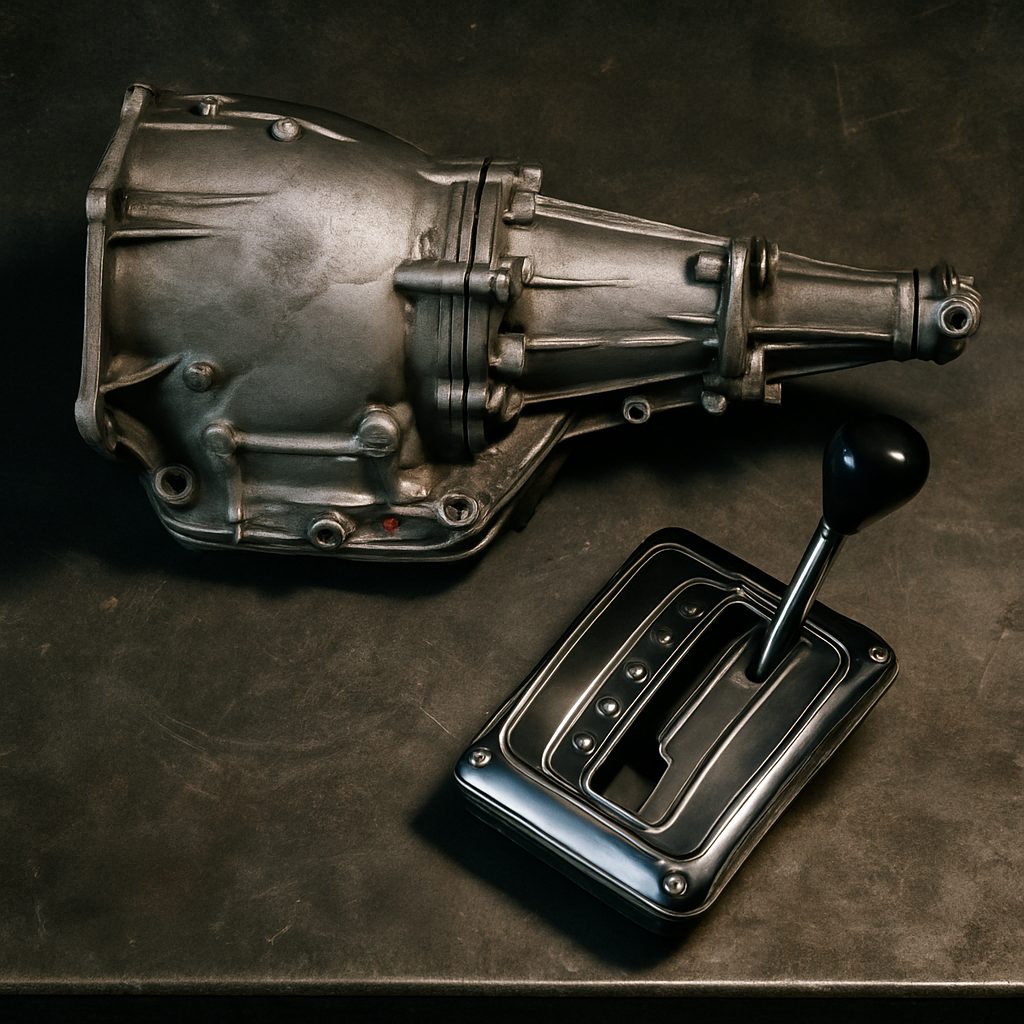
Restoring the transmission of your Plymouth GTX is a vital step in bringing this classic muscle car back to its former glory. When embarking on a restoration project, it’s essential to begin with a thorough inspection of the transmission components, including the clutch, gears, seals, and torque converter. Replacing worn-out or damaged parts with high-quality classic car parts is crucial to ensure reliability and authenticity in your restoration. Many enthusiasts recommend sourcing OEM or reproduction parts that closely match the original specifications of the Plymouth GTX transmission to maintain its classic character.
Cleaning and refurbishing the transmission housing and all internal elements can also extend the life of the transmission and improve its performance. Precision during reassembly, including proper torque settings and alignment, plays a significant role in preventing leaks and mechanical failures. Additionally, updating the transmission fluid with the appropriate type recommended for your specific model year helps maintain smooth operation and protects the system from wear and tear.
For those looking to enhance the driving experience beyond restoration, transmission upgrades can provide significant benefits. Popular upgrades include installing a more modern automatic transmission for improved fuel efficiency and smoother shifts or upgrading to a heavy-duty clutch if your Plymouth GTX sees spirited driving or occasional track use. Performance torque converters and transmission coolers are also favored options that improve acceleration, reduce heat build-up, and increase the longevity of your transmission system.
The selection of upgrades often depends on your intended use of the Plymouth GTX, whether it’s for daily driving, car shows, or performance driving. Consulting with specialists who have experience with Plymouth GTX transmission systems and classic car parts can help you find the best balance between authenticity and performance enhancements. Ultimately, whether restoring or upgrading, investing time and quality components into your Plymouth GTX transmission ensures that this iconic muscle car continues to deliver excellent performance and driving pleasure for years to come.
Restoring Original Transmission Components
Maintaining authenticity during a Plymouth GTX restoration requires careful attention to sourcing and restoring original transmission components. Restoration of these parts ensures the vehicle maintains its classic value and performance integrity. Start by identifying the exact transmission model used in your specific Plymouth GTX, as different production years may feature different types.
To source original parts, seek out reputable suppliers specializing in vintage Plymouth GTX transmissions. Dedicated classic car part dealers, online marketplaces, and car enthusiast forums are excellent resources. Networking with other Plymouth GTX restorers can also lead to rare finds. Always verify the authenticity of parts by checking part numbers and manufacturer marks.
Once you obtain original transmission components, proper restoration is crucial. Clean all parts thoroughly to remove old grease and grime. Inspect for wear, cracks, or damage and replace only those parts beyond repair to keep as much of the original material intact. Rebuild kits designed for the Plymouth GTX transmission can assist with hard-to-find seals and gaskets.
Consulting restoration guides and service manuals for the Plymouth GTX can help ensure that assembly and adjustments are performed correctly, preserving the original functionality. By sourcing and restoring original transmission components with care, you protect the authenticity and enhance the driving experience of your Plymouth GTX restoration.
Upgrading to Modern Transmission Technologies
When considering transmission upgrades for your Plymouth GTX, exploring modern transmissions can significantly enhance vehicle performance and drivability. Modern transmission technologies offer a range of options that blend advanced electronically controlled systems with performance-oriented mechanics, thus delivering smoother shifts and improved efficiency.
One of the most popular transmission upgrades involves electronically controlled automatic transmissions. These modern systems replace older, purely mechanical linkages with electronically managed controls that optimize gear changes based on driving conditions and engine performance. This translates into quicker, more precise shifts and better fuel economy, which is a notable improvement over the original transmission setups found in classic Plymouth GTX models.
For enthusiasts focused on performance enhancement, performance-oriented transmission upgrades are also widely available. These include reinforced gear sets, high-stall torque converters, and manual mode features that offer greater driver engagement and control. Many of these performance transmissions are designed to fit directly into Plymouth GTX models, providing enhanced durability to handle increased horsepower and torque from engine modifications.
Ultimately, upgrading to modern transmissions not only extends the functionality of your Plymouth GTX but also elevates the overall driving experience. Whether opting for state-of-the-art electronically controlled units or robust performance transmissions, these upgrades ensure your classic muscle car meets contemporary performance standards while maintaining the iconic style and essence of the Plymouth GTX.

Ever since I bought my first used pickup truck, I’ve been obsessed with finding the perfect blend of off-road capability and weekend comfort. I spend my free time exploring state parks and tinkering with restoration projects in my garage. My writing focuses on how vehicles can enhance your lifestyle and outdoor adventures.