The Allure of the Plymouth GTX
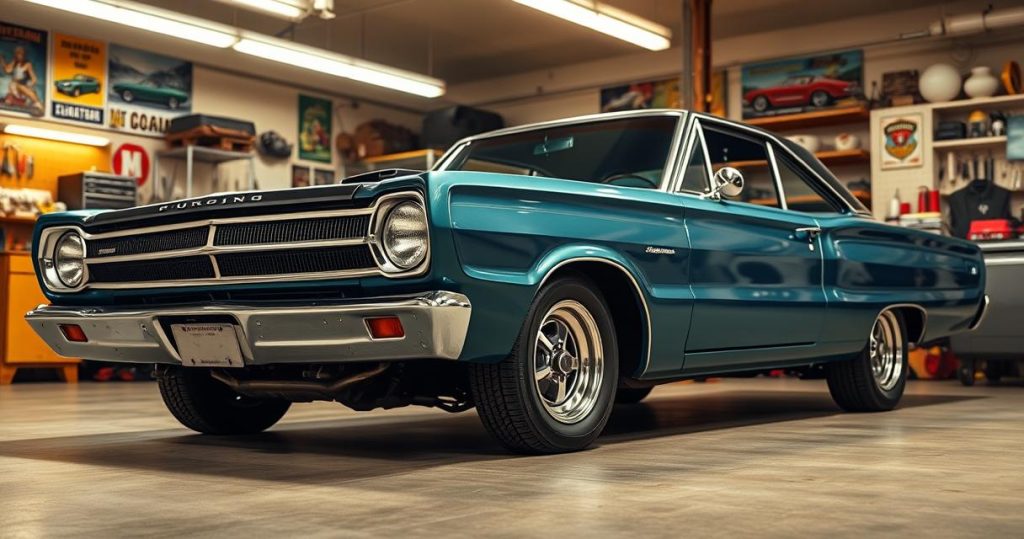
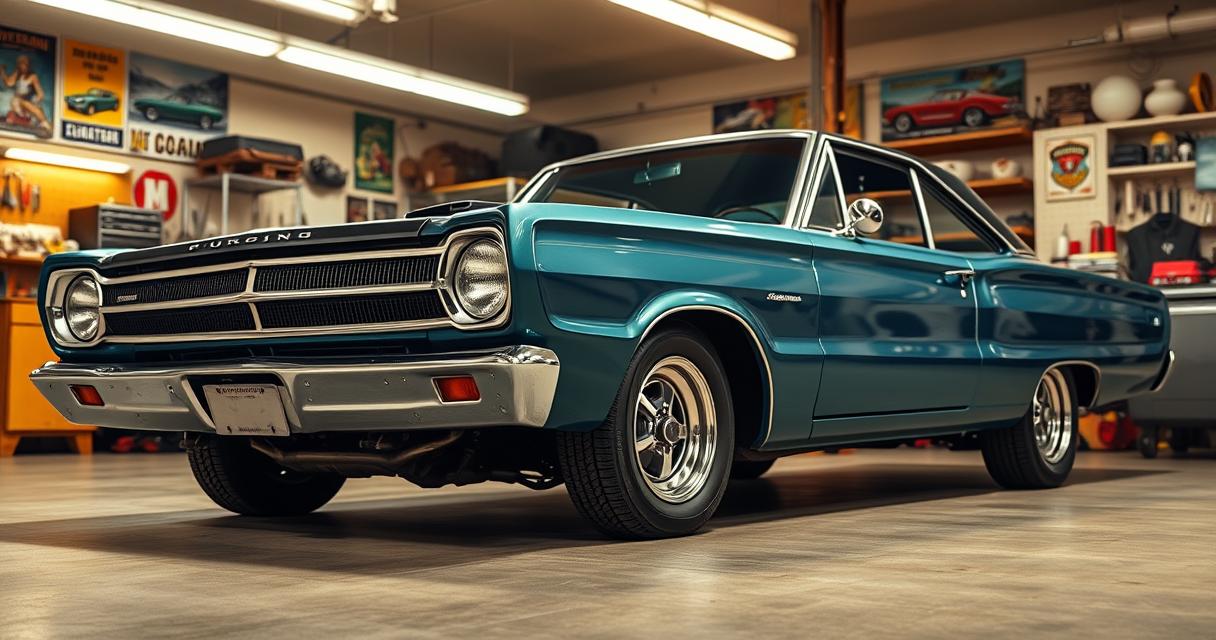
The Plymouth GTX, often referred to as the “gentleman’s muscle car,” is a classic vehicle that embodies the spirit of American automotive design from the late 1960s and early 1970s. With its striking lines, powerful engine options, and a reputation for performance, the GTX has become a sought-after project car for enthusiasts. For many, restoring a Plymouth GTX is not just about the car itself; it is a journey filled with nostalgia and a passion for automotive history. Whether you’re a seasoned mechanic or a novice, taking on a GTX as a garage project offers a rewarding experience that combines skill development with personal satisfaction.
Understanding the Plymouth GTX History
The GTX debuted in 1967 as an upscale variant of the Plymouth Belvedere, designed to compete with other high-performance models of the time. It quickly gained popularity due to its combination of style and power. The 1970 model, in particular, is a favorite among collectors, featuring aggressive styling and the option for heavy-duty engines like the 440 cubic inch V8 and the legendary Hemi. Understanding the history and evolution of the GTX is essential for any restoration project, as it provides context for the design choices and performance specifications that make these cars special.
Choosing the Right GTX for Your Project
When considering a Plymouth GTX as a garage project, the first step is to find the right vehicle. Many enthusiasts look for models that have been stored for years, as they often come with a rich history. However, condition is key. A project car can range from a complete restoration requiring significant work to a more straightforward refresh of a well-preserved model. Look for signs of rust, frame integrity, and engine condition. Models from the late 1960s to early 1970s are particularly sought after, and prices can vary significantly based on condition and rarity.
Essential Tools and Equipment
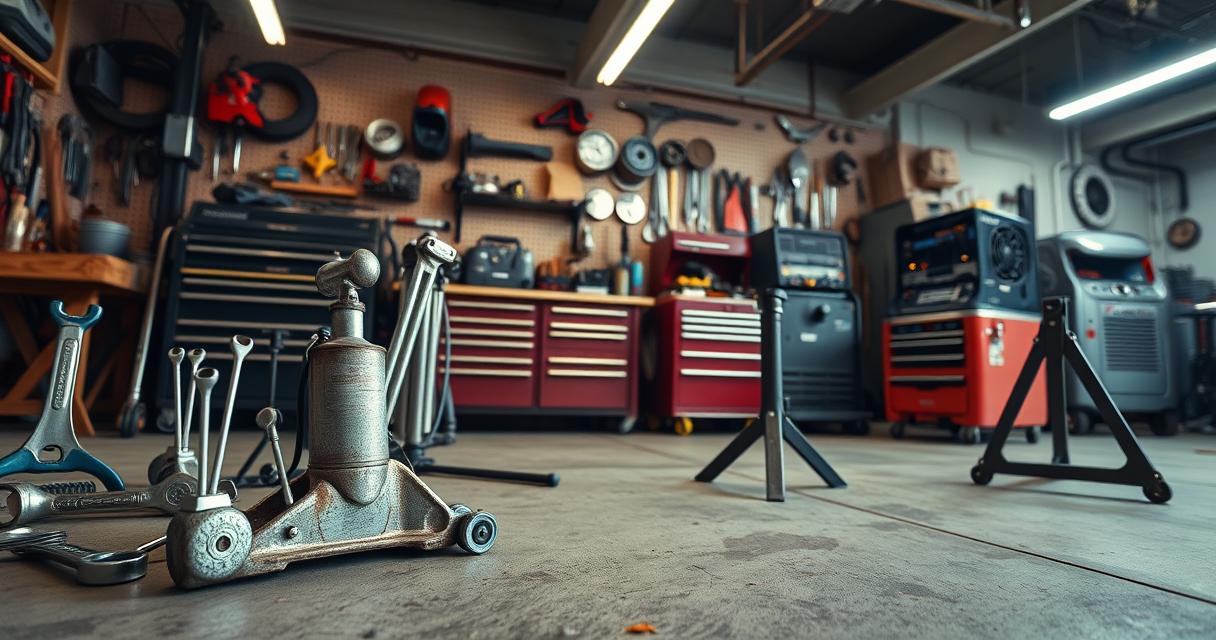
Restoring a Plymouth GTX requires a specific set of tools and equipment. At a minimum, you will need basic hand tools, including wrenches, ratchets, and screwdrivers. A good-quality floor jack and jack stands are crucial for safely lifting the car. Additionally, investing in a welder can be beneficial for bodywork repairs. If you’re planning to tackle the engine, tools like torque wrenches, engine hoists, and diagnostic equipment will be necessary. Having a well-organized workspace will make the project more manageable, so consider setting up a dedicated garage area for your GTX restoration.
Planning Your Restoration Process
The restoration of a Plymouth GTX can be an extensive endeavor, so planning is vital. Start by outlining your goals for the project. Will you restore the car to its original condition, or are you considering a custom build? Creating a timeline can help you stay on track, breaking down the process into manageable phases such as disassembly, bodywork, painting, and reassembly. Make sure to document each step along the way, as this not only helps in keeping track of progress but also adds value to the car should you decide to sell it in the future.
Finding Replacement Parts
One of the challenges of restoring a classic car like the Plymouth GTX is sourcing replacement parts. Fortunately, there are numerous resources available. Specialty shops, online retailers, and salvage yards can provide many of the components needed for a successful restoration. Websites dedicated to classic cars often have forums where enthusiasts share tips on where to find rare parts. Joining a local car club or online community can also connect you with other GTX owners who may have spare parts or can offer advice on sourcing difficult-to-find items.
Documenting Your Journey
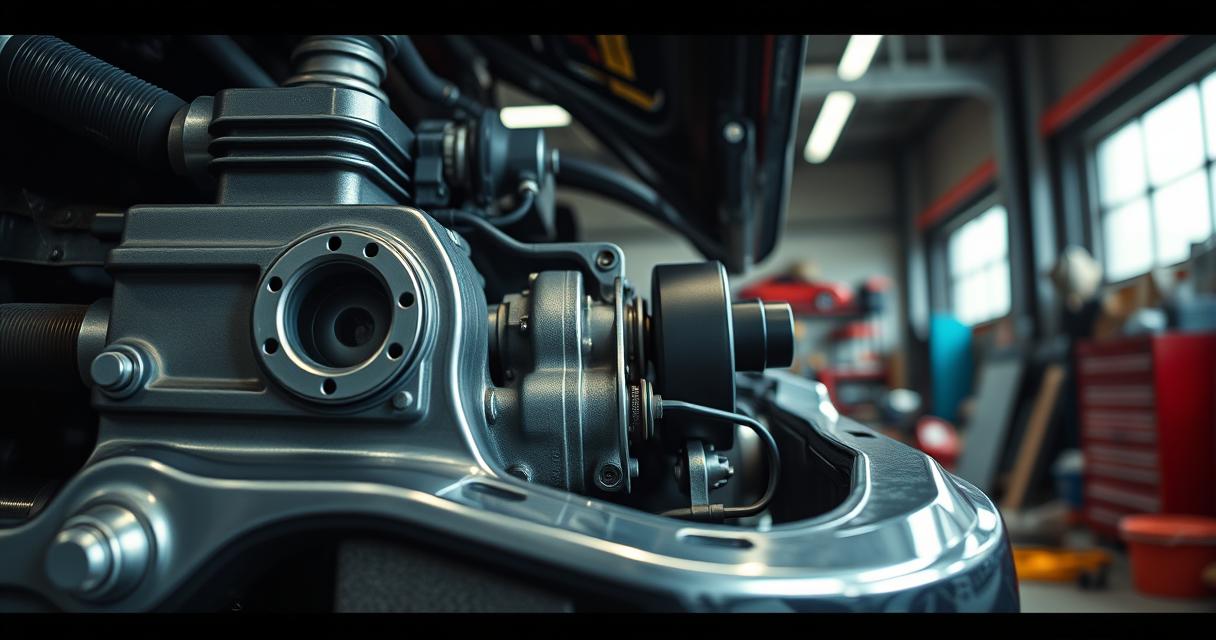
Documenting your restoration process is not only rewarding but can also be beneficial for future resale value. Keep a detailed log of your work, including photos of each stage of the project. This documentation can serve as a valuable resource for other enthusiasts as well as a historical record of your specific vehicle’s restoration. Sharing your journey on social media or dedicated car forums can also connect you with a wider community, allowing you to gain insights and tips from others who have undertaken similar projects.
Enjoying Your Finished Plymouth GTX
Once your restoration is complete, the real joy begins. Taking your Plymouth GTX out for a spin is a celebration of your hard work and dedication. Whether you choose to participate in car shows, cruise nights, or simply enjoy weekend drives, owning a restored GTX is a fulfilling experience. Additionally, consider joining local car clubs or online communities to share your passion with fellow enthusiasts. Not only will you enjoy your vehicle more, but you’ll also create lasting friendships built around a shared love for classic cars.