The Plymouth GTX emerged in the late 1960s as the brand’s answer to the growing demand for a high‑performance, luxury‑styled muscle car. From the moment the first 1967 model rolled off the assembly line, buyers expected more than a basic V8; they wanted a complete package that combined raw power with refined appointments. Chrysler’s response was a series of factory‑built performance packages that allowed the GTX to compete with the era’s most feared street beasts while retaining its distinctive styling cues. Understanding how these packages were assembled, and what each component contributed, helps today’s collectors appreciate the engineering intent behind the original machines.
The heart of the GTX: 440 cubic‑inch V8
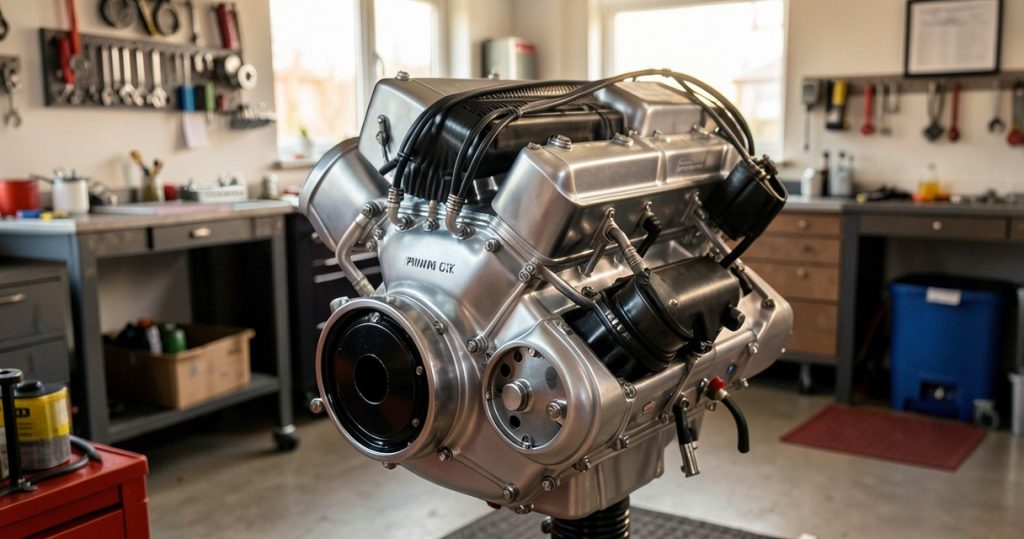
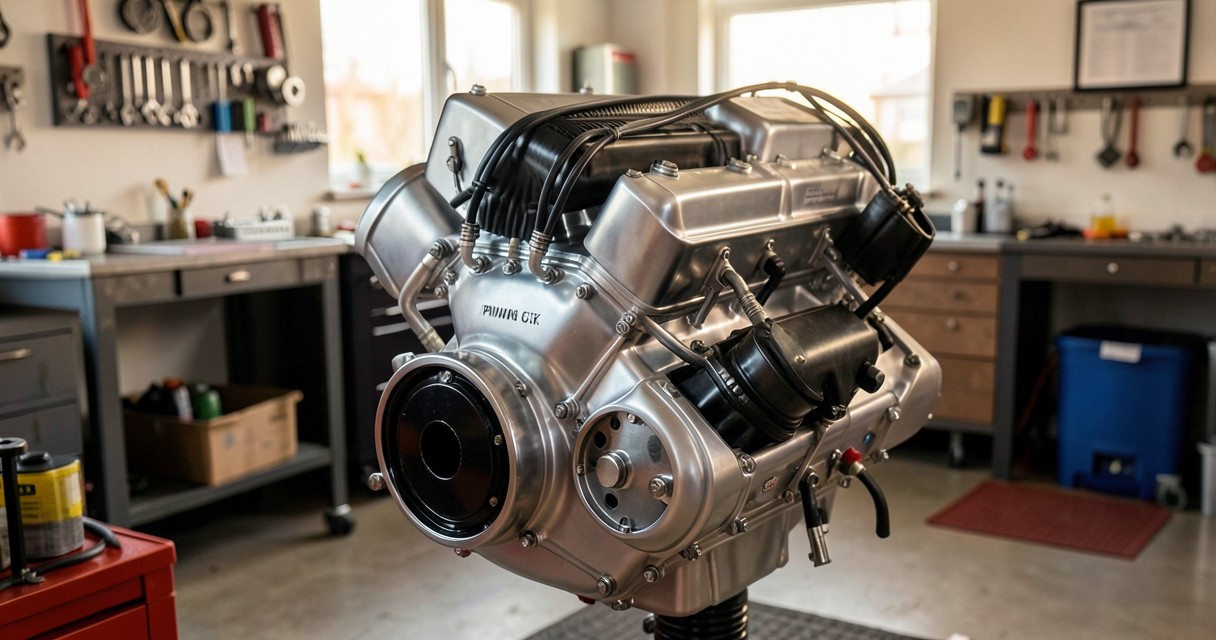
The 440 cubic‑inch V8 formed the backbone of every factory performance option for the Plymouth GTX, delivering a blend of torque and horsepower that set the car apart from its peers. In its standard form the engine produced roughly 375 horsepower at 5,200 rpm and a formidable 460 foot‑pounds of torque, figures that translated into brisk acceleration and effortless highway cruising. Chrysler equipped the 440 with a four‑barrel carburetor, high‑lift camshaft, and reinforced valve train components to handle the increased stresses of spirited driving. Owners who opted for the performance package often found the engine’s power curve smooth and linear, making the GTX a comfortable daily driver as well as a weekend drag strip contender.
Beyond raw output, the 440’s durability stemmed from its robust bottom end, featuring forged steel crankshaft and reinforced main bearings that could endure the high‑rpm demands of racing applications. The engine’s design allowed for relatively easy aftermarket upgrades, a factor that kept the GTX relevant long after its production run ended. Factory‑installed accessories such as a heavy‑duty oil pump and upgraded cooling system ensured that the engine maintained optimal operating temperatures, even under prolonged high‑load conditions. This combination of power, reliability, and factory support cemented the 440 V8 as the cornerstone of the GTX’s performance legacy.
440 Super Stock package, unleashing extra horsepower
The 440 Super Stock package represented the most aggressive factory tune available for the GTX, targeting drivers who demanded maximum output straight from the dealership. This option raised the engine’s horsepower to approximately 390, achieved through a higher‑flow intake manifold, a more aggressive camshaft profile, and a larger-diameter exhaust system. The Super Stock package also incorporated a reinforced connecting rod and piston set, allowing the engine to safely reach higher RPM thresholds without sacrificing durability. Buyers who selected this package benefited from a noticeable improvement in quarter‑mile times, often shaving two to three seconds off the stock performance figures.
In addition to internal engine upgrades, the Super Stock package included external components designed to complement the increased power. A high‑capacity fuel pump ensured consistent delivery of fuel under heavy throttle, while a performance‑grade ignition system provided a stronger spark at elevated engine speeds. The package also featured a unique hood scoop that facilitated cooler air intake, enhancing combustion efficiency during high‑load scenarios. Together, these enhancements created a cohesive performance package that delivered both raw power and the supporting infrastructure needed to exploit it safely.
Factory‑installed 426 Hemi option, a rare performance gem
While the 440 engine defined the majority of GTX production, a limited run of models received the legendary 426 Hemi as a factory option, offering a distinct blend of power and heritage. The 426 Hemi, with its hemispherical combustion chambers, generated roughly 425 horsepower and an impressive 490 foot‑pounds of torque, positioning the GTX among the most potent muscle cars of its era. Chrysler equipped the Hemi‑powered GTX with a reinforced transmission and upgraded rear axle to handle the extra torque, ensuring that the drivetrain could reliably transfer power to the wheels without premature wear.
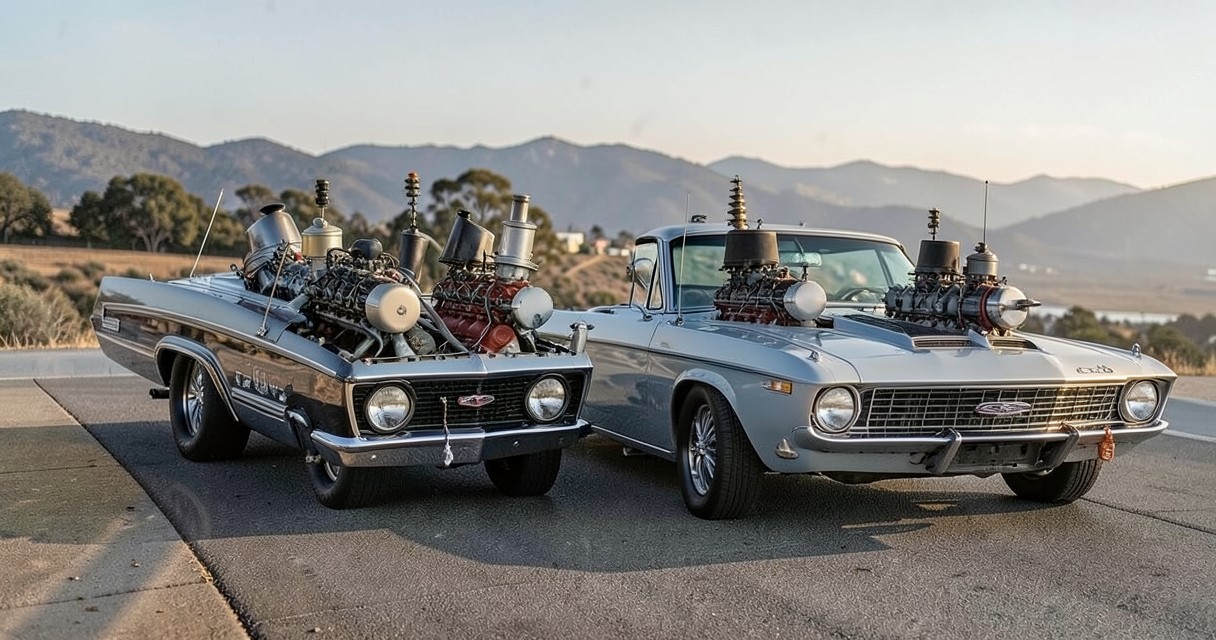
Because the Hemi option was produced in limited numbers, surviving examples have become highly sought after by collectors and restoration enthusiasts. The factory‑installed Hemi package came with a unique badge on the rear fender, distinguishing it from the standard 440 models at a glance. Internally, the engine featured a forged steel crankshaft, high‑strength connecting rods, and a performance‑grade camshaft that emphasized high‑rpm power delivery. These components, combined with the Hemi’s efficient airflow characteristics, allowed the GTX to achieve acceleration figures that rivaled the most aggressive drag‑strip cars of the early 1970s.
Transmission and drivetrain upgrades, matching power with control
To harness the substantial output of the 440 and Hemi engines, Chrysler offered a selection of factory‑installed transmission choices tailored to the GTX’s performance goals. The most common pairing was a three‑speed automatic equipped with a heavy‑duty torque converter, delivering smooth shifts and reliable acceleration for daily driving. For enthusiasts seeking a more engaged experience, a four‑speed manual transmission with close‑ratio gearing was available, providing quicker acceleration and greater driver control during spirited runs.
Beyond the transmission, the factory performance packages included reinforced rear differentials and upgraded axle shafts designed to cope with the heightened torque levels. Chrysler often equipped the GTX with a limited‑slip differential as part of the performance option, improving traction during hard launches and cornering. The rear axle ratios were typically set to 3.73:1, striking a balance between low‑speed torque multiplication and top‑end speed capability. These drivetrain enhancements ensured that the engine’s power could be effectively delivered to the pavement without compromising reliability.
Suspension, brakes, and handling, the hidden side of performance
High‑output engines alone would not have made the GTX a well‑rounded performer; Chrysler recognized the need for complementary suspension and braking upgrades to keep the car stable under aggressive driving. The factory performance package featured a front stabilizer bar that reduced body roll during cornering, while upgraded rear leaf springs provided a firmer ride and better weight transfer. Shock absorbers were tuned for a sportier damping curve, allowing the GTX to maintain composure on both smooth highways and twisty backroads.
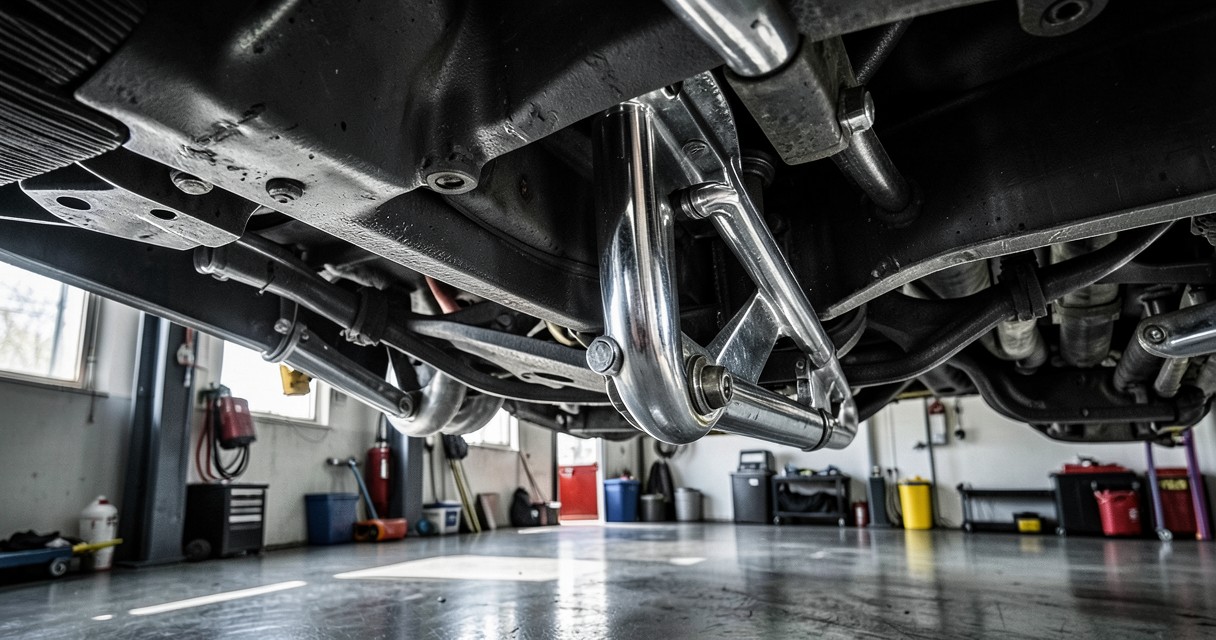
Stopping power received equal attention, with the performance package including larger front disc brakes and a higher‑capacity master cylinder. These components delivered improved pedal feel and reduced stopping distances, essential for a car capable of high speeds. Additionally, the brake system incorporated ventilated rotors to dissipate heat more efficiently during repeated hard braking. Together, the suspension and brake upgrades created a balanced platform that let drivers exploit the GTX’s power without sacrificing safety or handling precision.
Legacy and modern restoration, why the factory packages still matter
Decades after the original production run, the factory performance packages for the Plymouth GTX continue to influence the collector market and restoration community. Enthusiasts value authenticity, and a correctly restored GTX with its original performance components commands a premium price at auction. The availability of period‑correct parts, such as the 440 Super Stock intake manifold or the Hemi‑specific torque converter, allows restorers to recreate the exact driving experience envisioned by Chrysler engineers.
Modern owners often blend factory specifications with contemporary upgrades, but many choose to retain the original performance package as a baseline. This approach preserves the car’s historical integrity while providing a reliable foundation for further enhancements. The enduring appeal of the GTX’s factory performance options underscores the lasting impact of Chrysler’s engineering decisions, reminding hobbyists that a well‑designed performance package can keep a classic car thrilling for generations to come.

Ever since I bought my first used pickup truck, I’ve been obsessed with finding the perfect blend of off-road capability and weekend comfort. I spend my free time exploring state parks and tinkering with restoration projects in my garage. My writing focuses on how vehicles can enhance your lifestyle and outdoor adventures.