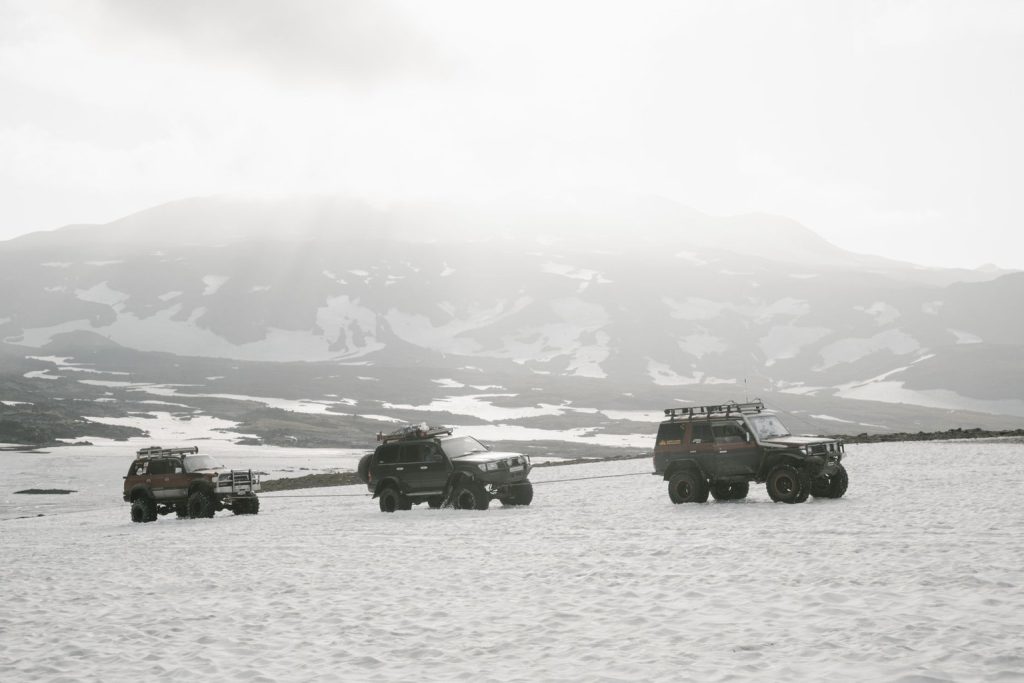
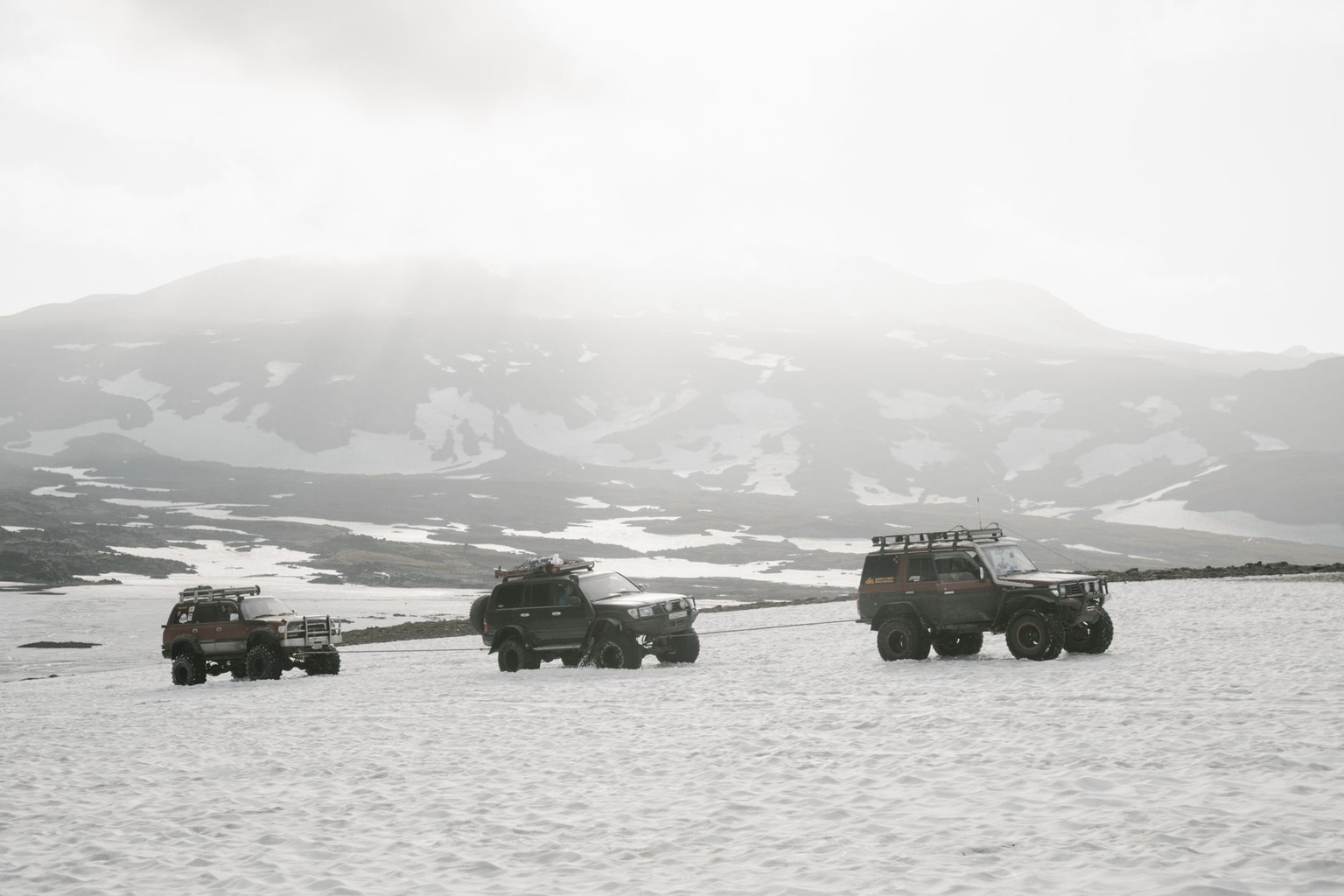
Choosing the right off-road machine makes or breaks your trail adventure, and understanding 4×4 rentals is the first step toward a safe and thrilling weekend in the dirt. Most drivers stick to paved roads because they fear getting stuck, but with the correct vehicle setup and basic preparation, you can explore remote landscapes that standard sedans never touch. The key lies in matching your driving experience to the specific capabilities of the rental unit you select. Whether you are targeting rocky mountain passes or soft sand dunes, the mechanical differences between a high-clearance SUV and a body-on-frame truck matter significantly. This guide walks you through the practical steps of securing the right vehicle, preparing your gear, and mastering the terrain without stressing out on day one.
Defining Your Trail Profile and Skill Level
Before you even look at a fleet list, sit down and map out exactly where you want to drive over the next few days. A gentle forest fire road demands very different equipment than a technical rock crawl section with tight switchbacks and deep ruts. If you have never driven a stick-shift off-road vehicle before, avoid booking a hardcore short-axle crawler right away because the gear changes will overwhelm your focus on the terrain. Start by identifying three specific trails that match your current comfort zone and note their primary obstacles, such as mud depth or rock size. This mental map becomes your checklist when comparing vehicles, ensuring you do not overbook or underbook the capability you actually need for the fun.
Your personal driving history dictates how much slack you can afford in a tight spot. Casual drivers who mostly stick to highway cruising should look for automatic transmission vehicles with electronic stability control that helps them feel secure on loose gravel. More experienced off-roaders often prefer manual transmissions because they allow precise control over torque application when climbing steep, slippery inclines where modern safety systems might intervene too aggressively. Be honest about your past experiences; if you have stalled an engine in a ditch before, add an extra day to your itinerary for practice runs on flat, easy ground. This self-assessment prevents the frustration of being trapped in gear while other hikers watch you struggle.
Consider the group dynamics and passenger needs when locking in your trail profile. If you are bringing family members or friends who get car sick easily, a bumpy, high-bounce suspension setup will ruin their enjoyment before you even reach the first viewpoint. In that case, prioritize a vehicle with longer wheelbase and softer aftermarket shocks to smooth out the ride quality without sacrificing too much clearance. Solo drivers or pairs of enthusiasts can tolerate rougher rides in exchange for tighter turning radii and better articulation on uneven ground. Talk through these preferences before booking, because changing your mind after the rental is confirmed usually means paying a steep cancellation fee or settling for a less ideal machine.
Selecting the Right 4×4 Rental Vehicle
When browsing available 4×4 rentals, focus heavily on the drivetrain configuration rather than just the brand name on the front grille. A part-time four-wheel drive system is perfect for loose surfaces like sand and snow but can lock up in turns if you are not careful on paved sections. Full-time systems distribute power continuously and handle mixed terrain better, though they often come with a slight fuel economy penalty that adds up over long distances. Check the service manual or ask the rental agent specifically about the transfer case settings, because operating a low-range gearbox on dry pavement can cause expensive driveline binding and damage. Understanding these mechanical nuances helps you drive with confidence and protects your deposit.
Clearance numbers on spec sheets often hide the real limitations of a vehicle in the field. Look for the approach angle, departure angle, and breakover angle measurements to gauge how easily the chassis can clear large obstacles without scraping. A vehicle with six inches of ground clearance might still scrape its skid plate on a moderate rock garden if the underside geometry is poor. Ask about any aftermarket modifications included in the rental package, such as lifted suspension or reinforced bumpers, because these changes drastically alter the ride height and durability. If the rental includes steel bumpers instead of plastic ones, you can drive with less anxiety about minor contact with trail markers and roots.
Tire selection is arguably more important than the engine output when exploring off-road trails. All-terrain tires offer a good balance for mixed driving, but mud-terrain tires provide significantly better grip in deep wet dirt and loose gravel conditions. Check the tire pressure gauges in the rental vehicle, as many fleets leave them inflated too high for off-road use, which reduces traction and increases the risk of blowing out on rocky surfaces. Learn how to adjust your tire pressures down to about 20 psi before you hit the soft trail sections to increase your contact patch. This simple adjustment can be the difference between sliding through a mud hole and driving over it with authority.
Preparing Your Gear and Emergency Kit
Never assume that the rental vehicle comes fully stocked with off-road recovery tools, as most fleets only include basic jack and spare tire setups. Pack your own high-lift jack or a portable air compressor to fix minor punctures far from any help, since waiting for roadside assistance in remote areas can take hours. A robust tow strap with a rated capacity of at least 12,000 pounds is essential for self-recovery if you dig yourself into a deep hole on a muddy slope. Add a set of high-amp jumper cables and a portable battery charger to ensure your engine starts reliably in cold morning conditions after a night of camping. These items are cheap insurance that pays off the moment something goes wrong in the wilderness.
If you want to learn the basics, Ronny Dahl explains five easy steps for off-roading, and you can watch it right here.

Your personal comfort gear determines whether you will want to get out of the vehicle at the first sign of discomfort. Bring a set of sturdy work boots with good ankle support to protect your feet from rocks and hot metal surfaces under the chassis. Pack plenty of water, snacks, and a light jacket because temperatures can drop quickly in shaded ravines or high-altitude sections regardless of the weather forecast. A basic first aid kit and a multitool handle small injuries or mechanical tweaks that would otherwise ruin your day. Staying comfortable keeps your focus sharp and your decision-making clear when navigating tricky technical sections.
Navigation tools have changed the way we explore off-road trails, but paper maps remain the most reliable backup system. Download offline topographic maps to your phone before you lose cellular signal, but also print a physical map of the area in case your battery dies or the screen cracks on a rocky climb. Mark your planned route with waypoints for water sources, turnarounds, and scenic stops so you do not rely solely on GPS coordinates that might be inaccurate in dense forest. Tell a friend or family member your exact itinerary and expected return time, including a backup plan if you encounter a closed trail or vehicle breakdown. This communication loop is a critical safety measure that protects you and the searchers.
Mastering Low-Range Gear and Tire Pressure
Understanding how to engage low-range four-wheel drive is the single most important skill for confident off-roading. Start in high range on flat, easy ground before you tackle any steep or uneven terrain, as shifting gears while moving can damage the transfer case gears. Once in low range, your engine RPMs stay higher at lower speeds, giving you constant torque to climb obstacles without stalling. Practice shifting between high and low range on a flat gravel lot before heading into the wild to get comfortable with the lever action and gear engagement sounds. This mechanical familiarity reduces stress when you need to shift quickly in a tight spot.
Tire pressure management is an active process that should happen at every major change in terrain type. Drop your pressures down to 20-25 psi for soft sand or mud to maximize flotation and grip, then bring them back up to 35 psi before returning to paved roads. Use a digital gauge rather than relying on visual estimation, as a few pounds of pressure difference can significantly affect your handling and traction. If you do not have an onboard compressor, consider purchasing a cheap portable one to ensure you can adjust pressures throughout the day. This flexibility allows you to adapt to changing conditions without having to call for help or abandon your route.
Maintaining momentum is often more effective than relying on brute force when navigating difficult obstacles. Keep your wheels turning slowly and steadily rather than jerking the throttle, which can cause wheel spin and dig you deeper into soft ground. Use gentle steering inputs to keep all four tires engaged and avoid locking up the differential on slippery surfaces. If you start to slide, ease off the gas and let the vehicle settle before trying again with a slightly different line. Patience and smoothness are your best friends when the trail gets technical and unforgiving.
Navigating Technical Terrain Safely
Approach every new obstacle with a clear plan of attack rather than just driving forward and hoping for the best. Stop at the base of a rock garden or steep hill and scout the line on foot if possible, looking for loose stones or hidden roots that could catch your undercarriage. Choose a path that keeps your weight centered over the axles to maintain traction and stability during the climb. If the terrain looks too aggressive for your current skill level, it is perfectly acceptable to back up and find an easier line around the obstacle. This strategic approach saves time and prevents mechanical damage that could end your trip early.
Water crossings require extra caution because the depth and current can be deceptive from behind the wheel. Stop at the edge of the water and check for a shallow entry point with firm gravel or sand banks to prevent slipping under. Turn your wheels straight and drive through at a slow, steady pace without stopping mid-stream to maintain momentum and avoid stalling. If the water is moving fast, wait for other vehicles to pass before entering to reduce the risk of being swept off course. Keep your windows up and engine running steadily until you are completely out of the water on the far bank.
Reading the trail ahead helps you anticipate problems before they happen and allows you to adjust your speed and line accordingly. Look for signs of previous vehicle traffic, such as ruts or tire tracks, which can indicate a safe path through soft areas. Pay attention to the vegetation and soil type, as certain plants grow in specific moisture conditions that hint at hidden mud or water pools. Trust your instincts if something looks off about a particular section, even if other drivers seem to be passing through it without issue. Your vehicle has different dimensions and capabilities than theirs, so what works for them may not work for you.
Handling Common Off-Road Mistakes
Overlooking the importance of pre-trail inspection leads to avoidable breakdowns in remote locations. Take five minutes to check your tire pressures, fluid levels, and lug nut tightness before you start driving on unpaved surfaces. Listen for any unusual noises from the drivetrain or suspension that might indicate a loose component or low oil level. A quick walk-around to look for fluid leaks or damaged underbody panels can save you hours of frustration later. This simple habit ensures your vehicle is ready to handle the stress of off-road driving without surprise failures.
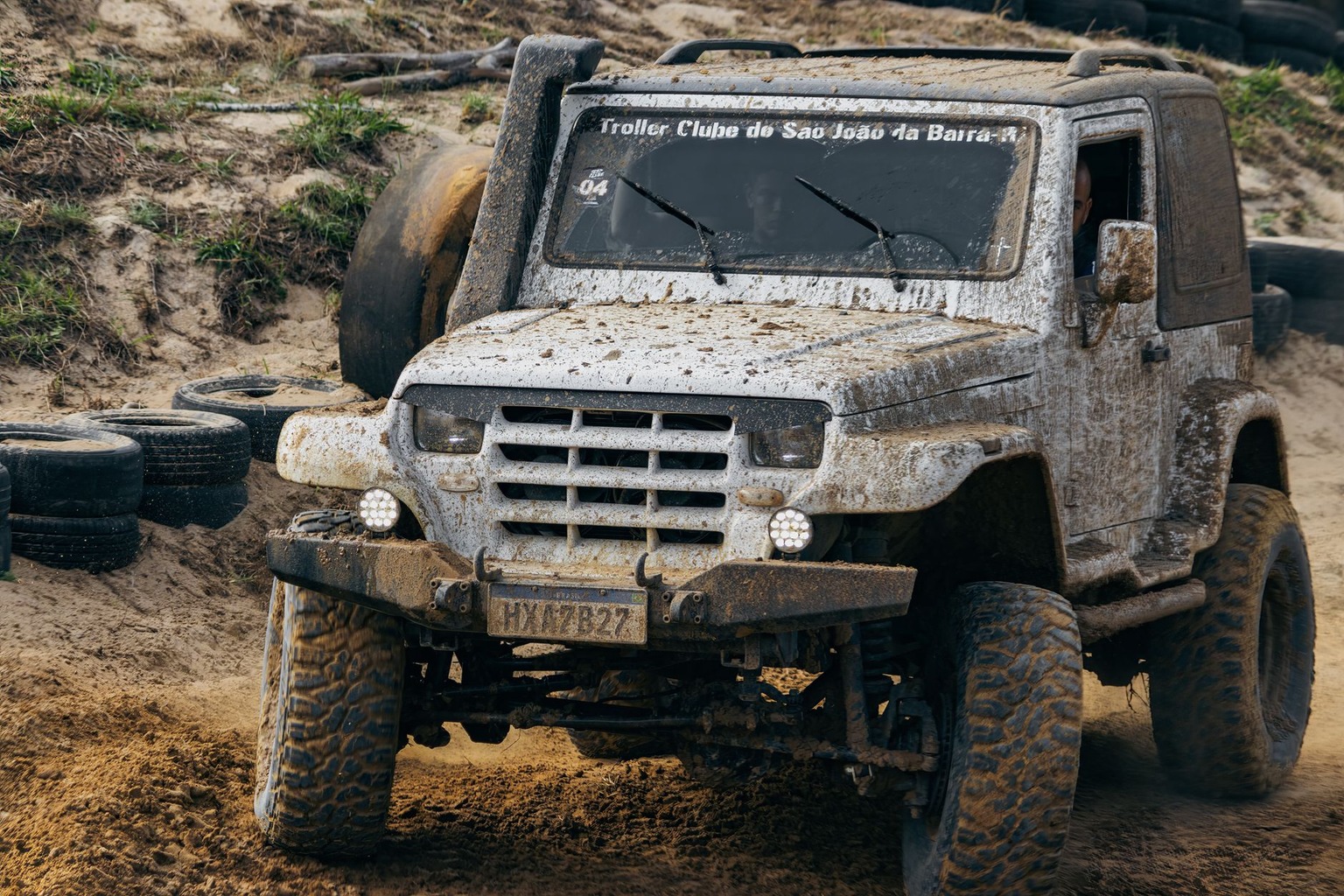
Driving too fast for the conditions is the most common mistake that leads to accidents and damaged vehicles. Just because a trail looks easy does not mean you should treat it like a highway, especially when visibility is limited by trees or dust. Slow down significantly on descents to protect your brakes and maintain control over the steering inputs. Use engine braking in low range to manage speed rather than relying solely on the foot brake, which can overheat on long slopes. This disciplined approach to speed keeps you in control and allows you to react quickly to unexpected obstacles.
Ignoring weather changes can turn a safe day of driving into a dangerous situation very quickly. Check the forecast for your specific area before leaving, as mountain weather can change rapidly with temperature drops and sudden rainstorms. Carry extra warm clothing and dry socks in case you get soaked or need to wait out a storm in your vehicle. If visibility drops below a comfortable level, pull over to a safe location and wait for conditions to improve rather than guessing your way through the fog. Weather awareness is a critical part of off-road planning that many novice drivers underestimate.
Maximizing Your Adventure Experience
The true reward of off-roading comes from connecting with the environment and appreciating the unique landscape you are exploring. Take time to stop at scenic viewpoints and stretch your legs, as the best moments often happen outside the vehicle window. Bring a camera or smartphone to capture the rugged beauty of the trails and the camaraderie of your group. Notice the local wildlife and plant life that thrive in these remote areas, adding another layer of appreciation to your drive. These pauses make the journey more meaningful than just getting from point A to point B quickly.
Sharing your experiences with other off-road enthusiasts helps build a community of knowledge and support for future adventures. Join local clubs or online forums where you can discuss trail conditions, vehicle modifications, and safety tips with people who have been there before. Offer help to other drivers if you see them stuck, as the off-road community is built on mutual assistance and respect. Your stories and lessons learned become valuable resources for those just starting out in this exciting hobby. This collective knowledge grows stronger every time someone shares their insights generously.
Planning your next trip begins immediately after you return from the current one while the details are still fresh in your mind. Note down which trails you enjoyed most and which sections felt too easy or too hard for your skill level. Research new areas or vehicle types that might offer a different challenge next time to keep the experience fresh and engaging. Set a date and start saving for any necessary equipment upgrades or fuel costs before the season changes. This continuous cycle of planning, driving, and reflecting ensures your off-road adventures remain exciting and safe for years to come.

Ever since I bought my first used pickup truck, I’ve been obsessed with finding the perfect blend of off-road capability and weekend comfort. I spend my free time exploring state parks and tinkering with restoration projects in my garage. My writing focuses on how vehicles can enhance your lifestyle and outdoor adventures.