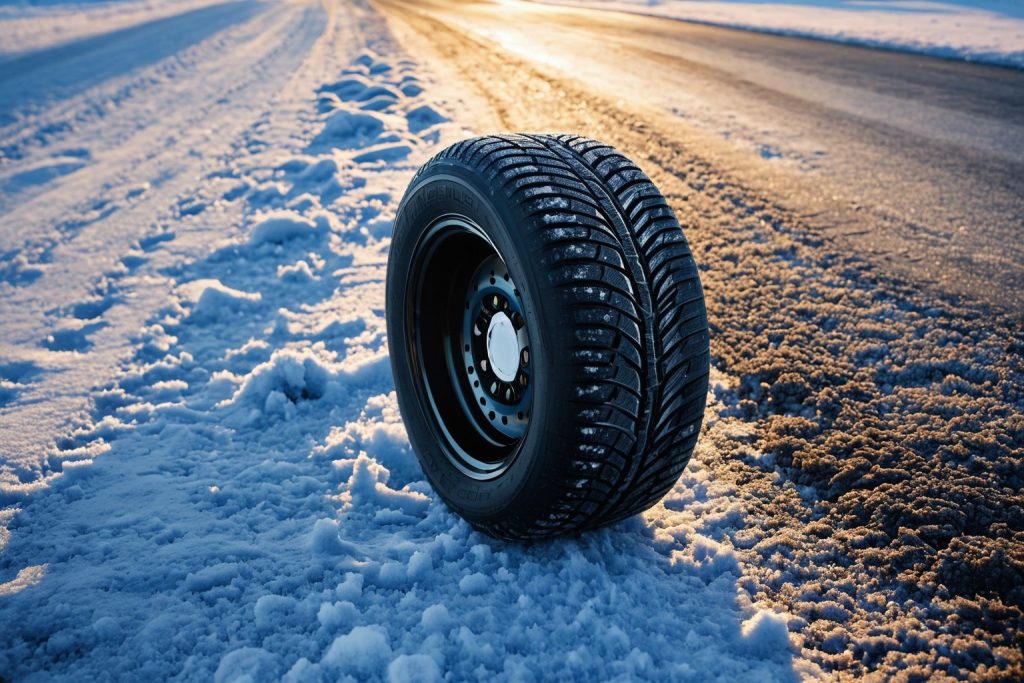
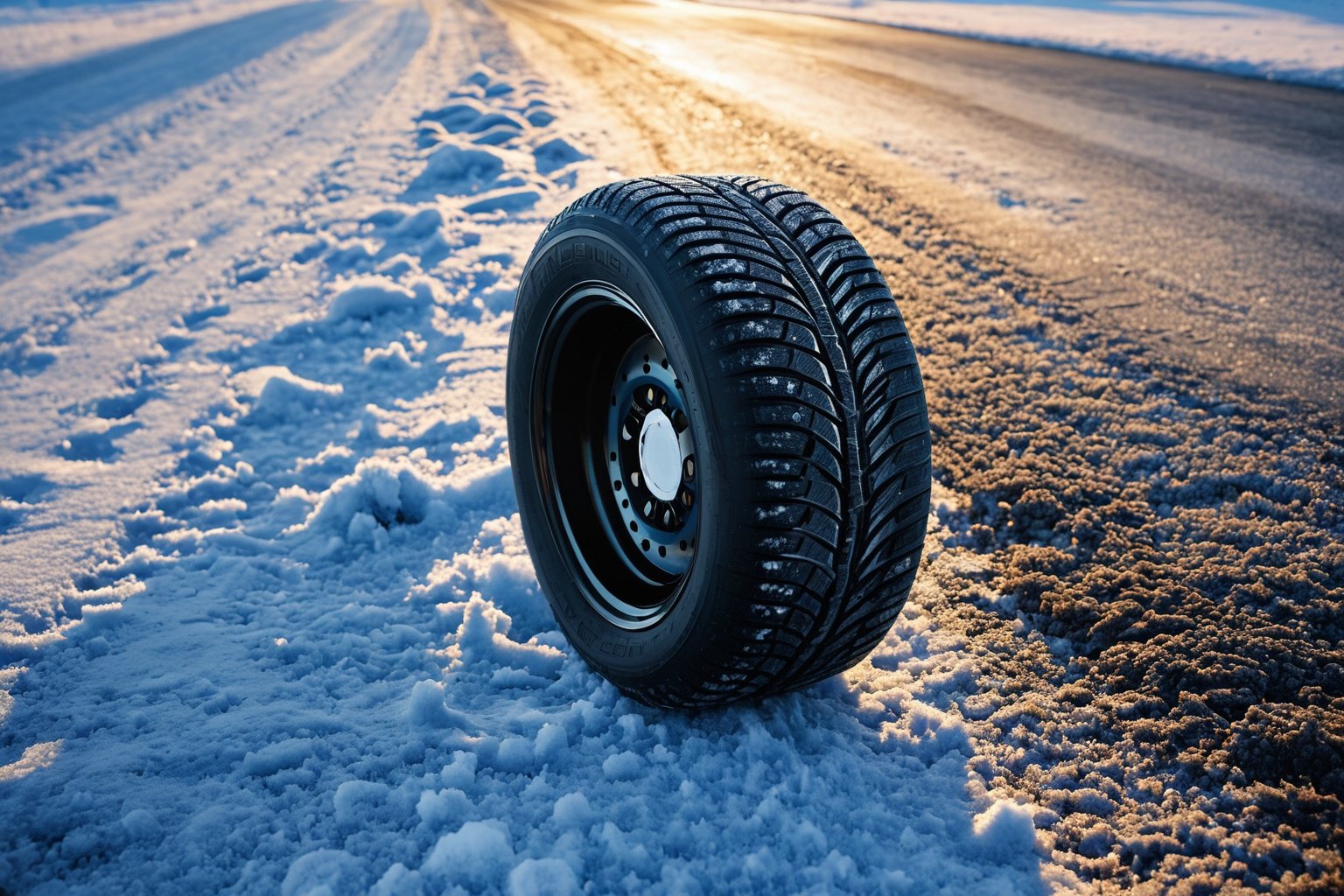
The choice between summer and winter tires isn’t just about seasonality, it’s about how your vehicle performs when you’re pushing it to its limits on the road or track. Whether you’re hauling gear for a weekend getaway, chasing backroads for adventure, or just keeping your daily driver safe through unpredictable weather, the right tires can mean the difference between a smooth ride and a dangerous skid. The science behind these two types of rubber compounds and tread patterns is subtle but critical, especially when you’re navigating icy patches or high-speed curves under summer heat. For enthusiasts who demand precision, understanding the mechanics of tire switching ensures you’re not just following a rule of thumb but making an informed decision tailored to your driving habits and climate.
The Chemistry Behind Summer vs Winter
summer and winter tires aren’t just different in tread design, they’re fundamentally engineered for opposing environmental conditions. Summer tires use a softer rubber compound that stays pliable in warm temperatures, allowing for better grip and responsiveness on dry pavement. This flexibility helps the tire conform to the road surface more closely, reducing rolling resistance and improving acceleration. In contrast, winter tires use a harder rubber with silica additives that maintain flexibility even in sub-zero temperatures, preventing the compound from becoming brittle and losing traction. The difference isn’t just about cold weather; it’s about how the rubber interacts with the road at the molecular level. On a summer day, a winter tire’s harder compound would crack under stress, while a summer tire on ice would be as effective as sliding on a greased surface. For drivers who split their time between coastal road trips and mountain passes, this chemical contrast is why switching isn’t optional, it’s necessary for safety and performance.
One often overlooked detail is how these compounds affect tire wear. Summer tires degrade faster in cold weather because their softer rubber breaks down under the stress of freezing temperatures, leading to uneven tread wear and reduced lifespan. Conversely, winter tires lose their edge in summer heat, as the rubber softens too much, increasing rolling resistance and fuel consumption. This isn’t just about comfort; it’s about efficiency. A study by the RAC found that using winter tires in summer can reduce fuel economy by up to 10%, while summer tires on snow can double stopping distances. For enthusiasts who prioritize both performance and practicality, this means the decision isn’t just about weather, it’s about balancing longevity with immediate needs.
When to Switch: The Climate and Calendar Rule
The exact timing for switching between summer and winter tires often depends on regional climate patterns rather than a strict calendar date. In many parts of the U.S., drivers in the northern states might start transitioning to winter tires in October, when overnight temperatures consistently drop below 45°F (7°C). This isn’t arbitrary, it’s when the rubber compound in summer tires begins to stiffen, reducing grip and increasing the risk of hydroplaning. Conversely, switching back to summer tires in late spring, around April or May, aligns with the return of warmer temperatures and the melting of winter roads. However, coastal regions or areas with unpredictable weather might require a more flexible approach, switching based on actual conditions rather than a fixed schedule. For example, a driver in Seattle might keep winter tires on until June if the city experiences late-season rain and fog, which can be just as slippery as snow.
The Kelley Blue Book emphasizes that the decision to switch isn’t just about temperature but about road conditions. Black ice, which forms on roads just above freezing, is one of the most dangerous yet invisible hazards for drivers. Summer tires have little to no traction on black ice, while winter tires with their aggressive tread patterns and studded options (where legal) can provide the necessary grip to avoid spinouts. This is particularly relevant for enthusiasts who enjoy spirited driving or high-speed maneuvers, as the difference between control and chaos on a slick surface can be measured in fractions of a second. The key takeaway is that the switch shouldn’t be dictated by a calendar but by real-world road conditions and how they affect your vehicle’s handling.
The Performance Impact on Your Vehicle
For performance-oriented drivers, the choice between summer and winter tires can significantly alter how their vehicle behaves on the road. Summer tires excel in high-speed stability and cornering due to their softer compounds and wider contact patches, which enhance lateral grip. This is why many sports car enthusiasts insist on summer tires year-round in regions with mild winters, even a slight dip in temperature can turn a fun drive into a handling nightmare. On the other hand, winter tires prioritize braking and traction in low-grip conditions, often reducing stopping distances by up to 30% on snow and ice compared to all-season tires. For drivers who frequently tackle mountainous terrain or icy highways, this difference isn’t just theoretical; it’s a matter of safety and confidence behind the wheel.

The Michelin CrossClimate 2, a tire designed to bridge the gap between summer and winter performance, offers a middle ground for drivers who dislike the hassle of switching. These tires use a dual-compound rubber that maintains grip in both warm and cold conditions, though they don’t match the extreme performance of dedicated summer or winter tires. For enthusiasts who prioritize convenience over peak performance, the CrossClimate 2 can be a practical solution, especially in regions with mild winters or drivers who don’t want to deal with the logistics of storing and rotating tires. However, purists will argue that no all-season tire can fully replicate the precision of a dedicated summer or winter tire, particularly in extreme conditions. The trade-off is clear: convenience versus performance.
Logistics: Storage, Rotation, and Cost Considerations
Switching between summer and winter tires isn’t just about performance, it’s also about logistics. Proper storage is critical to extending the lifespan of your tires, as exposure to sunlight, heat, and moisture can accelerate degradation. Many enthusiasts opt for indoor storage, such as a garage or basement, to protect their tires from environmental damage. If indoor storage isn’t an option, using tire covers and elevating the tires off the ground can help prevent flat spots and uneven wear. Additionally, rotating your tires every 5,000 to 7,000 miles ensures even wear, which is especially important when switching between different types of tires. Neglecting rotation can lead to premature tread wear, reducing the overall lifespan of your summer and winter sets and increasing long-term costs.
The cost of switching tires is another factor that can’t be ignored. Winter tires typically range from $100 to $250 per tire, depending on the brand and size, while summer tires can be slightly more expensive due to their performance-focused compounds. For drivers who own multiple vehicles, the cost adds up quickly, especially if they need to purchase separate sets for each car. However, the long-term savings in fuel efficiency, reduced wear on other vehicle components, and improved safety often justify the investment. Some enthusiasts also consider leasing or renting winter tires for the season, which can be a cost-effective alternative if they don’t drive in harsh winter conditions year-round. The key is to weigh the upfront cost against the potential risks of driving on inappropriate tires in extreme weather.
Edge Cases: When the Rules Don’t Apply
While the general guidelines for switching tires are clear, there are edge cases where the rules might not apply, or where the decision becomes more nuanced. For example, drivers in regions with minimal snowfall might opt for all-season tires, which offer a compromise between summer and winter performance. However, all-season tires are no match for dedicated winter tires in heavy snow or sub-zero temperatures, where stopping distances can double. Another edge case is the use of studded winter tires, which are illegal in many states due to their abrasive effect on road surfaces. For drivers in states where studded tires are permitted, the added traction can be a game-changer on ice, but the legal restrictions make them a less flexible option. Additionally, high-performance vehicles with aggressive handling characteristics may benefit from year-round summer tires in regions with mild winters, even if it means sacrificing some winter traction.
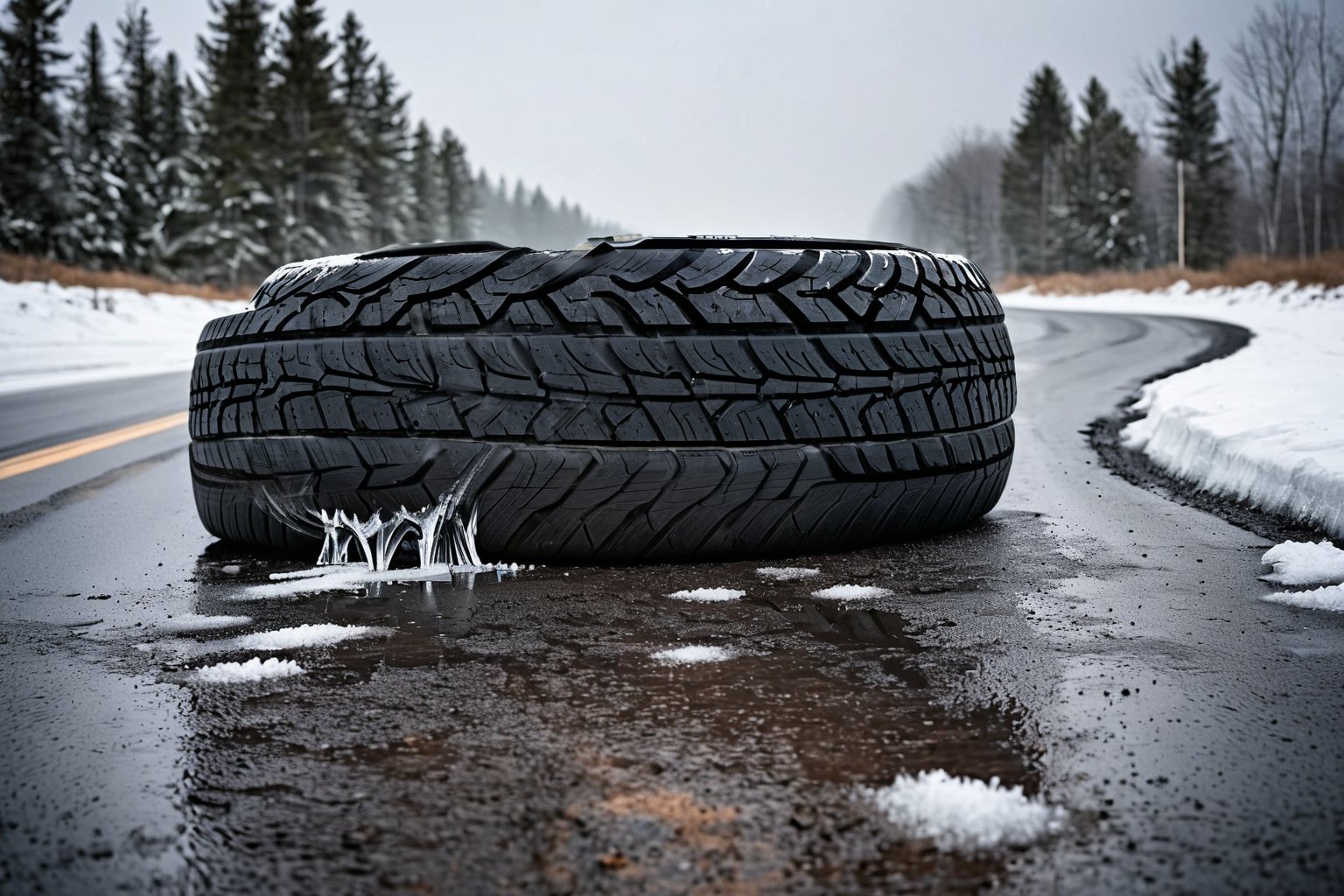
Enthusiasts who participate in winter driving events or track days in colder months might also consider using winter tires on their performance cars, despite the performance trade-offs. The improved braking and traction in snow can be a lifesaver in unpredictable conditions, and some manufacturers even offer winter-specific performance tires designed for high-end vehicles. The downside is that these tires can feel less responsive in summer conditions, particularly on track circuits where grip and precision are paramount. The decision here often comes down to personal priorities: safety in winter versus performance on the track. For most drivers, the answer lies in finding a balance that suits their specific needs and driving habits.
What It Means for Your Driving Experience
The choice between summer and winter tires ultimately shapes your driving experience in ways that go beyond mere safety. Summer tires offer a more engaging and responsive ride, particularly in dry conditions, with better cornering and acceleration that can make a daily commute feel more dynamic. Winter tires, while less exciting on a clear day, provide peace of mind in harsh conditions, allowing you to tackle winter roads with confidence. For enthusiasts who enjoy both the thrill of driving and the practicality of safety, the ideal scenario is to have both sets of tires ready for the seasons, ensuring that your vehicle is always optimized for the conditions you’ll encounter.
Another aspect to consider is how tire choice affects your vehicle’s overall maintenance. Summer tires, with their softer compounds, can wear out faster in cold weather, leading to increased friction and heat buildup that can stress your suspension and brakes. Winter tires, while more durable in cold conditions, may wear unevenly if used in summer, particularly on rough or curbing roads. This means that even the best-maintained vehicles can experience subtle handling changes based on the tires you’re using. For drivers who take their vehicles to the track or enjoy spirited driving, this can translate to noticeable differences in steering feel, braking performance, and overall responsiveness. The lesson here is that tire choice isn’t just about weather, it’s about how it integrates with your driving style and vehicle’s capabilities.

Ever since I bought my first used pickup truck, I’ve been obsessed with finding the perfect blend of off-road capability and weekend comfort. I spend my free time exploring state parks and tinkering with restoration projects in my garage. My writing focuses on how vehicles can enhance your lifestyle and outdoor adventures.