Checking your vehicle’s rubber isn’t just about avoiding a ticket; it’s the quietest way to protect your wallet and your peace of mind. A quick glance can tell you if you’re riding on bald rubber or if you have plenty of life left. Most drivers ignore this simple task until a storm rolls in or a warning light flashes. But you don’t need a mechanic’s expertise to stay safe. With a penny and a few minutes, you can gauge your rubber’s health right in your own driveway. This habit empowers you to catch problems early, before they become expensive repairs. It’s a small act of prevention that pays off big time on the highway.
Gather Your Tools and Set the Stage
The first step is simple preparation, check tires. You don’t need a fancy garage or expensive gadgets to get started. A standard US penny is all you need for the classic test, though a dedicated tread depth gauge offers more precision if you want exact measurements. Find a flat, well-lit surface where you can move around each wheel comfortably. Ensure the vehicle is parked on level ground and the parking brake is engaged for safety. Having a flashlight handy helps you see into deep grooves, especially on muddy or winter tires. Once you have your tools ready, you’re set to assess each corner of your car methodically.
Before you start, remember that tire condition varies by axle. Front tires often wear faster due to steering and braking forces. Rear tires might look untouched if you drive a front-wheel-drive model. Checking all four positions gives you a complete picture of your vehicle’s health. Don’t forget the spare; it’s easy to overlook until you actually need it. Taking a few minutes now saves you from being stranded later. A systematic approach ensures you don’t miss a worn spot that could compromise grip.
Perform the Penny Test with Precision
The penny test is the most famous DIY method for a reason: it’s quick, free, and surprisingly effective. Insert the coin into a tread groove with Lincoln’s head facing down and pointing toward the tire. If you can see the top of Lincoln’s head, your tread depth is critically low, likely below 2/32 of an inch. At that point, your rubber can’t channel water effectively, increasing hydroplaning risk in rain. If part of Lincoln’s head is covered, you have more than 2/32 inch of depth remaining. This simple check tells you if it’s time to shop for new rubber or if you can push them another season. It’s a moment of truth that every driver should face regularly.
However, the penny test has a limitation: it only measures one specific point. Tires can wear unevenly, with the edges bald while the center looks okay, or vice versa. That’s why checking multiple spots around the circumference is crucial. Rotate the tire slightly and repeat the test at the inner, center, and outer tread areas. This reveals patterns of wear that might indicate alignment issues or incorrect air pressure. A tire might pass the penny test at one spot but fail at another, signaling the need for a professional inspection. Don’t rely on a single test; make it a habit to probe different areas.
Understand Tread Wear Patterns for Deeper Insights
Looking at your rubber’s surface reveals stories about your driving habits and vehicle mechanics. Center wear often means you’ve been running too much air pressure, squeezing the rubber down the middle. Edge wear, on the other hand, screams under-inflation, where the sidewalls take the brunt of the load. Cupping or dipping patterns usually point to suspension components that are worn out or unbalanced. By identifying these patterns early, you can address the root cause rather than just buying new rubber prematurely. It’s like reading a diary of your car’s recent history written in rubber.
FIX IT Home Improvement Channel: Tire Tread Depth – Penny Test for Tire
Another common pattern is shoulder wear, where the outer edges are lower than the center. This can happen if you take corners aggressively or if your vehicle’s alignment is off. If you notice one shoulder wearing faster than the other, it often points to a specific alignment tweak needed. Checking tread depth at the shoulders versus the center gives you a clear comparison. If the difference is more than a few thirty-seconds of an inch, it’s time to visit a shop. Understanding these nuances transforms you from a passive owner to an informed caretaker of your vehicle.
When to Say Goodbye to Old Rubber
Knowing the numbers is one thing, but knowing when to act is another. Most manufacturers and safety experts suggest replacing rubber when tread depth hits 4/32 of an inch, not just the legal minimum of 2/32. At 4/32, wet traction noticeably drops, especially in deeper standing water. If you live in a climate with frequent rain or snow, erring on the side of caution is wise. Driving on bald rubber is a gamble with your safety and the safety of others. The cost of new rubber pales in comparison to the cost of an accident. Make the decision to replace based on performance, not just legality.
Also, consider the age of the rubber itself, regardless of tread depth. Rubber degrades over time, even if it looks good. Most experts recommend replacing tires every six years, regardless of wear, due to dry rot and cracking. Check the DOT code on the sidewall; the last four digits indicate the week and year of manufacture. If your rubber is old but has deep grooves, it might still be unsafe. Cracks in the sidewalls are a red flag that the rubber’s structure has weakened. Don’t trust old rubber just because the tread looks deep; age matters as much as depth.
Maintain Proper Inflation for Even Wear
Air pressure is the invisible hand that shapes how your rubber contacts the road. Too much air makes the center wear faster; too little wears the shoulders. The recommended pressure for your specific vehicle is usually found on a sticker inside the driver’s door jamb or in the owner’s manual. Check your pressure monthly with a reliable gauge, preferably when the tires are cold for the most accurate reading. Temperature changes affect pressure; a cold morning can drop pressure significantly compared to a hot afternoon drive. Keeping pressure optimal not only extends tread life but also improves fuel economy.
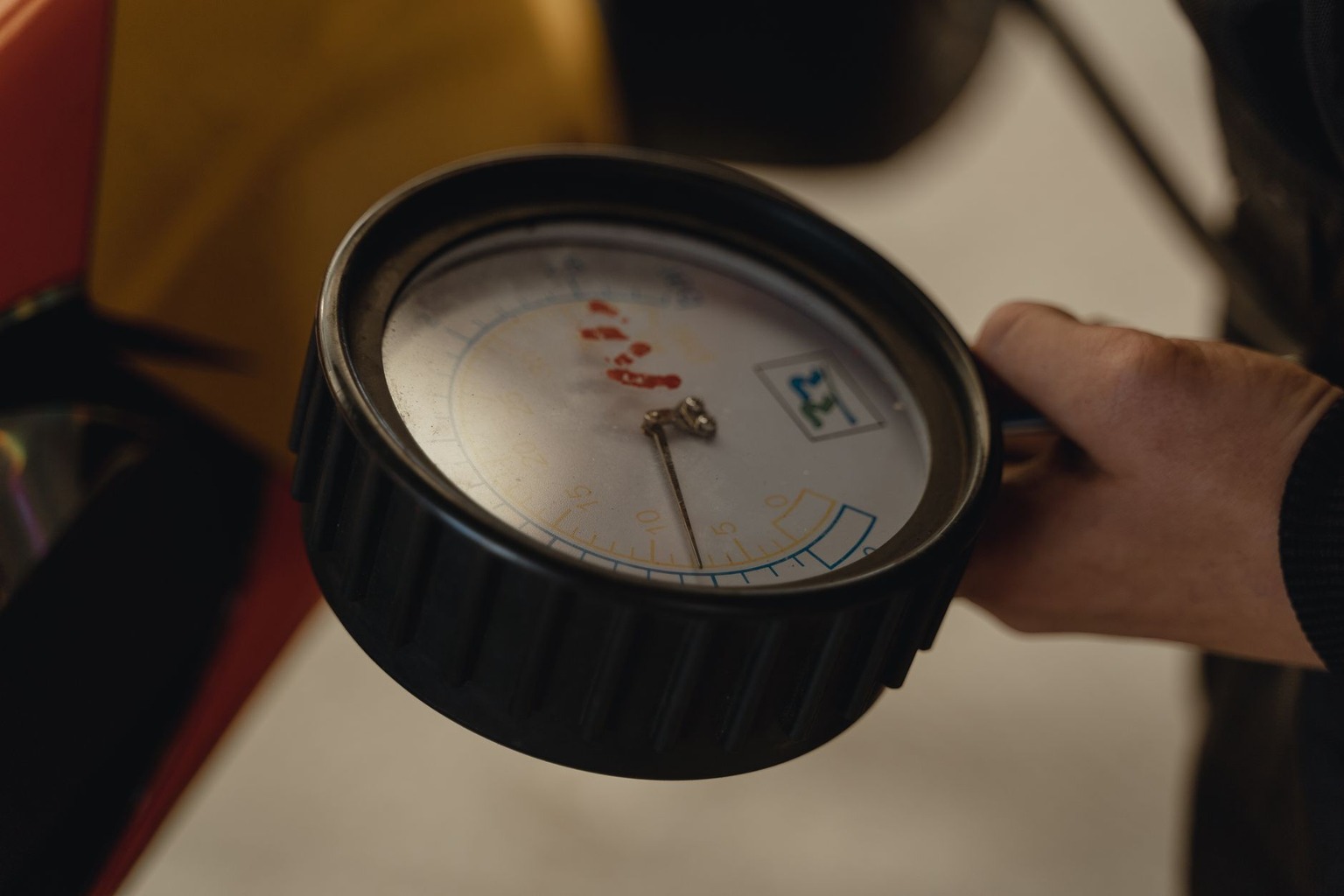
Under-inflation is a silent killer of tire life and efficiency. It generates excess heat inside the rubber, which can lead to failure at highway speeds. Over-inflation reduces the contact patch, diminishing grip and causing a harsher ride. A simple monthly habit of checking and adjusting pressure can add thousands of miles to your rubber’s lifespan. It’s a small effort with a big return on investment. Pair this with your tread depth checks for a comprehensive maintenance routine that keeps your car running smoothly.
Seasonal Considerations and Storage Tips
If you switch between summer and winter rubber sets, the tread depth check takes on added importance. Winter rubber is designed with deeper grooves and softer compounds to bite into snow and ice. As the seasons change, you’ll want to measure the depth before mounting them again. A winter set with worn grooves won’t perform its intended function, leaving you sliding in the cold. Conversely, summer rubber worn down may struggle in unexpected spring showers. Tracking depth across seasons helps you plan purchases and avoid being caught off-guard by weather changes. It’s all about matching the right rubber to the right conditions.
Proper storage of off-season rubber also preserves their condition. Store them in a cool, dry place away from direct sunlight and sources of ozone, like electric motors. Stacking them or hanging them by the rim prevents flat-spotting. Before storing, give them a thorough cleaning to remove road salt and grime that can degrade the rubber over time. Labeling which set is which saves confusion come autumn. A little care off the vehicle extends their life significantly, ensuring they’re ready to perform when you need them next.

Ever since I bought my first used pickup truck, I’ve been obsessed with finding the perfect blend of off-road capability and weekend comfort. I spend my free time exploring state parks and tinkering with restoration projects in my garage. My writing focuses on how vehicles can enhance your lifestyle and outdoor adventures.