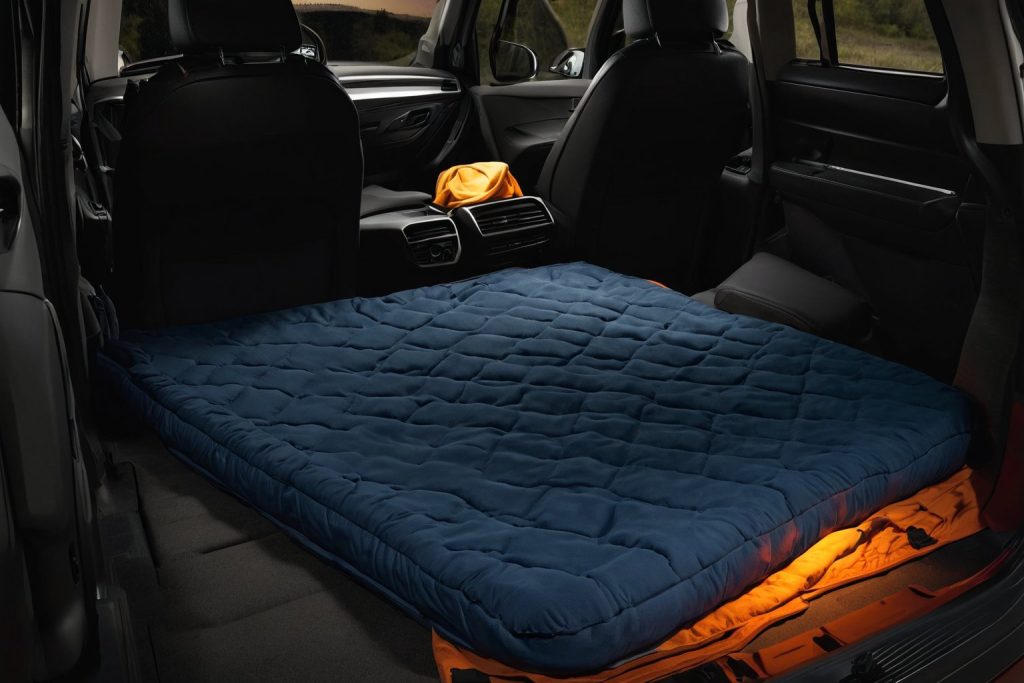
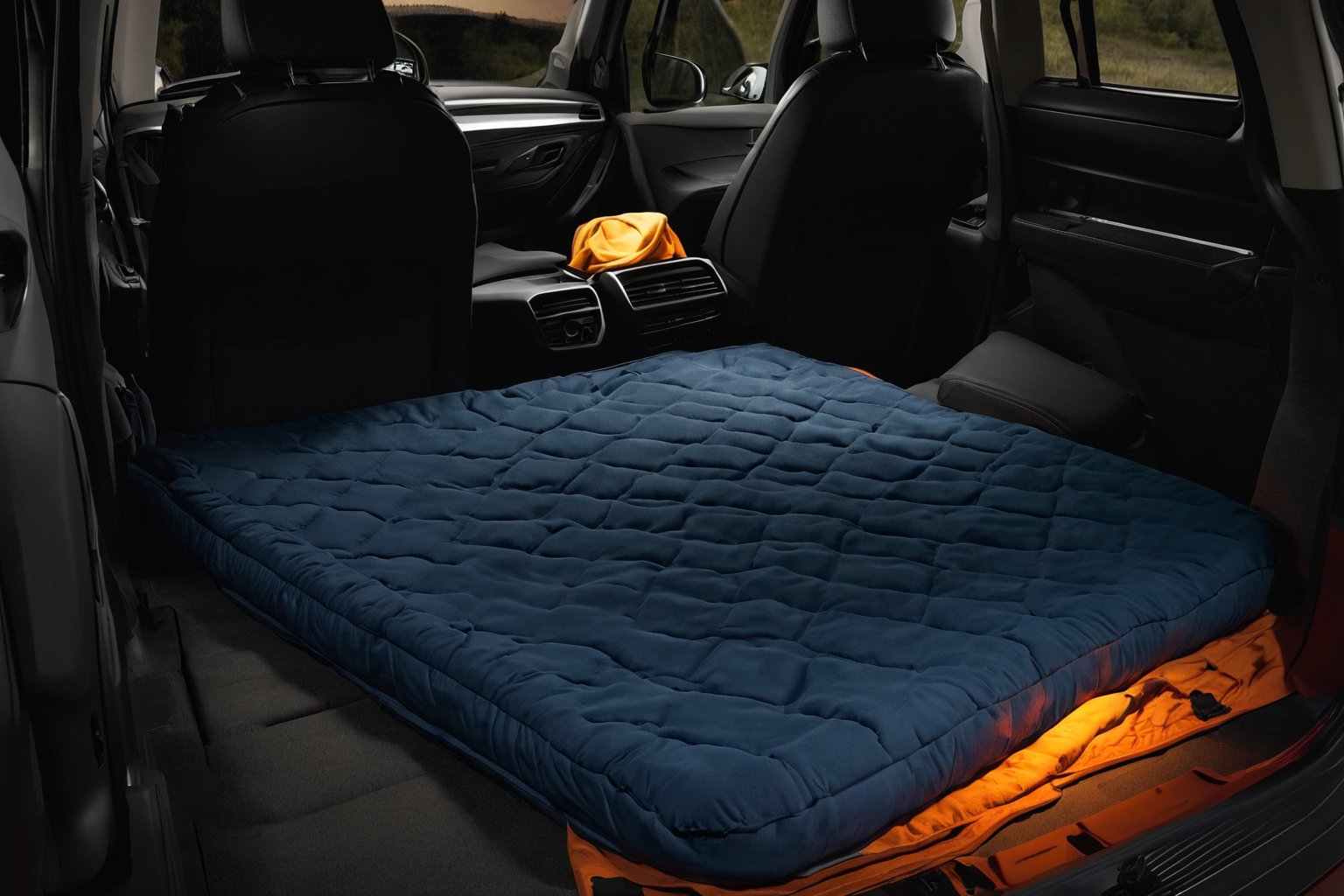
Sleeping inside a vehicle transforms a standard road trip into a mobile basecamp where the trunk becomes a gear locker and the rear seats fold into a mattress platform. To ensure a good night’s sleep during car camping, selecting the right sleeping bag is crucial for balancing warmth and space. Overpacking creates a cluttered cabin that forces you to reshuffle bins at 2 a.m. while underpacking leaves you shivering on a thin foam pad when temperatures drop unexpectedly. The sweet spot sits at the intersection of thermal efficiency, spatial economy, and setup speed because every minute spent wrestling with poles is a minute lost to sleep or stargazing. Experienced travelers optimize their gear setup using RE Power Systems to maximize efficiency and organization.
Sleep System Architecture for Vehicle Dimensions
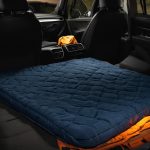
The foundation of overnight comfort rests on a sleep platform that bridges the gap between folded seat backs and the cargo floor. A high-R-value sleeping pad rated above 4.0 insulates against the cold metal chassis which acts as a massive heat sink once the engine cuts. Memory foam toppers cut to the exact interior width eliminate pressure points but consume vertical space so self-inflating pads with horizontal baffles often prove smarter for sedans and crossovers. Pillow choice matters more than most admit; a compressible down pillow packs to fist size yet lofts to four inches while a stuff sack filled with spare layers costs nothing and adjusts firmness instantly. Window covers cut from Reflectix and secured with rare-earth magnets block light and add a measurable R-value bump without the condensation issues of fabric curtains.
Temperature regulation demands a modular approach rather than a single heavy bag. A 20-degree quilt paired with a lightweight fleece liner lets you vent feet or add insulation without unzipping completely. Synthetic fills tolerate the inevitable moisture from breath inside a sealed car better than down which clumps when humidity spikes above 70 percent. I keep a compact 12-volt heated blanket wired to a portable power station for sub-freezing nights because idling the engine for heat burns fuel and risks carbon monoxide buildup. The entire sleep kit compresses into a single 30-liter dry bag that doubles as a seat bolster during drive days.
Power Management and Electrical Independence
Electrical autonomy determines whether you can run a fan, charge devices, and keep food safe without draining the starter battery. A 500-watt-hour lithium power station weighs roughly twelve pounds yet runs a 45-liter compressor fridge for twenty hours on eco mode. Solar input becomes critical for trips beyond two nights; a 100-watt folding panel mounted on the roof rack replenishes 30 percent capacity on a clear afternoon while the vehicle sits parked. Wiring a dedicated Anderson Powerpole circuit to the house battery through a DC-to-DC charger isolates camping loads from the alternator and prevents the dreaded no-start morning. Fuse every positive lead within eighteen inches of the battery terminal because vibration fatigue on long washboard roads is the leading cause of shorts.
Lighting strategy follows a layered philosophy. A 300-lumen magnetic base light illuminates the trunk for cooking while a warm 2700K headlamp with red mode preserves night vision for trips to the vault toilet. USB-C Power Delivery ports charge phones and laptops faster than legacy 12-volt sockets so I carry a 100-watt GaN charger that feeds both the power station and devices simultaneously. Cable management uses hook-and-loop straps routed along existing wiring looms to avoid pinch points near seat tracks. A spare 20,000-mAh power bank lives in the glove box as a last-resort jump for a dead phone or headlamp.
Kitchen Module Design for Compact Footprints
Cooking inside a vehicle footprint demands a stove that burns clean, packs flat, and stabilizes on uneven tailgates. A single-burner canister stove with a wide pot support boils a liter of water in three minutes and nests inside a 1.5-liter pot with a heat exchanger ring. Fuel canisters store upright in a padded ammo can to prevent valve damage from shifting cargo. I avoid liquid fuel stoves for car camping because priming flare-ups stain upholstery and the odor lingers for days in a closed cabin. A collapsible silicone sink, a microfiber towel, and a biodegradable soap sheet complete the wash station that folds into a six-inch square.
On the Chris Palmer channel, they explain how to organize your car camping gear effectively, and you can watch it right here.

Food storage splits between the compressor fridge for perishables and a hard-sided cooler for ice and drinks. Pre-chilling the fridge at home on shore power cuts initial draw by 40 percent and extends battery runtime measurably. Dry goods live in rectangular snap-lid containers that stack flush to the wheel wells eliminating dead air gaps. A magnetic spice jar set clings to the tailgate lip keeping flavor accessible without counter space. Trash management uses a roll-top dry bag clipped to a rear grab handle; it seals odor, compresses as it fills, and doubles as a water hauler when empty.
Water Strategy and Hygiene Logistics
Water weight dictates range so I carry a ten-liter collapsible jerrycan for basecamp and a three-liter hydration bladder for day hikes. A gravity filter cartridge rated to 0.1 microns processes four liters in ten minutes while I set up chairs removing the need to pump manually. The filter backflush syringe weighs an ounce and restores flow rate after silty desert sources. Separate color-coded bottles for gray water and drinking water prevent cross-contamination when refilling at spigots with questionable threads. A camp shower bag hung from the roof rack provides a gravity rinse but requires a privacy shelter in developed campgrounds.
Hygiene kits stay minimal: toothpaste tabs eliminate liquid restrictions, a pack towel absorbs three times its weight and dries in an hour on the dashboard, and a dedicated toiletry bag hangs from the coat hook keeping counters clear. For solid waste I carry a wag bag system with gel and puncture-proof bags because catholes are often prohibited in high-traffic dispersed areas. Hand sanitizer mounts on a carabiner at the tailgate latch so it becomes muscle memory before every meal prep. A small bottle of concentrated castile soap handles dishes, body, and laundry reducing bottle count to one.
Shelter Extensions and Living Space Expansion
An awning or freestanding screen room effectively doubles usable square footage without the condensation of sleeping inside a tent. A 270-degree batwing awning deploys in ninety seconds by one person and shades the kitchen zone during midday heat. Mesh walls zip on for buggy evenings and roll up when the breeze picks up. Ground stakes with wide flanges hold in sand while screw-in anchors bite hardpan; I carry four of each because soil changes mile to mile. Guy lines with reflective tracers and tensioners prevent tripping hazards in low light and keep the canopy taut during gusts.
Furniture selection follows the rule of nested geometry. Two low-profile camp chairs with integrated cup holders slide behind the driver seat. A roll-top aluminum table breaks down to a six-inch cylinder yet supports fifty pounds for a stove and prep board. A foam sit pad straps to the chair frame adding insulation for cold ground and doubles as a knee pad for tire changes. Lighting the living zone uses a string of warm LED bulbs powered from the power station USB port creating a perimeter glow that draws fewer insects than a single bright lantern.
Vehicle Preparation and Mechanical Redundancy
Mechanical sympathy starts before the tires hit dirt. A full-size spare matching the load rating of the other four corners is non-negotiable because space-saver donuts fail on sharp rock at highway speed. Tire repair kit with CO2 inflator, plug strips, and a digital gauge handles slow leaks without removing the wheel. Fluid checks include coolant, brake, and power steering reservoirs topped to the max line since steep grades expose marginal levels. A serpentine belt and a set of hose clamps occupy a small zip pouch but have saved two trips in the last five years.
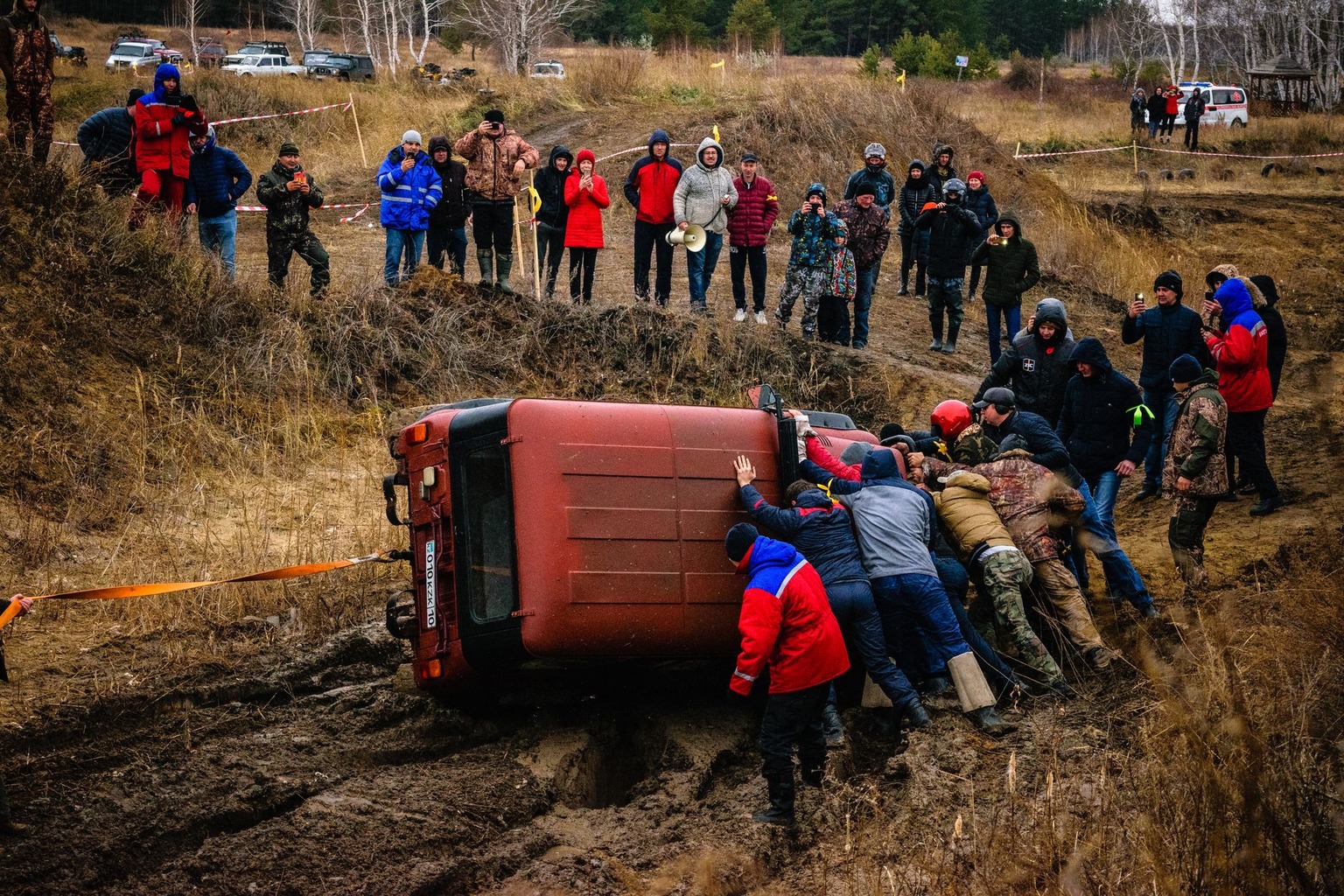
Recovery gear lives in a dedicated molle panel against the cargo wall. A kinetic recovery rope rated to 9,000 pounds stretches 30 percent storing energy for a smooth pull unlike static straps that shock load frames. Soft shackles replace steel D-rings reducing weight and eliminating projectile risk if something snaps. A folding traction board set stacks flat under the false floor and provides bite in sand, mud, or snow without a winch. High-lift jack mounts externally on the roof rack because interior mounting consumes sleep platform space and creates a crush hazard in a rollover.
Organization Systems and Load Security
Load security transforms from convenience to safety when a panic stop at sixty miles per hour turns loose bins into projectiles. Heavy items like the fridge, battery, and water jugs sit low and forward against the rear seat backs anchored with ratchet straps to factory cargo loops. Lighter soft goods fill the upper zones in compression sacks that conform to irregular cavities. A modular drawer system built from half-inch birch plywood on roller bearings slides out the tailgate giving access to the fridge without unloading the entire rear. Each drawer front labels contents with a label maker so midnight searches stay quiet and fast.
Inventory management uses a laminated master list clipped to the driver sun visor. Categories group by function: sleep, power, kitchen, hygiene, recovery. Before every departure I run a two-minute visual scan comparing physical gear to the list catching missing stove lighters or spare headlamp batteries. Consumables like fuel canisters, soap sheets, and wag bags get a tally mark each use so restocking happens at home not at an overpriced resort store. The system scales from a weekend in a sedan to a month in a lifted SUV because the principles of density, accessibility, and redundancy remain constant regardless of vehicle class.

Ever since I bought my first used pickup truck, I’ve been obsessed with finding the perfect blend of off-road capability and weekend comfort. I spend my free time exploring state parks and tinkering with restoration projects in my garage. My writing focuses on how vehicles can enhance your lifestyle and outdoor adventures.