Joining Car Clubs can transform your automotive hobby into a more engaging and social experience. The rising availability of modular battery packs and adapter plates means an electric car conversion no longer requires a custom engineering degree, just patience and a decent tool collection. Many enthusiasts start with a donor car that has a blown engine but straight body panels, keeping the initial investment under five thousand dollars before the drivetrain arrives. Weight distribution becomes the first real headache because a typical lithium module weighs far more than the cast-iron block it replaces. Planning the build around the original gross vehicle weight rating prevents suspension sag and keeps the handling predictable on mountain roads.
Selecting the Right Sedan Platform for a Clean Build
Rear-wheel-drive sedans from the eighties and nineties remain the gold standard because their longitudinal engine bays swallow motor-adapter combos without firewall surgery. A BMW E30 or Ford Crown Victoria offers plenty of tunnel space for a direct-drive unit bolted to the stock transmission, preserving the familiar shift feel many hobbyists crave. Front-wheel-drive platforms like a Honda Accord demand a custom subframe or a specialized transaxle adapter, which adds machining costs and alignment headaches. Before hitting the road, perform a simple tread depth test to ensure your tires are safe for driving. Rust-free examples from southern states save hundreds of hours in metalwork, letting you focus on the high-voltage side of the project.
Curb weight targets should stay within ten percent of the factory figure to avoid re-certifying brakes or springs in most jurisdictions. Stripping sound deadening, heavy bumpers, and the original fuel system often recovers two hundred pounds, creating a budget for the pack without overloading the chassis. Aluminum driveshafts and lightweight flywheels shave rotating mass, improving throttle response in a way that feels surprisingly sporty on back roads. Keep the original gauge cluster if possible; modern CAN-bus displays can replicate speed and state-of-charge data through an Arduino bridge, preserving the vintage dashboard aesthetic. For a quick and effective DIY Car Detailing, focus on a clean title and complete interior trim to enhance your vehicle’s appeal.
Motor Choices: DC Series vs AC Induction vs Permanent Magnet
Series-wound DC motors remain the budget king, often sourced from forklifts or early EV prototypes for under fifteen hundred dollars. They deliver massive low-end torque without a complex inverter, but they demand a large contactor bank and suffer from brush wear after thirty thousand miles of spirited driving. AC induction units like the HPEVS AC-50 pair with a Curtis controller to provide regenerative braking and near-silent operation, though the inverter adds twelve hundred dollars to the bill of materials. Permanent magnet synchronous motors pulled from wrecked Nissan Leafs or Chevy Bolts offer the highest power density, fitting a two-hundred-horsepower punch into a package the size of a watermelon. Each architecture demands a different cooling strategy, so match the motor to your typical driving cycle before committing.
thermal management separates a reliable daily driver from a show car that overheats after three hard pulls. Liquid-cooled stators with a dedicated pump and radiator keep winding temperatures below one hundred twenty degrees Celsius during sustained grade climbs. Air-cooled DC setups rely on a high-CFM blower ducted to the commutator end bell, which works fine for city commuting but struggles on track days. Installing aftermarket car speakers on a budget is straightforward—follow this guide to upgrade your audio system. Wiring gauge must handle peak phase current, four-aught cable for four hundred amp draws, and every high-voltage connection needs torque-sealed lugs to prevent resistance heating over vibration cycles.
Battery Pack Design: Voltage, Capacity, and Packaging
Target a nominal pack voltage that matches your controller’s sweet spot; most aftermarket inverters peak around three hundred fifty volts, so ninety-six lithium iron phosphate cells in series hit the mark with margin. Prismatic modules from CALB or EVE stack neatly into custom aluminum boxes that bolt to the factory seat rails, lowering the center of gravity compared to the original tank location. A twenty-kilowatt-hour pack delivers roughly seventy miles of mixed driving in a three-thousand-pound sedan, while thirty kilowatt-hours pushes past one hundred miles without exceeding GVWR. Leave a ten-percent buffer at top and bottom of the state-of-charge window to maximize cycle life beyond two thousand cycles.
On the EVSwap Conversions channel, they cover how to make an electric car conversion affordable—you can watch it right here.
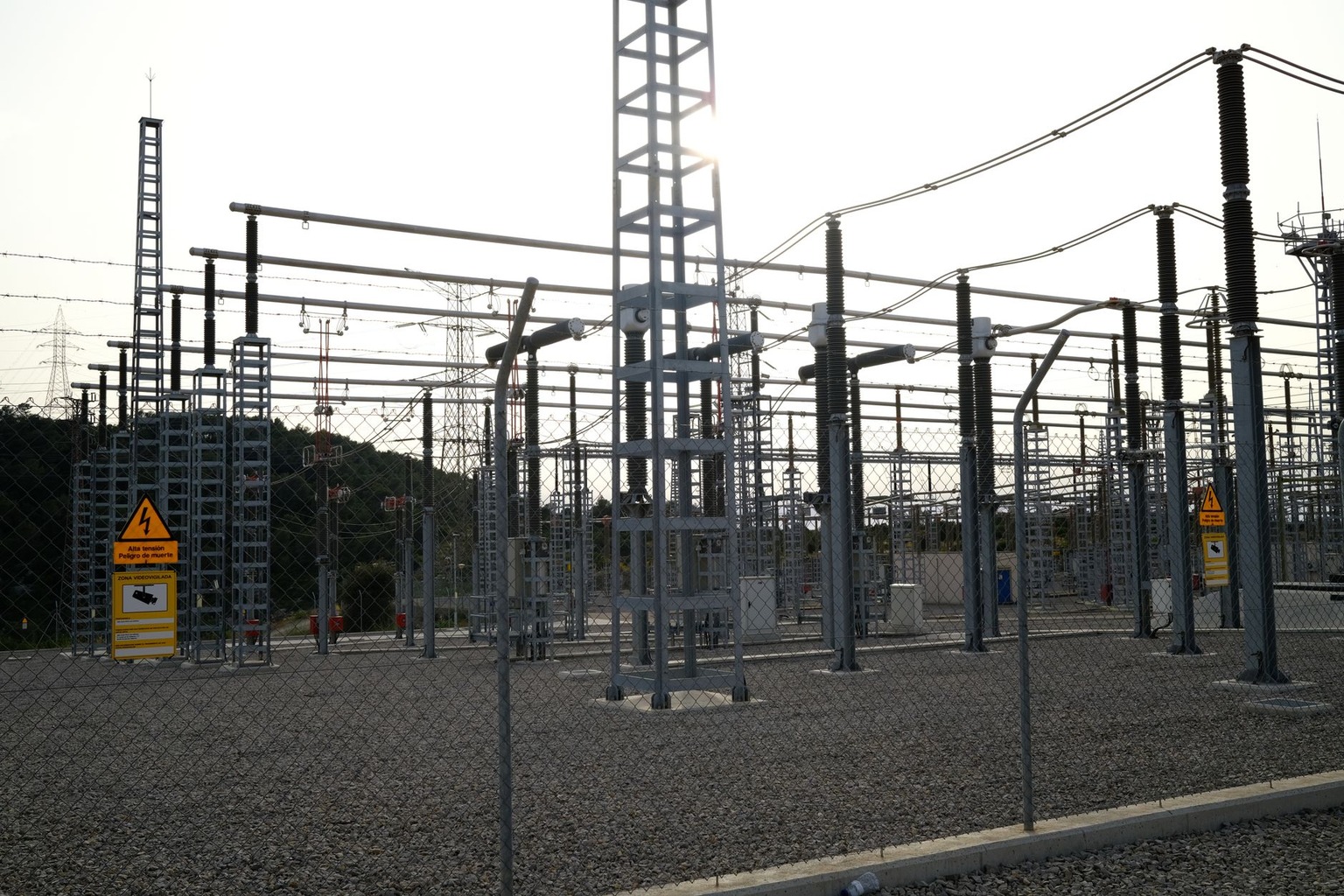
Battery management systems are non-negotiable; a passive balancer that bleeds off excess voltage above three point six five volts per cell prevents drift without active cooling complexity. CAN-enabled BMS units like the Orion Jr. feed real-time cell voltages to a dash display and trigger a contactor opening if any module exceeds temperature limits. Fuse each parallel string with a two-hundred-amp semiconductor fuse rated for six hundred volts DC to isolate faults before they cascade. Mount the main contactor and pre-charge resistor on a DIN rail inside a vented enclosure near the pack to minimize high-voltage cable runs. Label every cable with heat-shrink tags, future-you will thank present-you during a roadside diagnostic session.
Transmission Integration: Keep the Gearbox or Go Direct Drive
Retaining the manual transmission preserves the mechanical connection many hobbyists cherish and solves the motor speed mismatch at highway velocities. A twenty-three-spline input shaft adapter machined from 4140 steel bolts to the bell housing, aligning the motor rotor within two thousandths of an inch to prevent vibration. Second and third gear become the daily driving sweet spot, offering a ten-to-one overall ratio that keeps the motor in its efficient RPM band at sixty miles per hour. Clutch selection matters; an organic sprung-hub disc handles the instant torque without chatter, while a lightweight flywheel reduces inertia for quicker rev matching. Weld the shift forks if the transmission sees frequent power shifts, a common failure point under electric torque.
Direct-drive setups eliminate the gearbox entirely, coupling the motor to the differential through a custom driveshaft flange. This saves eighty pounds and removes a failure point but forces the motor to operate over a wider speed range, demanding a higher-voltage pack or field-weakening capability. A limited-slip differential becomes essential because one-wheel peel wastes traction instantly with electric torque. Final drive ratio selection turns into a compromise; a 3.73:1 ring and pinion works for city acceleration but spins the motor past twelve thousand RPM at eighty miles per hour on many AC units. Understanding Plymouth GTX gear ratios helps optimize your car’s performance for highway driving.
Charging Infrastructure and Onboard Hardware
An onboard charger rated at six point six kilowatts replenishes a twenty-kilowatt-hour pack in three hours from a thirty-amp dryer outlet, making overnight top-ups painless. J1772 inlet mounting in the original fuel filler door preserves the clean body lines and accepts any public Level 2 station without adapters. DC fast charging requires a CCS inlet, isolated high-voltage DC bus, and a charger-communication controller that speaks DIN 70121, a complex addition best left for phase two of the build. Include a ground-fault monitor that trips the main contactor if leakage exceeds five milliamps, satisfying most inspection stations. A small 12-volt auxiliary battery still runs lights and wipers; a twenty-amp-hour LiFePO4 unit under the hood replaces the heavy lead-acid brick and charges via a DC-DC converter tapped from the main pack.
Wiring the high-voltage harness demands orange SAE J2238 cable rated for six hundred volts and one hundred five degrees Celsius. Run cables through convoluted loom secured with P-clips every twelve inches to prevent chafing against sharp chassis edges. Every penetration through the firewall gets a bulkhead connector with an IP67 rating to keep moisture out of the cabin. Crimp lugs with a hydraulic tool, then heat-shrink dual-wall tubing over the joint for strain relief and environmental sealing. Color-code phase leads red, yellow, blue and label both ends with a thermal-transfer printer; troubleshooting a phase-to-ground fault at midnight is miserable without clear identification. Keep a printed wiring diagram laminated in the glove box for first responders.
Cooling, HVAC, and Creature Comforts
Electric motors and inverters reject heat that must go somewhere, so a dedicated low-temperature radiator mounted behind the grille feeds a plate heat exchanger on the motor jacket. A twelve-volt brushless pump circulates fifty-fifty coolant at two gallons per minute, controlled by the inverter’s temperature PID loop. Cabin heat in winter demands a high-voltage PTC heater rated at five kilowatts, plumbed into the original heater core lines with quick-disconnect fittings for easy removal. Air conditioning retains the stock compressor driven by a separate three-phase motor controller, drawing four hundred watts at idle, negligible compared to propulsion load. Insulate the refrigerant lines with argon-filled foam to prevent condensation dripping onto high-voltage components.
Sound deadening takes on new importance when the engine note disappears; tire roar and wind noise become intrusive at highway speeds. Apply constrained-layer damping pads to the floor pan, firewall, and trunk floor before reinstalling carpet, fifty percent coverage cuts perceived noise by three decibels. A simple foam baffle around the motor reduces the characteristic whine of permanent magnet units above sixty miles per hour. Retain the original power steering rack by fitting an electric hydraulic pump kit designed for hot rods; it draws fifteen amps at full lock and fits where the smog pump once lived. Cruise control integrates via a CAN message from the throttle pedal position sensor to the motor controller, a weekend coding project using an ESP32 module.
Registration, Inspection, and Real-World Shakedown
Most states classify a converted sedan as a reconstructed vehicle requiring a brake-and-light inspection, a VIN verification, and an emissions exemption affidavit. Schedule the appointment early; DMV backlogs can stretch to eight weeks in spring. Bring receipts for every major component, motor, controller, cells, charger, because the inspector will verify the parts match the build sheet. Photograph the high-voltage warning labels, inertia switch, and manual service disconnect before the visit; missing labels are the number one reason for a failed first inspection. Insurance companies often demand an appraisal from a certified EV conversion shop to agree on stated value coverage, typically costing three hundred dollars but saving thousands in a total loss.
The first hundred miles serve as a rolling stress test; monitor cell temperatures, controller current limits, and vibration-induced connector loosening daily. Torque-check every high-voltage lug after the initial heat cycle, then again at five hundred miles. Log charging sessions with a Bluetooth dongle on the BMS to catch balancing drift early. Join a regional EV conversion club, most meet monthly at a coffee shop or raceway, where members share dyno sheets, controller maps, and hard-won lessons about specific sedan quirks. The hobby rewards meticulous documentation; a build thread with wiring diagrams and parts links becomes a reference for the next enthusiast eyeing that same sedan in their driveway.

Ever since I bought my first used pickup truck, I’ve been obsessed with finding the perfect blend of off-road capability and weekend comfort. I spend my free time exploring state parks and tinkering with restoration projects in my garage. My writing focuses on how vehicles can enhance your lifestyle and outdoor adventures.