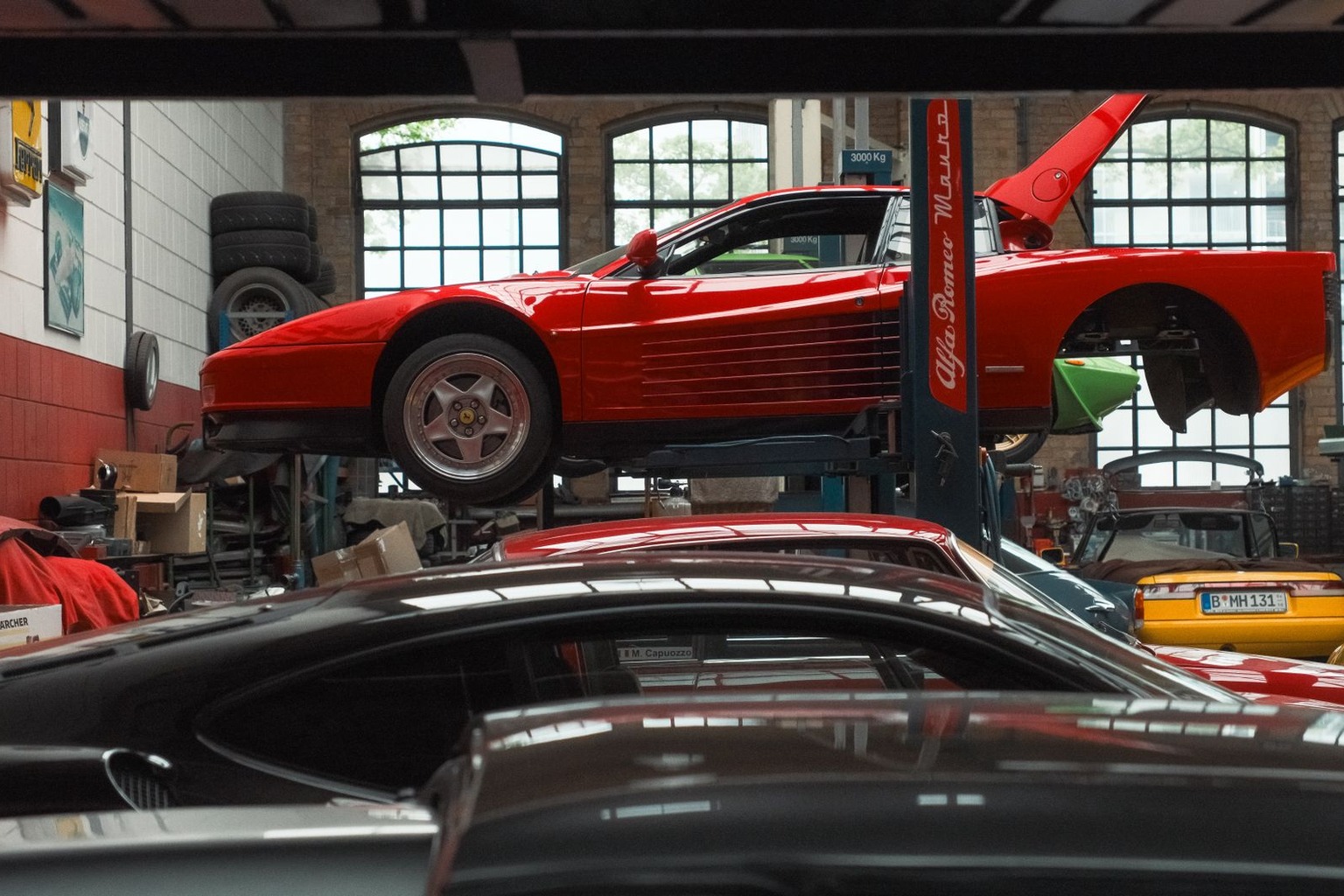
Joining a car club isn’t just about owning a vintage Mustang or a rare Porsche 911, it’s about turning your garage into a social hub where every weekend drive becomes an adventure. For enthusiasts who treat their vehicles as both passion and lifestyle, these clubs offer more than camaraderie; they provide access to expert knowledge, rare event opportunities, and a network that can turn a simple road trip into a full-scale automotive pilgrimage. Whether you’re polishing a 1967 Chevrolet Camaro or restoring a 1970s BMW 2002, the right club can elevate your hobby from solo tinkering to a shared experience that makes every mile count.
How to Choose a Car Club That Matches Your Hobby’s Niche
Not all car clubs are created equal, and the wrong one can leave you feeling like an outsider at your own hobby’s events. Start by narrowing your focus to clubs that align with your specific interests, whether it’s muscle cars, European exotics, or even off-road trucks. For example, if you’re obsessed with American muscle, a club like the Old Towne Orange Car Club specializes in pre-1970s American performance vehicles, offering meetups where you can swap stories with owners of cars like the original Ford Mustang GT or the Dodge Charger R/T. On the other hand, if your passion lies in modern hypercars, look for clubs that organize track days or private test drives with vehicles like the Porsche 918 Spyder or the McLaren P1. The key is to avoid generic clubs that treat every car the same; instead, seek out groups where your specific model or era is celebrated.
Another critical factor is the club’s reputation for inclusivity. Some groups prioritize showroom-quality cars, which can feel intimidating if your project is still in restoration. Others, like the Hyundai Motor Group-backed clubs, focus on newer models and offer mentorship for beginners. Before committing, attend a few meetups unofficially, observe how members interact and whether the vibe feels welcoming. A good club will have a mix of experienced restorers and newcomers, with events that cater to all skill levels, from basic maintenance workshops to high-stakes concours d’elegance competitions. If the club’s events feel like a showcase for the elite only, it’s a red flag that you’ll spend more time feeling like an amateur than learning.
The Hidden Costs of Joining a Car Club You Didn’t Research
Many enthusiasts underestimate the financial and time commitments that come with car clubs, especially those that require dues, event fees, or mandatory participation in restorations. Some clubs charge annual membership fees ranging from $50 to over $500, depending on the level of access, whether it’s to private parking lots, insurance discounts, or exclusive events. For instance, clubs affiliated with insurance providers like those mentioned in CNBC’s 2026 rankings often offer reduced premiums for members, but these perks come with the catch that you must maintain your car to a certain standard. If your budget is tight, opt for clubs with sliding-scale fees or those that focus on social gatherings rather than high-cost activities.
Time is another hidden cost. Clubs that organize regular drives, like the fall foliage trips highlighted in C&G Newspapers, can demand weeks of planning, from coordinating routes to ensuring everyone’s vehicles are road-ready. If you’re already juggling a full-time job or a demanding restoration project, a club that meets monthly might feel like an additional chore. Look for groups with flexible schedules or those that offer virtual meetups for members who can’t always attend in person. Additionally, some clubs require members to contribute to group projects, such as restoring a shared vehicle or organizing events, which can add unexpected labor hours to your week. Always ask about these expectations upfront to avoid burnout.
What to Expect at Your First Car Club Event (And How to Avoid Awkwardness)
Your first car club event can be overwhelming, especially if you’re new to the scene. Most clubs have a mix of regulars and newcomers, but the social dynamics can feel like stepping into an exclusive club if you’re not prepared. Start by introducing yourself to at least two or three people before the event begins, mention something specific about their car, like the engine sound or the paint job, to break the ice. For example, if someone is showing off a restored 1969 Plymouth GTX, ask about the original owner or the challenges of finding parts. This shows genuine interest and helps you stand out as someone who’s engaged, not just lurking.
On the Life at Speed channel, they cover the fundamentals of starting a car club, and you can watch it right here.
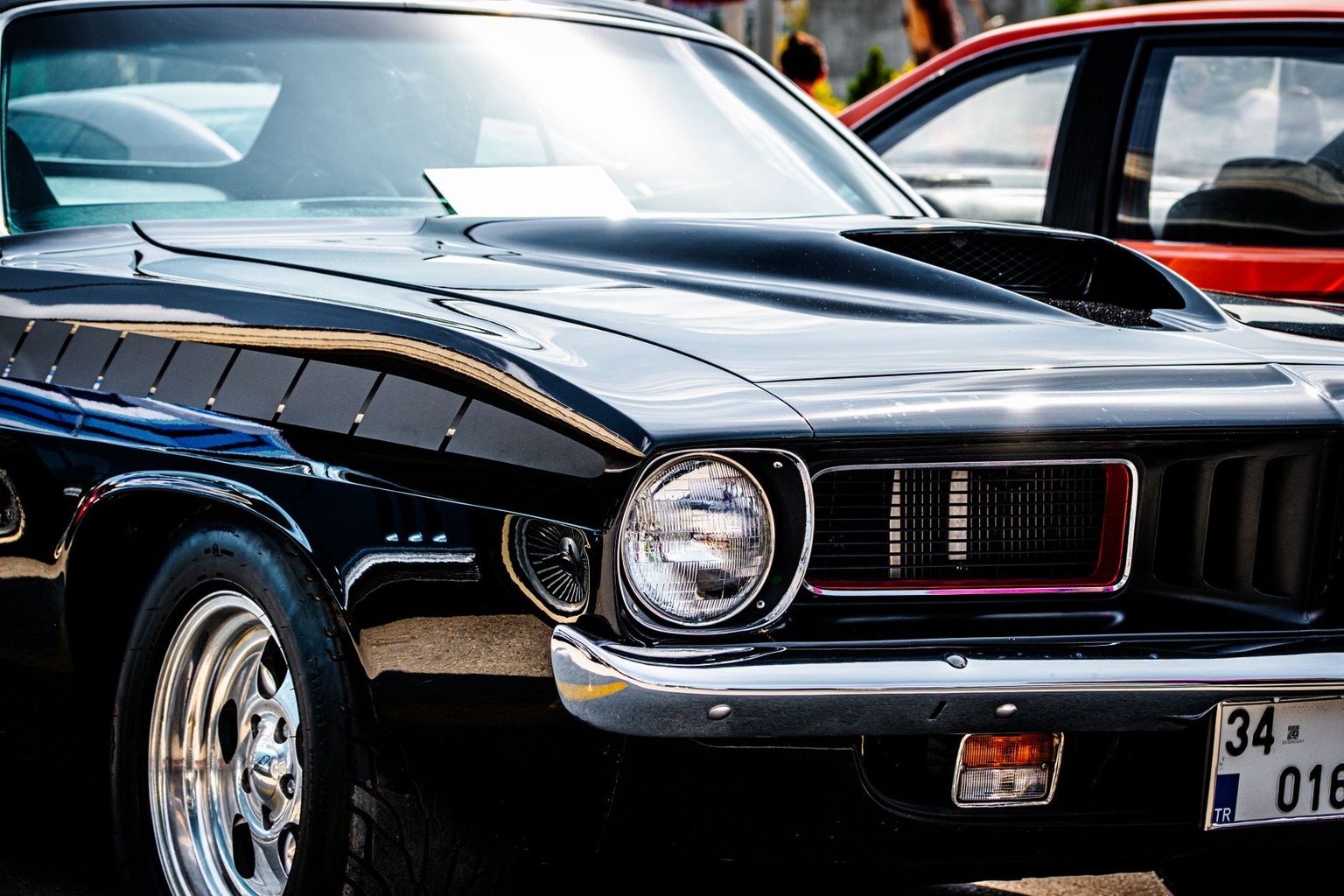
Another common mistake is showing up with a car that’s less than pristine. While some clubs embrace projects in progress, others expect showroom-ready vehicles. Before attending, check the club’s guidelines, some even have a dress code for the cars, like a minimum paint finish or cleanliness standard. If your car isn’t ready, consider bringing a friend’s vehicle or volunteering to help with setup instead of driving. Also, arrive early to scope out the layout, meet other members, and avoid the rush of last-minute introductions. Many clubs have a designated “new member” area or a mentor system, so don’t hesitate to ask for guidance. The goal is to leave feeling like you belong, not like you’ve intruded.
How to Leverage Car Clubs for Restoration Projects and Parts
One of the most practical benefits of car clubs is access to a network of experts who can help with restoration projects, from sourcing rare parts to troubleshooting engine issues. For example, clubs like the Old Towne Orange Car Club often have members who specialize in specific makes or models, meaning you might find someone who’s restored 50+ examples of your car’s era. Reach out before starting a major project, ask for advice on where to buy original parts or even if they’d be willing to lend tools or equipment. Some clubs have shared resources, like part swaps or tool libraries, which can save you hundreds of dollars on restoration costs.
Beyond parts, clubs can also connect you with skilled mechanics who offer discounted rates for members. Many enthusiasts in these groups are former professionals or hobbyists who’ve spent decades working on cars, and they’re often willing to help for free or at a reduced rate in exchange for the camaraderie. For instance, if you’re restoring a 1970s BMW, a club member might know a local shop that specializes in those models and can negotiate a better price for you. Always ask about these resources during meetups or through the club’s online forums. The key is to be specific about what you need, vague requests like “I need help with my car” won’t get you far, but “I’m looking for a genuine 325i headlight assembly” will yield better results.
The Best Types of Car Club Events for Different Hobby Goals
Not all car club events are created equal, and the right one can make or break your experience. If your goal is to improve your driving skills, prioritize clubs that organize track days or high-speed road rallies. Events like those hosted by the Old Towne Orange Car Club often include professional coaching and timed laps, which can help you master techniques like throttle control or cornering. For those focused on aesthetics, look for concours d’elegance competitions, where cars are judged on detail, paint, and overall presentation. These events can be intimidating for beginners, but many clubs offer workshops to teach you how to prep your car for judging, from polishing to pinstriping.

If socializing is your priority, seek out clubs that host casual cruises or themed drives, such as the fall foliage trips mentioned in C&G Newspapers. These events are less about competition and more about enjoying the journey, often with stops at scenic overlooks or local breweries. For restoration projects, clubs that organize “build nights” or part swaps are ideal, these gatherings allow you to work on your car alongside others while sharing tips and tools. The best clubs balance these activities so you’re not always choosing between learning, driving, or socializing. Before committing, ask members what their favorite events are and whether they’ve seen beginners thrive in those settings.
Common Mistakes New Members Make (And How to Avoid Them)
One of the most frequent mistakes new members make is assuming they’ll instantly fit in by showing off their car. While it’s natural to be proud of your vehicle, clubs often discourage overly aggressive self-promotion, especially if your car isn’t yet polished. Instead, focus on contributing to conversations, ask questions, offer help with someone else’s project, or share your own struggles with restoration. For example, if you’re working on a 1967 Chevrolet Camaro, instead of saying, “My car is amazing,” try, “I’m having trouble finding a genuine interior for my Camaro, anyone have recommendations?” This approach positions you as a participant rather than a spectator.
Another pitfall is neglecting to follow through on commitments. If you agree to help organize an event or bring a specific item, make sure you follow up. Clubs rely on members to show up reliably, and flaking can damage your reputation before you’ve even made a mark. Additionally, avoid dominating discussions with your own opinions, listen more than you speak, especially in the early days. Many clubs have veterans who’ve been around for decades, and their insights are invaluable. If you’re unsure about something, ask for clarification rather than assuming you know the answer. These small efforts go a long way in building trust within the group.

Ever since I bought my first used pickup truck, I’ve been obsessed with finding the perfect blend of off-road capability and weekend comfort. I spend my free time exploring state parks and tinkering with restoration projects in my garage. My writing focuses on how vehicles can enhance your lifestyle and outdoor adventures.