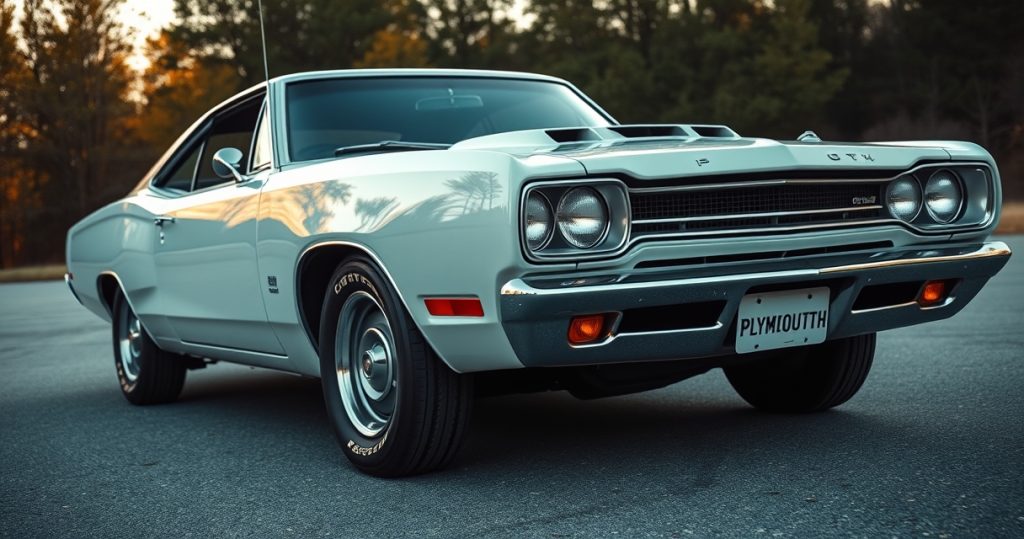
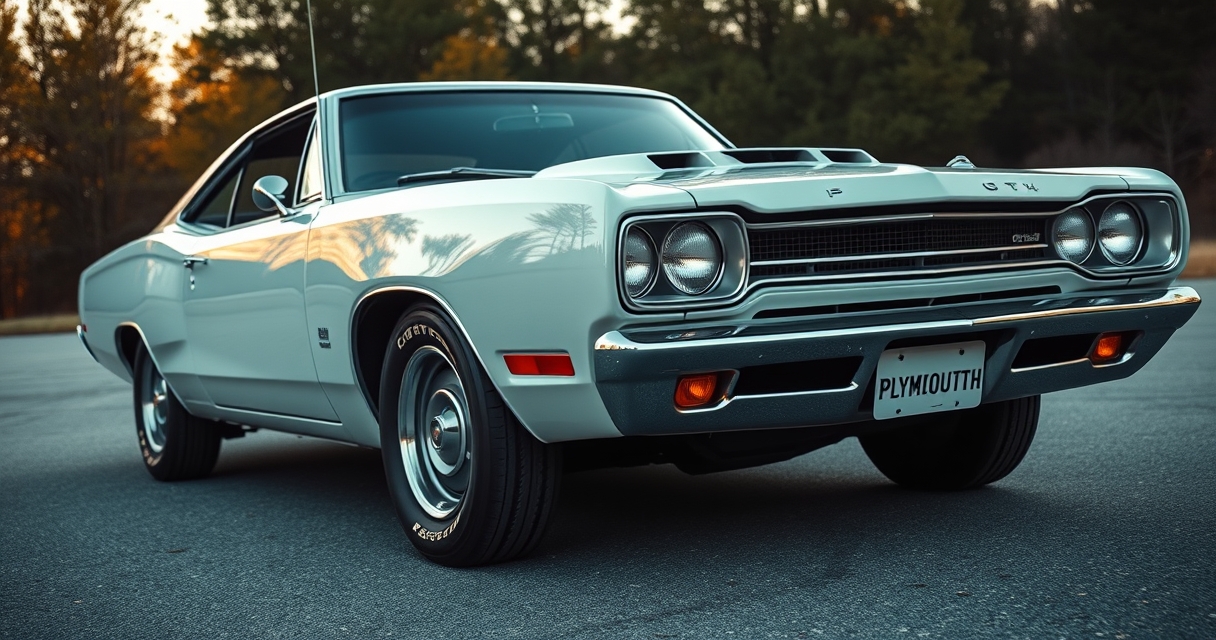
Owning a Plymouth GTX is more than just a passion for classic cars; it is a commitment that requires careful financial planning. The GTX, known for its powerful performance and iconic design, attracts enthusiasts who appreciate its rich history and unique style. However, the costs associated with ownership can add up quickly, making budget planning essential for current and prospective owners. This article will explore various aspects of budget planning for Plymouth GTX ownership, from purchase price to maintenance, insurance, and more, ensuring that you can enjoy your classic car without financial strain.
Understanding the Purchase Price
The first step in budget planning for Plymouth GTX ownership is understanding the initial investment. The purchase price of a GTX can vary significantly based on factors such as condition, year, and any modifications. Generally, you can expect to pay anywhere from $20,000 for a project car needing restoration to over $100,000 for a fully restored, pristine model. It’s crucial to research current market trends and consult classic car pricing guides to find a reasonable price range for your desired model. Keep in mind that rare editions or those with unique features often command a premium, so be prepared for potential fluctuations in pricing.
Additionally, don’t forget to factor in potential purchase-related expenses. These can include transportation fees if you’re buying from a distant location, inspection costs to ensure the vehicle is in good condition, and taxes or registration fees. Allocating a budget for these initial costs will help you avoid surprises and set a solid foundation for your ownership experience.
Insurance Costs for Your Plymouth GTX
Once you’ve acquired your Plymouth GTX, the next significant expense is insurance. Classic car insurance is typically more affordable than standard auto insurance, but it still requires careful consideration. Factors such as your driving history, the car’s value, and how often you plan to drive it will influence your premiums. On average, you might expect to pay between $500 and $1,200 per year for insurance coverage, but this can vary widely based on individual circumstances.
It’s advisable to shop around and compare quotes from different insurers that specialize in classic car coverage. Look for policies that offer agreed value coverage, which ensures that you receive a predetermined amount in case of a total loss. Additionally, consider joining classic car clubs or associations, as they often provide members with access to exclusive insurance deals and discounts.
Regular Maintenance and Repairs
Owning a classic car like the Plymouth GTX means committing to regular maintenance and repairs to keep it in optimal condition. Maintenance costs can vary depending on how frequently you drive the car and the type of work required. On average, you might spend between $1,000 and $2,500 annually on maintenance, which includes oil changes, brake inspections, tire rotations, and other routine services.
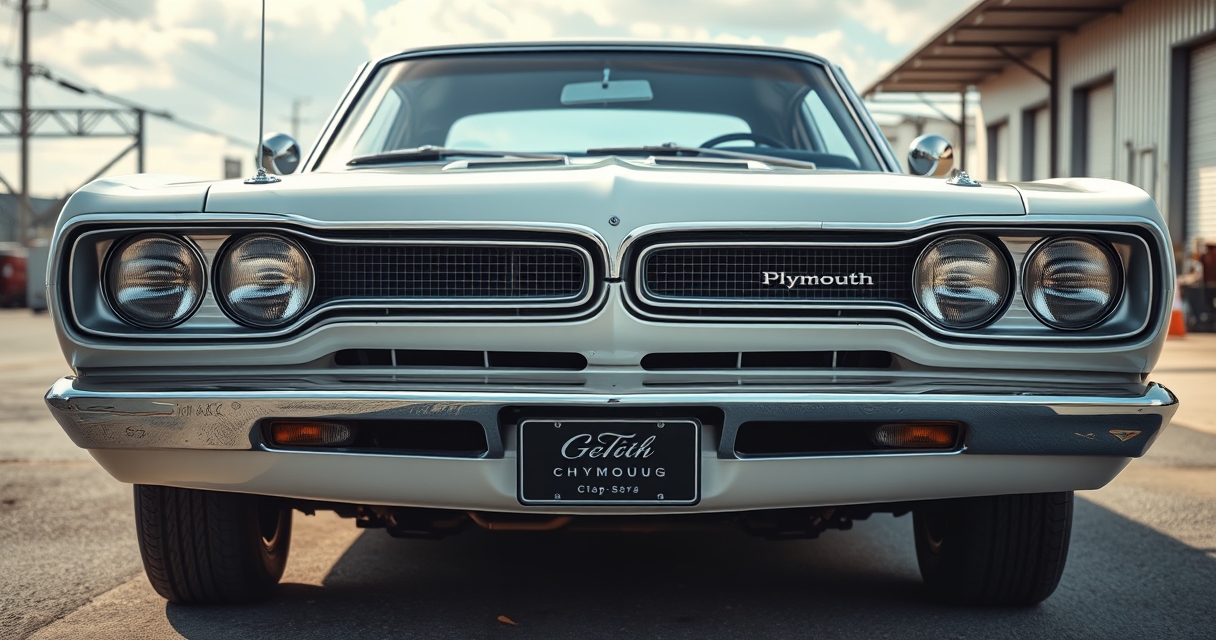
In addition to routine maintenance, be prepared for unexpected repairs. Older vehicles are more prone to issues that may require immediate attention, such as engine problems, transmission repairs, or electrical system failures. Setting aside a dedicated budget for repairs is essential to avoid financial strain. A good rule of thumb is to allocate about 10 to 15 percent of the car’s value annually for maintenance and repair costs.
Fuel and Driving Considerations
Fuel costs are another critical aspect of budget planning for your Plymouth GTX. With its powerful V8 engine, the GTX is not known for its fuel efficiency. Depending on driving habits and conditions, you can expect to get around 10 to 15 miles per gallon. If you plan to drive your GTX frequently or on long trips, fuel expenses can add up quickly. It’s wise to estimate your monthly driving distance and calculate the associated fuel costs based on current gas prices.
For example, if you drive 500 miles a month and your GTX averages 12 miles per gallon, you would consume approximately 42 gallons of fuel. At a gas price of $3.50 per gallon, you would spend around $147 monthly just on fuel. This calculation emphasizes the importance of factoring in fuel costs when budgeting for your classic car ownership.
Storage and Parking Expenses
Proper storage is vital for maintaining the condition of your Plymouth GTX, especially if you live in an area with harsh weather conditions. If you have a garage, that may suffice, but many owners opt for climate-controlled storage facilities to prevent rust and deterioration. Renting a storage unit can range from $100 to $300 per month, depending on the location and amenities. Investing in proper storage not only protects your investment but also enhances its resale value.
Additionally, consider parking expenses if you plan to take your GTX to car shows, events, or simply out for a drive. Some venues charge for parking, and if you live in an urban area, street parking might come with its own set of fees. Budgeting for these expenses will help ensure that you can enjoy your car without worrying about where to park or how to protect it while out and about.
Customization and Upgrades
Many Plymouth GTX owners choose to customize their vehicles to enhance performance or aesthetics. Whether it’s upgrading the exhaust system, adding new wheels, or repainting the exterior, these modifications can significantly impact your budget. Depending on the extent of the upgrades, costs can range from a few hundred dollars for minor changes to several thousand for extensive overhauls.

Before diving into customization, it’s essential to establish a budget that reflects your goals and priorities. Some upgrades may increase the vehicle’s value, while others may not yield a significant return on investment. It’s wise to consult with experts and fellow enthusiasts to determine which modifications provide the best balance of performance improvement and cost-effectiveness.
Participation in Events and Clubs
Being a part of the classic car community can enhance your ownership experience, but it can also come with additional costs. Joining clubs or attending events often involves membership fees, entry fees, and travel expenses. Many Plymouth GTX owners enjoy participating in car shows, rallies, and meets, which can be a fantastic way to connect with other enthusiasts and showcase your vehicle.
Membership in local or national car clubs can provide access to exclusive events, resources, and networking opportunities. However, it is important to consider these costs when planning your budget. Depending on the club, membership fees can range from $25 to $100 annually, while event entry fees may vary from $10 to $100. Budgeting for these expenses ensures that you can partake in the vibrant classic car culture without overspending.

Ever since I bought my first used pickup truck, I’ve been obsessed with finding the perfect blend of off-road capability and weekend comfort. I spend my free time exploring state parks and tinkering with restoration projects in my garage. My writing focuses on how vehicles can enhance your lifestyle and outdoor adventures.