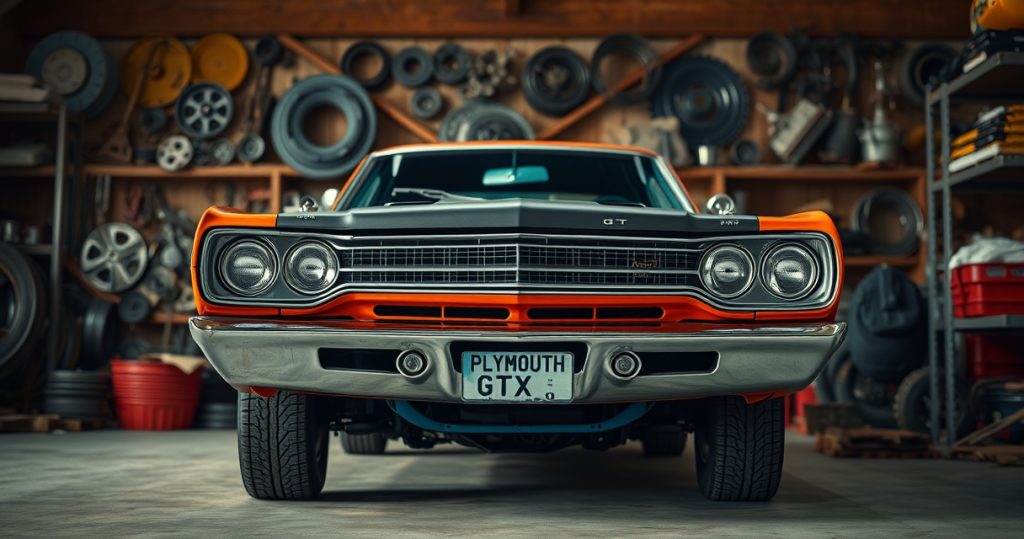
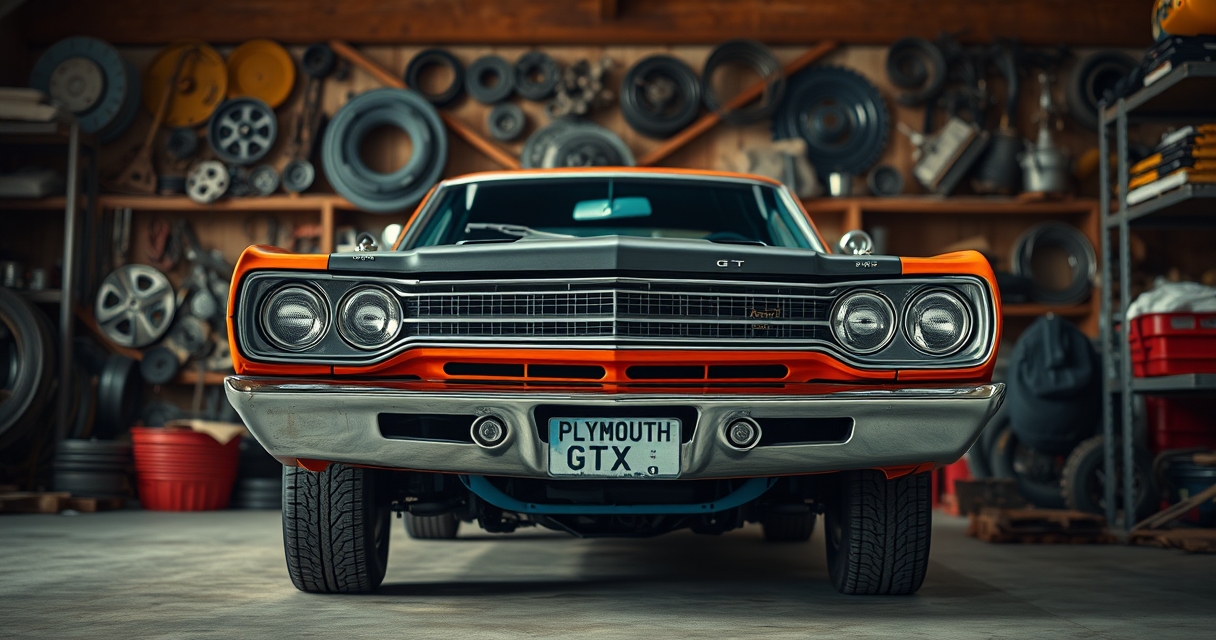
The Plymouth GTX remains one of the most coveted muscle cars from the late 1960s and early 1970s. Its aggressive styling, powerful Hemi engine, and limited production numbers give it a status that rivals the most celebrated classic automobiles. Enthusiasts who own a GTX often face the harsh reality that original components are scarce, and any deterioration can dramatically affect resale value. This reality makes proper spare parts storage a critical part of the ownership experience, especially for those who intend to restore or preserve the car for future generations. Understanding how to protect these parts can mean the difference between a museum‑quality vehicle and a neglected relic.
Why spare parts storage matters for rare GTXs
When a Plymouth GTX leaves the factory, it receives a suite of components that were never mass‑produced for any other model. Items such as the 426 Hemi cylinder heads, the distinctive air‑grabber hood, and the unique 6‑ball rear axle are all limited to a handful of surviving examples. Because the market for these parts is so narrow, even a small amount of rust or oxidation can render a component unusable, forcing owners to search for expensive alternatives or fabricate replacements. Proper storage ensures that each piece retains its original finish, fit, and function, preserving both mechanical integrity and historical authenticity.
Beyond the mechanical considerations, spare parts act as tangible links to the car’s provenance. A well‑documented set of components can increase a GTX’s provenance score, which collectors often use to assess authenticity and value. Many auction houses and classic car insurers request detailed inventories that include photographs, part numbers, and condition reports. By maintaining a meticulous storage system, owners can quickly provide the documentation needed for resale, insurance, or participation in heritage events.
Ideal environmental conditions for long‑term storage
Temperature stability is the cornerstone of any preservation strategy. Fluctuations between hot summer days and cold winter nights cause metal to expand and contract, accelerating fatigue in welded joints and creating micro‑cracks in cast components. A climate‑controlled garage set to a consistent 60‑70 °F (15‑21 °C) reduces this stress and slows the oxidation process that leads to rust. Humidity control is equally important; keeping relative humidity below 45 percent prevents moisture from settling on surfaces and forming corrosion cells.
Air circulation plays a subtle but vital role. Stagnant air can trap moisture, especially in enclosed containers, while moving air helps evaporate any residual dampness. Installing a low‑speed ventilation fan or using desiccant packs inside storage boxes can keep the environment dry without introducing dust. Light exposure should also be limited; ultraviolet rays from sunlight can degrade rubber seals, paint, and plastic components, so opaque containers or UV‑blocking film on garage windows are advisable.
Organizing a parts inventory: cataloging and labeling
A systematic inventory begins with a master list that assigns a unique identifier to each component. For a GTX, this might include codes such as “GTX‑H‑426” for the Hemi engine block, “GTX‑A‑GRB” for the air‑grabber hood, and “GTX‑R‑6B” for the six‑ball rear axle assembly. Recording the part number, original purchase date, and condition rating creates a reference point for future restoration work. Digital spreadsheets allow owners to sort and filter by category, making it easy to locate a specific item when the need arises.

Physical labeling should mirror the digital system. Heavy‑duty adhesive tags or metal plates affixed to each part provide a quick visual cue, while QR codes attached to larger assemblies can link directly to the online inventory entry. When parts are placed in containers, the outer box should display the same identifier, and a brief description of contents should be written on the interior lid. This double‑layer approach reduces the risk of misplacement, especially when multiple owners share a storage facility.
Protecting components from corrosion and wear
Before sealing any part, a thorough cleaning removes salts, oils, and road grime that accelerate corrosion. A combination of hot water, mild detergent, and a soft brush works well for most metal surfaces, while a dedicated brake cleaner can tackle stubborn residue on calipers and rotors. After cleaning, the part should be dried completely; compressed air or a low‑heat hair dryer can speed up the process and prevent water spots.
Applying a protective coating adds an extra barrier against the elements. For steel components, a thin layer of rust‑inhibiting oil or a rust‑preventive spray provides long‑term protection without altering dimensions. Aluminum parts, such as the Hemi cylinder heads, benefit from a clear anodizing seal that preserves the metal’s natural resistance to corrosion. Rubber and plastic items should be stored with a silicone‑based protectant to keep them supple and prevent cracking over time.
Restoring a stored GTX: common challenges and solutions
When a previously stored GTX reappears on the driveway, owners often discover that rust has taken hold in hidden corners, especially around bolt holes and undercarriage brackets. A common remedy is to use a rust converter that chemically transforms iron oxide into a stable compound before repainting. In cases where corrosion has perforated the metal, welding or using a high‑strength epoxy filler can restore structural integrity, though the repair must be carefully matched to the original thickness to avoid balance issues.

Electrical systems are another frequent source of trouble after long storage periods. Battery terminals, starter solenoids, and ignition coils can develop a white, powdery residue that indicates oxidation. Cleaning these contacts with a fine‑grade abrasive pad and applying a dielectric grease restores conductivity. In some instances, wiring harnesses may become brittle; replacing sections with modern, heat‑resistant cable while preserving original routing helps maintain reliability without sacrificing authenticity.
Community resources and sharing knowledge
Classic car clubs and online forums dedicated to the Plymouth GTX provide invaluable support for owners navigating storage and restoration. Many members contribute detailed restoration logs, parts photographs, and supplier contacts that can accelerate a project’s timeline. Regional meet‑ups often feature swap meets where rare components change hands, allowing enthusiasts to acquire items that would otherwise be impossible to locate.
In addition to peer‑to‑peer exchanges, several specialty shops have emerged that focus exclusively on GTX parts. These businesses maintain their own climate‑controlled warehouses, offering owners the option to store components off‑site while retaining access to a curated inventory. Partnerships with such providers can free up personal garage space and ensure that every piece receives professional care, a benefit that many owners find worth the additional expense.

Ever since I bought my first used pickup truck, I’ve been obsessed with finding the perfect blend of off-road capability and weekend comfort. I spend my free time exploring state parks and tinkering with restoration projects in my garage. My writing focuses on how vehicles can enhance your lifestyle and outdoor adventures.