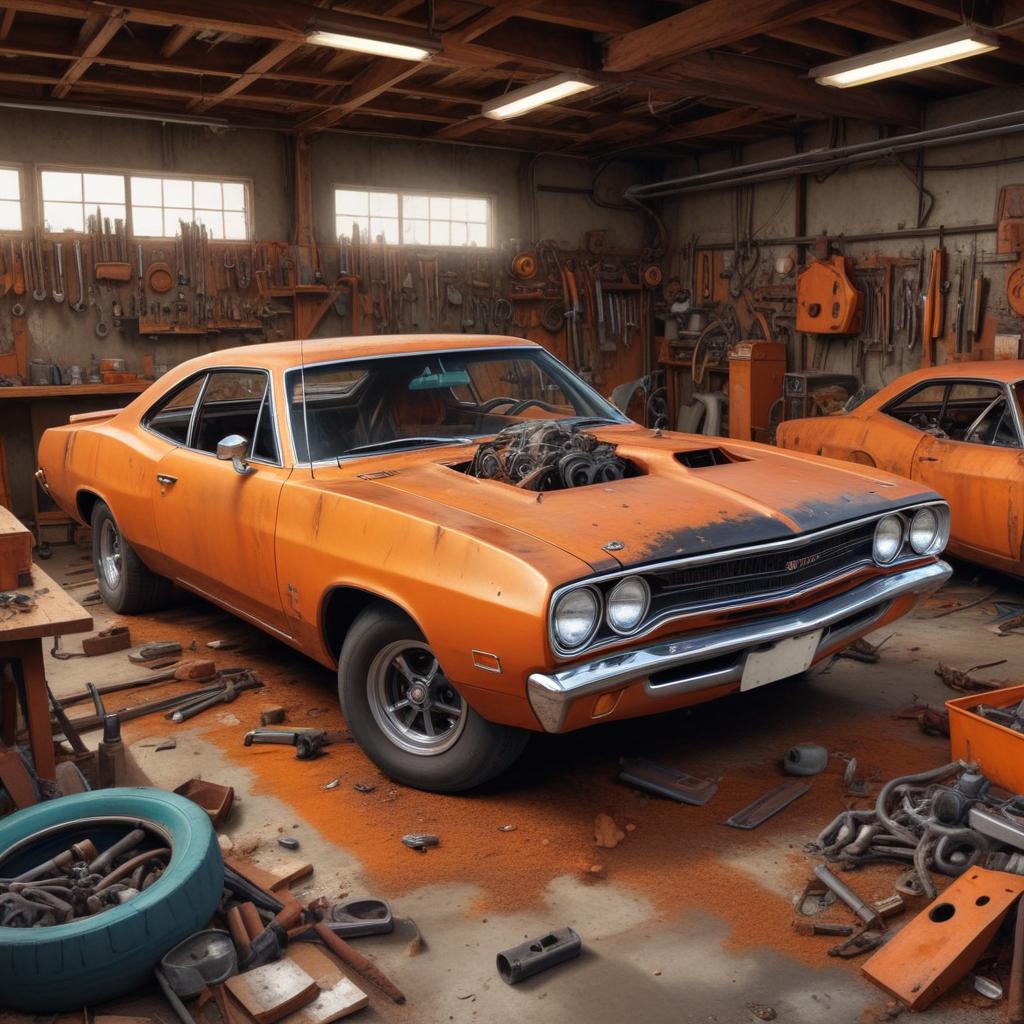
Common Pitfalls in Plymouth GTX Restoration
Restoring a Plymouth GTX is a rewarding yet challenging endeavor that requires attention to detail and a solid understanding of classic car restoration. However, numerous restoration mistakes frequently occur that can significantly affect the final outcome of the project. Awareness of these common pitfalls can help enthusiasts avoid costly errors and preserve the authenticity and value of their Plymouth GTX.
One of the most frequent restoration mistakes in Plymouth GTX restoration is neglecting proper research and documentation. Classic car restoration demands a thorough understanding of the vehicle’s original specifications, parts, and finishes. Failing to source correct parts or using modern substitutes without consideration can detract from the car’s originality and reduce its collector value. This pitfall often leads to a restoration that looks good on the surface but lacks authenticity.
Another common error is overlooking the importance of rust repair and structural integrity. Rust damage is a major problem in classic cars like the Plymouth GTX, and superficial fixes will only provide temporary results. Ignoring or inadequately addressing rust can lead to weakened frames and body panels, compromising both safety and the longevity of the restoration. Investing time in proper metal work and rust treatment is essential for a quality restoration.
Mechanical restoration mistakes also occur frequently. Many restorers focus heavily on aesthetics but fail to give equal attention to the drivetrain, suspension, and brakes. Neglecting these systems can result in a Plymouth GTX that looks pristine but is unreliable or unsafe to drive. Classic car restoration should encompass both form and function to ensure the car performs as beautifully as it appears.
Lastly, improper paint and finish application is a restoration pitfall that can mar the overall appearance and value of the Plymouth GTX. Using incorrect paint types, colors, or application techniques can lead to peeling, fading, or an unprofessional finish. Professional paint and detail work, tailored specifically for classic vehicles, are necessary to achieve an authentic and durable restoration finish.
In conclusion, avoiding these restoration mistakes—lack of research, inadequate rust repair, neglecting mechanical systems, and poor paint application—will greatly enhance the success of any Plymouth GTX restoration project. Understanding and addressing these pitfalls is vital for restoring a classic car that is not only visually stunning but also structurally sound and reliable.
Ignoring Original Specifications
Adhering to the original specifications is crucial for an authentic restoration of the Plymouth GTX. Using accurate Plymouth GTX parts that match the factory standards ensures that the vehicle maintains its integrity and historical value. Ignoring these specifications can lead to a compromised restoration where the car no longer reflects its true character and performance capabilities.
Restoration accuracy goes beyond aesthetics; it influences the vehicle’s functionality and safety. Deviations from the original specifications may result in improper fitting parts, mechanical issues, and reduced reliability. Additionally, non-authentic components can decrease the car’s market value and authenticity appeal to collectors and enthusiasts.
Maintaining original specifications also honors the craftsmanship and design intentions of the Plymouth GTX. Every detail, from the engine configuration to the trim finishes, plays a role in the overall restoration success. Therefore, sourcing the correct Plymouth GTX parts and strictly following documented standards is essential for achieving a restoration that fully respects the model’s heritage and brings it back to its former glory.
Using Incompatible Replacement Parts
One common restoration mistake with Plymouth GTX vehicles is the use of incompatible replacement parts. Restoration quality can suffer significantly when parts that don’t fit or function correctly are installed. Using Plymouth GTX parts that are not specifically designed for the model can lead to a range of problems including improper alignment, mechanical failures, and poor aesthetic results. These incompatible parts may not match original specifications, which compromises both the performance and the authenticity of the restored vehicle.
For example, using replacement parts sourced from similar but different models can create issues with engine performance or suspension stability. Additionally, electrical components that are not designed for the Plymouth GTX may cause wiring problems and malfunctions, risking safety and reliability. Even exterior parts like trim or badges that don’t fit perfectly can diminish the car’s overall appearance and value.
Restorers should always seek out authentic or correctly matched Plymouth GTX parts to maintain the integrity of their project. While it might be tempting to use cheaper or more readily available parts, the long-term impact on restoration quality is often negative. Incompatible parts can lead to extra expenses for repairs or replacements down the road, ultimately undermining the whole restoration effort.
Mistakes in Paint and Bodywork
Restoring a Plymouth GTX is a labor of love, but the paint and bodywork phase is one where many enthusiasts encounter pitfalls. Common paint mistakes and bodywork errors can significantly impact the authenticity and overall finish of your classic car. Understanding these common issues will help you avoid costly setbacks and achieve a restoration that honors the original beauty of the Plymouth GTX.
One of the most frequent paint mistakes in Plymouth GTX restoration is improper surface preparation. Neglecting to remove old paint layers thoroughly or failing to correct rust and body imperfections before applying paint can lead to uneven finishes, peeling, or bubbling. Given the importance of an authentic finish, meticulous sanding, cleaning, and rust treatment are essential steps to ensure the new paint adheres properly and lasts over time.
Another bodywork error involves incorrect panel alignment or using incompatible filler materials. Classic car paint issues often arise when body panels are not perfectly aligned or when inexpensive fillers that don’t react well with the paint system are used. This can cause cracks or visible imperfections that detract from the car’s classic aesthetic. Investing time in precise metalwork restoration and choosing high-quality materials are best practices for avoiding these problems.
Many enthusiasts also fall into the trap of using modern paint products or colors that don’t match the Plymouth GTX’s original palette. Classic car paint issues are not just aesthetic; mismatched colors or finishes can reduce the vehicle’s value and authenticity. Sourcing period-correct paint formulations or custom-mixing to match factory shades is a critical step in maintaining authenticity.
Lastly, rushing the painting process or skipping crucial curing and finishing stages often results in a subpar finish. Applying multiple coats without allowing appropriate drying times may cause runs or sags in the paint. Following manufacturer recommendations for paint application and focusing on patience during the finishing stages produce a smooth, durable, and authentic Plymouth GTX restoration paint job.
In summary, avoiding paint mistakes and bodywork errors during your Plymouth GTX restoration requires attention to detail, the right materials, and authenticity-focused techniques. By thoroughly preparing surfaces, perfectly aligning body panels, using classic-correct paints, and adhering to proper application methods, you can achieve a finish that not only looks stunning but also honors the heritage of this iconic muscle car.
Improper Surface Preparation
Proper surface preparation is critical in any Plymouth GTX restoration project. It plays a major role in ensuring excellent paint adhesion and a flawless finish. Without thorough bodywork prep, even the highest quality paint can fail, leading to peeling, bubbling, or uneven coverage. Restoration surface errors often stem from rushing or skipping essential steps before painting.
One of the most common mistakes is inadequate cleaning and sanding. Surfaces must be free from rust, old paint residues, oils, and contaminants to allow the primer and paint to bond properly. Failure to remove these substances results in compromised paint adhesion, causing premature paint failure. Additionally, uneven sanding or ignoring imperfections can create rough textures that become highly visible after painting.
Another frequent error is poor application of primers or sealers. Using the wrong type or insufficient coats can cause paint to lift or crack over time. Ignoring the recommended drying times between bodywork prep steps also disrupts the chemical balance necessary for a durable finish. Attention to detail during surface preparation prevents costly redo work and enhances the longevity of the restoration.
Investing time in meticulous surface preparation elevates the overall quality of the restoration. By addressing common restoration surface errors early, enthusiasts ensure their Plymouth GTX receives a flawless paint job that lasts, maintaining its classic beauty for years to come.
Incorrect Paint Types and Colors
Choosing incorrect paint types or colors during a Plymouth GTX restoration can significantly compromise the vehicle’s authenticity. Using modern paints instead of classic car paint designed for vintage models can lead to issues like improper adhesion, fading, or a finish that looks out of place. Additionally, color matching plays a crucial role; even slight deviations from the original paint can alter the car’s overall aesthetic and diminish its value as a restored classic.
To maintain authenticity, it is essential to research and select paint types that replicate the look and durability of the original Plymouth GTX paint. Opting for OEM color codes or consulting with classic car paint specialists ensures the color closely matches what the car had when it first left the factory. This attention to detail preserves the historical accuracy and appeal of the restoration.
When selecting paint, consider the finish and characteristics unique to classic cars. Some paints used today may not capture the depth or shine of vintage finishes. Using high-quality, period-correct paint types, combined with expert color matching, ensures the restored Plymouth GTX looks authentic and stands out as a true classic. Proper paint choice is a vital step in any restoration to honor the vehicle’s original design and craftsmanship.
Mechanical Restoration Errors
When undertaking a Plymouth GTX restoration, mechanical restoration mistakes are common pitfalls that can compromise the entire project. Many restorers focus heavily on aesthetics, but overlooking mechanical integrity leads to recurring issues and costly repairs down the line. This article explores typical mechanical restoration errors encountered during Plymouth GTX engine rebuilds, suspension work, and brake system refurbishments.
One of the most frequent engine mistakes during a Plymouth GTX engine rebuild is improper assessment of worn components. Restorers sometimes reuse parts that appear functional but are actually fatigued or damaged, leading to premature engine failure. Issues such as incorrect torque specifications on bolts, overlooking gasket replacements, or neglecting proper cleaning of engine surfaces further contribute to mechanical restoration failures. An engine rebuild demands precision and attention to detail to ensure ultimate reliability and performance.
Another mechanical restoration issue is related to suspension components. During restoration, failing to replace aging bushings, shocks, and bearings with quality replacements can result in poor ride quality and handling problems. Additionally, incorrect alignment or neglecting to inspect steering mechanisms can lead to unsafe driving conditions. The Plymouth GTX’s suspension system requires thorough inspection and replacement of worn parts to restore the vehicle’s original handling characteristics.
Brake system mistakes are also common and critically important to avoid. Restorers sometimes neglect to replace brake lines, pads, or calipers, or reuse contaminated brake fluid, which adversely affects braking performance. Improper installation or adjustment of drum brake components and failure to flush the system with fresh brake fluid are frequent restoration mechanical issues that compromise safety. Ensuring the brake system is fully overhauled with attention to detail is vital for a successful Plymouth GTX restoration.
In summary, mechanical restoration errors can jeopardize even the best cosmetic restorations of the Plymouth GTX. Avoiding engine mistakes, properly refurbishing the suspension, and thoroughly overhauling the brake system are essential steps. Prioritizing these mechanical aspects will not only enhance the vehicle’s reliability and safety but also preserve the authenticity and performance expected from a classic Plymouth GTX restoration.
Overlooking Engine Authenticity
Preserving engine authenticity is a critical aspect of any Plymouth GTX restoration project. The Plymouth GTX engine is not only the heart that powers this classic car but also a key element in maintaining its historical and monetary value. When builders overlook the importance of using authentic engine components, they risk diminishing the car’s originality, which can lead to a less desirable restoration.
In many restoration engine rebuilds, enthusiasts may be tempted to replace original parts with readily available aftermarket components or to modify the engine for better performance. While these choices might improve functionality in the short term, they detract from the classic car engine’s originality. This loss of authenticity often results in a vehicle that no longer represents the true essence of a Plymouth GTX, impacting collectors’ interest and the car’s appraisal value.
Moreover, overlooking engine authenticity can introduce compatibility issues, as non-original parts might not fit seamlessly with the rest of the powertrain, causing long-term reliability problems. It is essential for restorers to source and retain original components or properly documented reproduction parts to ensure the restoration engine rebuild maintains integrity and respects the Plymouth GTX’s legacy.
In summary, maintaining engine authenticity safeguards the Plymouth GTX engine’s historical significance, ensuring that the classic car engine remains true to its original design and performance specifications. Avoiding shortcuts in engine restoration helps preserve the car’s value and honors its storied heritage.
Neglecting Suspension and Brake Systems
When restoring a classic muscle car like the Plymouth GTX, overlooking the suspension restoration can lead to serious repercussions. The suspension system plays a critical role in the vehicle’s handling, ride comfort, and overall stability. Neglecting this aspect or performing improper repairs not only diminishes the driving experience but also compromises safety on the road. Worn or damaged suspension components can cause unpredictable vehicle behavior, making it difficult to control the car during cornering or emergency maneuvers.
Similarly, brake system errors are among the most dangerous mistakes in muscle car restoration projects. Classic muscle car brakes require meticulous care to ensure they function reliably. If the brake system is neglected or poorly restored, the stopping power of the Plymouth GTX is severely reduced, increasing the risk of accidents. Factors such as rusted calipers, old brake lines, or improper brake pad installation can all contribute to brake failure.
Proper restoration of the Plymouth GTX suspension and brake systems is essential not just for maintaining authenticity, but for preserving drivability and ensuring driver safety. Investing time and effort into repairing, upgrading, or replacing these systems with quality parts helps restore the muscle car’s original performance capabilities. Avoiding suspension and brake system errors allows owners to enjoy a smooth, controlled ride while confidently cruising in their classic Plymouth GTX.

Ever since I bought my first used pickup truck, I’ve been obsessed with finding the perfect blend of off-road capability and weekend comfort. I spend my free time exploring state parks and tinkering with restoration projects in my garage. My writing focuses on how vehicles can enhance your lifestyle and outdoor adventures.