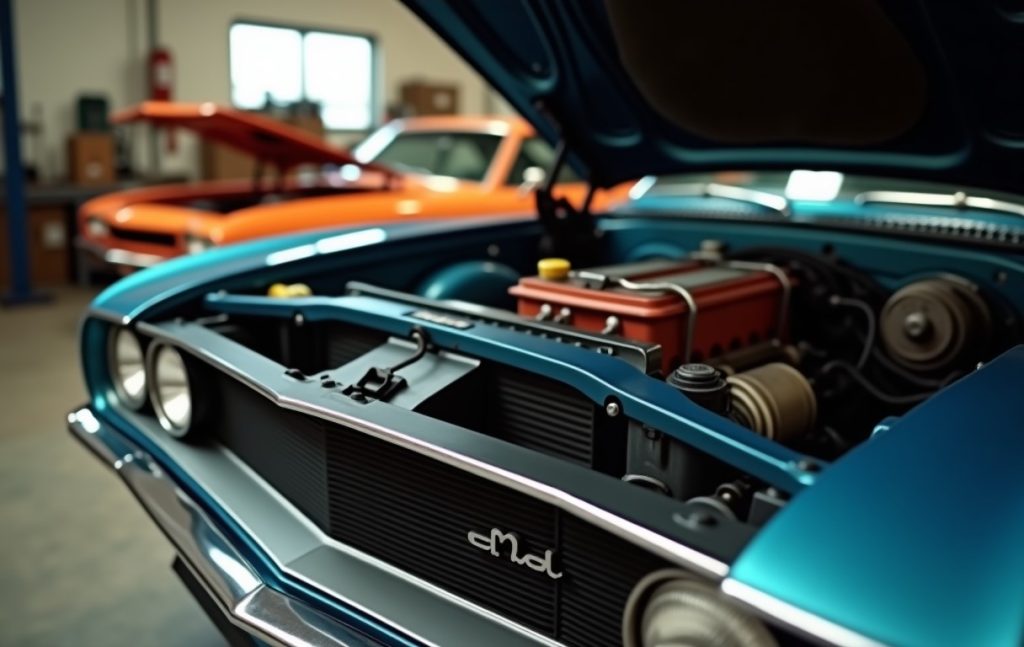
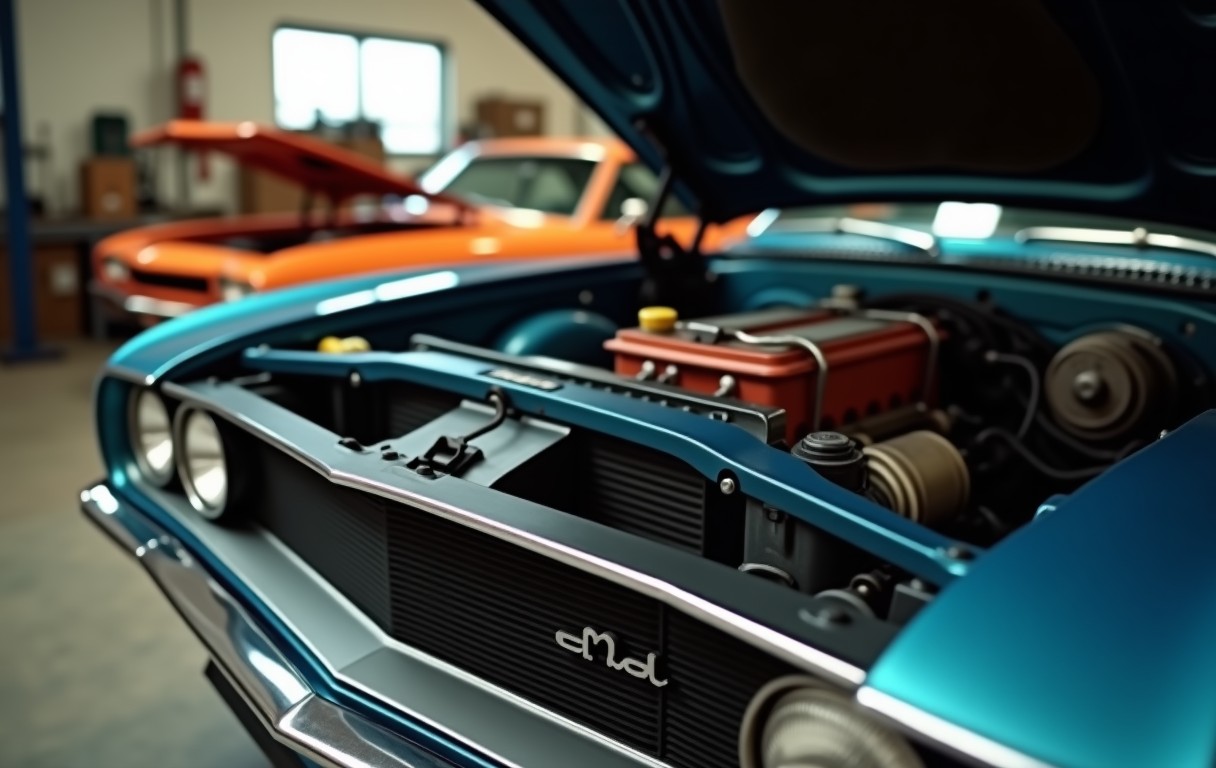
The Plymouth GTX, produced from 1967 to 1971, stands as a classic emblem of American muscle cars, merging raw power with distinctive style. Among its many features, the electrical system is a crucial component that ensures optimal performance and functionality. Understanding this system is vital for enthusiasts and restorers alike, as it plays a significant role in the overall driving experience. This article explores the various elements of the Plymouth GTX’s electrical system, including its battery, alternator, starter motor, lighting, and more.
The Heart of the Electrical System: The Battery
The battery in the Plymouth GTX is the cornerstone of its electrical system. Typically, the GTX features a 12-volt lead-acid battery, which provides the necessary power to start the engine and run various electrical components. A robust battery is essential for the muscle car, especially considering the high demands of its powerful engine and performance features. Regular maintenance, such as checking the water levels and ensuring clean terminals, can significantly enhance the battery’s lifespan and efficiency.
When selecting a replacement battery, it’s crucial to choose one that meets the specifications outlined in the owner’s manual. The original equipment manufacturer (OEM) specifications are designed to ensure compatibility with the vehicle’s electrical demands. Opting for a high-quality battery with a good cold cranking amp (CCA) rating can provide better starting performance, especially in colder climates.
Alternator: The Power Source
The alternator serves as the power source for the GTX’s electrical system while the engine is running. It converts mechanical energy from the engine into electrical energy, recharging the battery and supplying power to components like the ignition system, lights, and radio. The original GTX models typically came equipped with a 60-amp alternator, which was sufficient for the electrical loads of its time.
Upgrading to a higher-output alternator can be beneficial, particularly for those who have added modern electrical accessories or upgraded audio systems. Ensuring that the alternator is functioning properly is vital; a malfunctioning alternator can lead to battery drain and electrical failures. Regular checks of the alternator’s belt tension and condition can help prevent unexpected breakdowns.
Starter Motor: Ignition Made Easy
The starter motor’s role in the Plymouth GTX is to crank the engine, initiating the combustion process. This component is activated when you turn the ignition key, drawing power from the battery. The starter motor in the GTX is designed to handle the high compression of the powerful V8 engines that these cars are known for.
If the starter motor begins to show signs of wear, such as grinding noises or slow cranking, it’s imperative to address the issue promptly. A failing starter can lead to frustrating situations, such as being unable to start the car. Replacing the starter motor with a high-quality aftermarket or OEM part can restore reliable ignition, ensuring that the GTX remains a joy to drive.
Lighting System: Visibility and Safety
The lighting system of the Plymouth GTX encompasses various components, including headlights, taillights, turn signals, and interior lights. The original models featured sealed beam headlights, which provide adequate illumination but can be upgraded to halogen or LED options for improved visibility. Ensuring that all lights are functioning correctly is essential not only for safety but also for compliance with legal standards.
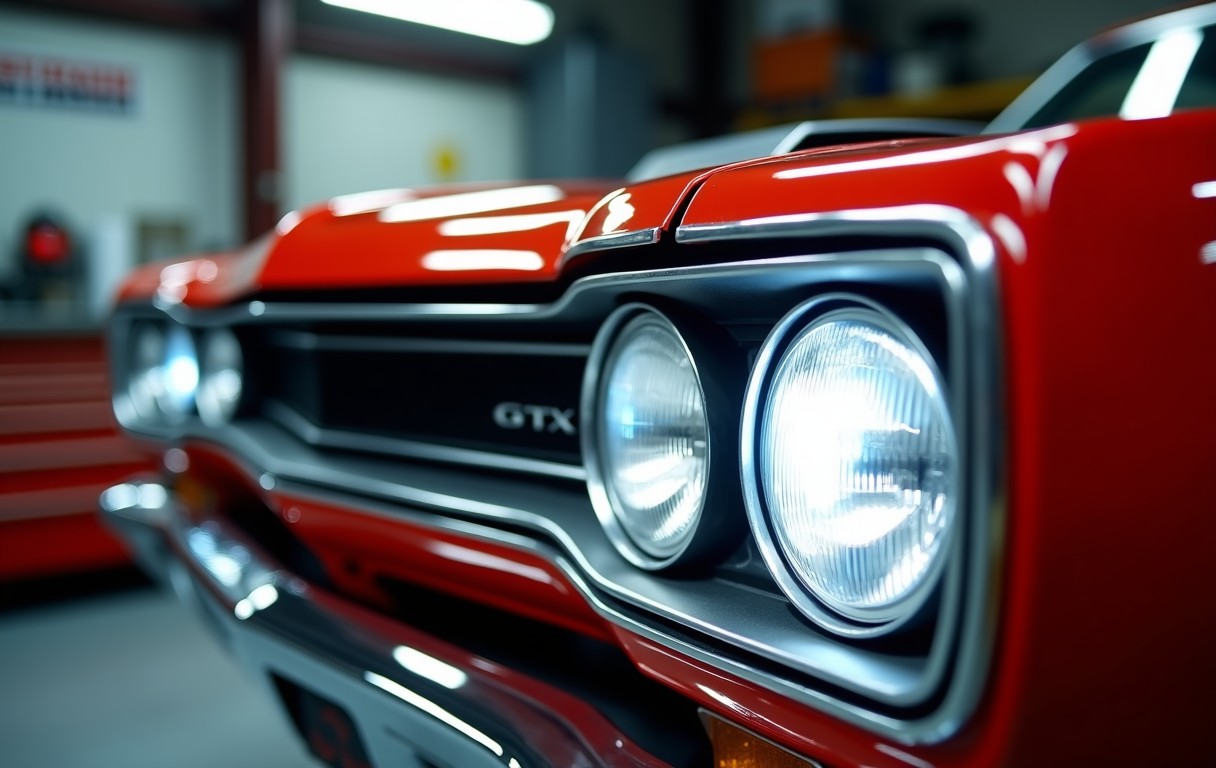
Regularly inspecting the lighting system for burnt-out bulbs or damaged wiring is a good practice for any GTX owner. Upgrading to LED lighting can enhance visibility and reduce the load on the electrical system, which is especially beneficial for those who enjoy nighttime driving or cruising.
Wiring Harness: The Nervous System
The wiring harness of the GTX acts as the nervous system of the vehicle, connecting all electrical components and ensuring they function harmoniously. Over time, wiring can become brittle, frayed, or corroded, leading to electrical failures or shorts. Restoration enthusiasts often find that replacing the old wiring harness with a new, high-quality harness can resolve many electrical issues and improve reliability.
When considering a wiring harness replacement, it’s essential to choose one that matches the original specifications to maintain authenticity. Some modern harnesses even come equipped with updated connectors and features that can accommodate aftermarket components, providing flexibility for modifications.
Fuses and Circuit Protection: Safety First
Fuses are critical in protecting the electrical system from overloads and short circuits. The GTX is equipped with a fuse box that houses various fuses for different electrical circuits. Regularly checking these fuses ensures that any blown fuses are promptly replaced, preventing potential damage to sensitive components.
Upgrading to modern fuses or circuit breakers can enhance safety and reliability. Some enthusiasts opt for blade-style fuses, which are easier to replace and check than traditional glass fuses. Keeping a spare set of fuses on hand can save time and frustration during a roadside emergency.
Upgrades and Modifications: Enhancing the Electrical System
For many Plymouth GTX enthusiasts, modifying the electrical system is a way to enhance performance and functionality. Upgrades can include installing a higher-output alternator, modernizing the lighting system with LEDs, or even integrating a sound system that meets current audio standards. Each modification can significantly improve the driving experience, but it’s essential to ensure that all components are compatible and properly installed to avoid electrical issues.
Moreover, with the rise of electric vehicle technology, some GTX owners are exploring electric conversions. While this is a more significant undertaking, it offers the potential for increased efficiency and lower emissions. However, such conversions require a deep understanding of electrical systems and should only be attempted by those with the necessary expertise.
Maintaining the Electrical System: Best Practices
To keep the electrical system of the Plymouth GTX in top condition, regular maintenance is key. This includes routine checks of the battery, alternator, starter motor, and wiring. Cleaning battery terminals, inspecting fuses, and ensuring that all connections are tight can prevent many common electrical problems.
Additionally, documenting any modifications or repairs can help future owners understand the vehicle’s history and maintain its electrical integrity. For those who are not comfortable with electrical work, consulting with a professional mechanic or an automotive electrician can save time and ensure that the system is functioning correctly.

Ever since I bought my first used pickup truck, I’ve been obsessed with finding the perfect blend of off-road capability and weekend comfort. I spend my free time exploring state parks and tinkering with restoration projects in my garage. My writing focuses on how vehicles can enhance your lifestyle and outdoor adventures.