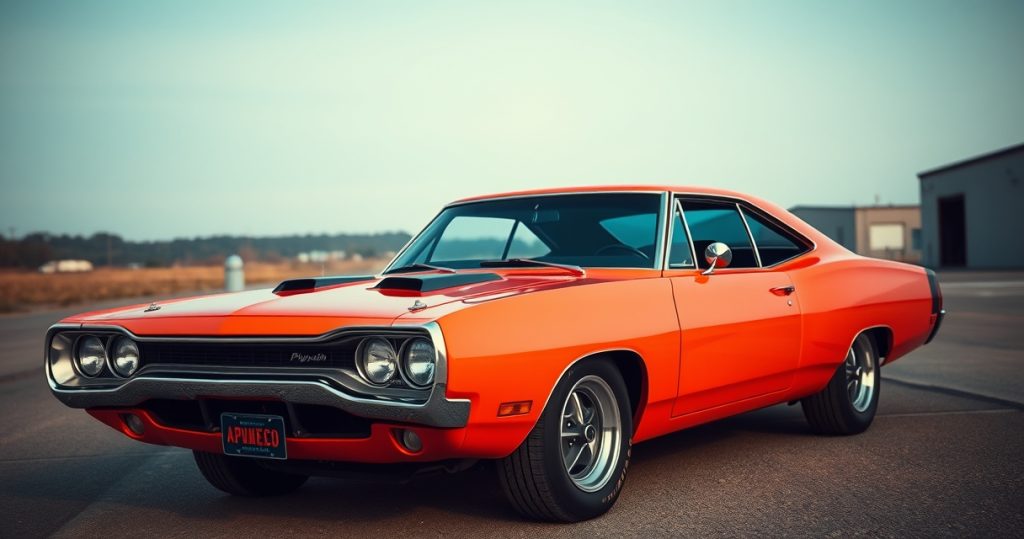

The Plymouth GTX stands as a legendary icon in the muscle car world, a symbol of raw power and unapologetic performance that defined an era. For enthusiasts and hobbyists who restore, drive, or simply admire these classic machines, understanding the common issues that plague the GTX is essential—not just for maintenance, but for preserving the joy of ownership. Whether you’re a weekend cruiser, a restoration buff, or a collector, knowing what to watch for can save you time, money, and frustration. Below, we dive into the most frequent problems that GTX owners encounter, offering practical insights to keep your ride running strong and your hobby thriving.
Engine Troubles: The Heart of the Beast
The Plymouth GTX’s engine, particularly the famed 440 Magnum or the 426 Hemi, is the soul of its performance. However, decades of use (or disuse) can lead to a host of issues. One of the most common problems is oil leaks, often stemming from dried-out gaskets or worn valve cover seals. These leaks aren’t just messy—they can lead to low oil levels, which risk catastrophic engine damage if left unchecked. Enthusiasts restoring a GTX should inspect the oil pan gasket, timing cover, and rear main seal, as these are frequent culprits.
Another critical area is the fuel system. Carbureted GTX models, especially those from the late 1960s and early 1970s, often suffer from fuel delivery issues. Old fuel lines, clogged fuel filters, or a malfunctioning fuel pump can cause rough idling, stalling, or poor acceleration. For hobbyists, upgrading to a modern electric fuel pump or replacing brittle rubber lines with braided stainless steel can prevent these headaches. Additionally, the original Carter or Holley carburetors may require rebuilding or tuning to ensure optimal performance, a task that’s both rewarding and essential for any GTX owner.
Transmission Woes: Shifting Gears with Care
The GTX’s transmission, whether it’s the heavy-duty TorqueFlite automatic or the robust four-speed manual, is built to handle serious power. Yet, time and neglect can take their toll. Automatic transmissions often develop delayed or harsh shifts due to worn valve bodies or degraded transmission fluid. For hobbyists, regular fluid changes—using the correct type of ATF—can extend the life of the transmission significantly. If your GTX exhibits slipping gears or erratic shifting, a professional rebuild may be necessary, but many enthusiasts tackle this as a DIY project with the right tools and patience.
Manual transmissions, while generally more durable, aren’t immune to issues. Synchro wear is a common problem, especially in high-mileage GTXs, leading to grinding gears or difficulty engaging first or second gear. Replacing worn synchros or upgrading to a modern clutch kit can restore smooth shifting. Additionally, the clutch linkage or hydraulic system (in later models) may require adjustment or replacement to prevent slippage or stiff pedal feel. For those who enjoy wrenching, addressing these issues can be a deeply satisfying part of GTX ownership.
Electrical Gremlins: Tackling Wiring Nightmares
Few things frustrate a muscle car enthusiast more than electrical problems, and the Plymouth GTX is no exception. The original wiring harnesses, often decades old, can become brittle, corroded, or frayed, leading to intermittent issues like flickering lights, dead gauges, or even no-start conditions. For hobbyists, tracing electrical faults can feel like solving a puzzle, but it’s a critical skill for keeping your GTX on the road.

Common culprits include the voltage regulator, which can fail and cause overcharging or undercharging of the battery, and the ignition system, where worn points, a faulty distributor cap, or a failing coil can lead to misfires. Many GTX owners opt to upgrade to an electronic ignition system, such as a PerTronix or MSD setup, to improve reliability and performance. Additionally, replacing the original fusebox with a modern blade-style unit can prevent shorts and simplify troubleshooting. For those restoring a GTX, a full wiring harness replacement might be the best long-term solution, though it’s a labor-intensive project.
Suspension and Steering: Keeping the Ride Smooth
The Plymouth GTX’s suspension and steering systems were designed for straight-line speed, not modern handling standards. Over time, components like ball joints, tie rods, and bushings wear out, leading to sloppy steering, uneven tire wear, or a rough ride. For hobbyists who enjoy driving their GTX, addressing these issues is key to both safety and enjoyment.
One of the most common problems is sagging rear springs, which can cause the car to sit unevenly and affect handling. Replacing the original leaf springs with new or upgraded units can restore proper ride height and improve stability. Up front, worn control arm bushings or a loose steering box can make the car feel vague or unresponsive. Many GTX owners upgrade to polyurethane bushings for better durability and a more precise feel. Additionally, power steering systems, if equipped, may develop leaks in the hoses or rack, requiring replacement to maintain smooth operation.
Rust: The Silent Killer of Classic Cars
Rust is the arch-nemesis of any classic car, and the Plymouth GTX is particularly vulnerable due to its age and the materials used in its construction. Common rust spots include the floor pans, rocker panels, trunk floor, and wheel wells. For hobbyists restoring a GTX, addressing rust early is crucial—left unchecked, it can spread and compromise the car’s structural integrity.
Surface rust can often be sanded, treated with a rust converter, and repainted, but more severe cases may require cutting out the affected metal and welding in new panels. Many GTX owners source reproduction or NOS (New Old Stock) parts to maintain authenticity, though some opt for modern patch panels for added durability. Preventing rust is equally important: storing the car in a dry, climate-controlled environment and using rust-inhibiting sprays on vulnerable areas can save countless hours of restoration work down the line.
Brake System Challenges: Stopping Power Matters
The Plymouth GTX’s braking system, while adequate for its time, can feel inadequate by modern standards. Drum brakes, common on early GTX models, are prone to fade under hard use, and the original brake lines can become brittle or corroded over time. For hobbyists who enjoy spirited driving, upgrading the brakes is a must for both safety and performance.
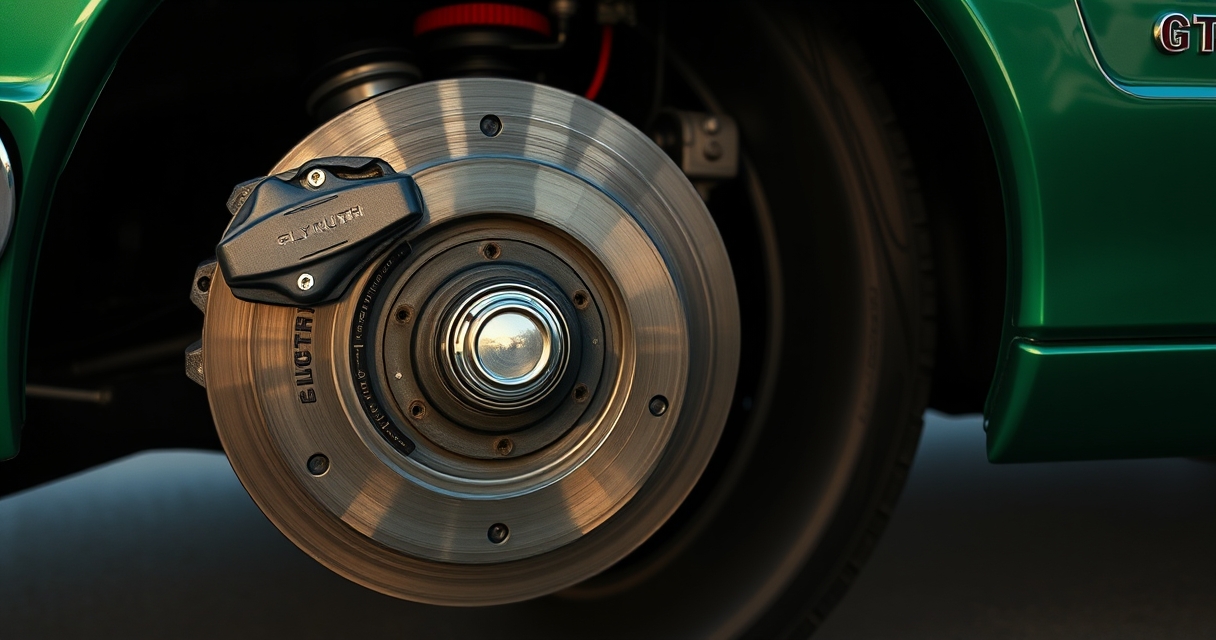
Many GTX owners convert to front disc brakes, which offer better stopping power and reduced fade. This often involves swapping the front spindles, calipers, and rotors, along with upgrading the master cylinder and brake lines. Even if you stick with drum brakes, replacing the wheel cylinders, shoes, and hardware can restore proper function. Additionally, upgrading to a dual-reservoir master cylinder provides added safety in case of a leak. For those who prefer to keep their GTX as original as possible, a thorough rebuild of the original brake system is still a worthwhile project.
Interior and Comfort: Preserving the Classic Feel
The interior of a Plymouth GTX is where the driver connects with the car’s heritage, but decades of use can take a toll. Common issues include cracked or sagging vinyl seats, worn carpeting, and malfunctioning gauges. For hobbyists, restoring the interior is often one of the most rewarding parts of GTX ownership, as it directly impacts the driving experience.
Reupholstering the seats with period-correct materials or modern upgrades (like bolstered support) can make long drives more comfortable. Replacing the original carpet with new cut-and-sewn kits restores the interior’s fresh look, while addressing issues like a sticky speedometer or a faulty fuel gauge ensures the car remains both functional and enjoyable. Many GTX owners also upgrade the sound system, adding modern conveniences like Bluetooth or USB connectivity while keeping the classic aesthetic intact. For those who appreciate the original vibe, sourcing NOS parts or high-quality reproductions can bring the interior back to its former glory.

Ever since I bought my first used pickup truck, I’ve been obsessed with finding the perfect blend of off-road capability and weekend comfort. I spend my free time exploring state parks and tinkering with restoration projects in my garage. My writing focuses on how vehicles can enhance your lifestyle and outdoor adventures.