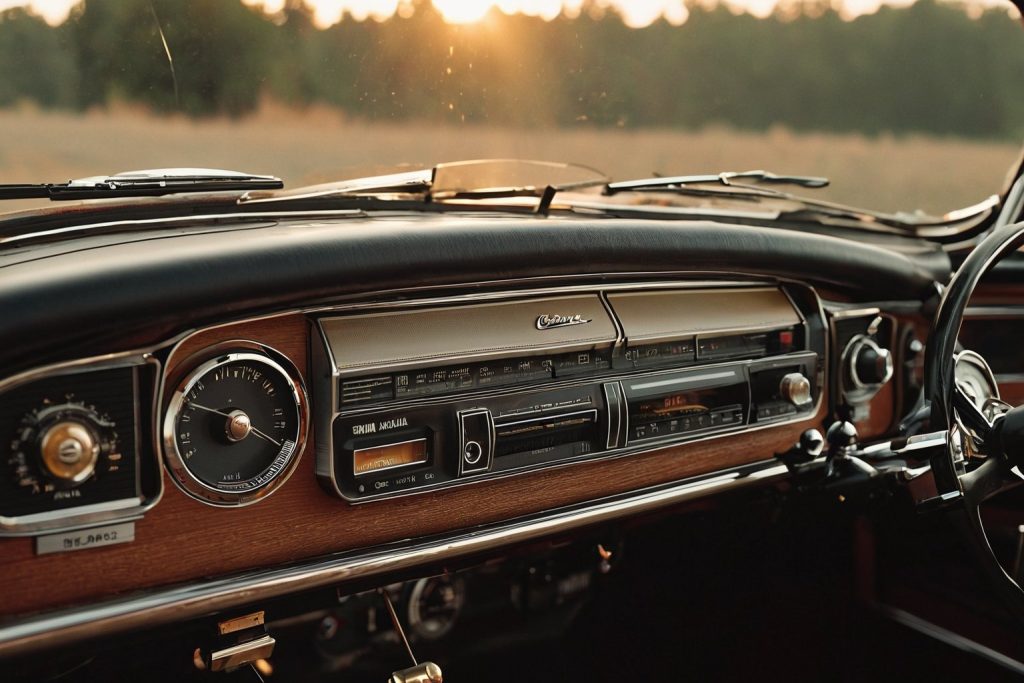
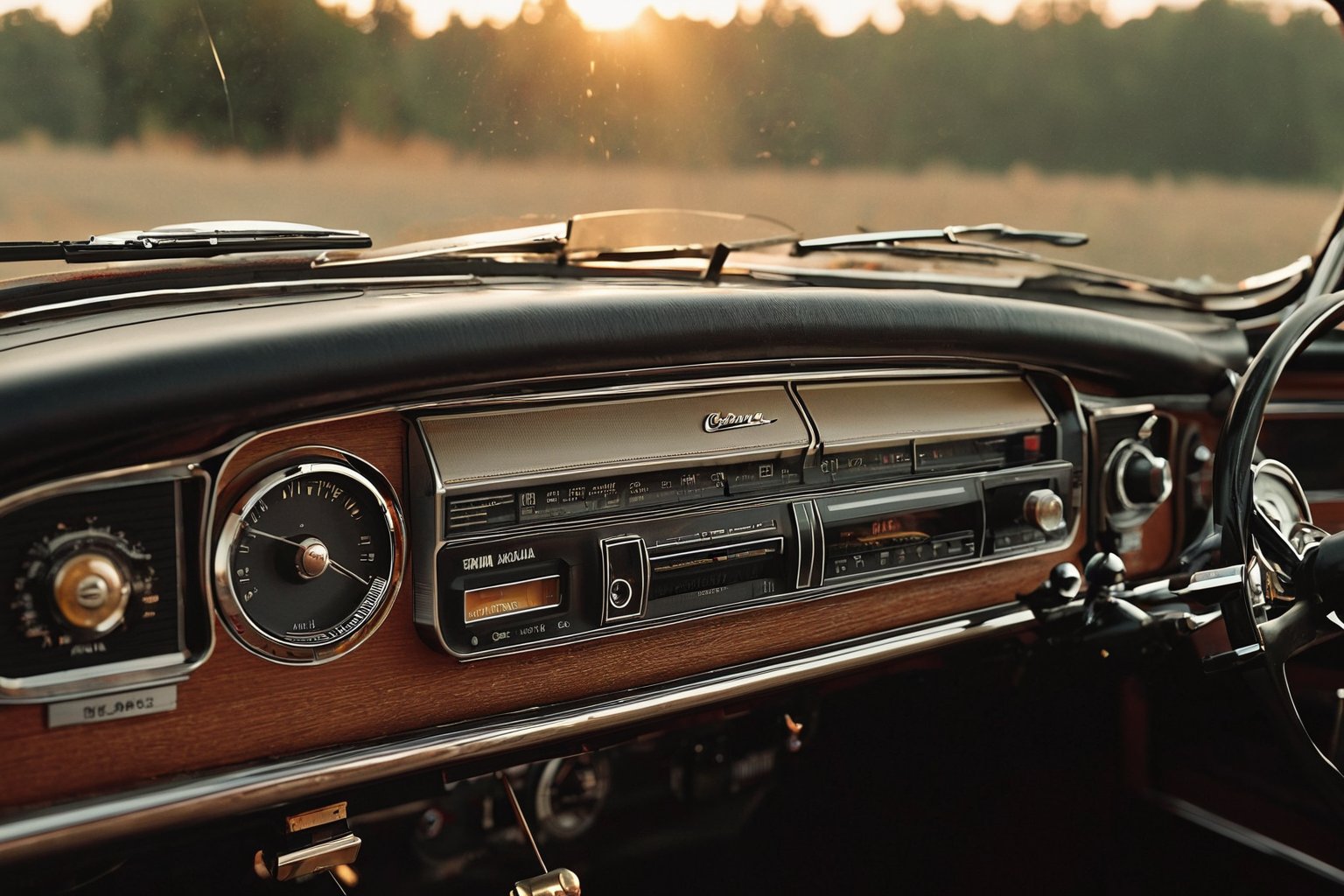
The open road hums with possibility, but silence can quickly kill the vibe. A well-curated playlist transforms a monotonous stretch of asphalt into a moving concert, especially when you’re navigating through the rolling hills of the Blue Ridge Parkway or cruising down Route 66. I always start with the classics: a mix of Fleetwood Mac and Tom Petty to set a nostalgic, easy-going tone. Then, I pivot to something high-energy, maybe some early 2000s rock or funk, to power through those tedious highway miles. For the late-night drives through deserts or mountains, I switch to atmospheric indie or lo-fi beats that match the passing landscape. Trust me, swapping tracks at the right moment keeps the driver alert and the passengers engaged, turning a simple commute into an adventure.
Historical Evolution of Road Trip Music From Vinyl to Streaming
The golden age of the vinyl record in the 1960s and 1970s fundamentally shaped how drivers engaged with music during long journeys. Car stereos of that era were often basic, relying on physical tapes or records that required careful handling and frequent flipping to avoid skipping on rough pavement. This tactile limitation forced passengers to curate shorter, more intentional playlists, turning the act of selecting a record into a communal ritual that bonded the group. The physicality of the medium meant that every song had weight, and the journey itself became intertwined with the mechanical act of preserving and playing these fragile discs in the back seat.
The introduction of the compact cassette in the late 1970s democratized music consumption by allowing users to create custom mixtapes tailored specifically to the length and mood of their trip. This shift enabled a more personal and continuous listening experience, as drivers could sequence songs to match the changing scenery without the interruption of swapping physical media. By the 1990s, the rise of the CD further refined this process, offering higher audio fidelity and the ability to store dozens of tracks on a single disc. This period marked a significant transition where music became more abundant, leading to the creation of elaborate, multi-disc road trip compilations that could span entire continents without a single reload.
The digital revolution of the early 2000s with MP3 players and later smartphones removed physical constraints entirely, granting listeners access to millions of songs and algorithmic recommendations. This unprecedented access changed the psychology of the road trip, shifting focus from curated physical artifacts to instant, on-demand discovery that could adapt to the driver’s immediate energy levels. Streaming services have further blurred the lines between personal taste and curated content, offering live traffic updates and dynamic playlists that evolve with the journey. Today, the challenge is no longer finding enough music but rather managing the overwhelming volume of options available at a tap, which can sometimes detract from the shared, analog intimacy of earlier eras.
Genre Mixing Strategies for Extended Highway Monotony
The secret to surviving endless miles of asphalt is treating your playlist like a living organism rather than a static tracklist. Instead of sticking to one genre, start with a foundation of classic rock or folk that feels familiar, then deliberately insert a track from a completely different musical world every three or four songs. A driving blues ballad followed by an upbeat synth-pop anthem can jolt the brain just enough to reset attention spans, making the next hour feel fresher. Consider timing these shifts with real-world landmarks, perhaps a folk tune as you pass through a small town, then switch to electronic beats as you merge onto the interstate. This method transforms the journey from background noise into an active experience, where each genre switch becomes a minor event worth anticipating. The goal isn’t random shuffling but intentional contrast that keeps the ears engaged without demanding constant cognitive effort.
Another effective tactic involves layering subgenres within a single drive to match shifting moods and landscapes. If traversing mountainous terrain, intersperse acoustic singer-songwriter pieces with high-energy country-rock tracks that mirror the elevation changes and winding roads. When crossing flat, featureless plains, pivot to ambient electronic soundscapes or instrumental jazz to provide a sense of spaciousness that mirrors the horizon. A practical example might be starting with heartland rock, moving into swampy blues for a stretch, then concluding with surf rock as you near the coast. These micro-transitions create a narrative arc within the trip itself, giving passengers something to discuss and anticipate. The key is matching the music’s energy and texture to the physical environment outside the window, turning monotony into a curated adventure.
Driver Fatigue Mitigation Through Rhythmic Audio Curation
The human brain thrives on predictable patterns, and this biological predisposition makes rhythmic audio a potent tool against highway hypnosis. When a monotonous hum replaces structured beats, attention lapses lengthen dramatically, increasing the risk of micro-sleeps that last several seconds, far too long at highway speeds. A well-curated playlist leverages this need for cadence, using tracks with steady BPMs to keep the inner ear engaged without demanding active lyrical processing. For instance, alternating between upbeat tracks around 120 beats per minute and slightly slower, melodic interludes creates a “rhythmic heartbeat” that signals alertness to the nervous system. This approach is far more effective than random shuffling, which can introduce jarring tempo shifts that actually fragment focus rather than sustain it. The key lies in selecting songs whose energy ebbs and flows in a controlled manner, mirroring the rhythmic undulations of a focused mind rather than fighting against them.
Pascal Basel: How to Make Travel Videos for Beginners
Experts in transportation safety often emphasize that auditory stimulation must be intentional, not merely background noise. A playlist designed for fatigue mitigation should avoid the pitfalls of overly aggressive genres that spike cortisol levels, or overly soft ambient tracks that lull the senses into complacency. Instead, the ideal curation incorporates a dynamic range, perhaps starting with driving anthems that encourage alertness through familiar, sing-along choruses, then transitioning into instrumentals that maintain a steady pulse without the cognitive load of deciphering lyrics. Consider the difference between a high-energy rock track that demands head-bobbing engagement and a smooth jazz piece whose consistent drum brush pattern provides a subtle, non-intrusive rhythm. By treating the audio stream as a co-pilot rather than mere entertainment, drivers can harness the psychological comfort of rhythm to maintain a safer, more vigilant state behind the wheel for those long, monotonous miles.
Vehicle Acoustic Optimization for Playlist Immersion
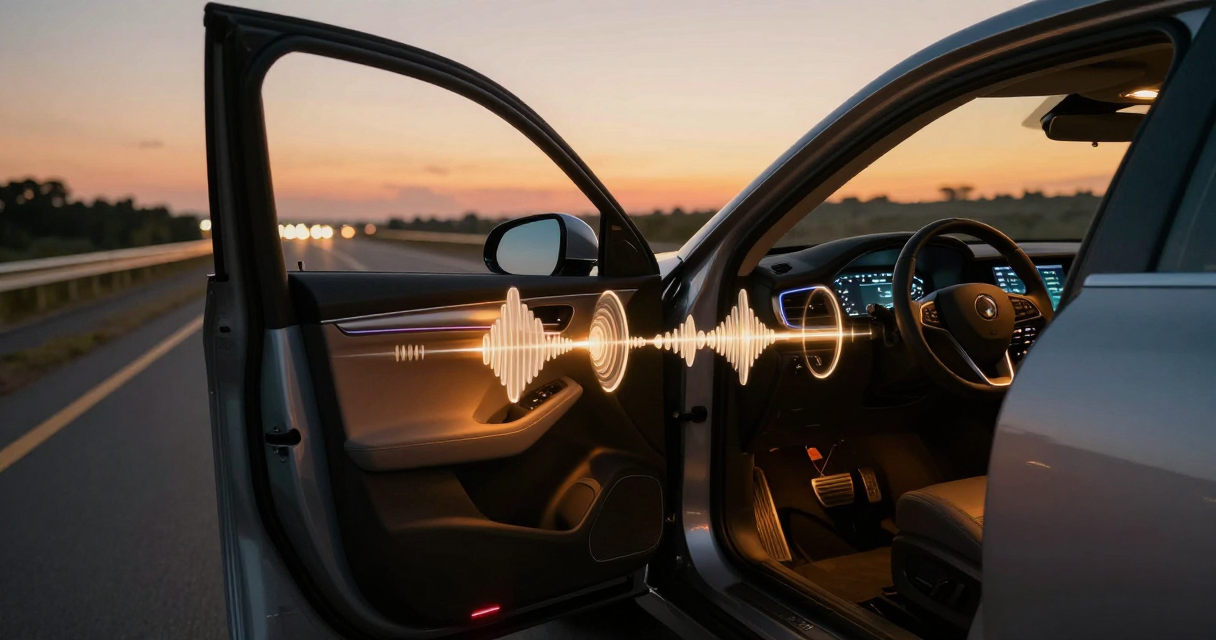
The interior architecture of a vehicle functions as a concert hall in miniature, where every curve and surface dictates how sound waves propagate and interact with the listener. Road noise from tires against asphalt, the low-frequency drone of the engine, and wind resistance at highway speeds create a constant acoustic mask that can flatten the dynamic range of even the most carefully curated playlist. A system tuned flat across the dashboard may sound sterile and lifeless when the cabin is filled with passengers and their belongings, absorbing high frequencies and muffling the crispness of vocals. To counteract this, many enthusiasts turn to targeted acoustic treatment, such as applying sound-deadening mats to the floor and doors to reduce road rumble by several decibels, allowing the midrange frequencies of a folk ballad or the shimmer of cymbals in a rock track to cut through the ambient chaos with clarity. Furthermore, strategic placement of speaker placement and the use of digital signal processing can compensate for the natural bass boost that occurs when sound reflects off hard interior surfaces, ensuring that the low-end thump of a driving beat doesn’t become muddy or overwhelming. The goal is not merely to amplify volume, but to sculpt the frequency response so that every instrument and vocal sits in its intended space, transforming the commute from a background activity into a fully immersive auditory journey where the music feels as expansive as the landscape passing outside the window.
Achieving true playlist immersion also requires an awareness of how the listening environment shifts throughout a long drive, particularly as speed and road conditions change. At lower speeds in city traffic, the acoustic signature is dominated by stop-and-go rhythms and higher-pitched engine notes, making crisp, articulate tracks with strong percussion ideal for maintaining alertness and engagement. However, once the highway opens up and speeds reach seventy miles per hour or more, the dominant low-frequency rumble from the tires and wind can mask the subtle details in a mix, necessitating a shift toward tracks with more prominent bass lines or those recorded with a wider dynamic range to maintain presence. Many modern infotainment systems now offer basic equalizer presets tailored for “voice,” “rock,” or “podcast,” but these factory settings often lack the nuance to adapt to the specific acoustics of a given vehicle model. A seasoned driver might experiment with manually adjusting the treble and bass sliders to find a “sweet spot” that balances the natural characteristics of their car’s interior, perhaps boosting the highs slightly to counteract the muffling effect of plush seat upholstery. Ultimately, the most rewarding road trips are those where the audio system is treated not as a static piece of equipment, but as a dynamic partner that evolves with the road, ensuring that whether cruising through desert vistas or navigating mountain passes, the soundtrack remains a vivid, integral part of the experience rather than an afterthought lost in the noise of the journey.
Cultural Cross-Pollination in Roadside Destination Soundscapes
Regional radio stations often serve as unexpected archives of local identity, their playlists shifting subtly as mileage accumulates and state lines blur. In the Appalachians, for instance, a sudden transition from classic rock to old-time fiddle tunes can signal entry into a hollow where storytelling traditions predate written history; the banjo’s rhythmic pluck becomes a sonic map, marking territory as distinctly as any road sign. Conversely, coastal drives along the Pacific Northwest frequently layer grunge-era grunge atop indigenous drum circles played at rest stops, creating a collision of counterculture heritage and ancestral rhythm that feels less like juxtaposition and more like a living dialogue between generations of travelers and land stewards. These auditory shifts are not merely background noise; they are deliberate or unconscious reflections of the cultural ecosystems traversed, offering the attentive driver a sonic passport stamped by every town’s jukebox history.

Destination-specific venues further amplify this cross-pollination, turning roadside attractions into impromptu concert halls where genre boundaries dissolve over shared curiosity. A vintage diner in New Mexico might feature a mariachi band one evening and a synth-driven indie rock cover band the next, the overlapping soundscape mirroring the state’s mestizo roots and its burgeoning tech-art scene. Similarly, historic motels along Route 66 often house jukeboxes curated with equal parts doo-wop, surf rock, and early country, inviting strangers to nod along to songs they’ve never heard but instantly recognize the feeling of. These moments of sonic serendipity transform a monotonous stretch of highway into a curated exhibition of America’s musical plurality, proving that the road itself is a conduit for cultural exchange, where every mile markers a new tradition waiting to be discovered through speakers.
Balancing Nostalgia vs. Discovery in Multi-Generational Trips
The tension between shared history and fresh exploration defines the rhythm of any trip that includes grandparents, parents, and children. A playlist that leans too heavily on the hits of a single era risks alienating those who lived through them or those who have never heard them, while a purely contemporary selection can feel alienating to older travelers who associate certain roads and milestones with the music of their youth. The solution lies in a deliberate layering strategy where familiar anchors coexist with unexpected gems, creating a soundscape that honors the past without becoming a museum piece. For instance, opening the journey with a well-known classic from the 1970s can instantly signal to the senior travelers that their experiences are valued, but immediately pivoting to a lesser-known track from the same decade introduces the younger generation to sounds they might never encounter on their own streaming algorithms. This approach transforms the drive from a mere transit into a shared narrative, where each song becomes a prompt for storytelling rather than just background noise.
The practical execution of this balance requires attention to the specific generational spans present in the vehicle, as musical preferences often shift dramatically every twenty years. A grandparent might light up at the first chords of a big band standard, while a teenager in the back seat might be checking their phone for the artist, creating a moment of genuine connection if the track is framed as a “find” rather than a chore. Incorporating deep cuts from artists both sides respect, such as a folk singer known for protest songs that resonated across decades, can serve as a bridge that feels organic rather than forced. Furthermore, rotating the aux control every few hours empowers each passenger, ensuring that the discovery process is a two-way street; the teenager might introduce a vibrant indie track that surprises the adults, while the parent might cue a road-trip anthem from their own youth that the children have only heard in commercials. These micro-exchanges build a repository of shared references that outlast the trip itself, turning a simple playlist into a living archive of the family’s evolving tastes.
Ultimately, the goal is to curate a soundtrack that functions as a connective tissue rather than a mere entertainment list, acknowledging that nostalgia is not about replaying the past exactly as it was, but about using it as a launchpad for new memories. When the car stops for a roadside attraction or a meal, the songs playing often become the soundtrack to those specific moments, linking the physical landscape with the emotional one. A well-constructed mix might feature a smooth transition from a 1960s surf rock track to a modern indie-pop song with similar chord progressions, subtly guiding the listener’s ear and mind across generational lines. The most successful road trip playlists are those that prompt the question, “Do you remember this?” followed by “I had no idea this existed,” fostering a sense of mutual curiosity. By weaving together the known and the unknown, the journey becomes a shared adventure where every mile marker is accompanied by a story, a laugh, or a new favorite song that neither generation would have chosen alone.

Ever since I bought my first used pickup truck, I’ve been obsessed with finding the perfect blend of off-road capability and weekend comfort. I spend my free time exploring state parks and tinkering with restoration projects in my garage. My writing focuses on how vehicles can enhance your lifestyle and outdoor adventures.