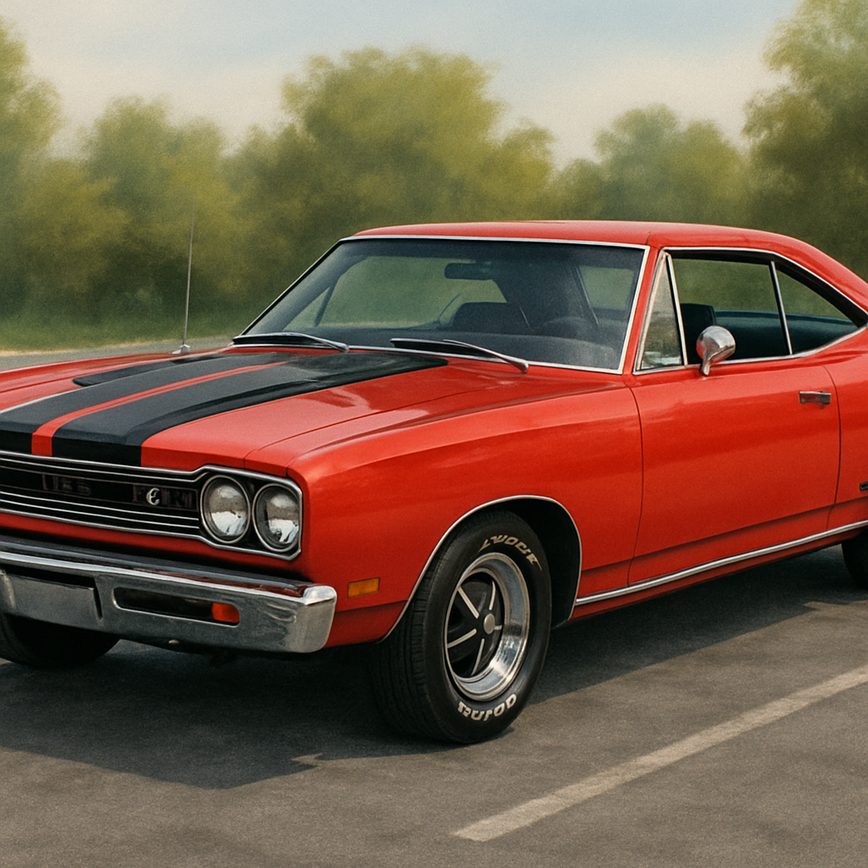
Muscle car modifications are at the heart of these customization trends. Enthusiasts often upgrade the engine to a more powerful, high-performance model, install modern suspension systems for improved handling, and enhance the braking system for better safety. Interiors are commonly refurbished with custom upholstery and updated technology, combining comfort with classic design. Exterior modifications may include custom paint jobs, new wheels, and body kits that accentuate the aggressive stance of the Plymouth GTX.
Popular restoration and customization approaches also emphasize balancing originality with personalization. While some purists favor a showroom-quality restoration with stock parts, others experiment with restomods—restoring the car while integrating contemporary features such as fuel injection, advanced cooling systems, and modern exhausts. This blend of old and new keeps the Plymouth GTX relevant in today’s automotive culture and allows owners to showcase their unique style while honoring the muscle car’s iconic heritage.
Representation in media and pop culture
The Plymouth GTX holds a distinct place in the realm of muscle cars in media, often symbolizing raw power and classic American automotive design. Its appearances in movies and television shows have cemented its status as an icon within car pop culture. The GTX’s bold styling and aggressive presence make it a favorite choice for filmmakers looking to evoke the muscle car era’s rebellious spirit or to showcase vintage automotive excellence.
In Plymouth GTX movies, the car frequently embodies themes of speed, freedom, and nostalgia. Whether it’s tearing up the streets in chase scenes or standing parked as a centerpiece of automotive passion, the GTX represents more than just a vehicle—it is a cultural artifact that connects audiences to the golden age of muscle cars. Its recurring role in media helps preserve the legacy and allure of classic American muscle.
Beyond the screen, the Plymouth GTX is a staple in car pop culture, influencing car shows, model collectibles, and enthusiast communities. Its media representation continues to inspire admiration and keeps the spirit of muscle cars alive for new generations. The GTX’s prominence across various media formats reinforces its image as a symbol of power and style in automotive history.
Introduction to the Plymouth GTX
The Plymouth GTX holds a revered place in muscle car history, celebrated for its blend of power, style, and performance that earned it a distinctive identity in automotive culture. Introduced in 1967 by the Plymouth division of Chrysler, the GTX was marketed as a “gentleman’s muscle car,” combining the brute force of a high-performance engine with a more refined and comfortable ride compared to other muscle cars of the era. This strategic positioning allowed it to stand out in a crowded market, appealing both to muscle car enthusiasts and those seeking everyday drivability.
The origins of the Plymouth GTX trace back to the Plymouth Belvedere, from which it was derived as a premium performance model. At its core, the GTX featured a potent V8 engine, originally the 383 cubic inch, and later the legendary 440 cubic inch “Super Commando” V8, making it a powerhouse on the street and the drag strip alike. The signature styling included distinctive grille work, bold badging, and sleek lines that gave the GTX an aggressive yet polished appearance, setting it apart visually from its peers.
In the broader scope of muscle car history, the Plymouth GTX symbolizes an important chapter, representing the muscle car industry’s golden era during the late 1960s and early 1970s. Its combination of performance and luxury features helped to elevate muscle cars from mere raw power machines to more versatile vehicles capable of daily use. This shift played a significant role in expanding the muscle car’s audience and deepening its roots in automotive culture. Collectors and enthusiasts today continue to honor the Plymouth GTX for its contribution to muscle car legacy and its unique stance in American automotive heritage.
Ultimately, the Plymouth GTX’s significance in automotive culture extends beyond its technical specifications and market placement. It embodies the spirit of innovation and boldness that defined muscle car history. Whether on the street, the track, or in a collector’s garage, the Plymouth GTX remains an iconic symbol of an era when automotive culture celebrated power, style, and the freedom of the open road in equal measure.
History and evolution of the Plymouth GTX
The Plymouth GTX holds a significant place in the pantheon of classic muscle cars, celebrated for its bold design and powerful performance. Introduced in 1967 as a high-performance variant of the Plymouth Belvedere, the GTX was designed to blend luxury and muscle car attributes, earning it the nickname “the gentleman’s muscle car.” Its early models featured a powerful 440 cubic inch V8 engine, setting a high standard in the Plymouth GTX history for muscle car enthusiasts.
Throughout the late 1960s and early 1970s, the Plymouth GTX underwent several key changes that mirrored the evolving automotive culture. In 1968, updates included a more aggressive exterior with distinctive grille designs and dual hood scoops, enhancing its muscle car appeal. The car evolution continued with the introduction of the optional 426 HEMI engine in 1968, a game-changer that boosted horsepower and solidified the GTX’s status among performance cars.
By the early 1970s, the Plymouth GTX adapted to stricter emissions regulations and changing market demands. Its design became slightly less aggressive, and engine options were adjusted for better fuel efficiency without losing its muscle car essence. Despite these changes, the Plymouth GTX maintained its identity as a powerful and stylish vehicle, symbolizing the golden era of classic muscle cars. This development timeline highlights how the Plymouth GTX combined raw power with evolving automotive trends, securing its legacy as an iconic muscle car.
Defining features and design elements
The Plymouth GTX stands out in the muscle car world thanks to its bold and aggressive design coupled with performance-oriented features. One of the most iconic Plymouth GTX design elements is its sleek, elongated body lines that emphasize speed and power. Unlike many muscle cars of its era, the GTX combined a refined aesthetic with raw muscular appeal, giving it a unique edge. The signature dual hood scoops not only add to the car’s menacing look but serve a functional purpose by enhancing engine ventilation.
Muscle car features such as a powerful V8 engine, a heavy-duty suspension system, and performance-tuned exhaust set the GTX apart from the competition. The wide stance and bold front grille contribute to the Plymouth GTX’s commanding presence on the road. Inside, the car maintains a driver-focused cockpit with sporty instrumentation and comfortable seating, balancing style and ergonomics. Distinctive badging and trim accentuate the car’s identity, making it easily recognizable among muscle car enthusiasts.
Car aesthetics play a crucial role in the Plymouth GTX’s legacy. Its combination of aggressive styling and subtle detailing creates an unforgettable look that appeals to both collectors and everyday drivers. The Plymouth GTX design successfully marries form and function, ensuring that its classic muscle car features are not only visually striking but also contribute to high performance and an exhilarating driving experience.
Plymouth GTX’s Impact on Car Enthusiasts and Collectors
The Plymouth GTX has long been celebrated as a standout model among collectible muscle cars, captivating car enthusiasts with its distinctive blend of performance, style, and heritage. Introduced during the golden era of American muscle cars, the Plymouth GTX quickly gained a reputation for its powerful engines and sleek design, making it an instant favorite for those who cherished high-performance vehicles. Over the decades, its appeal has only grown stronger, solidifying its status as a prized possession among collectors and auto aficionados alike.
Car enthusiasts have always been drawn to the Plymouth GTX for its rare combination of raw power and aesthetic appeal. Its lineage, rooted in the late 1960s and early 1970s—a time when muscle cars dominated the roads—makes it a symbol of automotive excellence and nostalgia. The GTX’s powerful V8 engines, aggressive stance, and quality craftsmanship reflect an era when American automakers sought to push the limits of speed and style, fueling the passion of muscle car lovers around the world.
Collectible muscle cars like the Plymouth GTX have seen their value and desirability increase steadily as more enthusiasts and collectors recognize the car’s historical significance and engineering prowess. The GTX represents more than just a vehicle; it embodies a piece of automotive culture that resonates deeply with those who appreciate classic cars. Its rarity and well-maintained examples have become the crown jewels in many private collections and classic car shows, drawing eager admirers and driving up market demand.
Additionally, the Plymouth GTX impact is evident in car clubs, automotive events, and restoration projects, where passionate owners and fans preserve its legacy and keep the spirit of muscle car culture alive. The car’s strong following is a testament to its enduring charm and unmatched performance, inspiring new generations of car enthusiasts to celebrate and cherish these collectible muscle cars. As a result, the Plymouth GTX remains not just a vehicle but a cultural icon with a lasting legacy among those who value automotive history and excellence.
Community and club culture around the Plymouth GTX
The Plymouth GTX has inspired a passionate Plymouth GTX community that keeps the spirit of this iconic muscle car alive through dedicated car clubs and vibrant events. These clubs are hubs for enthusiasts who share a common love for the GTX’s powerful performance and classic styling, providing a platform for owners to connect, exchange restoration tips, and showcase their prized vehicles.
Car clubs centered around the Plymouth GTX play a vital role in muscle car culture, organizing meet-ups, cruises, and car shows that celebrate the heritage of the muscle car era. Members often participate in regional and national gatherings where the GTX is highlighted alongside other legendary muscle cars, fostering a sense of camaraderie and shared pride among attendees.
Beyond just cars, these clubs emphasize the culture surrounding Plymouth GTX ownership — from the history and engineering marvels to the lifestyle that embraces classic American muscle. Enthusiasts cherish the opportunity to preserve and promote the legacy of the GTX, ensuring that new generations appreciate its significance in muscle car culture. Events hosted by these communities often include swap meets, technical workshops, and social dinners, making each gathering a celebration of both the car and its devoted followers.
Ultimately, the Plymouth GTX community exemplifies how muscle car culture thrives through passionate ownership and collective appreciation, turning every event into a vibrant expression of automotive history and friendship.
Value and rarity in the classic car market
The classic car valuation of Plymouth GTX models is heavily influenced by their rarity and condition, key factors that determine their desirability and price within the muscle car market. Because Plymouth GTXs were produced in limited numbers, especially special editions and certain engine configurations, their scarcity makes them more coveted among collectors and enthusiasts. The fewer the models available, the higher the demand, thus increasing their auction values significantly.
Condition plays an equally critical role in classic car valuation. A well-preserved Plymouth GTX, with original parts and minimal restoration, can command a premium price compared to models that require extensive repairs or have been heavily modified. Muscle car market buyers often prioritize authenticity and originality, valuing vehicles that maintain their factory specifications and appearance. Restoration quality also matters; expertly restored GTXs that closely adhere to the car’s original look and feel attract higher bids in sales and auctions.
A combination of rarity and pristine condition often results in standout valuations at auctions. Plymouth GTX rarity, coupled with excellent maintenance and documentation, can push the market value beyond typical muscle cars of the era. Conversely, GTX models that are common or poorly maintained typically see lesser interest, which affects their price negatively. Thus, for collectors and investors, understanding these dynamics is essential to making informed decisions in the muscle car market.
The Plymouth GTX in Modern Automotive Culture
The Plymouth GTX remains a significant icon in modern muscle cars culture, celebrated by enthusiasts and collectors alike for its impressive performance and distinctive style. Despite its origins in the late 1960s and early 1970s, the GTX’s influence continues to resonate within today’s automotive scene, symbolizing the golden era of American muscle while inspiring contemporary designs and restoration efforts.
In the current landscape of muscle cars, where innovation meets nostalgia, the Plymouth GTX legacy stands strong. It represents more than just a classic car; it embodies the spirit of power and achievement that muscle car fans admire. Modern muscle cars often draw inspiration from the GTX’s powerful V8 engines and aggressive styling cues, integrating these elements to capture the essence of raw American muscle car performance in a refined, contemporary package.
Moreover, the Plymouth GTX has carved out a unique niche among car restoration communities. Restorers and collectors are increasingly drawn to the GTX as a restoration project because it offers a perfect blend of raw muscle and aesthetic appeal. The availability of original parts and detailed documentation has helped fuel restoration trends, making the GTX a desirable choice for those looking to relive or preserve a piece of muscle car history. This resurgence in GTX restorations keeps its legacy alive and thriving in modern automotive culture.
Restoration projects involving the Plymouth GTX also serve as a bridge between generations of car enthusiasts. Experienced mechanics pass down their knowledge and passion for classic muscle cars to younger hobbyists, ensuring the GTX’s legacy is maintained for years to come. This cultural exchange highlights the vehicle’s ongoing relevance, fueling appreciation for vintage craftsmanship while integrating modern techniques and technology in restoration work.
In sum, the Plymouth GTX continues to play a vital role in today’s muscle car world, both as an inspiration for modern muscle cars and a cornerstone for restoration culture. Its legacy is a testament to its enduring appeal, demonstrating that the passion for these iconic machines is far from fading. Whether on the streets, in car shows, or restoration garages, the Plymouth GTX remains a celebrated hallmark of muscle car greatness.
Restoration projects and customization trends
Car restoration has become a passionate pursuit for Plymouth GTX enthusiasts who seek to revive this classic muscle car to its former glory. Many restoration projects focus on preserving the original factory specifications while replacing worn-out parts with authentic components. This approach ensures the car maintains its vintage appeal and performance. However, alongside traditional restoration, custom Plymouth GTX builds have gained popularity, blending classic aesthetics with modern enhancements to boost both style and functionality.
Muscle car modifications are at the heart of these customization trends. Enthusiasts often upgrade the engine to a more powerful, high-performance model, install modern suspension systems for improved handling, and enhance the braking system for better safety. Interiors are commonly refurbished with custom upholstery and updated technology, combining comfort with classic design. Exterior modifications may include custom paint jobs, new wheels, and body kits that accentuate the aggressive stance of the Plymouth GTX.
Popular restoration and customization approaches also emphasize balancing originality with personalization. While some purists favor a showroom-quality restoration with stock parts, others experiment with restomods—restoring the car while integrating contemporary features such as fuel injection, advanced cooling systems, and modern exhausts. This blend of old and new keeps the Plymouth GTX relevant in today’s automotive culture and allows owners to showcase their unique style while honoring the muscle car’s iconic heritage.
Representation in media and pop culture
The Plymouth GTX holds a distinct place in the realm of muscle cars in media, often symbolizing raw power and classic American automotive design. Its appearances in movies and television shows have cemented its status as an icon within car pop culture. The GTX’s bold styling and aggressive presence make it a favorite choice for filmmakers looking to evoke the muscle car era’s rebellious spirit or to showcase vintage automotive excellence.
In Plymouth GTX movies, the car frequently embodies themes of speed, freedom, and nostalgia. Whether it’s tearing up the streets in chase scenes or standing parked as a centerpiece of automotive passion, the GTX represents more than just a vehicle—it is a cultural artifact that connects audiences to the golden age of muscle cars. Its recurring role in media helps preserve the legacy and allure of classic American muscle.
Beyond the screen, the Plymouth GTX is a staple in car pop culture, influencing car shows, model collectibles, and enthusiast communities. Its media representation continues to inspire admiration and keeps the spirit of muscle cars alive for new generations. The GTX’s prominence across various media formats reinforces its image as a symbol of power and style in automotive history.

Ever since I bought my first used pickup truck, I’ve been obsessed with finding the perfect blend of off-road capability and weekend comfort. I spend my free time exploring state parks and tinkering with restoration projects in my garage. My writing focuses on how vehicles can enhance your lifestyle and outdoor adventures.