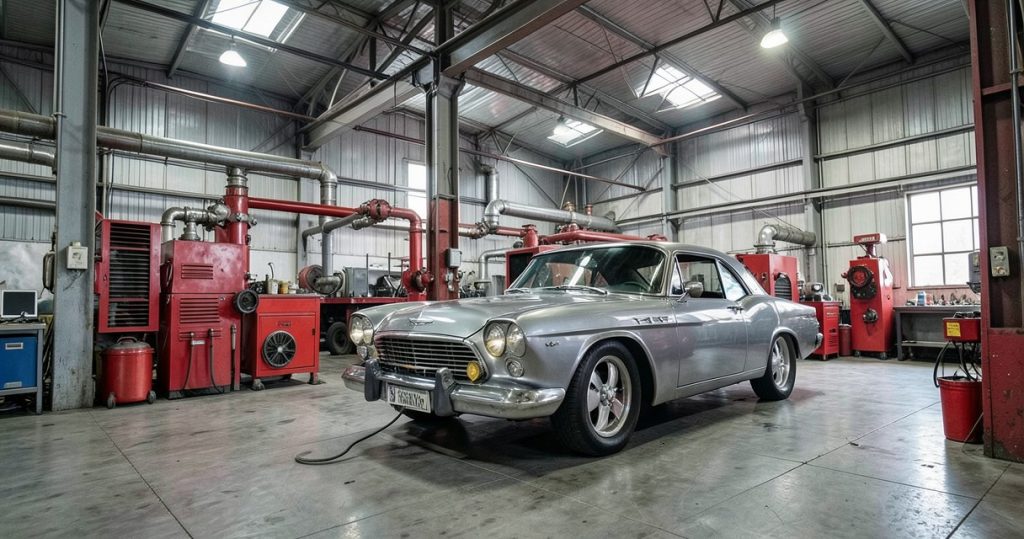
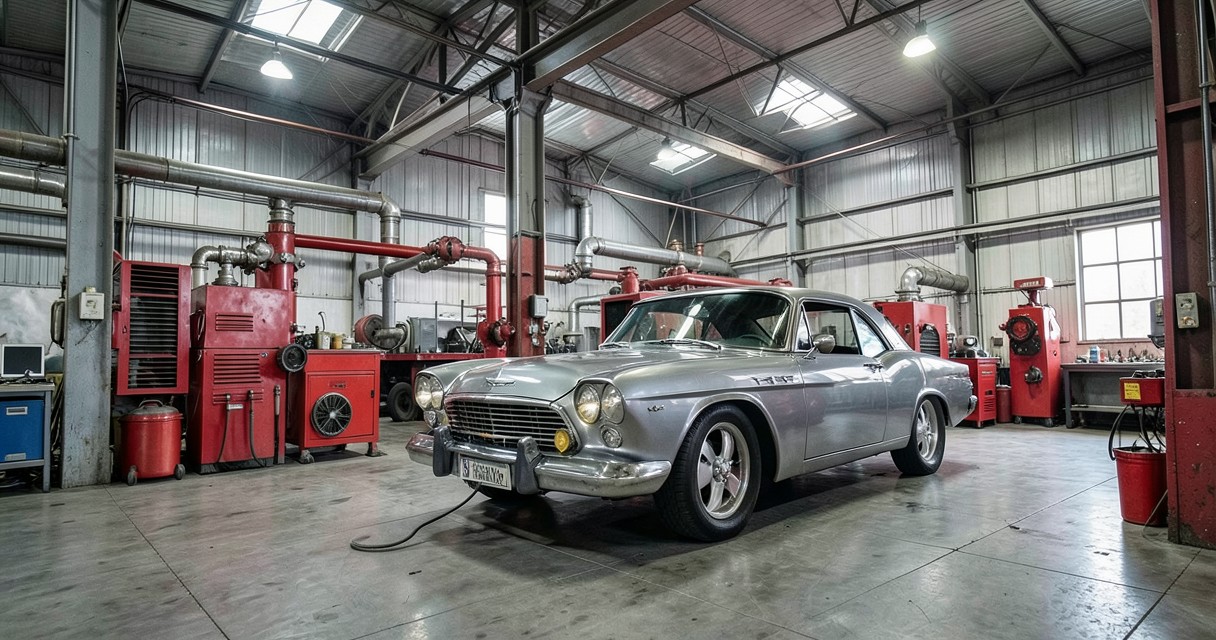
When the Plymouth GTX rolled off the line in the late 1960s, it represented a blend of raw power and showroom polish that still turns heads at classic car shows. Built at Chrysler’s Windsor Assembly Plant in Ontario, the GTX was positioned as a high‑performance variant of the Belvedere, targeting enthusiasts who demanded both speed and style. The production run from 1967 through 1971 yielded just over 30 000 units, a figure that makes genuine examples relatively scarce compared to mass‑produced models. Understanding how this muscle car was assembled helps collectors appreciate the craftsmanship behind every bolt, weld, and paint coat, and explains why certain factory options have become prized rarities among restorers.
The Windsor Assembly Plant: A Hub of Muscle Car Production
Windsor’s plant, located on the Detroit River, was already a seasoned facility by the time the GTX entered production. The factory spanned more than 1 million square feet and employed roughly 5 000 workers during peak years, many of whom specialized in body‑in‑white assembly. Production lines were organized around a moving conveyor system that allowed chassis components to advance while teams added engines, interiors, and trim in a synchronized rhythm. The plant’s capacity to handle both standard Belvedere builds and the heavier GTX chassis without major retooling demonstrated Chrysler’s commitment to flexible manufacturing, a practice that kept the model’s price competitive while delivering a vehicle with genuine performance credentials.
Quality control at Windsor was enforced through a series of checkpoints that mirrored the plant’s commitment to durability. Early in the process, frame welds were inspected by ultrasonic devices to catch hidden cracks, a technique that was still relatively novel for the era. Later, each completed body underwent a dimensional inspection to ensure panel gaps stayed within a tolerance of three‑fourths of an inch, a metric that contributed to the GTX’s famously tight fit and finish. These rigorous standards helped the GTX earn a reputation for robustness, a trait that has kept many original examples on the road for over half a century.
Engine Installation: The 440 Super Commando Powerplant
The heart of every GTX was the 440 cubic inch Super Commando V8, a big‑block engine that produced 440 horsepower at 5 200 rpm and 480 lb‑ft of torque. Engine assembly took place in a dedicated engine shop adjacent to the main line, where skilled machinists built each block from cast‑iron components that had been heat‑treated for strength. Crankshafts were forged and balanced to a tolerance of 0.002 inches, while pistons received a special coating to reduce friction and improve durability under high‑load conditions.
Once the engine was assembled, it was test‑run on a dynamometer that simulated real‑world loads, allowing technicians to verify that the power output matched factory specifications. After passing this hurdle, the engine was hoisted onto the chassis using a hydraulic crane that aligned the motor with pre‑drilled engine mounts. The installation process required precise torque settings for the main caps, typically 80 foot‑pounds, to ensure the block remained rigid during hard acceleration. This meticulous approach contributed to the GTX’s reputation for delivering smooth, linear power without the notorious “big‑block shake” that plagued some contemporary rivals.
Chassis and Suspension Assembly: Building a Stable Platform
The GTX’s chassis was a reinforced version of the standard Belvedere frame, featuring additional crossmembers that increased torsional rigidity by an estimated 15 percent. Heavy‑duty front and rear leaf springs were paired with a front stabilizer bar, providing a balance between aggressive handling and ride comfort that appealed to both drag strip enthusiasts and weekend roadsters. Suspension components arrived at the line pre‑painted, a practice that reduced corrosion risk and saved labor hours during final assembly.
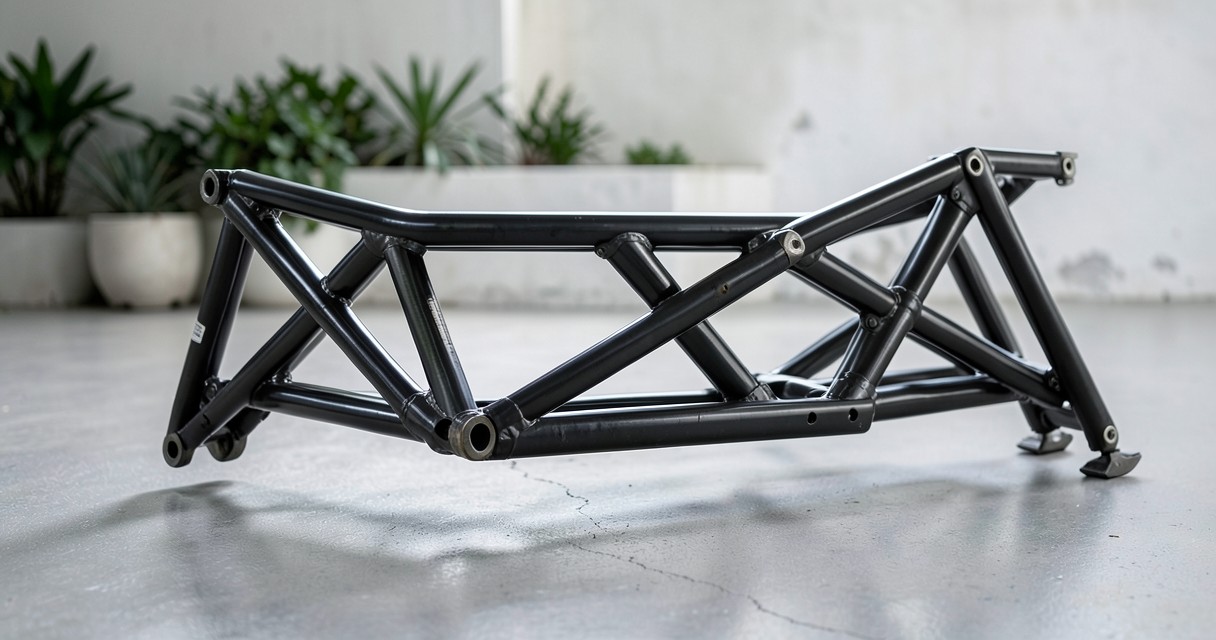
Wheel hubs and brake assemblies were installed next, with the GTX equipped with front disc brakes and rear drum brakes that featured self‑adjusting mechanisms. Brake drums were machined to a tolerance of 0.001 inches to maintain even wear across the surface, a detail that helped the car achieve respectable stopping distances despite its high horsepower. After the suspension was fully assembled, the chassis entered a “squat” test where it was loaded with a simulated driver weight to verify that ride height and alignment remained within factory limits, ensuring consistent handling characteristics from the first mile to the last.
Paint Shop and Exterior Finishing: Color as a Statement
Exterior finishing at Windsor was a multi‑stage process that began with a phosphate bath to prepare steel panels for paint adhesion. The GTX’s most iconic colors, such as “Turbine Bronze” and “Plymouth Red,” were applied using high‑pressure spray guns that delivered a uniform coat of basecoat followed by a clear lacquer. Each vehicle received two clear coats, a practice that added depth to the color and protected the finish from UV degradation, a concern for owners living in sunny climates.
Special attention was given to the GTX’s distinctive trim pieces, including the chrome‑faced grille and the “Plymouth” badge that adorned the rear fender. These components were hand‑polished before installation to avoid any imperfections that could mar the vehicle’s visual appeal. After the paint cured, a final inspection measured gloss levels using a handheld gloss meter, ensuring that the finish met the spec of 80 gloss units at a 60‑degree angle, a benchmark that kept the GTX looking showroom fresh even after years of use.
Interior Assembly and Hidden Factory Options
The cabin of the GTX combined comfort with a sporty vibe, featuring bucket seats with optional leather upholstery and a center console that housed a three‑speed automatic transmission selector. In many 1969 convertibles, a rare factory option placed a concealed power‑window switch behind the dashboard, a detail that modern restorers often overlook. These hidden switches were wired to a separate relay module, allowing owners to enjoy the convenience of power windows without compromising the clean lines of the convertible top.
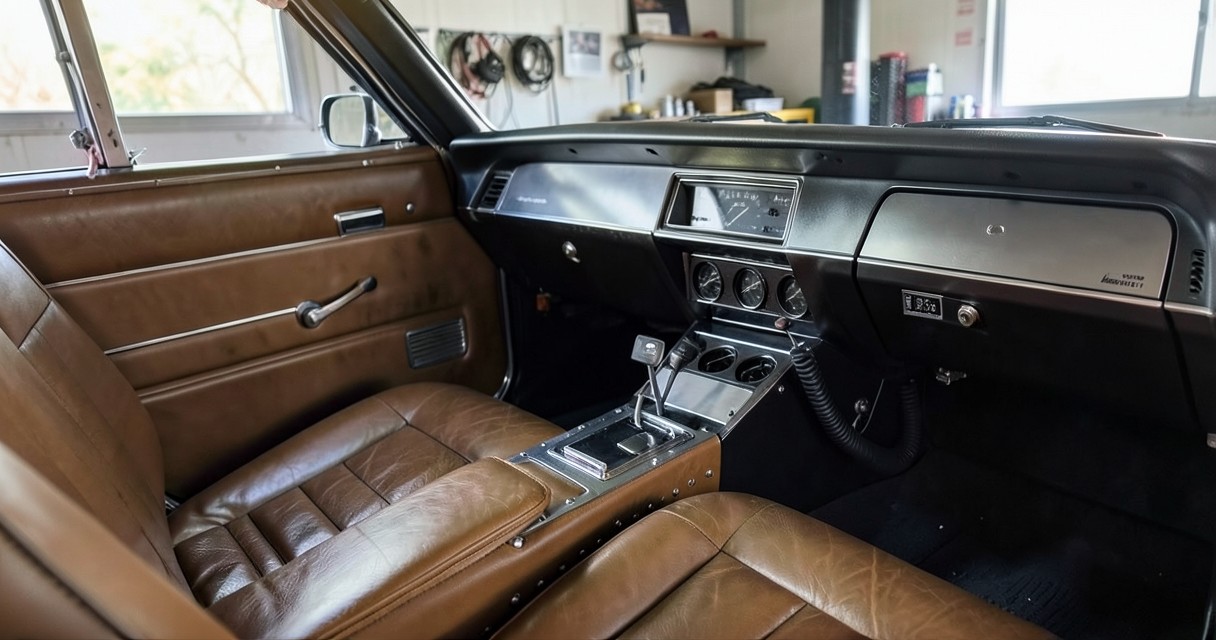
Instrumentation was another area where factory options added exclusivity. A limited number of GTXs received a tachometer calibrated for the 440 engine’s high‑rev range, providing drivers with real‑time feedback on engine speed up to 6 500 rpm. The instrument cluster was mounted on a vibration‑dampened bracket to reduce needle wobble, a subtle engineering choice that improved readability during aggressive driving. Additionally, the interior trim pieces were secured with rivets rather than screws, a method that enhanced durability and simplified disassembly for future restorations.
Final Inspection, Testing, and Shipping to Dealerships
Before a GTX left the Windsor plant, it underwent a comprehensive final inspection that combined visual checks with functional tests. Technicians performed a road test on a 2‑mile proving ground, evaluating acceleration, braking, and steering response while monitoring engine parameters with a portable diagnostic tool. Any vehicle that failed to meet the 0‑60 mph target of under 6.5 seconds was sent back for adjustments, a policy that ensured performance consistency across the production run.
After passing the road test, each car received a “Gold Star” certificate that documented its serial number, engine code, and any factory options installed, a record that today serves as a valuable verification tool for collectors. The finished GTXs were then loaded onto flatbed trucks and shipped to dealerships across North America, where they were displayed in showrooms alongside their more modest siblings. This final stage of the manufacturing journey cemented the GTX’s status as a premium offering, and the meticulous processes that defined its assembly continue to inspire enthusiasts who seek authenticity in their restoration projects.

Ever since I bought my first used pickup truck, I’ve been obsessed with finding the perfect blend of off-road capability and weekend comfort. I spend my free time exploring state parks and tinkering with restoration projects in my garage. My writing focuses on how vehicles can enhance your lifestyle and outdoor adventures.