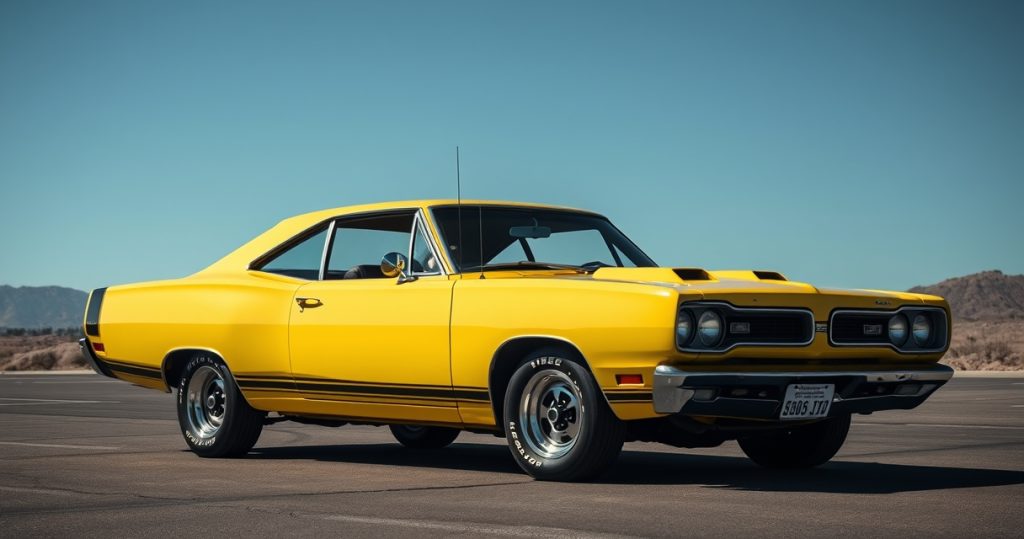
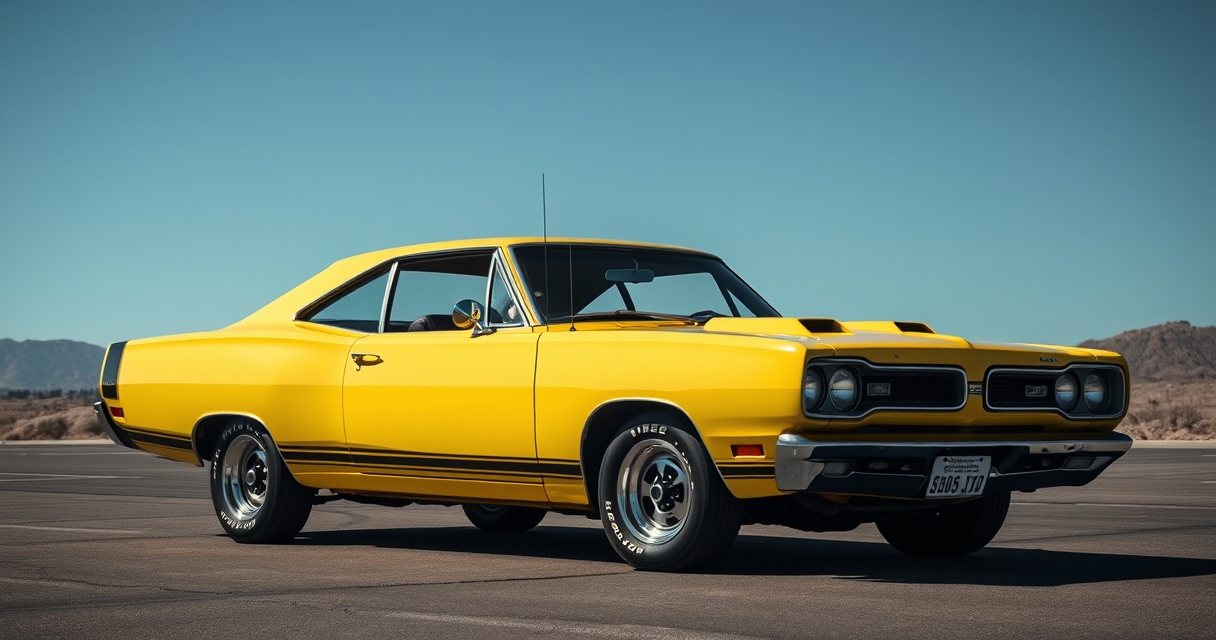
The Plymouth GTX is a rare muscle car that still turns heads at shows and cruises, and its striking photography of the Plymouth GTX captures the aggressive styling and legendary 440 V8 as well as the subtle details that set it apart. One of those details, often overlooked until you pop the trunk or crawl under the car, is the rear axle. The right rear end can make the difference between a GTX that feels like a grocery getter and one that launches like it’s supposed to. Whether you’re restoring a barn-find survivor, building a weekend cruiser, or chasing that perfect quarter-mile time, knowing your rear axle options is key to getting the most out of your GTX.
Understanding the Standard Rear Axle in the 1968-1970 Plymouth GTX
The factory rear axle in the Plymouth GTX was designed to handle the power of the 440 Magnum or the 426 Hemi, but not all axles were created equal. For the 1968-1970 models, Plymouth offered two main types: the 8.75-inch and the 9.75-inch Dana 60. The 8.75-inch was the standard unit for most GTX models, especially those equipped with the 440 engine. It came with a 3.23:1 gear ratio in automatic cars and a 3.55:1 ratio in four-speed manuals, though some early builds had 3.91:1 gears for better acceleration. The 8.75-inch axle was strong enough for street use and even light drag racing, but it had its limits when pushed hard with slicks or a steep gear ratio.
The Dana 60, on the other hand, was reserved for the heavy hitters. This axle came standard in GTX models with the 426 Hemi and was optional for the 440. It featured a larger ring gear, thicker axles, and a more robust housing, making it the go-to choice for serious drag racers. The Dana 60 could be ordered with gear ratios as steep as 4.88:1, which was perfect for launching off the line but murder on highway cruising. Most Hemi-equipped GTX models left the factory with a 3.54:1 or 4.10:1 ratio, striking a balance between acceleration and drivability. If you’re restoring a GTX and want to keep it factory-correct, knowing which axle came with your specific build is crucial, especially if you’re chasing numbers-matching status.
Gear Ratios and Their Impact on Performance and Driving Experience
Gear ratios might seem like a small detail, but they can completely change how your GTX feels on the road. A 3.23:1 ratio, for example, is great for highway cruising because it keeps the RPMs low at speed, making the car more comfortable for long drives. This was the standard ratio for automatic GTX models, and it’s why so many of them feel relaxed on the open road. However, if you’re planning to take your GTX to the drag strip, a 3.23:1 will leave you bogging off the line, struggling to get the car moving quickly. That’s where steeper ratios like 3.91:1 or 4.10:1 come into play.
A 4.10:1 gear ratio is a popular choice for GTX owners who want a mix of street and strip performance. It provides strong low-end torque, making the car feel snappy around town, but it also keeps the RPMs high enough to take advantage of the 440’s power band. For pure drag racing, ratios like 4.56:1 or even 4.88:1 are common, but these are only practical if you’re running a manual transmission or a high-stall torque converter. The trade-off is that these steep ratios will turn your GTX into a gas-guzzling, high-revving machine that’s miserable to drive on the highway. If you’re building a GTX for weekend cruises and occasional trips to the strip, a 3.91:1 or 4.10:1 ratio is a good compromise.
Another factor to consider is the type of differential. Most GTX models came with an open differential, which is fine for street driving but can be a liability at the drag strip. An open diff sends power to the wheel with the least resistance, which means if one tire loses traction, the other wheel gets no power. This is why many GTX owners upgrade to a limited-slip or positraction differential. A limited-slip diff, like the Sure-Grip option Plymouth offered, helps distribute power more evenly between the wheels, giving you better traction off the line. If you’re serious about drag racing, a locker or spool might be the way to go, but these are less street-friendly and can make the car handle unpredictably in turns.
The Sure-Grip Differential: A Factory Option Worth Hunting For
The Sure-Grip differential was Plymouth’s answer to the traction problems that plagued early muscle cars. Introduced in the mid-1960s, this limited-slip differential was available as a factory option on the GTX and was a must-have for anyone planning to race their car. The Sure-Grip worked by using a set of clutch packs to transfer power to the wheel with the most traction, preventing one wheel from spinning wildly while the other sat idle. This was especially useful in the GTX, where the 440’s torque could easily overwhelm the stock open differential.
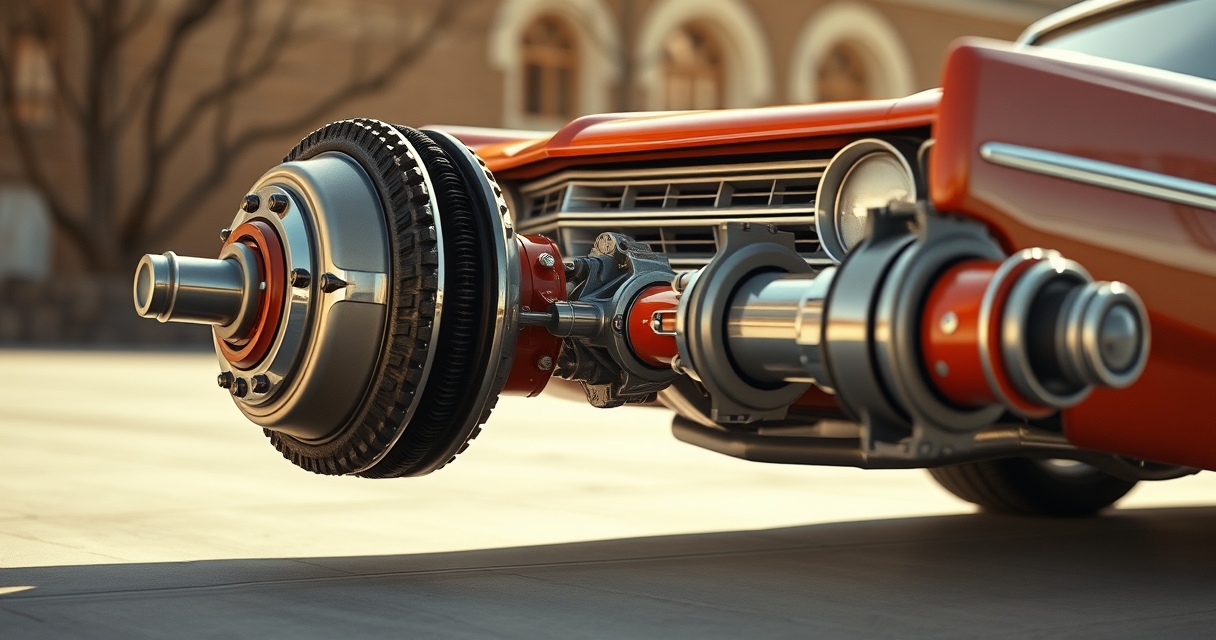
Finding a GTX with the original Sure-Grip differential can be a challenge, but it’s worth the effort if you’re restoring a car for performance use. The Sure-Grip was offered with a variety of gear ratios, including 3.55:1, 3.91:1, and 4.10:1, so you could tailor it to your driving style. One of the telltale signs of a Sure-Grip axle is the presence of a metal tag on the differential cover, stamped with the code “SG” or “G.” If you’re buying a GTX and the seller claims it has a Sure-Grip, ask for photos of the differential tag or, better yet, have the car inspected by a knowledgeable mechanic. Many GTX owners have swapped in aftermarket limited-slip differentials over the years, so don’t assume a car has the original Sure-Grip just because it has a posi unit.
If you’re restoring a GTX and want to add a Sure-Grip, you have a few options. You can hunt for a used factory unit, which can be expensive and hard to find, or you can opt for a modern replacement like a Detroit Locker or Eaton posi. These aftermarket units offer similar performance to the original Sure-Grip but with improved durability and adjustability. Keep in mind that adding a limited-slip differential will require some tuning, especially if you’re running a steep gear ratio. You may need to adjust your tire size, suspension setup, or even your driving technique to get the most out of it.
Aftermarket Upgrades: Swapping in a Stronger Rear Axle
If you’re building a GTX for serious performance, the stock 8.75-inch or Dana 60 axle might not cut it. Over the years, many GTX owners have swapped in stronger aftermarket axles to handle the power of modern engine builds or aggressive drag racing setups. One of the most popular upgrades is the Ford 9-inch rear end. The Ford 9-inch is known for its strength, durability, and wide range of available gear ratios, making it a favorite among muscle car enthusiasts. It’s also relatively easy to find parts for, which is a big plus if you’re working on a budget.
Another option is the Dana 60, which was already a factory option in the GTX but can be upgraded with aftermarket parts. A Dana 60 with a nodular iron housing, 35-spline axles, and a spool or locker can handle just about anything you throw at it, from street driving to full-on drag racing. The downside is that the Dana 60 is heavier than the stock 8.75-inch axle, which can affect the car’s handling and weight distribution. If you’re building a GTX for autocross or road racing, you might want to consider a lighter option, like a Moser or Strange Engineering rear end.
When swapping in an aftermarket axle, it’s important to consider the rest of your drivetrain. A strong rear end won’t do you much good if your transmission, driveshaft, or suspension can’t handle the power. Many GTX owners pair their rear axle upgrades with a high-stall torque converter, a reinforced driveshaft, and upgraded suspension components. You’ll also need to think about the gear ratio. If you’re swapping in a Ford 9-inch, for example, you’ll have access to a wide range of ratios, from 2.73:1 for highway cruising to 5.13:1 for drag racing. The key is to match the gear ratio to your engine’s power band and your intended use for the car.
Restoring a GTX: Matching the Rear Axle to Your Build Goals
Restoring a Plymouth GTX is about more than just slapping on a fresh coat of paint and calling it a day. The rear axle is one of those components that can make or break your build, depending on how you plan to use the car. If you’re restoring a GTX to factory specs, you’ll want to stick with the original axle type and gear ratio. This means tracking down a numbers-matching 8.75-inch or Dana 60, depending on your car’s original configuration. For a 440-powered GTX, the 8.75-inch axle with a 3.23:1 or 3.55:1 ratio is the most common setup, while a Hemi model will likely have a Dana 60 with a 3.54:1 or 4.10:1 ratio.
If you’re building a GTX for performance, you have more flexibility. Many restorers opt to keep the stock axle housing but upgrade the internals with stronger axles, a limited-slip differential, and a steeper gear ratio. This is a good compromise if you want to maintain the car’s original look while improving its performance. For example, you could keep the stock 8.75-inch housing but swap in 31-spline axles, a Sure-Grip differential, and a 3.91:1 gear ratio. This setup would give you better traction and acceleration without sacrificing the car’s originality.
For those building a GTX for drag racing, a full axle swap might be the way to go. A Ford 9-inch or Dana 60 with a spool, 4.56:1 gears, and 35-spline axles can handle the power of a built 440 or even a modern engine swap. Just keep in mind that these upgrades will change the car’s character. A GTX with a steep gear ratio and a locker will be a handful on the street, so it’s best to reserve these builds for the track. If you’re restoring a GTX for weekend cruises and occasional trips to the strip, a mild upgrade like a limited-slip differential and a 3.91:1 gear ratio is a good middle ground.
Common Rear Axle Issues and How to Spot Them
No matter how well you maintain your GTX, the rear axle is one of those components that will eventually wear out. The most common issue is gear wear, which can manifest as a whining or howling noise, especially under acceleration. This noise usually starts as a faint hum at certain speeds and gets louder over time. If you ignore it, the gears can wear down to the point where they strip, leaving you stranded on the side of the road. Another common problem is axle bearing failure. A bad bearing will often make a growling or rumbling noise that changes with speed. If you hear this noise, it’s important to address it quickly, as a failed bearing can take out the entire axle.
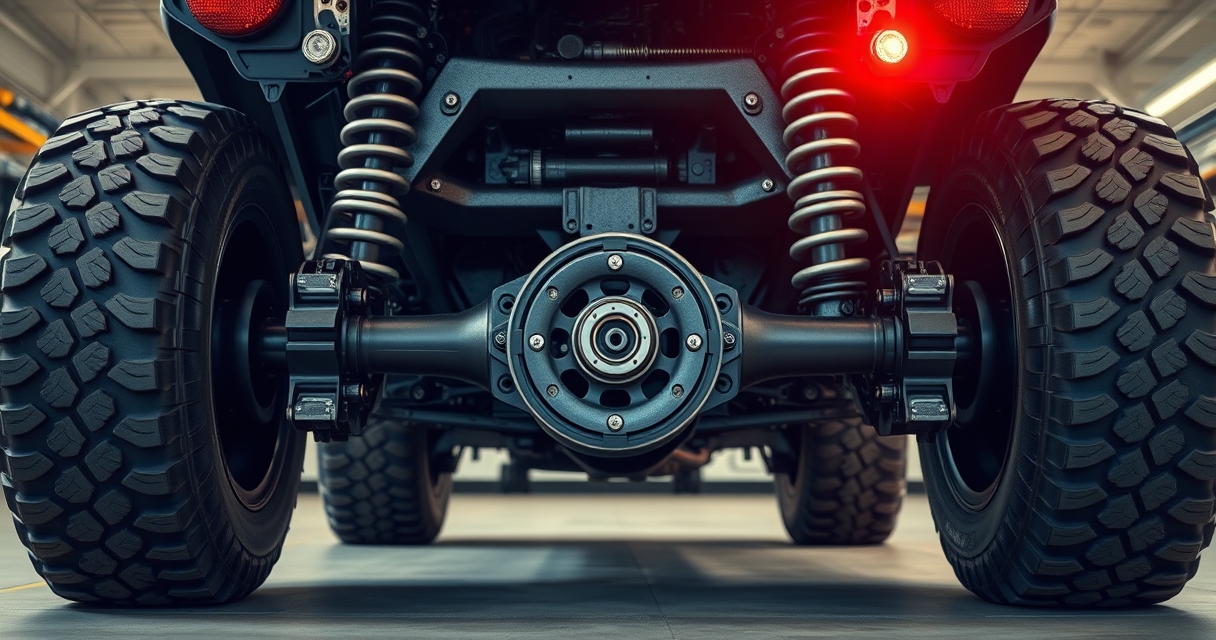
Leaking differentials are another issue to watch for. The differential cover is sealed with a gasket, and over time, this gasket can dry out and crack, leading to fluid leaks. If you notice fluid dripping from the rear of your GTX, it’s a good idea to check the differential cover. A small leak might not seem like a big deal, but if left unchecked, it can lead to low fluid levels and eventual gear failure. If you’re buying a GTX, always check the differential fluid. Fresh, clean fluid is a good sign that the axle has been well-maintained. Dark, gritty fluid, on the other hand, is a red flag that the gears are wearing out.
Finally, keep an eye out for bent or broken axles. This is more common in drag racing applications, where the sudden shock of a hard launch can snap an axle. If you’re running a steep gear ratio or a high-horsepower engine, it’s a good idea to upgrade to stronger axles. Moser and Strange Engineering both offer heavy-duty axles for the 8.75-inch and Dana 60, which can handle the abuse of drag racing. If you’re restoring a GTX, it’s also worth checking the axle tubes for rust or damage. A rusted axle tube can weaken the entire housing, leading to alignment issues and even axle failure. If you find rust, it’s best to replace the entire housing or have it professionally repaired.
Choosing the Right Tires and Suspension for Your Rear Axle Setup
The rear axle is only one part of the equation when it comes to getting the most out of your GTX. The tires and suspension play a huge role in how the car performs, especially if you’re running a steep gear ratio or a limited-slip differential. For street driving, a set of radial tires with a good grip is essential. The original GTX came with bias-ply tires, which were great for the 1960s but don’t offer the same level of traction as modern radials. A set of 245/60R15 or 255/60R15 tires will give you better grip and a smoother ride, making the car more enjoyable to drive on a daily basis.
If you’re building a GTX for drag racing, you’ll want to step up to a set of slicks or drag radials. A 28×10.5-15 slick is a popular choice for GTX owners, as it provides plenty of traction off the line without requiring a massive wheel tub. Just keep in mind that slicks are only good for the track, so you’ll need a separate set of street tires if you plan to drive the car on the road. For a compromise, drag radials like the Mickey Thompson ET Street are a good option. These tires offer decent traction on the strip while still being street-legal, though they won’t last as long as a dedicated street tire.
The suspension is another critical factor. The stock GTX suspension was designed for comfort, not performance, so if you’re running a steep gear ratio or a high-horsepower engine, you’ll want to upgrade. A set of lowering springs or coilovers can improve the car’s handling and reduce body roll, making it more stable at high speeds. For drag racing, a set of traction bars or a ladder bar setup can help prevent wheel hop and improve launch consistency. If you’re running a limited-slip differential, you might also want to consider a set of subframe connectors. These stiffen the chassis, reducing flex and improving traction. Just keep in mind that suspension upgrades can change the car’s ride quality, so it’s important to choose components that match your driving style.

Ever since I bought my first used pickup truck, I’ve been obsessed with finding the perfect blend of off-road capability and weekend comfort. I spend my free time exploring state parks and tinkering with restoration projects in my garage. My writing focuses on how vehicles can enhance your lifestyle and outdoor adventures.