

As fall approaches, the weather can change rapidly, leading to wet roads that pose unique challenges for drivers. Knowing how to drive cars safely in these conditions is essential for your well-being and that of others on the road. For reliable performance in the rainy season, follow this Plymouth GTX Maintenance guide to keep your vehicle in top condition.
Prepare Your Vehicle for Fall Driving
Before hitting the road, ensure your vehicle is ready for the fall weather. Start by checking your tires, as they are crucial for maintaining traction on wet roads. Look for any signs of wear and ensure your tread depth meets safety standards. If your tires are worn down, consider investing in new ones specifically designed for wet conditions. Additionally, inspect your windshield wipers and replace them if they leave streaks or are not functioning properly, as clear visibility is vital.
Don’t forget to check your brakes as well. They should respond smoothly without any grinding noises. If you notice any issues, have them serviced immediately. A well-maintained vehicle not only enhances your safety but also contributes to a more enjoyable driving experience as you navigate the fall weather.
Understand the Risks of Wet Roads
Driving on wet roads significantly increases the risk of skidding and hydroplaning. Water on the road creates a slippery surface, making it difficult for your tires to maintain grip. Hydroplaning occurs when your tires lose contact with the road, causing a temporary loss of control. Understanding this risk is the first step in preparing yourself for safe driving. Always be aware of the weather conditions and adjust your driving accordingly.
Moreover, remember that rain can reduce visibility, especially during heavy downpours. Be prepared to slow down and keep a safe distance from the vehicle ahead. This practice allows for a longer reaction time should any sudden stops be necessary. Maintaining awareness of your surroundings can make a significant difference in your safety on wet roads.
Adjust Your Driving Habits
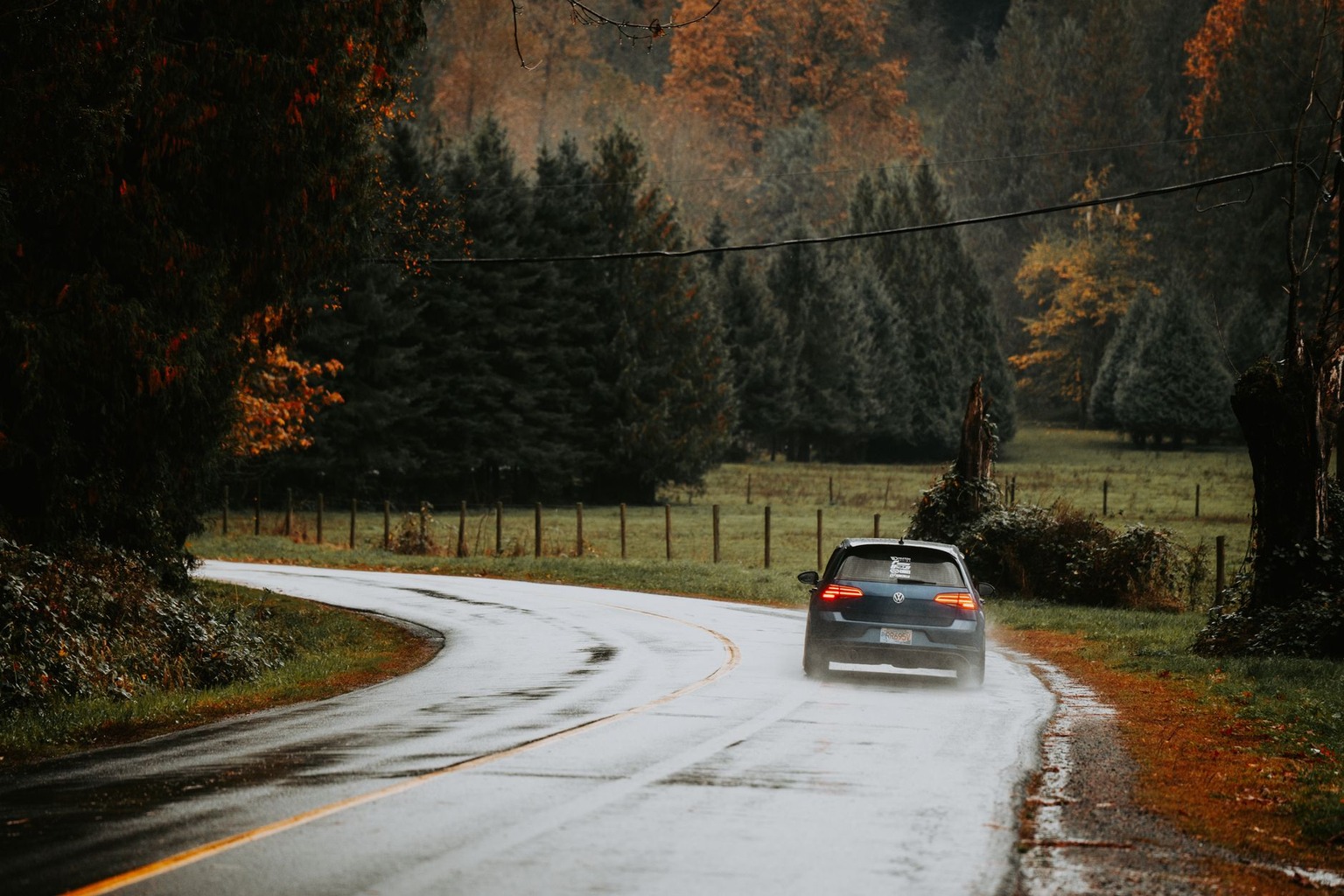
When you drive cars on wet roads, adjusting your driving habits is crucial. Start by reducing your speed to accommodate the slick conditions. Driving too fast can increase the likelihood of losing control, especially when navigating curves or turns. It is advisable to keep your speed at least 10 mph below the posted limit when the roads are wet.
On the Smart Drive Test channel, they cover essential rain driving tips that you can watch right here.
Additionally, practice gentle acceleration and braking. Sudden movements can lead to skidding, so it is important to accelerate slowly and brake gradually. This approach not only helps maintain control but also enhances the overall safety of your driving experience. Always signal your intentions early and clearly to give other drivers ample time to react, especially in wet conditions.
Use Your Lights Wisely
Visibility is often compromised during fall rains, making it essential to use your headlights appropriately. Turn on your headlights whenever you drive in rainy conditions, even during the day. This practice not only helps you see better but also makes your vehicle more visible to others on the road.
Consider using your low beams instead of high beams, as high beams can reflect off the rain and create glare, further reducing visibility. Proper use of your vehicle’s lights is a simple yet effective way to enhance safety for yourself and other drivers during inclement weather.
Avoiding Common Mistakes
Many drivers make common mistakes when navigating wet roads, which can lead to dangerous situations. One of the biggest mistakes is ignoring the need for increased stopping distance. On wet surfaces, it can take up to twice as long to stop, so always leave extra space between your car and the one in front of you.
Another mistake is changing lanes or making turns too sharply. This can cause your vehicle to lose traction and potentially skid. Instead, make smooth and gradual movements when changing lanes or navigating turns. Being mindful of these common pitfalls can significantly improve your safety while driving in rainy conditions.
Know What to Do If You Skid
Despite your best efforts, skidding may still occur. If you find yourself in this situation, remain calm and avoid panicking. The first step is to steer in the direction you want the front of the vehicle to go. This action helps regain control. If you are skidding due to oversteering, gently ease off the accelerator and avoid slamming on the brakes, as this can worsen the skid.

It is also beneficial to practice skidding techniques in a safe environment, such as an empty parking lot, to familiarize yourself with how your vehicle responds. Understanding how to react in these scenarios can help you react more effectively when faced with unexpected situations on wet roads.
Stay Informed About Weather Conditions
When planning a fall road trip, always review the Overnight Parking Safety guidelines to protect your vehicle while camping or traveling. Being informed about potential storms or heavy rainfall can help you plan your trips better. If conditions are severe, consider postponing your travel or opting for alternative modes of transportation.
Additionally, pay attention to local advisories and road conditions. Some areas may experience flooding or road closures due to heavy rain, which can lead to hazardous driving conditions. Staying updated on the weather and road conditions will help you make better decisions and ensure your safety while driving this fall.

Ever since I bought my first used pickup truck, I’ve been obsessed with finding the perfect blend of off-road capability and weekend comfort. I spend my free time exploring state parks and tinkering with restoration projects in my garage. My writing focuses on how vehicles can enhance your lifestyle and outdoor adventures.