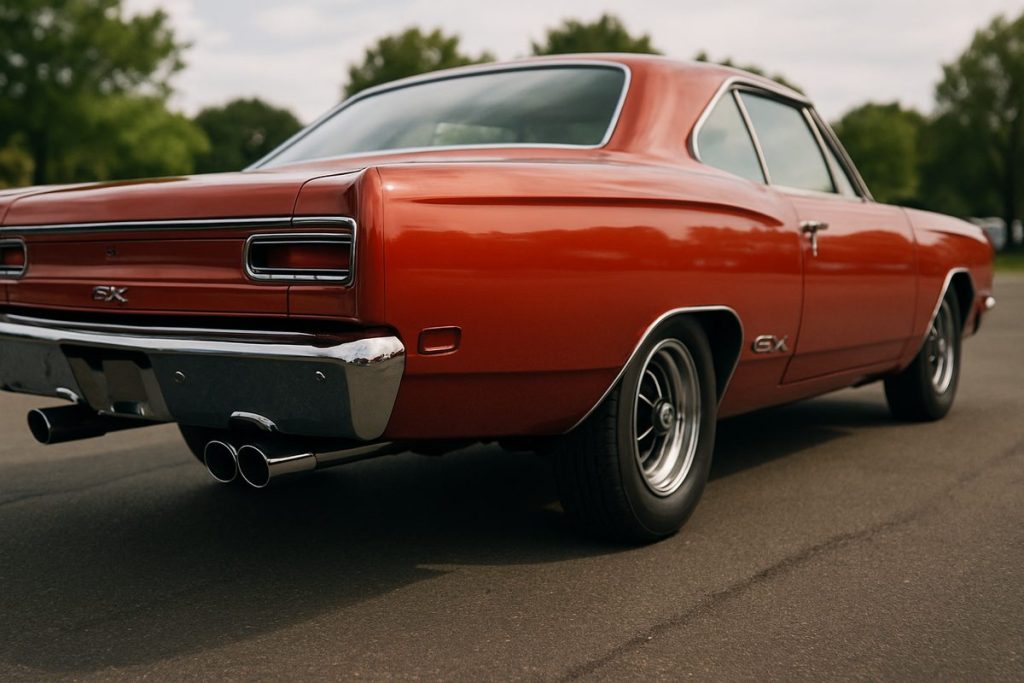
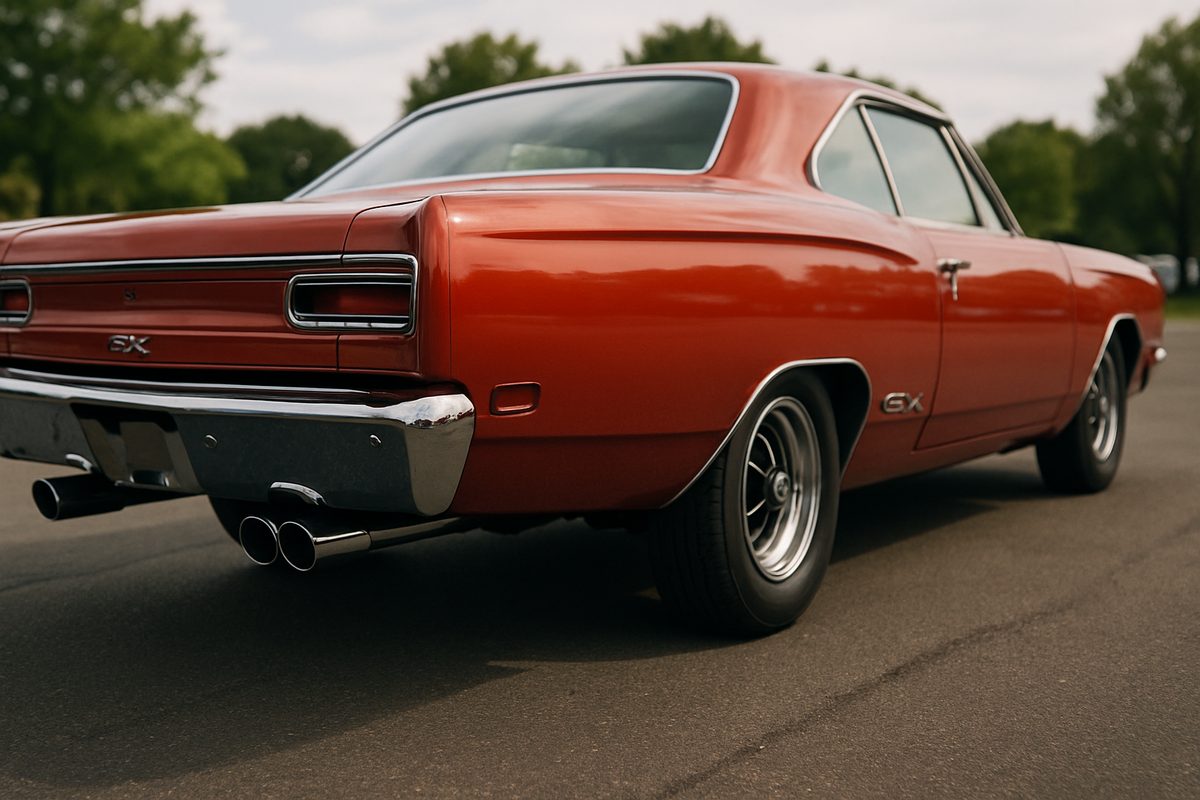
Overview of the Plymouth GTX Exhaust Sound
The Plymouth GTX exhaust is one of the most distinctive features that make this classic muscle car stand out. Known for its deep, aggressive roar, the exhaust note of the Plymouth GTX captures the essence of American muscle car culture. From the moment the engine fires up, the unmistakable GTX engine noise commands attention and stirs a sense of nostalgia among enthusiasts and collectors alike.
The signature sound of the Plymouth GTX exhaust is born from its powerful V8 engine paired with a custom-tuned exhaust system designed to maximize both performance and auditory impact. Unlike more modern cars that prioritize quiet operation, the Plymouth GTX embraces a louder, rawer sound profile that exemplifies the muscle car era’s emphasis on power and presence. This classic muscle car sound is often described as a throaty, rumbling growl that intensifies as the engine revs higher, delivering an authentic auditory experience that connects drivers with the brutal strength under the hood.
In muscle car culture, the Plymouth GTX exhaust is more than just noise—it is a vital symbol of freedom, performance, and heritage. The sound represents a bygone era when muscle cars ruled the roads and the roaring exhaust was a badge of honor and identity for its owners. Enthusiasts cherish this distinct GTX engine noise because it embodies the spirit of the 1960s and 70s muscle car movement, characterized by raw horsepower and bold design.
Collectors and fans of the Plymouth GTX often seek out the original exhaust setups or aftermarket parts that can replicate the classic sound to preserve the authenticity of their vehicles. The unique Plymouth GTX exhaust tone not only enhances driving pleasure but also serves as a cultural touchstone that unites muscle car aficionados worldwide. Whether idling at a car show or accelerating on open roads, the Plymouth GTX’s exhaust sound continues to make a powerful statement and keep the muscle car legacy alive.
History and Engine Specifications Influencing Sound
The Plymouth GTX, a classic muscle car icon, is renowned for its distinctive exhaust sound, deeply influenced by its engine history and specifications. Central to the Plymouth GTX’s auditory signature is its powerful V8 engine lineup. Throughout its production years, the GTX was equipped with several V8 options, most notably the 440-cubic inch (7.2L) Magnum and the legendary 426 HEMI engines. These engines were designed not only for raw power but also for delivering that unmistakable rumble and growl that muscle car enthusiasts crave.
The Plymouth GTX engine options were factory-tuned to optimize both performance and sound quality. The 440 Magnum, for instance, came with a high-performance four-barrel carburetor and a specially designed exhaust system that allowed for a deep, throaty exhaust note. On the other hand, the 426 HEMI’s hemispherical combustion chambers and tuned headers produced a more aggressive and raw exhaust tone, which became a signature feature of high-performance muscle cars of its era.
Factory tuning also played a vital role in shaping the exhaust history of the Plymouth GTX. Engineers carefully calibrated the ignition timing, camshaft profiles, and exhaust manifolds to strike a balance between power delivery and exhaust sound character. These elements combined to create varying exhaust notes across different engine specs, giving each GTX model a unique voice on the road. Ultimately, the blend of robust V8 engines and thoughtful factory tuning cemented the Plymouth GTX’s reputation for having one of the most iconic muscle car engine specs and exhaust sounds in automotive history.
Distinctive Sound Characteristics of the GTX
The exhaust tone of the Plymouth GTX carries a distinct signature that sets it apart from other muscle cars of its era. Unlike the raw growl typical of many muscle vehicles, the GTX sound profile presents a more refined yet aggressive voice that resonates with muscle car enthusiasts. Its tonal qualities blend a deep, throaty rumble with a sharp, resonant bite that echoes the power hidden beneath the hood. This balanced muscle car sound delivers an auditory experience that is both commanding and captivating.
In terms of pitch, the GTX exhaust leans towards a mid-to-low frequency range, creating a rich and full-bodied sound that avoids the overly harsh or high-pitched wails found in some contemporaries. The sound’s depth encourages a visceral connection, making drivers feel the engine’s strength with every throttle. This mid-pitched exhaust note also helps the GTX stand out on the road, giving it an unmistakable audio presence without overwhelming the senses.
Volume-wise, the Plymouth GTX strikes a perfect balance: loud enough to turn heads and evoke excitement but controlled enough to maintain a sense of sophistication. Unlike muscle cars that prioritize sheer volume over quality, the GTX exhaust manages to deliver a powerful statement sound that is both muscular and smooth. This unique combination in the exhaust tone, pitch, and volume makes the Plymouth GTX a truly iconic muscle car in terms of its auditory footprint.
Impact of Exhaust System Modifications on the GTX Sound
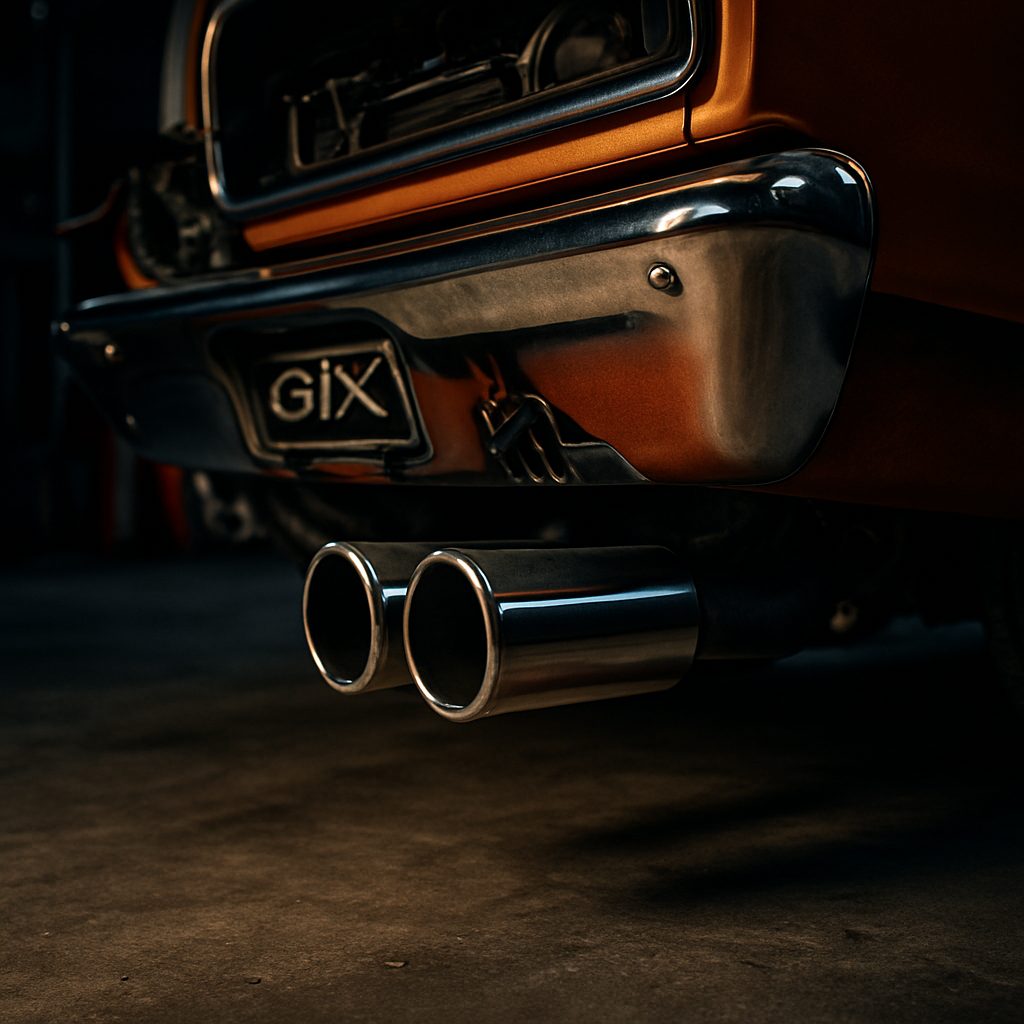
The Plymouth GTX is renowned for its distinctive and powerful exhaust note, a hallmark that enthusiasts cherish. However, many owners seek to enhance or personalize this signature sound through various GTX exhaust modifications. These aftermarket exhaust upgrades not only change the acoustic character of the vehicle but can also influence its performance and engine sound tuning possibilities.
One of the most popular GTX exhaust modifications involves replacing the stock mufflers with high-performance aftermarket mufflers. These components typically allow the exhaust gases to flow more freely, reducing backpressure and producing a louder, more aggressive exhaust tone. Unlike the original stock mufflers that deliver a deep yet somewhat subdued rumble, aftermarket options often deliver a sharper, throatier sound that can range from a low growl at idle to a more robust roar at higher RPMs.
Another common upgrade is the installation of a complete aftermarket exhaust system, which includes enhanced headers, mid-pipes, and tailpipes. This setup significantly transforms the Plymouth GTX’s original exhaust sound profile by improving exhaust flow and refining engine sound tuning. With such modifications, the vehicle’s exhaust note becomes more pronounced, often described as more muscular and resonant, while maintaining the iconic muscle car character. Enthusiasts often choose systems made from stainless steel or aluminized steel for durability and corrosion resistance.
Additionally, some GTX owners experiment with resonators or remove them entirely for an even louder and rawer sound. This type of engine sound tuning is sought after to capture an untamed, race-inspired exhaust note that closely mirrors the aggressive performance of the GTX’s powerful engine. However, removing or modifying resonators can sometimes introduce drone or excessive noise at cruising speeds, so it requires careful selection and tuning to balance sound quality and comfort.
GTX exhaust modifications can be tailored to match individual preferences, from mild enhancements to full-on race-style exhausts. Whichever route is chosen, these upgrades alter the Plymouth GTX’s exhaust signature in ways that excite both the driver and onlookers, elevating the classic muscle car experience. The collaboration of aftermarket exhaust components and thoughtful engine sound tuning ensures that each GTX can roar with its own unique voice, beyond the original factory setup.
Common Aftermarket Exhaust Options
Plymouth GTX owners often enhance their vehicle’s sound performance by installing various aftermarket exhaust components. These upgrades not only improve the auditory experience but can also boost engine efficiency and style.
- Aftermarket Mufflers: One of the most popular upgrades, aftermarket mufflers are designed to replace the factory muffler with units that provide a deeper, more aggressive exhaust note. They often feature straight-through designs or chambered configurations to reduce backpressure and enhance sound volume and tone.
- Performance Exhaust GTX Systems: Complete performance exhaust systems tailored for the Plymouth GTX combine headers, pipes, and mufflers engineered to optimize exhaust flow. These systems deliver a louder, more robust sound and can improve horsepower and torque by minimizing restrictions in the exhaust path.
- Exhaust Tips: While primarily aesthetic, aftermarket exhaust tips also influence the exhaust sound. Available in various shapes and sizes made from chrome, stainless steel, or other metals, these tips accentuate the GTX’s aggressive persona and can slightly modify the exhaust note by changing how sound waves exit the system.
By selecting the right combination of aftermarket mufflers, performance exhaust GTX systems, and exhaust tips, Plymouth GTX enthusiasts can customize their car’s exhaust sound to reflect their personal style and desired performance level.
How Modifications Affect Sound Dynamics
Modifications to a Plymouth GTX’s exhaust system directly influence sound dynamics by altering exhaust flow, backpressure, and acoustic properties. When components such as mufflers or pipes are changed or removed, the exhaust flow typically becomes freer and less restricted. This smoother flow reduces backpressure, which normally acts as resistance against the engine’s exhaust gases. Lower backpressure allows gases to exit faster, creating a louder, more aggressive exhaust note.
Additionally, changes in exhaust flow impact the acoustic characteristics of the sound. The type and placement of mufflers, resonators, and pipe diameter determine how sound waves are reflected and absorbed. For example, larger diameter pipes tend to produce deeper tones, while high-performance mufflers can amplify certain frequencies to create a more robust growl. Conversely, restrictive mufflers dampen noise levels by absorbing sound energy.
Noise levels are therefore controlled not only by volume but also by the quality of sound produced through these modifications. Adjusting exhaust components changes the balance of low and high-frequency sounds, which defines the unique auditory identity of the Plymouth GTX. In essence, sound dynamics are a direct result of how modifications manipulate exhaust flow, reduce backpressure, and reshape the acoustic characteristics within the system.
Experience and Appreciation of the Plymouth GTX Exhaust Sound
The Plymouth GTX exhaust sound is more than just noise; it’s a defining element of the muscle car experience that captivates enthusiasts wherever they gather. Whether at shows, cruises, or car meets, the GTX’s distinctive roar instantly commands attention, evoking admiration from car sound enthusiasts and casual observers alike. This specific exhaust note symbolizes power and heritage, making it an essential aspect of the GTX’s appeal.
For muscle car enthusiasts, the sound of the Plymouth GTX exhaust is a badge of honor—a powerful audio signature that communicates the car’s raw and aggressive spirit. At car shows, attendees often gather around the GTX to hear its engine rev and exhaust growl, appreciating the mechanical artistry behind the sound. Car sound enthusiasts, in particular, listen for the deep, throaty rumble, which stands distinct from other muscle cars and is recognized as a sign of an expertly tuned exhaust system.
During cruises, the exhaust note of the Plymouth GTX sets the mood and excites fellow drivers and onlookers. The rhythmic pulse of the engine merges with the vibrations from the exhaust pipes, creating an immersive sensory experience that amplifies the thrill of driving. For many, hearing this sound on the open road sparks a feeling of nostalgia intertwined with modern-day pride in preserving such an iconic vehicle.
Car meets serve as a platform for GTX owners to showcase their exhaust system setups and share their passion for this unique soundscape. The conversation frequently shifts toward exhaust modifications, tuning options, and the best ways to maintain that perfect growl that defines the Plymouth GTX. This community connection further deepens GTX exhaust appreciation, with enthusiasts valuing not only the sound itself but also the craftsmanship and history behind it.
Ultimately, the Plymouth GTX exhaust sound is a critical part of the muscle car experience. It symbolizes freedom, power, and automotive heritage, resonating deeply with car sound enthusiasts who understand the importance of an authentic, powerful exhaust note. Whether at a packed car show or a casual cruise, the roar of the GTX’s exhaust continues to inspire admiration and respect among all who hear it.
Cultural Significance of the Exhaust Sound
The exhaust sound of the Plymouth GTX holds a special place in muscle car culture, serving as more than just noise—it is a powerful symbol of identity and heritage. For enthusiasts, the distinct roar of the GTX’s engine is a sonic bridge to the golden era of American muscle cars, evoking profound sound nostalgia. This sound carries the essence of raw power and mechanical mastery, setting the Plymouth GTX apart from other classic cars and reinforcing its iconic status.
Muscle car culture thrives on sensory experiences where the growl of the engine and the thunderous exhaust note become as vital as the car’s design and performance. The GTX’s deep, aggressive exhaust blast encapsulates the spirit of rebellion and freedom that muscle cars embody. This auditory signature not only commands attention on the streets but also serves as a direct emotional connection for enthusiasts who associate this sound with adrenaline-filled drives, car shows, and shared community values.
Moreover, the Plymouth GTX’s exhaust sound helps maintain and propagate classic car identity, preserving an authentic experience that modern cars cannot replicate. It’s a cherished auditory hallmark that communicates passion and respect for automotive history. This makes the GTX’s exhaust sound an enduring icon within muscle car culture, continuously resonating with those who appreciate the legacy and power encapsulated in every rev.
Tips to Fully Enjoy and Showcase the GTX Sound
To truly appreciate and showcase the exhilarating exhaust sound of your Plymouth GTX, regular exhaust sound maintenance is crucial. Start by inspecting your exhaust system frequently for any signs of rust, leaks, or loose components that could diminish the quality of the sound. Keeping the pipes clean helps preserve the deep, rumbling tone that enthusiasts love.
Participating in car meets is an excellent opportunity to display your GTX’s robust sound. When at these gatherings, coordinate with fellow GTX owners or muscle car fans to organize “sound showcase tips” sessions. This allows you to safely rev and demonstrate the exhaust while sharing maintenance tricks and tips that enhance the overall experience.
For daily drives, consider how your exhaust sound responds to different throttle inputs and driving conditions. Avoid aggressive wear by warm-up drives and gentle throttle applications in colder weather, which can prevent early damage to the exhaust components. Additionally, upgrading to high-quality mufflers or resonators designed for muscle cars can amplify the authentic GTX roar without compromising comfort.
In summary, consistent care combined with smart participation in car meets lets you maximize the enjoyment of your Plymouth GTX’s iconic sound. With these sound showcase tips and maintenance practices, your exhaust note will continue to turn heads and honor the legacy of this classic muscle car.

Ever since I bought my first used pickup truck, I’ve been obsessed with finding the perfect blend of off-road capability and weekend comfort. I spend my free time exploring state parks and tinkering with restoration projects in my garage. My writing focuses on how vehicles can enhance your lifestyle and outdoor adventures.