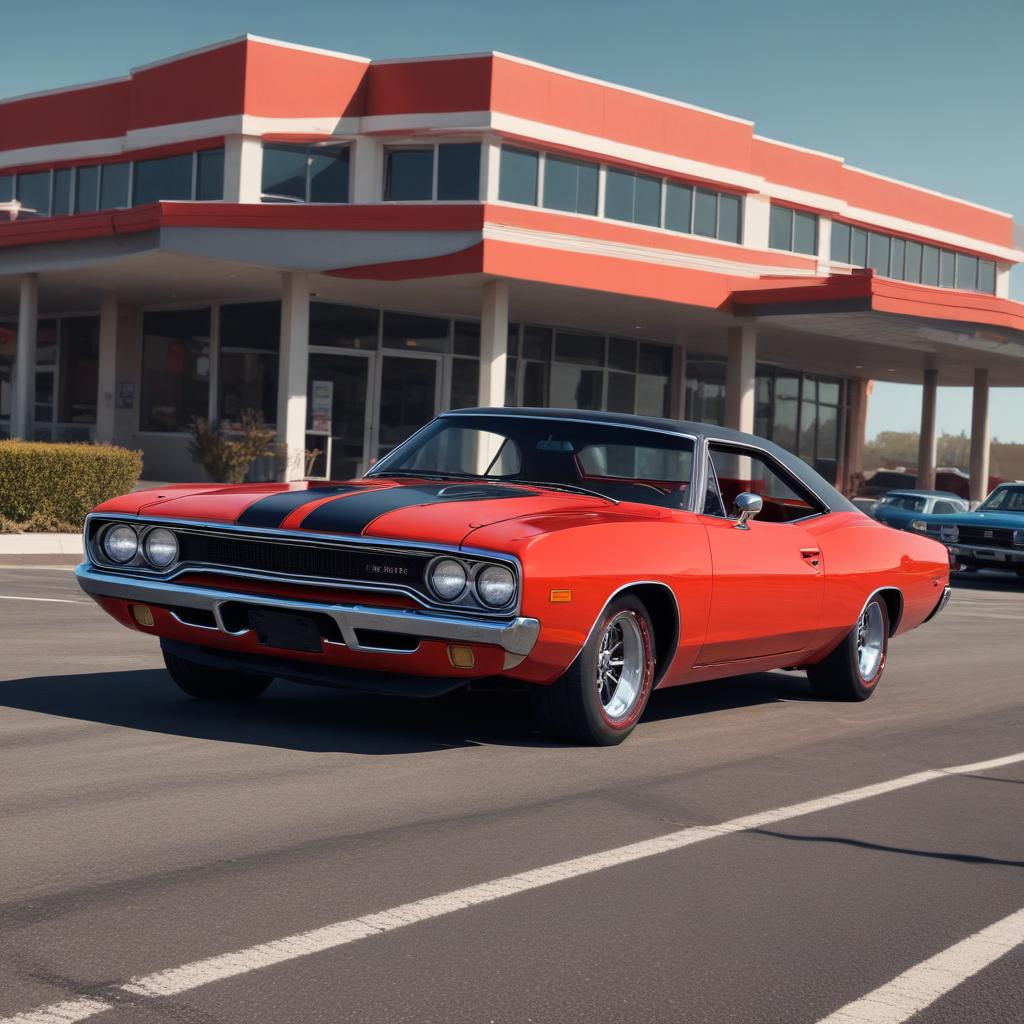
Adding to the distinctive appearance are the carefully placed emblems, which emphasize the GTX’s sporty heritage and prestige. These emblems are strategically positioned within the grille’s framework and along the front fascia to draw attention without overwhelming the design. The iconic GTX badge is prominently displayed at the center or offset slightly, depending on the model year, ensuring it remains a focal point that buyers and enthusiasts can instantly recognize.
Styling cues such as subtle chrome accents and integrated headlight surrounds complement the grille, creating a cohesive front-end look that balances boldness with sophistication. These design elements work in harmony to define the Plymouth GTX’s aggressive yet refined personality, making the front fascia not just a functional feature but a statement of style and performance.
Headlight and Taillight Design
The Plymouth GTX’s aggressive look is significantly defined by its distinctive headlight and taillight design. At the front, the dual headlights are housed in bold, rectangular bezels that emphasize the car’s muscular stance. These headlights are not only functional but are styled to create a sharp, penetrating gaze, enhancing the vehicle’s fierce front-end appearance. The lighting features are further complemented by the grille design, which frames the headlights and adds depth and intensity to the overall look.
Moving to the rear, the taillights continue the aggressive theme with a wide, horizontal layout that spans the width of the back end. Their segmented design incorporates multiple lighting elements, which provide a layered and dynamic effect when illuminated. The taillights feature chrome surrounds and a subtle wave pattern, contributing to the GTX’s unique visual identity. These lighting features work in harmony to ensure visibility while reinforcing the car’s powerful and bold character.
The integration of these headlight and taillight elements not only improves functionality but expertly balances form and function. The sharp edges, bold frames, and clever use of chrome accents combine to create a lighting package that commands attention, making the Plymouth GTX unmistakably aggressive and iconic on the road.
Rear Styling and Functional Design
The rear design of the Plymouth GTX is a testament to both form and function, expertly blending aesthetic appeal with practical elements. One of the standout features of the Plymouth GTX’s rear styling is its distinctive spoiler, which not only enhances the car’s aggressive look but also improves aerodynamics and stability at higher speeds. The spoiler is seamlessly integrated into the design, contributing to the vehicle’s sporty profile without appearing extraneous.
The tail panel of the Plymouth GTX is another key area reflecting the car’s unique style. It features a wide, horizontal arrangement that accentuates the car’s width and muscular stance. The design usually includes sleek, rectangular taillights that stretch across the rear, separated by the Plymouth emblem or model badge at the center. This layout creates a balanced and symmetrical look, helping the rear end stand out, especially when illuminated at night. The smooth yet bold lines of the tail panel complement the overall aggressive intent of the GTX’s design.
Moving down to the bumper rear, the Plymouth GTX typically sports a robust and prominent rear bumper that adds to its muscular appearance. The bumper is designed not only with visual impact in mind but also to provide protection. Its durable construction integrates chrome accents or polished metal trims, which enhance the classic muscle car vibe while subtly signaling the car’s performance roots. Additionally, the bumper design often incorporates recessed areas for the exhaust outlets, emphasizing the vehicle’s power and performance ethos.
In summary, the rear design of the Plymouth GTX is a combination of carefully considered elements like the spoiler, tail panel, and bumper rear. Each component serves both an aesthetic and functional purpose, reinforcing the car’s identity as an iconic muscle car that delivers style and performance. The spoilers improve driving dynamics and add flair, the tail panel showcases the car’s bold width with refined taillight design, and the rear bumper completes the look with strength and classic detailing. Together, these features create a cohesive and distinctive rear styling that remains highly admired among car enthusiasts and collectors.
Spoilers and Rear Accents
The rear spoilers and additional stylish accents on the Plymouth GTX play a significant role in defining its sporty and aggressive exterior. These elements not only enhance the car’s aerodynamic profile but also contribute to its bold visual identity. Rear spoilers are designed to provide functional benefits by improving stability and downforce at higher speeds, which is essential for maintaining control and performance. The GTX’s rear spoilers seamlessly blend with the overall design, emphasizing the car’s muscular stance and dynamic character.
Complementing the rear spoilers are various accents that highlight the GTX exterior details. These subtle yet impactful touches, such as chrome trims, distinctive badges, and sculpted lines, work together to elevate the car’s aesthetic appeal. They accentuate the car’s strong contours and give a cohesive sporty look that appeals to enthusiasts and collectors alike. The combination of rear spoilers and strategic accents ensures the Plymouth GTX stands out as a true icon of American muscle car design, marrying form and function in a visually compelling way.
Overall, the interplay between rear spoilers and additional rear accents is crucial in crafting the Plymouth GTX’s unmistakable sporty profile. This attention to detail reflects the car’s performance heritage while delivering a look that communicates power, speed, and confidence on the road.
Tail Panel and Bumper Features
The tail panel of the Plymouth GTX is a masterful blend of form and function, showcasing distinct design elements that highlight the car’s bold rear profile. The panel is meticulously crafted to integrate seamlessly with the surrounding bodywork, creating a smooth, cohesive visual flow that enhances the vehicle’s muscular stance. Key to this design is the precise placement of the tail lights within the panel, which are framed by sleek trim pieces that add both contrast and definition. These trim accents not only draw attention to the lighting but also help tie together the rear design with other exterior elements.
The rear bumper complements the tail panel with a robust yet refined appearance. Constructed to follow the contours of the tail panel, the bumper wraps elegantly around the back while providing protection and aesthetic balance. Chrome or polished metal finishes on the bumper add a gleaming highlight against the painted surfaces, emphasizing the car’s vintage style. This finish catches the light beautifully, accentuating the design sophistication of the rear end.
Additionally, the integration of the lighting fixtures within the tail panel and rear bumper area is highly functional ergonomically, offering excellent visibility while maintaining the car’s clean lines. The design elements combine to make the rear of the Plymouth GTX not only visually striking but also highly practical, showcasing a perfect marriage of style and utility in this classic muscle car.
Overview of Plymouth GTX Exterior Design
The Plymouth GTX is an iconic muscle car that embodies the bold and aggressive exterior design characteristic of the late 1960s and early 1970s American automotive scene. Known for its striking muscle car styling, the Plymouth GTX captured attention with its distinctive blend of performance and aesthetics, making it a favorite among enthusiasts and collectors alike. The exterior design of the GTX was more than just a look—it was a statement of power and style that defined an era.
When it was introduced, the Plymouth GTX was marketed as a “gentleman’s muscle car,” blending luxurious touches with the raw muscle car appeal. The exterior styling featured a long hood, short rear deck, and a wide, aggressive stance, all of which contributed to its muscular presence on the road. Unique design elements such as the signature dual hood scoops, bold grille with hidden headlights, and GTX badging further emphasized the car’s performance heritage. These features brought together both function and form, highlighting Plymouth’s dedication to muscle car styling that was both visually impactful and aerodynamically purposeful.
The history of the Plymouth GTX’s exterior design is rooted in the muscle car wars of the 1960s, where manufacturers competed to create the most powerful and visually appealing cars. Plymouth responded to this challenge by giving the GTX a distinct identity that stood out from its siblings in the Belvedere and Road Runner lineups. Its wide track, sizable wheel wells, and aggressive rear spoiler allowed it to compete not only in performance but also in style, creating a perfect harmony between speed and aesthetics. Throughout its production years, the GTX’s exterior evolved with subtle yet impactful changes, maintaining its status as a muscle car icon while adapting to shifting automotive trends.
In summary, the Plymouth GTX exterior design represents a classic muscle car era marked by bold lines, aggressive features, and powerful styling cues. Its muscular and well-crafted design helped cement its place in automotive history as a standout model that was as visually impressive as it was thrilling to drive. The Plymouth GTX’s exterior remains a testament to the muscle car styling that continues to captivate car enthusiasts around the world.
Distinctive Body Lines and Shape
The Plymouth GTX exterior is instantly recognizable thanks to its distinctive body lines and dynamic shape. The design boasts sharp, flowing body contours that elegantly run from the front fenders through the doors and rear quarters, creating a sense of motion even when the vehicle is standing still. This characteristic of the body lines enhances the aggressive yet refined look of the Plymouth GTX, making it a standout among classic muscle cars.
The roofline of the Plymouth GTX adds to its sleek silhouette, featuring a gently sloping fastback design that tapers smoothly toward the rear. This roof shape not only contributes to aerodynamic efficiency but also amplifies the car’s sporty and muscular stance. The seamless integration of the roofline with the car’s pillars and windows further accentuates the vehicle’s cohesive and balanced profile.
Overall, the Plymouth GTX exterior exhibits a harmonious blend of curvaceous and angular elements that define its bold character. The combination of pronounced fender bulges, sculpted side panels, and a low, wide stance work together to give the car its unmistakable presence on the road. In essence, the distinctive body lines, rooflines, and overall car shape form the iconic visual identity of the Plymouth GTX exterior, embodying both power and elegance.
Color Options and Paint Styles
The Plymouth GTX was renowned not only for its powerful performance but also for its striking visual appeal, largely attributed to the wide array of paint options and color schemes available. Enthusiasts of the GTX could choose from a vibrant palette that included some standout Plymouth GTX colors such as Hemi Orange, Plum Crazy Purple, and Panther Pink, each providing a bold statement that matched the car’s aggressive styling.
Beyond the standard solid colors, Plymouth offered distinctive paint treatments that elevated the GTX’s exterior styling. One popular paint option was the dual-tone color scheme, often featuring contrasting vinyl roofs or accent stripes that highlighted the vehicle’s muscular lines. These color schemes enhanced the visual depth of the car and gave each model a unique, personalized look.
Specialty treatments like the “High Impact” colors were also a key feature, designed to appeal to the younger, performance-focused market. These high-gloss, vivid paint options provided a sharp, eye-catching finish that ensured the GTX stood out on the road. Additionally, limited edition models sometimes featured custom metallic or pearlescent paints, adding to the exclusivity and collectible value of these muscle cars.
Overall, the paint options and color schemes offered for the Plymouth GTX were an integral part of its identity, allowing drivers to express their style while complementing the car’s dynamic design and powerful performance profile.
Front-End Features and Styling Elements
The front end of the Plymouth GTX is a masterclass in muscle car design, seamlessly merging aggressive styling with functional elements that enhance performance and visual impact. At the heart of this striking front fascia lies the bold front grille, which not only serves as an imposing visual centerpiece but also plays a critical role in engine cooling. The grille’s design is characterized by a wide, horizontally slatted pattern that emphasizes the car’s muscular stance, while allowing ample airflow to the radiator, ensuring the engine maintains optimal operating temperatures.
Flanking the grille are the signature headlights, which are integral to the Plymouth GTX’s distinctive look. These round headlights are encased in chrome bezels, providing a sharp contrast against the darker grille and bodywork, and enhancing nighttime visibility. The precise placement and size of the headlights contribute to the car’s aggressive yet balanced front end, a hallmark of Plymouth’s design ethos during the muscle car era. Their powerful beam ensures excellent road illumination, crucial for both safety and the driving experience.
The bumper design on the Plymouth GTX complements the front grille and headlights with a robust, no-nonsense approach. Crafted from polished chrome, the bumper wraps around the front, offering protection against minor impacts while adding to the vehicle’s shiny, polished aesthetic. Its sculpted form integrates seamlessly with the overall front design, featuring subtle contours that flow into the lines of the grille and fenders. This design choice not only strengthens the car’s aggressive appearance but also enhances aerodynamics by reducing air drag around the front end.
In addition to aesthetics, the front-end features of the Plymouth GTX are engineered with performance in mind. The grille and bumper’s open design facilitate maximum air intake for engine cooling and brake ventilation, critical during high-speed driving or performance maneuvers. Combined with the functional headlights that ensure clear visibility, these elements create a front end that is as purposeful as it is visually compelling, embodying the spirit of classic American muscle cars.
Overall, the Plymouth GTX’s front grille, headlights, and bumper design work in harmony to present a formidable, aggressive front end that is unmistakably muscular and performance-driven. These styling elements not only define the car’s powerful character but also contribute to its legacy as an iconic muscle car of its era.
Signature Grille and Emblems
The Plymouth GTX’s front fascia is distinguished by its signature grille design, which contributes significantly to the car’s unmistakable identity. The grille features a bold, rectangular shape with clean, sharp lines that extend horizontally across the front, providing a broad and aggressive stance. This grille shape not only enhances airflow to the engine compartment but also serves as a primary styling cue that reflects the muscle car’s powerful character.
Adding to the distinctive appearance are the carefully placed emblems, which emphasize the GTX’s sporty heritage and prestige. These emblems are strategically positioned within the grille’s framework and along the front fascia to draw attention without overwhelming the design. The iconic GTX badge is prominently displayed at the center or offset slightly, depending on the model year, ensuring it remains a focal point that buyers and enthusiasts can instantly recognize.
Styling cues such as subtle chrome accents and integrated headlight surrounds complement the grille, creating a cohesive front-end look that balances boldness with sophistication. These design elements work in harmony to define the Plymouth GTX’s aggressive yet refined personality, making the front fascia not just a functional feature but a statement of style and performance.
Headlight and Taillight Design
The Plymouth GTX’s aggressive look is significantly defined by its distinctive headlight and taillight design. At the front, the dual headlights are housed in bold, rectangular bezels that emphasize the car’s muscular stance. These headlights are not only functional but are styled to create a sharp, penetrating gaze, enhancing the vehicle’s fierce front-end appearance. The lighting features are further complemented by the grille design, which frames the headlights and adds depth and intensity to the overall look.
Moving to the rear, the taillights continue the aggressive theme with a wide, horizontal layout that spans the width of the back end. Their segmented design incorporates multiple lighting elements, which provide a layered and dynamic effect when illuminated. The taillights feature chrome surrounds and a subtle wave pattern, contributing to the GTX’s unique visual identity. These lighting features work in harmony to ensure visibility while reinforcing the car’s powerful and bold character.
The integration of these headlight and taillight elements not only improves functionality but expertly balances form and function. The sharp edges, bold frames, and clever use of chrome accents combine to create a lighting package that commands attention, making the Plymouth GTX unmistakably aggressive and iconic on the road.
Rear Styling and Functional Design
The rear design of the Plymouth GTX is a testament to both form and function, expertly blending aesthetic appeal with practical elements. One of the standout features of the Plymouth GTX’s rear styling is its distinctive spoiler, which not only enhances the car’s aggressive look but also improves aerodynamics and stability at higher speeds. The spoiler is seamlessly integrated into the design, contributing to the vehicle’s sporty profile without appearing extraneous.
The tail panel of the Plymouth GTX is another key area reflecting the car’s unique style. It features a wide, horizontal arrangement that accentuates the car’s width and muscular stance. The design usually includes sleek, rectangular taillights that stretch across the rear, separated by the Plymouth emblem or model badge at the center. This layout creates a balanced and symmetrical look, helping the rear end stand out, especially when illuminated at night. The smooth yet bold lines of the tail panel complement the overall aggressive intent of the GTX’s design.
Moving down to the bumper rear, the Plymouth GTX typically sports a robust and prominent rear bumper that adds to its muscular appearance. The bumper is designed not only with visual impact in mind but also to provide protection. Its durable construction integrates chrome accents or polished metal trims, which enhance the classic muscle car vibe while subtly signaling the car’s performance roots. Additionally, the bumper design often incorporates recessed areas for the exhaust outlets, emphasizing the vehicle’s power and performance ethos.
In summary, the rear design of the Plymouth GTX is a combination of carefully considered elements like the spoiler, tail panel, and bumper rear. Each component serves both an aesthetic and functional purpose, reinforcing the car’s identity as an iconic muscle car that delivers style and performance. The spoilers improve driving dynamics and add flair, the tail panel showcases the car’s bold width with refined taillight design, and the rear bumper completes the look with strength and classic detailing. Together, these features create a cohesive and distinctive rear styling that remains highly admired among car enthusiasts and collectors.
Spoilers and Rear Accents
The rear spoilers and additional stylish accents on the Plymouth GTX play a significant role in defining its sporty and aggressive exterior. These elements not only enhance the car’s aerodynamic profile but also contribute to its bold visual identity. Rear spoilers are designed to provide functional benefits by improving stability and downforce at higher speeds, which is essential for maintaining control and performance. The GTX’s rear spoilers seamlessly blend with the overall design, emphasizing the car’s muscular stance and dynamic character.
Complementing the rear spoilers are various accents that highlight the GTX exterior details. These subtle yet impactful touches, such as chrome trims, distinctive badges, and sculpted lines, work together to elevate the car’s aesthetic appeal. They accentuate the car’s strong contours and give a cohesive sporty look that appeals to enthusiasts and collectors alike. The combination of rear spoilers and strategic accents ensures the Plymouth GTX stands out as a true icon of American muscle car design, marrying form and function in a visually compelling way.
Overall, the interplay between rear spoilers and additional rear accents is crucial in crafting the Plymouth GTX’s unmistakable sporty profile. This attention to detail reflects the car’s performance heritage while delivering a look that communicates power, speed, and confidence on the road.
Tail Panel and Bumper Features
The tail panel of the Plymouth GTX is a masterful blend of form and function, showcasing distinct design elements that highlight the car’s bold rear profile. The panel is meticulously crafted to integrate seamlessly with the surrounding bodywork, creating a smooth, cohesive visual flow that enhances the vehicle’s muscular stance. Key to this design is the precise placement of the tail lights within the panel, which are framed by sleek trim pieces that add both contrast and definition. These trim accents not only draw attention to the lighting but also help tie together the rear design with other exterior elements.
The rear bumper complements the tail panel with a robust yet refined appearance. Constructed to follow the contours of the tail panel, the bumper wraps elegantly around the back while providing protection and aesthetic balance. Chrome or polished metal finishes on the bumper add a gleaming highlight against the painted surfaces, emphasizing the car’s vintage style. This finish catches the light beautifully, accentuating the design sophistication of the rear end.
Additionally, the integration of the lighting fixtures within the tail panel and rear bumper area is highly functional ergonomically, offering excellent visibility while maintaining the car’s clean lines. The design elements combine to make the rear of the Plymouth GTX not only visually striking but also highly practical, showcasing a perfect marriage of style and utility in this classic muscle car.

Ever since I bought my first used pickup truck, I’ve been obsessed with finding the perfect blend of off-road capability and weekend comfort. I spend my free time exploring state parks and tinkering with restoration projects in my garage. My writing focuses on how vehicles can enhance your lifestyle and outdoor adventures.