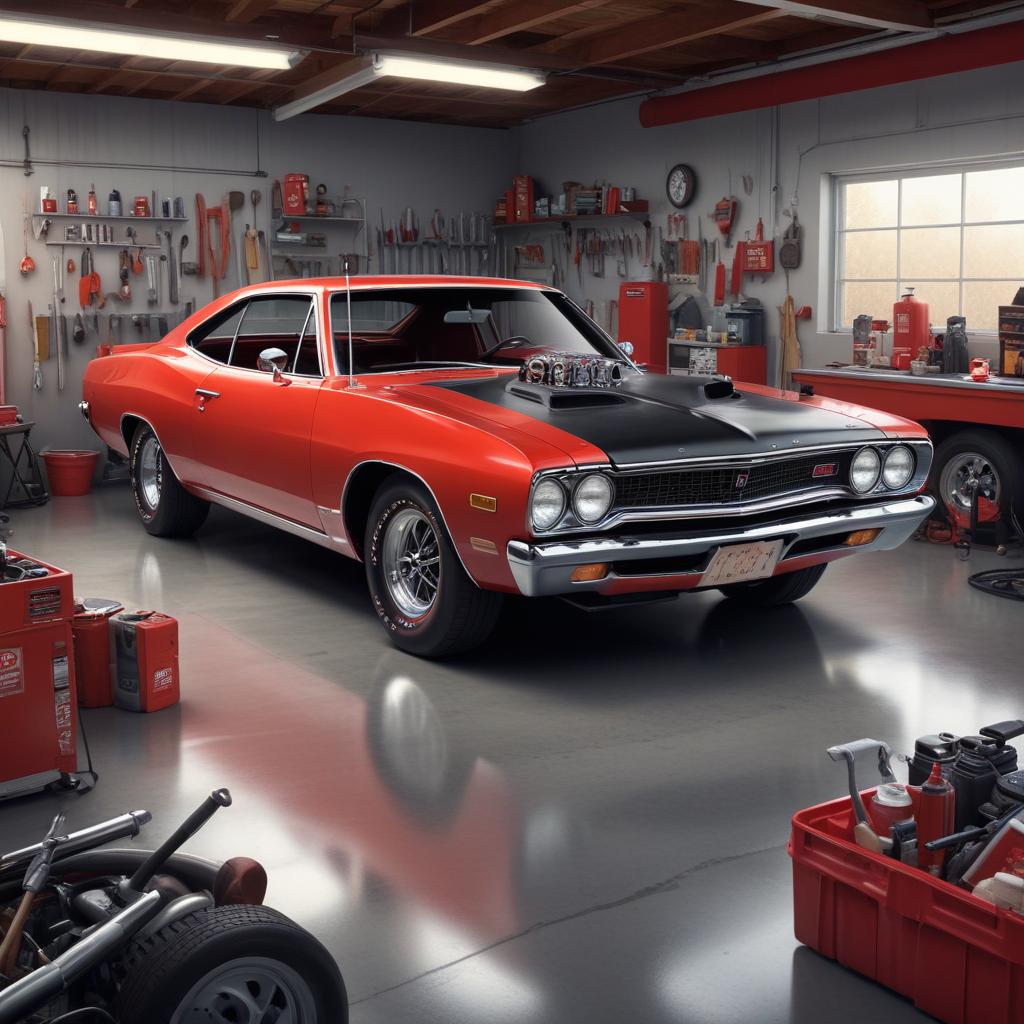
Introduction to Classic Plymouth GTX Care
The Plymouth GTX is an iconic symbol in the world of classic muscle cars. Introduced by Plymouth in the late 1960s, it quickly became a coveted model for enthusiasts due to its powerful engine options, aggressive styling, and performance capabilities that defined an era of American automotive history. The GTX was marketed as a “gentleman’s muscle car,” combining raw power with a degree of luxury, making it stand out among its competitors. Owning a Plymouth GTX is not just about having a vehicle; it’s about preserving a piece of muscle car heritage.
Classic car care, especially for muscle cars like the Plymouth GTX, requires specialized attention to maintain both the vehicle’s aesthetic appeal and its mechanical integrity. Muscle car maintenance involves understanding the unique components and engineering challenges that come with vintage vehicles. Unlike modern cars, classic vehicles demand regular checks on parts that might wear out over time, such as carburetors, drum brakes, and older electrical systems. Proper maintenance is crucial to keep the car running smoothly and to prevent deterioration that can reduce its value.
Preserving a Plymouth GTX goes beyond just functional upkeep; it is about retaining its historical value. The car’s original parts, paint, and interior elements contribute significantly to its worth among collectors. Specialists in vintage car restoration emphasize the importance of using original or period-correct parts during repairs. Muscle car enthusiasts often prioritize authenticity to ensure their Plymouth GTX remains a true representation of its era, which keeps the car desirable and valuable over time.
Moreover, caring for a vintage car like the Plymouth GTX ensures that it continues to deliver the exhilarating performance it was designed for. The powerful engines require attentive care to avoid issues such as overheating, fuel system clogging, or wear in the drivetrain components. Regular maintenance routines, including oil changes, tune-ups, and inspections, support the muscle car’s longevity and consistent performance. In essence, muscle car maintenance is both a passion and a commitment to honoring an automotive legend.
In summary, the Plymouth GTX holds a special place in the annals of muscle car history, and its preservation demands a dedicated approach to classic car care. With thorough and knowledgeable maintenance, owners can not only keep their vintage car in pristine condition but also savor the unparalleled driving experience that only a classic Plymouth GTX can offer.
Cleaning and Exterior Maintenance
Proper car cleaning and exterior maintenance are crucial for preserving the classic Plymouth GTX’s showroom shine and protecting its paintwork from rust and damage. Follow these step-by-step instructions to keep your classic car washing routine efficient and effective.
- Rinse Thoroughly: Begin by rinsing your Plymouth GTX’s exterior with clean water to remove loose dirt and debris. This step prevents scratching the paint during washing.
- Use a Gentle Car Shampoo: Select a high-quality car cleaning shampoo specifically designed for classic car finishes. Mix the shampoo with water in a bucket, then use a soft sponge or microfiber mitt to wash the car in sections from top to bottom.
- Rinse and Dry: After washing each section, rinse thoroughly with water to avoid residue buildup. Dry your vehicle with a clean microfiber towel or chamois cloth to prevent water spots on the paint.
- Clay Bar Treatment (Optional): For a deeper clean, use a clay bar to gently remove bonded contaminants from the paint surface. This step helps prepare your car for waxing by ensuring the paint is perfectly smooth.
- Wax Your Plymouth GTX: Applying a quality car wax shields the paint from environmental elements and enhances its shine. Use a foam applicator to apply wax in small circular motions, allow it to haze, then buff it off with a microfiber cloth.
- Protect Against Rust: Inspect your classic car’s exterior for any signs of rust or paint damage regularly. Address rust promptly by sanding and treating affected areas with rust inhibitor products to prevent spreading.
- Maintain Regularly: Incorporate classic car washing into your routine to maintain paint care. Avoid harsh chemicals and automatic car washes, as these can strip wax and damage sensitive paint finishes.
By following these steps diligently, your Plymouth GTX’s exterior will stay pristine, helping you preserve its value and beauty for years to come.
Washing Techniques for Classic Finishes
Proper washing techniques are essential to preserve the classic car paint and finishes of your Plymouth GTX. Start by using a high-quality, pH-balanced car shampoo specifically designed for classic cars. Avoid harsh detergents or household cleaners which can strip away protective wax and damage the delicate finish.
When it comes to tools, opt for a soft microfiber wash mitt or sponge to gently clean the surface without causing scratches. Always use two buckets during washing—one filled with the soapy solution and the other with clean water to rinse the mitt. This two-bucket method minimizes the risk of embedding dirt particles back onto the paint.
Rinse the car thoroughly with lukewarm water before washing to remove loose dirt and debris. After washing the entire vehicle with gentle cleaning motions, rinse again carefully to avoid leaving soap residue. It’s best to wash the car in the shade or during cooler parts of the day to prevent water spots from forming on the surface.
For drying, use a plush, clean microfiber drying towel or a professional-grade car dryer blower to avoid any scratching. Pat drying instead of rubbing helps protect the classic car paint. Following these car wash tips will help keep your Plymouth GTX’s finish looking pristine and well-maintained for years to come.
Waxing and Protecting the Paint
To maintain the classic car shine of your Plymouth GTX and protect its paint, regular waxing is essential. Start by thoroughly washing and drying the vehicle to remove any dirt or debris that could scratch the surface during waxing. Choose a high-quality car wax formulated for classic cars to ensure the best protection and shine. Apply the wax in small sections using a soft applicator pad, working in circular motions to evenly coat the paint. Allow the wax to haze before buffing it off with a clean, microfiber towel to reveal a brilliant, glossy finish.
Consistency in waxing not only enhances the paint’s shine but also provides a protective barrier against environmental elements like UV rays, road salt, and pollutants. This barrier is crucial in preventing oxidation, which can dull the paint over time. Moreover, waxing helps to seal the paintwork and minimize the risk of rust formation, preserving the car’s exterior integrity. For optimal results, wax your Plymouth GTX every three to four months, or more frequently if it’s often exposed to harsh conditions.
In addition to waxing, consider using paint protection products such as sealants or ceramic coatings for longer-lasting defense. However, nothing replaces the rich gloss and depth that quality car wax brings to a classic vehicle. Proper waxing is a labor of love that will keep your Plymouth GTX looking stunning and protect its value for years to come.
Mechanical Maintenance and Engine Care
Maintaining the mechanical integrity of your classic Plymouth GTX is essential to keep this muscle car running smoothly and reliably. Routine engine maintenance is the cornerstone of preserving the performance and longevity of the Plymouth GTX engine. Start with regular engine checks—inspect for any signs of leaks, worn belts, or unusual noises. Ensuring the engine components are in top shape will help avoid costly repairs and keep your classic car firing on all cylinders.
Oil changes are one of the most critical aspects of engine maintenance. For a classic muscle car like the Plymouth GTX, changing the oil at recommended intervals keeps the engine lubricated, reduces wear, and prevents overheating. Use high-quality oil suited for vintage engines, and always replace the oil filter during oil changes to keep contaminants out of the engine’s moving parts.
Beyond the engine, mechanical care extends to maintaining the transmission and brakes, both crucial for the car’s reliability and safety. Regularly check the transmission fluid levels and condition; if the fluid appears dark or burnt, it’s time for a change. Keeping the transmission healthy ensures smooth shifts and prevents damage to the drivetrain.
Brake maintenance is equally important. Inspect brake pads, rotors, and lines frequently for wear or leaks, and replace parts as needed. A properly maintained braking system guarantees that your Plymouth GTX responds well under various driving conditions, enhancing your control and safety on the road.
Following these key steps in engine maintenance and mechanical care will help your classic muscle car retain its value and performance. Regular attention to the Plymouth GTX engine, transmission, and brakes not only preserves the car’s classic appeal but also provides a dependable and enjoyable driving experience for years to come.
Engine Inspection and Oil Changes
Regular engine inspection is crucial for maintaining the performance and longevity of your classic Plymouth GTX. Begin by checking for any visible signs of leaks, worn belts, or damaged hoses. Listen for unusual noises when the engine is running, as they can indicate underlying mechanical issues. Inspect the spark plugs and ignition wires to ensure they are clean and functioning properly. Additionally, keep an eye on the coolant and other fluid levels to prevent overheating and electrical problems.
Performing timely oil changes is one of the most important aspects of engine care in classic cars like the GTX. Use high-quality motor oil designed specifically for classic muscle cars, which often require oils with higher zinc (ZDDP) content to protect older engine components. Ideally, change the oil every 3,000 miles or at least once a year, whichever comes first. Be sure to replace the oil filter during each oil change to maintain proper filtration and engine cleanliness.
When changing the oil, warm up the engine slightly to allow the oil to drain more completely. After draining, replace the drain plug securely before adding new oil. Use a funnel to avoid spills and add the recommended oil type and quantity specified in the Plymouth GTX manual. Regular engine inspection combined with consistent oil changes will keep your classic muscle car running smoothly and preserve its historic value for years to come.
Transmission and Brake System Upkeep
Maintaining the transmission and brake systems of your classic Plymouth GTX is crucial to ensuring smooth and safe operation of this iconic muscle car. Regular transmission care involves checking and changing the transmission fluid at recommended intervals to avoid overheating and wear, which can lead to costly repairs. Use the manufacturer-recommended transmission fluid and inspect the transmission filter to keep contaminants from damaging the system. Additionally, pay attention to any unusual slipping or rough shifting as these might indicate the need for professional servicing.
Brake maintenance is equally vital to the safety and performance of your classic vehicle. Classic car brakes require thorough inspection of brake pads, rotors, and drums for wear and tear. Replace brake components promptly when signs of thinning or scoring appear to maintain effective stopping power. Regularly bleed the brake lines to remove air bubbles and ensure consistent brake pressure, especially if the vehicle has older hydraulic systems. It’s also important to use brake fluid suitable for classic cars to prevent moisture buildup and corrosion inside the brake lines.
Keeping these systems in top shape is key to preserving the driving experience of your muscle car transmission and classic car brakes. Routine checks and timely maintenance not only enhance performance but significantly reduce the risk of unexpected mechanical failures. Whether you are cruising down the highway or parked at a car show, a well-maintained transmission and brake system ensures your Plymouth GTX remains a joy to drive and cherished as a classic muscle car.

Ever since I bought my first used pickup truck, I’ve been obsessed with finding the perfect blend of off-road capability and weekend comfort. I spend my free time exploring state parks and tinkering with restoration projects in my garage. My writing focuses on how vehicles can enhance your lifestyle and outdoor adventures.