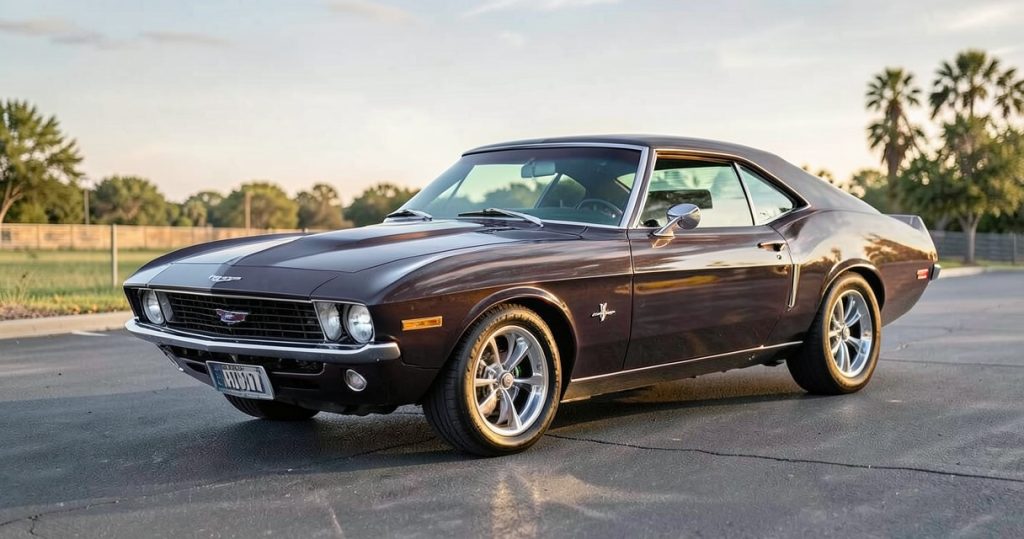
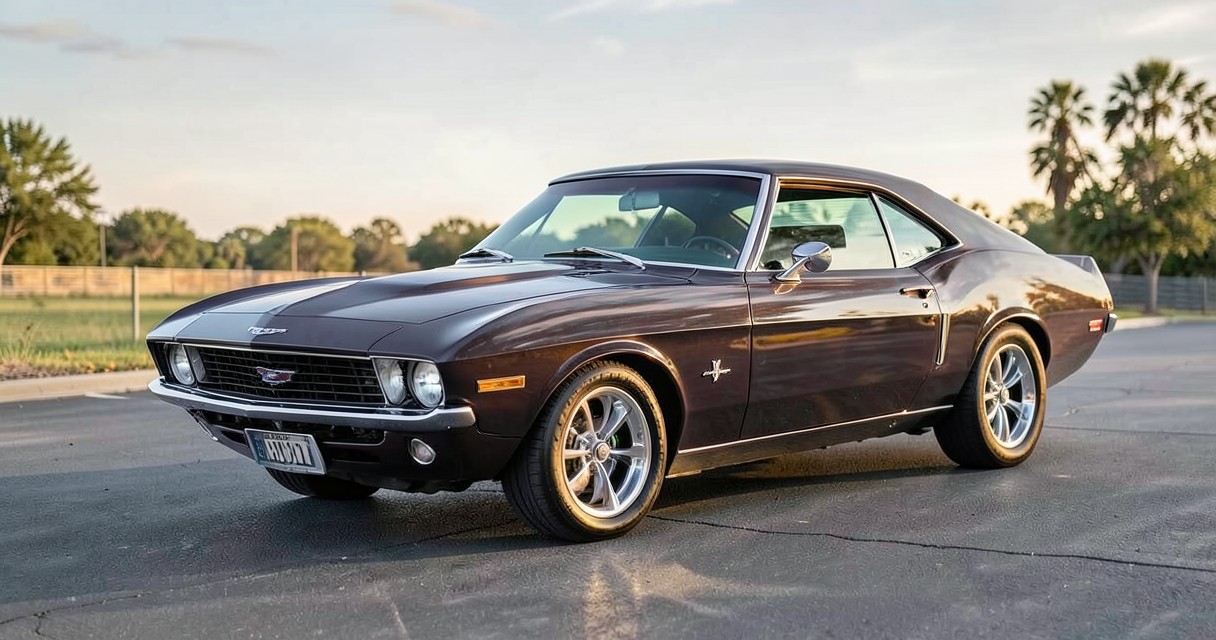
The Plymouth GTX is not just a car; it’s a symbol of an era in American automotive history that celebrates power, style, and performance. Introduced during the muscle car boom of the 1960s and 70s, the GTX quickly garnered a reputation for being a powerful contender on both the street and the racetrack. This article explores the origins of the Plymouth GTX, its significant role in automotive history, and its lasting impact on car enthusiasts and collectors today.
The Birth of the Plymouth GTX
The Plymouth GTX made its debut in 1967 as a high-performance variant of the Plymouth Belvedere. Marketed as “The Gentleman’s Muscle Car,” the GTX was designed to appeal to those who wanted both speed and sophistication. The car was equipped with a standard 375-hp 440 cubic inch V8 engine, which could be upgraded to the legendary 426 HEMI, delivering an astounding 425 horsepower. This power, combined with its sleek design and luxurious interior, positioned the GTX as a serious player in the muscle car market.
In its inaugural year, the GTX was a hit, selling over 14,000 units. Its combination of style and performance appealed to a demographic that appreciated the finer things in life but also craved the thrill of speed. The GTX quickly established itself as a formidable competitor against other muscle cars like the Chevrolet Camaro and Ford Mustang, setting the stage for its legacy.
The Design and Features of the GTX
The design of the Plymouth GTX was one of its most striking features. The car boasted a long hood, short deck, and an aggressive stance that signaled its performance capabilities. Unique styling elements included a distinctive grille, dual headlights, and bold stripe options that allowed owners to personalize their vehicles. Inside, the GTX offered a range of luxurious features such as bucket seats, a center console, and an optional AM/FM radio, making it a comfortable ride for both driver and passengers.
Beyond aesthetics, the GTX was engineered for performance. The car featured heavy-duty suspension and brakes, which helped it handle better than many of its contemporaries. Options like a four-speed manual transmission or an automatic made it versatile for different driving preferences. This blend of style, comfort, and performance made the GTX a favorite among car enthusiasts and collectors alike.
The GTX in Motorsports
The Plymouth GTX didn’t just excel on the streets; it also made its mark on the racetrack. The car’s robust powertrain and lightweight construction made it an excellent candidate for drag racing. Many GTX owners took their cars to the strip, where they could showcase their speed and compete against other muscle cars. The GTX quickly became a popular choice for amateur racers looking to make a name for themselves.

In addition to grassroots racing, the GTX was also involved in professional motorsports. It participated in events like the NHRA (National Hot Rod Association) drag racing series, where it competed against other high-performance cars of the era. The GTX’s success on the track helped solidify its reputation as a serious performance vehicle, further enhancing its desirability among car enthusiasts.
The Decline of the GTX
The decline of the GTX mirrored the fate of many muscle cars during this period. As performance began to take a backseat to fuel efficiency and practicality, the high-octane vehicles that defined the 1960s and early 70s became less common. However, the GTX’s legacy endured, as it remained a beloved classic among car collectors and enthusiasts who appreciated its history and performance.
The GTX’s Legacy in Classic Car Culture
Today, the Plymouth GTX is celebrated as a classic American muscle car that represents a unique period in automotive history. Its blend of power, style, and luxury continues to captivate collectors and enthusiasts alike. The GTX is often featured in classic car shows and events, where it draws admiration from those who appreciate its performance pedigree and striking design.
The GTX has also inspired a thriving aftermarket community, where enthusiasts restore and modify these vehicles to enhance their performance and aesthetics. Many owners invest significant time and resources into preserving their GTXes, ensuring that this piece of automotive history remains alive for future generations to enjoy. The car has become a symbol of the muscle car era, and its influence can be seen in modern performance vehicles that seek to capture the spirit of that time.
The GTX in Pop Culture
The Plymouth GTX has also made its mark in popular culture, appearing in various films, television shows, and music. Its status as a classic muscle car has led to numerous references in media, often symbolizing freedom, rebellion, and the thrill of the open road. The GTX has been featured in car shows, documentaries, and even video games, further solidifying its place in automotive lore.
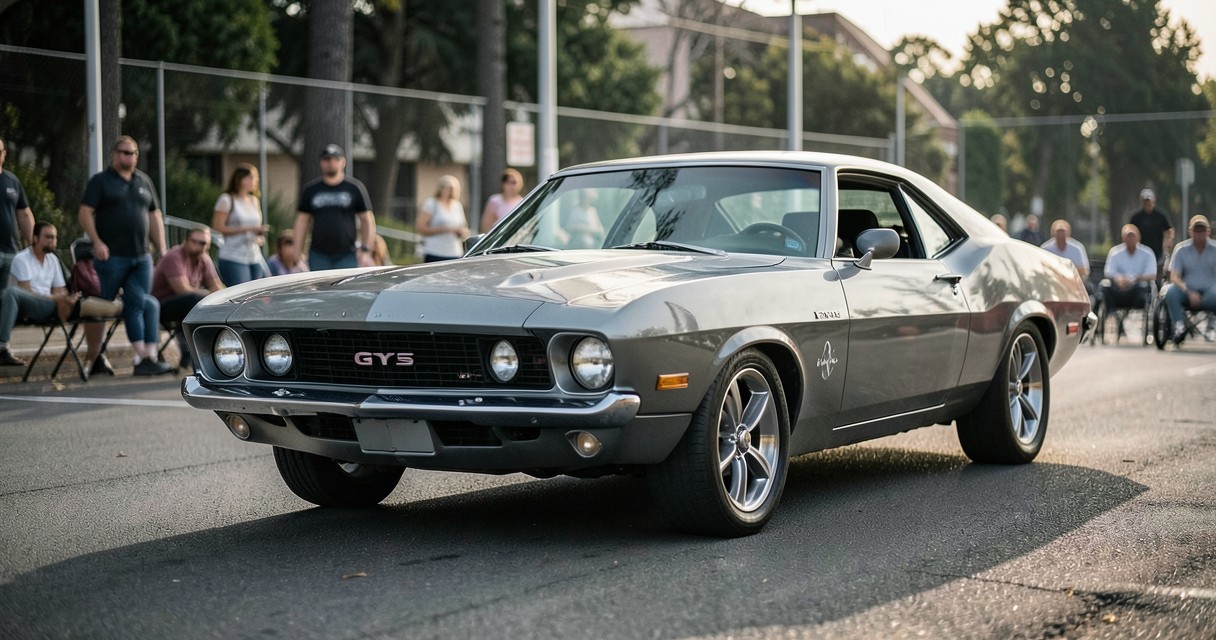
One notable appearance was in the iconic movie “Fast and Furious,” where classic muscle cars take center stage. Such portrayals have helped introduce the GTX to new generations of automotive enthusiasts, ensuring that its legacy continues to grow. As car culture evolves, the GTX remains a cherished icon, representing the power and excitement of American muscle cars.
Collecting and Restoring Plymouth GTX Vehicles
The market for classic Plymouth GTX vehicles has seen significant interest from collectors, with prices reflecting their desirability and historical significance. Restoring a GTX can be a rewarding endeavor for enthusiasts, as it allows them to connect with automotive history while also enjoying the thrill of working on a powerful machine. Finding original parts can be a challenge, but many aftermarket companies specialize in reproducing components to help with restoration projects.
Collectors often seek out specific models, such as the 1967 GTX with the HEMI engine, which is highly coveted due to its rarity and performance capabilities. The restoration process can range from simple cosmetic upgrades to complete overhauls, with many enthusiasts aiming to maintain the car’s original specifications. This dedication to preservation ensures that the legacy of the Plymouth GTX will continue, allowing future generations to appreciate this remarkable piece of automotive history.

Ever since I bought my first used pickup truck, I’ve been obsessed with finding the perfect blend of off-road capability and weekend comfort. I spend my free time exploring state parks and tinkering with restoration projects in my garage. My writing focuses on how vehicles can enhance your lifestyle and outdoor adventures.