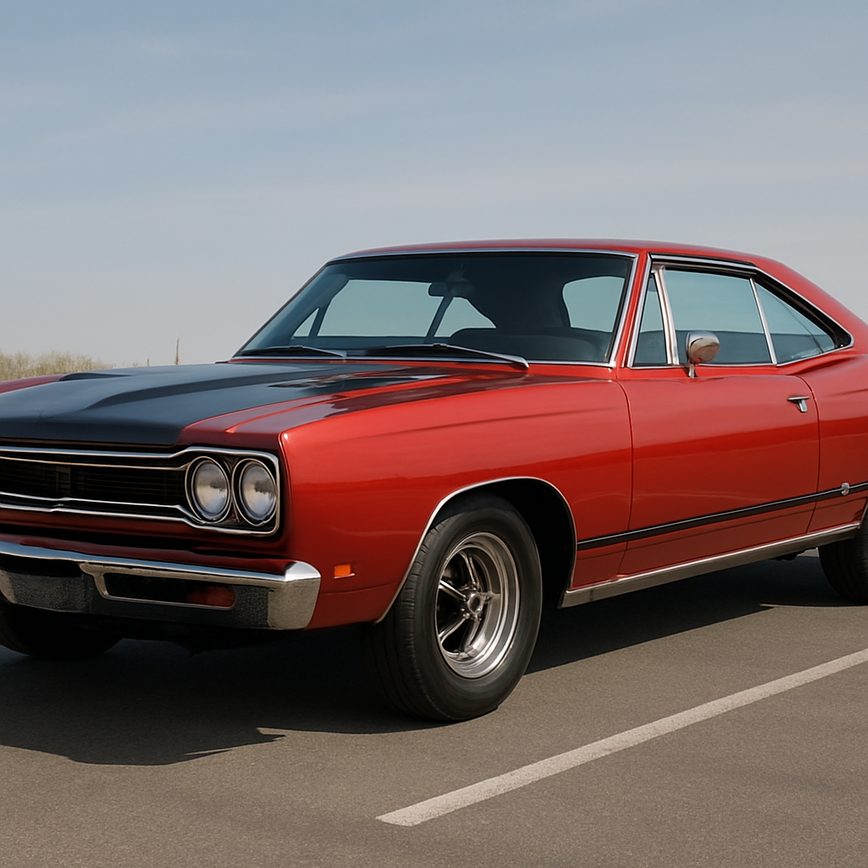
Overview of the Plymouth GTX
The Plymouth GTX holds a revered place in the annals of classic muscle cars, celebrated for its blend of performance, style, and engineering excellence. Introduced by Plymouth in 1967, the GTX was designed to be a “gentleman’s muscle car,” offering both power and a touch of refinement that set it apart from other aggressive muscle cars of the era. This model quickly carved out its niche by combining raw horsepower with a sleek, attractive design.
Historically, the Plymouth GTX was built on the Dodge Coronet platform but distinguished itself with a host of unique features that muscle car enthusiasts eagerly embraced. Its introduction came at a time when muscle cars dominated the American automotive scene, and Plymouth’s entry offered a compelling option with its focus on both performance and comfort. The GTX was powered initially by a robust 440 cubic inch V8 engine, known as the “Super Commando,” which delivered impressive horsepower figures and rapid acceleration. Later models even featured the legendary 426 HEMI, cementing the GTX’s reputation among muscle car fans.
Design-wise, the Plymouth GTX was marked by its bold but balanced aesthetics. It carried a distinctive grille, hood scoops, and sleek lines that conveyed speed and power without being overly aggressive. The interior complemented the exterior with bucket seats, deluxe instrumentation, and optional luxurious touches that elevated the driving experience. This melding of muscle with sophistication helped the GTX appeal to buyers who wanted performance without sacrificing comfort.
What truly makes the Plymouth GTX iconic among muscle car enthusiasts today is its excellent balance of power, style, and historical significance. It symbolizes an era when American carmakers poured innovation into muscle cars, producing vehicles that have become collector’s treasures. Enthusiasts admire the GTX not only for its engine roar and acceleration but also for its role in the evolution of muscle car culture. Whether on car show floors or in passionate collections, the Plymouth GTX continues to inspire admiration and respect, embodying the spirit of classic muscle cars in every rev and curve.
History and Evolution
The Plymouth GTX history marks an important chapter in the muscle car evolution of the late 1960s and early 1970s. Introduced in 1967 by Plymouth as a high-performance variant of the Belvedere, the GTX was marketed as a “gentleman’s muscle car,” combining powerful performance with upscale features. Its inception was aimed at enthusiasts seeking muscle car thrills with added comfort and style.
Produced from 1967 to 1971, the Plymouth GTX saw several key changes that cemented its place in classic car timeline. The first models came equipped with the legendary 440 cubic inch V8 engine, offering blistering speed and torque, which was a major reason it stood out among competitors. In 1968, Plymouth upgraded the GTX with cosmetic enhancements like new grille designs and performance improvements including optional Ramcharger air intakes.
As muscle car evolution continued, the 1969 and 1970 GTX models included more aggressive styling and standardized options like heavy-duty suspensions and upgraded transmissions, increasing the car’s appeal to performance seekers. In 1971, the GTX received further refinements, but that year marked the end of its production, slightly overshadowed by rising insurance costs and regulatory changes. Despite its relatively short run, the Plymouth GTX remains a standout icon in muscle car history, cherished for blending power, performance, and a distinctive style that perfectly captures the muscle car era.
Key Features and Performance
The Plymouth GTX is renowned for its exceptional specs that make it an iconic muscle car. One of the standout Plymouth GTX specs is its powerhouse engine options, which ranged from a robust 440 cubic inch V8 to the legendary 426 HEMI. These engines delivered impressive horsepower, with the 426 HEMI capable of producing up to 425 horsepower, ensuring thrilling acceleration and top-tier performance on the road.
Beyond raw power, the Plymouth GTX was designed with handling in mind. Its heavy-duty suspension system and performance-tuned chassis provided superior stability and handling, allowing drivers to confidently navigate both straightaways and tight corners. The car’s wide stance and muscular design elements not only contributed to its aggressive appearance but also enhanced road grip and aerodynamic efficiency.
Other muscle car features of the Plymouth GTX include its distinctive grille, hood scoops, and bold stripes, all of which underscored its performance-oriented nature. Inside, the GTX was equipped with high-back bucket seats and comprehensive gauges that provided drivers with critical information during spirited drives. This combination of powerful engine performance, enhanced handling, and striking design elements solidified the Plymouth GTX’s status as a true muscle car legend.
Plymouth GTX at Car Shows
The Plymouth GTX has secured its place as one of the most popular muscle cars showcased at classic car shows, drawing attention and admiration from both enthusiasts and collectors alike. At car shows across the country, Plymouth GTX displays are a highlight, celebrated for their striking design, powerful performance, and rich history in the muscle car era. This vehicle stands out not only for its aesthetic appeal but also for its embodiment of American automotive muscle culture, making it a favored attraction at muscle car events.
Attendees at car shows are often drawn to the Plymouth GTX because it represents a perfect blend of style and strength. The car’s aggressive stance, bold lines, and distinctive grille capture the essence of 1960s and 70s muscle cars, offering both nostalgia and excitement. Collectors value the Plymouth GTX for its rarity and historical significance — it was engineered to rival the best muscle cars of its time with impressive engine options and performance capabilities that delivered thrilling driving experiences. This legacy makes the GTX a centerpiece in any muscle car event, attracting crowds eager to witness automotive excellence.
Moreover, Plymouth GTX displays at car shows often highlight meticulously restored models, showcasing the dedication and passion of owners who invest significant effort into preserving these classic machines. Each car tells a story of careful craftsmanship and respect for heritage, which resonates deeply with the car show community. Muscle car events provide an ideal platform for sharing this passion, where owners and admirers can exchange knowledge, admire each other’s vehicles, and celebrate the cultural impact of muscle cars like the Plymouth GTX.
Collectors especially prize the Plymouth GTX for its combination of performance and rarity. Because fewer GTXs were produced compared to other muscle cars, each example is considered a valuable gem. This scarcity, coupled with the GTX’s authentic connection to the muscle car era, fuels its popularity at car shows and muscle car events. Fans of American muscle cars see the Plymouth GTX not just as a vehicle, but as a symbol of automotive history and innovation.
In summary, the Plymouth GTX remains a beloved fixture at car shows due to its iconic muscle car heritage, visually striking design, and powerful presence at muscle car events. Whether admired for its engineering, cherished for its rarity, or celebrated for its place in automotive culture, the GTX continues to captivate audiences and hold a special place in the hearts of car show enthusiasts and collectors worldwide.
Popular Car Shows Featuring the Plymouth GTX
The Plymouth GTX is a standout at numerous classic car shows and muscle car events across the country. Enthusiasts flock to these exhibitions to admire the powerful design and history of the GTX, making these car shows a must-visit for muscle car aficionados.
- Goodguys Rod & Custom Association Events: Known for its impressive turnout, the Goodguys events consistently feature Plymouth GTX exhibitions. With vibrant muscle car displays and drag racing demonstrations, these events attract thousands of visitors, creating an electrifying atmosphere for classic car lovers.
- Woodward Dream Cruise: Held annually in Michigan, this is the largest one-day classic car event in the world. The Plymouth GTX is a frequent sight among the muscle car events here, drawing enthusiasts from all over. The event highlights include a massive parade of restored muscle cars and live entertainment.
- SEMA Show: While primarily a trade show, SEMA showcases an array of muscle car restorations and modifications, with the Plymouth GTX often featured. Attendance includes industry professionals and dedicated car fans, making it a hub for muscle car innovation and display.
- Muscle Car and Corvette Nationals (MCACN): Taking place in Chicago, MCACN is renowned for its extensive display of muscle cars, including many Plymouth GTX models. The show offers detailed restoration contests, swap meets, and expert seminars, attracting tens of thousands of fans annually.
These events serve as prime venues for Plymouth GTX exhibitions, celebrating the legacy and continuing passion for this iconic muscle car.
Tips for Showcasing a Plymouth GTX
When preparing your Plymouth GTX for a car show, attention to detail is key. Start by thoroughly cleaning both the exterior and interior; a spotless vehicle naturally draws more eyes. Use high-quality cleaning and polishing products to enhance the paint’s shine and restore that classic glossy finish.
Next, consider the presentation inside the car. Clean and condition the seats, dashboard, and carpets to make the cabin inviting and highlight the car’s original features. Adding subtle lighting can also boost visual interest without being overwhelming.
Display accessories and documentation can also elevate your showcase. Bring along original manuals, restoration photos, and any awards the car has won. These items tell a story and engage judges as well as attendees interested in your Plymouth GTX’s history.
At the show, position your Plymouth GTX strategically. Opt for a spot with good lighting and enough space for viewers to walk around comfortably. Use a well-designed display board or stand to highlight key facts and unique features, making it easier for judges and visitors to appreciate the details.
Lastly, be present and ready to share your passion. Engaging with visitors by answering questions and discussing the restoration or maintenance process can set you apart. Remember, effective car show tips include combining visual appeal with personal enthusiasm for the best classic car presentation.
Community and Enthusiast Resources
For Plymouth GTX owners and muscle car enthusiasts, connecting with like-minded individuals is a vital part of the ownership experience. There are numerous Plymouth GTX clubs that serve as hubs for fans to come together, share their passion, and exchange valuable knowledge about these iconic vehicles. These clubs often organize events, meetups, and car shows that provide fantastic opportunities for owners to showcase their cars and learn from others.
One of the best ways to stay informed and involved in the muscle car community is through online forums dedicated to Plymouth GTX and classic muscle cars in general. These forums offer a wealth of enthusiast resources, including technical advice, restoration tips, and discussions about rare parts. Participating in these forums connects you with experts and hobbyists who are eager to help and share their experiences.
Many Plymouth GTX clubs have strong online presences with websites and social media pages that keep members updated on upcoming car shows, swap meets, and regional gatherings. These platforms are invaluable for discovering events where muscle car fans can converge, admire each other’s vehicles, and exchange stories. Being part of these networks also opens doors to exclusive club benefits such as newsletters, classified ads for hard-to-find parts, and access to specialized tools.
Beyond clubs and forums, there are a variety of enthusiast resources available through dedicated muscle car magazines, blogs, and YouTube channels. These outlets often feature restoration projects, historical insights about the Plymouth GTX, and coverage of major muscle car events across the country. They serve as excellent tools for both new and seasoned owners looking to deepen their appreciation and understanding of this legendary muscle car.
In summary, the Plymouth GTX clubs, online forums, and various enthusiast resources form a vibrant muscle car community where fans can thrive. Whether you are seeking help with a restoration project, want to attend a local car show, or simply wish to connect with others who share your passion, these resources are key to enriching your Plymouth GTX experience and keeping the spirit of muscle cars alive.
Joining Plymouth GTX Clubs
Joining Plymouth GTX clubs offers a unique opportunity for muscle car enthusiasts to connect with like-minded individuals who share a passion for this iconic vehicle. These clubs provide numerous benefits, including access to exclusive events, valuable technical knowledge, and a sense of community among fellow car lovers. Members often find support for restoration projects, advice on maintenance, and chances to showcase their vehicles.
The types of activities involved in Plymouth GTX clubs vary widely, encompassing car shows, cruise-ins, meetups, track days, and restoration workshops. Members may also participate in charity events, parades, and car competitions, which enhance the camaraderie and excitement of club membership. Many clubs host annual gatherings where car enthusiasts can display their Plymouth GTX models, exchange stories, and network with muscle car groups across the country.
Enthusiasts can participate by simply joining a local or national Plymouth GTX club, often through their websites or social media platforms. Contributions can range from volunteering to help organize events, sharing expertise, or even documenting restoration projects to inspire newcomers. By engaging actively, members not only preserve the legacy of the Plymouth GTX but also foster a vibrant community that keeps the spirit of muscle cars alive for future generations.

Ever since I bought my first used pickup truck, I’ve been obsessed with finding the perfect blend of off-road capability and weekend comfort. I spend my free time exploring state parks and tinkering with restoration projects in my garage. My writing focuses on how vehicles can enhance your lifestyle and outdoor adventures.