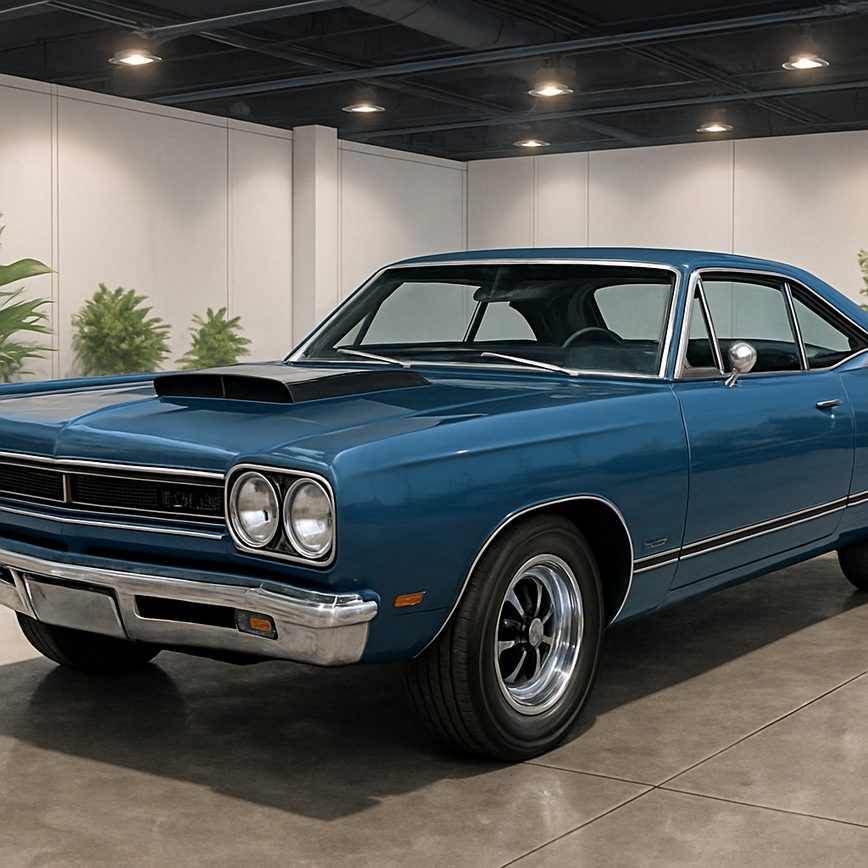
Understanding the Plymouth GTX and Exhibition Requirements
The Plymouth GTX is a classic American muscle car that holds a revered place in automotive history, especially among car enthusiasts and collectors. Produced by Plymouth from 1967 to 1971, the GTX was designed as a high-performance, mid-sized vehicle that combined power with style. Known for its sleek lines, powerful engines, and superior handling, the Plymouth GTX remains a standout model in classic car shows and exhibitions. Its legacy continues to attract attention at car exhibitions, where owners showcase their vehicles to celebrate automotive heritage and craftsmanship.
When preparing a Plymouth GTX for car exhibitions, it’s essential to understand the common requirements that judges and enthusiasts expect. Exhibitions generally have strict standards for show cars which revolve around three main criteria: appearance, originality, and condition. Each of these factors plays a crucial role in how well the vehicle is received and judged during classic car shows.
Appearance is often the first thing that draws attention to any show car. For the Plymouth GTX, this means that the exterior and interior should be immaculate, with paintwork that is either perfectly restored or well-maintained in its original finish. The body panels need to be straight and free from dents or rust, while the chrome, trim, and detailing should be polished to a high shine. Tires and wheels must be appropriate for the model and in excellent condition, adding to the overall aesthetic appeal of the vehicle.
Originality is another key requirement at car exhibitions. Authenticity in components and design is highly valued, so maintaining or restoring the Plymouth GTX with original factory parts or accurately reproduced components will score well. Modifications are generally discouraged unless they are period-correct or enhance the vehicle’s safety and functionality without compromising its original character. Documentation verifying the car’s history and originality is also beneficial during judging.
Lastly, the condition of the car must be exceptional. This encompasses not only the visual and aesthetic aspects but also the mechanical and functional elements of the Plymouth GTX. A show car should run smoothly, and all features—such as lights, gauges, windows, and seats—must operate correctly. Judges at classic car shows look for vehicles that appear as though they could be driven off the exhibition floor and onto the road without any issues.
In summary, understanding these standards—appearance, originality, and condition—will help any Plymouth GTX owner effectively prepare their vehicle for exhibition. Meeting these criteria not only increases the chances of success at classic car shows but also honors the rich legacy of this iconic muscle car.
History and Significance of the Plymouth GTX
The Plymouth GTX holds a distinguished place in the realm of classic American muscle cars, representing a powerful synthesis of performance and style. Introduced in 1967 by Plymouth, a division of Chrysler, the GTX was originally marketed as a “gentleman’s muscle car,” combining aggressive muscle car performance with a touch of luxury and sophistication. It was produced through 1971, covering a brief but impactful production period that captured the essence of the muscle car era.
The Plymouth GTX history is marked by its impressive engine options, including the robust 440 cubic-inch V8 engine and the legendary 426 HEMI, appealing to car enthusiasts who sought high performance without sacrificing comfort. Throughout its production years, the GTX was recognized for blending speed, handling, and upscale features, which elevated it above many of its contemporaries and solidified its muscle car heritage.
Its classic car significance extends beyond mere performance specs—the Plymouth GTX stands as a cultural icon that reflects the muscle car boom of the late 1960s and early 1970s. The car symbolizes American automotive ingenuity and the passion for powerful vehicles that defined a generation. This cultural importance makes the Plymouth GTX a highly relevant and prized exhibit in car shows and exhibitions, drawing enthusiasts who appreciate both its historical and engineering value.
Typical Exhibition Standards for Classic Cars
When preparing a Plymouth GTX or any classic muscle car for exhibitions, understanding car show standards is essential for success. Most exhibitions have clearly defined vehicle preparation rules that emphasize authenticity, cleanliness, and safety. Cars are expected to maintain original or period-correct parts and finishes, reflecting the era the vehicle represents. Judges will closely scrutinize details such as paint quality, trim condition, engine bay presentation, and interior originality.
Exhibition judging criteria typically focus on several key areas: authenticity, condition, and presentation. Authenticity assesses whether the car retains original components or correctly restored replacements that match factory specifications. Condition evaluates the quality of restoration or maintenance, including paintwork, chrome, upholstery, and mechanical integrity. Presentation considers how well the vehicle is displayed, including cleanliness and attention to detail, since a spotless engine compartment and well-kept interior can significantly influence judging outcomes.
Additional car show standards may require participants to follow specific safety regulations, such as ensuring fuel lines and electrical systems meet safety codes. Some shows also have restrictions on modifications, encouraging originality over customization. Knowing these rules and exhibition judging criteria ensures that your Plymouth GTX meets the expectations of judges and enthusiasts alike, ultimately improving your chances of earning accolades at car shows.
Step-by-Step Preparation Process for Exhibiting a Plymouth GTX
-
Initial Cleaning and Detailing: Begin your car preparation by thoroughly washing the Plymouth GTX. Use high-quality car wash soaps and microfiber mitts to avoid scratching the paint. After washing, dry the car properly using microfiber towels. Follow this with a detailed Plymouth GTX detailing session that includes claying the paint to remove embedded contaminants and polishing to restore the shine. Use a quality wax or sealant to protect the finish and enhance its gloss, essential for exhibition shine.
-
Interior Cleaning and Restoration: Pay close attention to the interior. Vacuum carpets, seats, and mats meticulously. Clean and condition all leather or vinyl surfaces, ensuring they look pristine. Use appropriate cleaners on dashboard components, glass, and chrome accents. The goal is to present a spotless and inviting interior that enhances the vehicle’s appeal at any show car cleaning standard.
-
Engine Bay Cleaning and Inspection: Carefully clean the engine bay by protecting sensitive electrical parts and using degreasers to remove oil and grime. Rinse gently and dry. Inspect all mechanical components for leaks, corrosion, or wear. Proper engine bay presentation is crucial in exhibitions and reflects the overall care given to the vehicle.
-
Mechanical Tuning and Performance Checks: Conduct a comprehensive vehicle inspection covering fluid levels, brakes, suspension, and tire condition. Tune the engine as needed to ensure smooth and reliable operation during the exhibition. Check and adjust timing, carburetor settings, and ignition systems to optimize performance and reliability.
-
Final Touches and Transportation Preparation: Before the exhibition, add final touches like polishing chrome accents and cleaning wheels and tires with detailer products that provide a high shine. Inspect for any minor blemishes and address them promptly. Ensure the Plymouth GTX is securely and safely loaded for transportation, taking care to avoid damage during transit. This last step is vital for maintaining the show car’s impeccable presentation.
Cleaning and Detailing the Exterior
Achieving a show-quality finish for your Plymouth GTX starts with meticulous car washing to remove all dirt, grime, and contaminants. Use a high-quality car shampoo with a pH-balanced formula to protect the paint while ensuring a thorough cleanse. Employ the two-bucket method to minimize swirl marks and use microfiber mitts for gentle yet effective cleaning. After rinsing, dry the surface completely with a microfiber towel to prevent water spots.
Next, focus on paint polishing to restore the original gloss and depth of your Plymouth GTX’s finish. Begin with a clay bar treatment to eliminate any bonded surface impurities. Then, apply a fine polish using a dual-action polisher, working in small sections to evenly refine the paint surface. This step helps remove minor scratches, oxidation, and swirl marks, preparing the surface for waxing.
Chrome detailing is essential for enhancing the classic appeal of your GTX. Clean chrome parts with a dedicated chrome cleaner and use a soft cloth to buff away tarnish and light rust spots. Follow up with a chrome polish to restore a mirror-like shine, taking care not to scratch the surfaces.
Exterior restoration should include attention to all trim pieces, rubber seals, and glass surfaces. Use trim restorer products to rejuvenate faded plastic and rubber, and apply glass cleaner to achieve crystal-clear windows. These finishing touches ensure your Plymouth GTX looks impeccable from every angle, ready to impress at any exhibition.
Interior Restoration and Presentation
When preparing your Plymouth GTX for exhibitions, meticulous car interior detailing is essential to impress judges and onlookers alike. Begin with a thorough cleaning of every surface, paying close attention to dust and grime buildup on the dashboard, door panels, and other trim pieces. Use gentle, non-abrasive cleaners specifically designed for vintage cars to preserve the original materials while achieving a showroom shine.
Seat restoration is a critical component of the interior overhaul. Inspect the upholstery for tears, discoloration, or wear. If needed, repair or replace seat covers with high-quality materials that match the original design and color. Consider conditioning leather or vinyl seats to restore suppleness and protect them against cracking during exhibits.
Dashboard cleaning deserves special attention since it is a focal point in the show car interior. Carefully clean gauges, knobs, and vents, avoiding excess moisture that could damage electrical components. Applying a UV protectant will help maintain the dashboard’s appearance and prevent fading under exhibition lighting.
Finally, enhance the overall presentation by adding thoughtful details such as polished chrome accents, well-fitted floor mats, and organized cabin spaces. A pristine, well-restored interior not only complements the car’s exterior beauty but also elevates the entire exhibition experience by showcasing the authenticity and care invested in your Plymouth GTX.
Mechanical Check and Performance Tuning
Before showcasing your Plymouth GTX at any car show, performing a thorough mechanical check is essential to ensure car show readiness. Begin with a detailed engine tuning session; check spark plugs, ignition timing, fuel system, and air filters to guarantee the engine runs smoothly and efficiently. Proper engine tuning not only improves performance but also enhances reliability during exhibitions.
Brake inspection is equally critical for safety and operational assurance. Inspect brake pads, discs, and fluid levels to ensure optimal stopping power. Replace any worn components and bleed the brake system if necessary to avoid any issues while driving the car to or from the exhibition.
Next, conduct a comprehensive fluid check, including engine oil, transmission fluid, coolant, brake fluid, and power steering fluid. Maintaining appropriate fluid levels and using fluids with the correct specifications helps prevent mechanical failures and keeps the vehicle running at peak performance.
By thoroughly completing these mechanical inspections and tune-ups, you will ensure your Plymouth GTX maintains reliable operation and delivers optimal performance throughout the exhibition. This preparation reflects the care you’ve invested in your classic car and helps you make a strong impression at any car show.

Ever since I bought my first used pickup truck, I’ve been obsessed with finding the perfect blend of off-road capability and weekend comfort. I spend my free time exploring state parks and tinkering with restoration projects in my garage. My writing focuses on how vehicles can enhance your lifestyle and outdoor adventures.