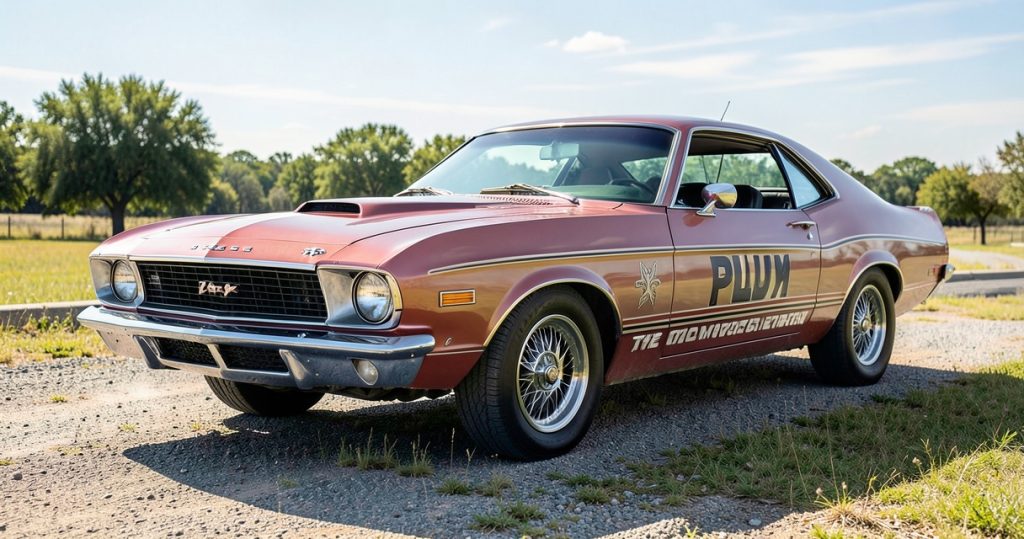
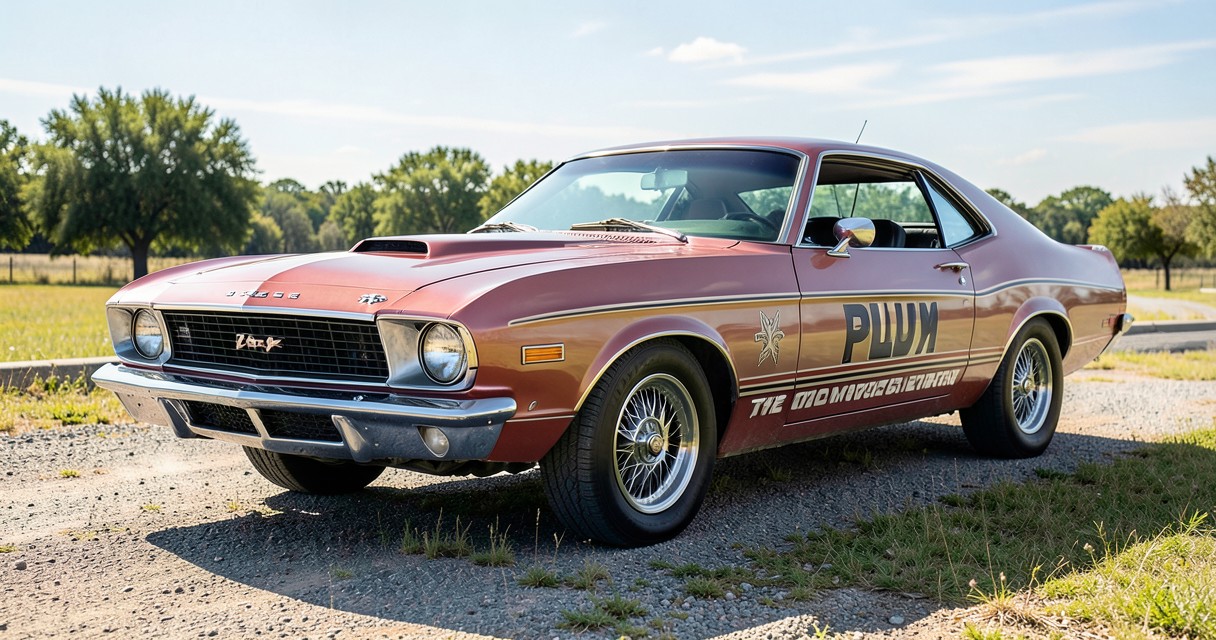
The Plymouth GTX emerged in the late 1960s as a direct response to a growing demand for a high‑performance muscle car that could also serve as a weekend cruiser. From the outset, engineers at the Chrysler Assembly Plant in Michigan were tasked with blending raw power, aggressive styling, and reliable daily usability into a single package. The result was a vehicle that combined a sturdy B‑body platform with a range of big‑block V8 options, making it a favorite among drag strip enthusiasts and road‑trip lovers alike. Understanding how the GTX was built provides insight into the craftsmanship and engineering decisions that defined an era of American automotive ambition.
Concept and Market Positioning
When Plymouth introduced the GTX in 1967, the company aimed to capture buyers who wanted more than a standard two‑door hardtop but were not ready to pay the premium for a full‑size luxury model. The GTX sat between the standard Belvedere and the high‑performance Road Runner, offering a unique blend of comfort features such as upgraded upholstery and a more refined dashboard layout. Marketing materials highlighted the car’s “muscle‑car heart with a gentleman’s touch,” a phrase that resonated with drivers seeking both speed and style. Production numbers reflect this positioning, with roughly 3,500 units built between 1968 and 1971, a modest figure that has helped the GTX maintain a cult following among collectors.
Design engineers focused on creating a visual identity that set the GTX apart without alienating the broader Plymouth customer base. The front end featured a distinctive grille with a horizontal bar and dual headlights, while the rear showcased a pronounced tail‑pipe arrangement that hinted at the car’s performance potential. Paint options included bold colors like bright orange and deep green, each paired with contrasting roof hues to accentuate the vehicle’s muscular lines. These styling choices were not merely aesthetic; they served to reinforce the GTX’s reputation as a car that could dominate a quarter‑mile strip and still turn heads at a drive‑in diner.
Body Shell and Sheet Metal Forming
The GTX’s body was built on Chrysler’s B‑body platform, a versatile chassis that underpinned a variety of models from the Dodge Charger to the Plymouth Road Runner. Sheet metal stamping plants employed large hydraulic presses to shape the steel panels, a process that required precise control over metal thickness to balance rigidity with weight considerations. The doors, fenders, and roof panels were welded together using spot‑welding techniques that minimized distortion while ensuring a strong seam. After the primary welding stage, the assembled shell moved to a jig where alignment pins guaranteed that panel gaps remained within tight tolerances, a crucial factor for both aerodynamic performance and visual quality.
Following the primary assembly, the body shell underwent a series of paint and finish steps that were critical to the GTX’s final appearance. A primer coat protected the underlying steel from corrosion, after which a base coat was applied using a spray booth equipped with temperature and humidity controls. The final clear coat not only added gloss but also provided a layer of protection against road salts and UV exposure. Throughout this process, quality inspectors used visual and tactile methods to detect any imperfections, ensuring that each GTX left the plant met the brand’s exacting standards.
Powertrain Development: The 440 and Dual‑Quad
At the heart of the GTX lay the 440 cubic inch V8, a powerhouse that delivered 350 horsepower and 390 foot‑pounds of torque in its standard configuration. This engine featured a forged‑steel crankshaft, high‑strength connecting rods, and a high‑lift camshaft designed to maximize airflow at high RPMs. The cylinder heads employed a “dual‑quad” intake manifold, a design that split the airflow into two separate paths for each bank of cylinders, effectively improving volumetric efficiency. This dual‑quad system, combined with a four‑barrel carburetor, allowed the engine to achieve impressive acceleration figures, with many period tests showing a 0‑60 time in the low‑seven‑second range.
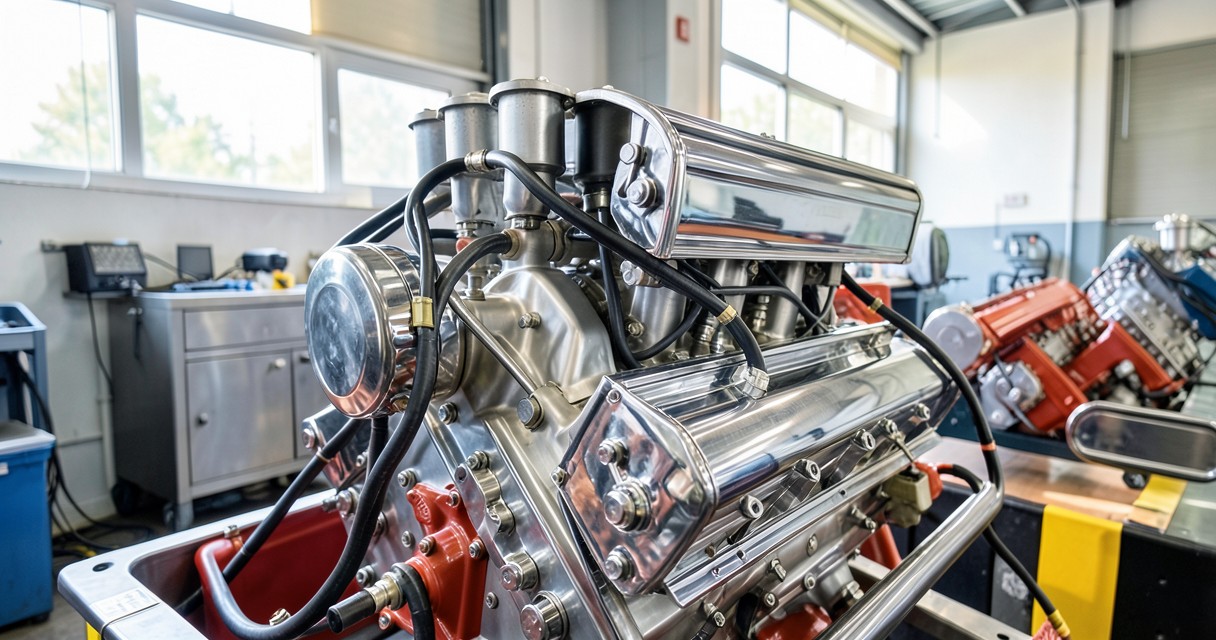
To support the engine’s performance, the GTX incorporated a heavy‑duty cooling system that included a larger radiator, an electric fan, and an oil cooler mounted in front of the transmission. The exhaust system featured a chrome‑finished dual‑pipe configuration that not only enhanced the car’s aggressive sound but also reduced back‑pressure, contributing to the engine’s power output. Engineers also tuned the ignition system with a high‑energy distributor and a set of performance‑grade spark plugs, ensuring reliable combustion under the extreme conditions of drag racing and spirited road driving.
The Exotic 426 Hemi Build Process
While the majority of GTXs were equipped with the 440 engine, a rare subset received the legendary 426 Hemi, a powerplant that has become synonymous with Mopar performance. Only eleven Hemi‑powered GTXs were ever built, making them some of the most coveted examples of the model line. The Hemi’s hemispherical combustion chambers required a specialized cylinder head casting process, involving high‑temperature alloy pours and precise machining to achieve the characteristic dome shape. Each head was then hand‑finished to ensure the valve seats were perfectly aligned, a step that demanded the skill of experienced machinists.
Installing the Hemi into the GTX required modifications to the engine bay, including a widened firewall opening and reinforced crossmembers to handle the additional weight and torque. The fuel delivery system was upgraded to a larger carburetor and a high‑flow fuel pump, while the ignition timing was calibrated to accommodate the Hemi’s unique combustion characteristics. After assembly, each Hemi‑powered GTX underwent a series of dyno runs on the factory test track, where engineers fine‑tuned the air‑fuel mixture and ignition curves to extract the maximum horsepower without compromising reliability.
Transmission, Transfer Case, and Driveline Assembly
The standard GTX transmission was a three‑speed automatic equipped with a torque converter that provided smooth shifts and strong low‑end pull. For buyers seeking a more engaged driving experience, a four‑speed manual gearbox was available, featuring a close‑ratio gear set that kept the engine within its power band during acceleration. The manual transmission’s clutch assembly used a heavy‑duty pressure plate and a friction disc designed to handle the high torque output of the 440 and Hemi engines without slipping.
Regardless of the transmission choice, the driveline incorporated a sturdy rear axle with a limited‑slip differential, a component that helped distribute power evenly to both rear wheels during hard launches. The driveshafts were forged from high‑strength steel and balanced to reduce vibration at high speeds. Assembly technicians used a torque wrench to secure all bolts to factory‑specified values, a practice that ensured the drivetrain remained reliable under the stresses of both street and track use.
Suspension, Braking System, and Final Trim
The GTX’s suspension architecture combined a front coil‑spring setup with an independent rear leaf‑spring arrangement, a configuration that provided a blend of comfort and handling precision. Front shock absorbers were tuned to a medium‑damping rate, allowing the car to absorb road imperfections while maintaining stability during cornering. Rear suspension geometry was calibrated to reduce axle hop, a common issue in high‑torque vehicles, by using reinforced spring shackles and a rear anti‑roll bar that linked the leaf springs.
Stopping power was addressed with front disc brakes that featured ventilated rotors and four‑piston calipers, delivering consistent bite even under repeated hard braking. Rear drums were equipped with a self‑adjusting mechanism that maintained even wear across the brake shoes. Final assembly involved installing interior components such as sport‑style seats, a dash with a tachometer and dual gauges, and a vinyl‑wrapped steering wheel. Each of these elements was inspected for fit and finish before the vehicle rolled out of the assembly line, ready to be driven by enthusiasts who appreciated the GTX’s blend of raw power and thoughtful engineering.

Ever since I bought my first used pickup truck, I’ve been obsessed with finding the perfect blend of off-road capability and weekend comfort. I spend my free time exploring state parks and tinkering with restoration projects in my garage. My writing focuses on how vehicles can enhance your lifestyle and outdoor adventures.