

Introduction to Driving Comfort in the Plymouth GTX
The Plymouth GTX stands as an iconic classic muscle car that captured the spirit of American performance during its production run from 1967 to 1971. Built on the Belvedere platform, it delivered potent V8 power alongside a distinctive fastback design that appealed to drivers craving both speed and presence on the road. Today, this vehicle remains a favorite among collectors who value its blend of muscle car heritage and surprisingly thoughtful engineering.
Historical context shows that Plymouth developed the GTX during the peak of the muscle car era, when buyers began expecting more than straight-line acceleration. Engineers incorporated upgrades such as improved suspension tuning and supportive seating to enhance overall usability. These changes reflected a growing awareness that long-term enjoyment depended on more than horsepower alone, helping the model stand out from pure track-focused rivals of the period.
Driving comfort matters deeply for enthusiasts because it directly shapes the ride experience in a classic muscle car. Without attention to vibration control, seat ergonomics, and cabin refinement, even the most powerful vehicles can become tiring during extended drives. The Plymouth GTX addressed these concerns through deliberate design choices that allowed owners to enjoy spirited performance without sacrificing daily drivability or long-distance capability.
In the sections that follow, readers will learn how specific features elevated driving comfort in the Plymouth GTX. We will examine suspension geometry, interior materials, noise insulation, and other elements that contributed to a balanced ride experience. This exploration highlights why the model continues to attract attention from those who appreciate both the thrill of classic muscle car power and the practical benefits of thoughtful comfort engineering.
Ergonomic Seating and Interior Design
The Plymouth GTX stands out for its thoughtfully engineered GTX seating that prioritizes interior comfort on long drives. Premium vinyl upholstery covers supportive foam cushions designed to reduce fatigue, while the Plymouth interior incorporates subtle bolstering to maintain proper posture throughout extended highway travel.
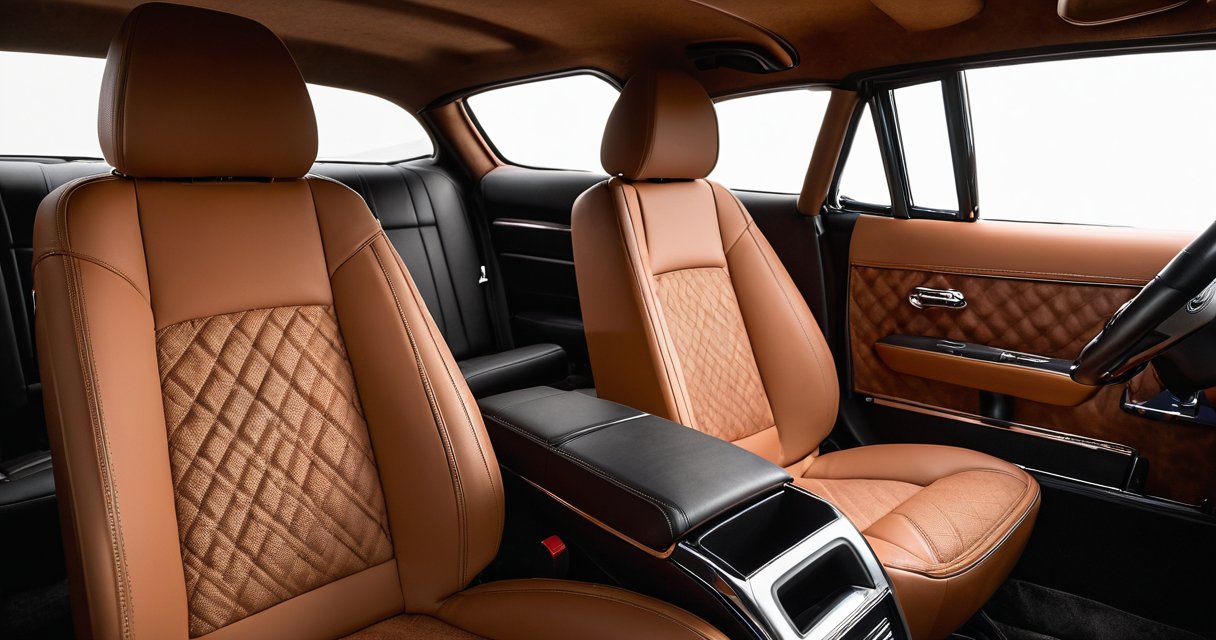
Adjustability options in the GTX seating include multi-position recline levers, sliding tracks for fore-aft movement, and height controls that accommodate drivers of varying statures. These features form the core of the model’s ergonomic design, allowing precise customization so occupants can maintain an optimal driving position without strain.
Beyond the seats themselves, the Plymouth interior layout contributes significantly to overall interior comfort. Spacious legroom and a driver-focused dashboard minimize reach distances, while strategically placed armrests and supportive seatbacks enhance relaxation during hours behind the wheel. The ergonomic design extends to intuitive control placement that keeps eyes on the road.
Additional elements such as breathable seat fabrics and integrated lumbar support further elevate the GTX seating experience. These details work together to create a cabin environment where fatigue is minimized, making the Plymouth GTX particularly well-suited for cross-country trips where sustained comfort is essential.
Overall, the combination of quality materials, flexible adjustments, and intelligent Plymouth interior architecture delivers a refined driving experience. Owners consistently note how the ergonomic design reduces physical stress, allowing full enjoyment of the vehicle’s performance without compromising on long-distance interior comfort.
Premium Seat Materials and Support
The Plymouth GTX stands out for its refined interior, where GTX upholstery plays a central role in delivering lasting comfort. High-grade leather seats form the foundation of this design, offering a supple surface that resists wear while providing a premium tactile experience during long hours behind the wheel.
Padding technologies within these seats emphasize cushioning comfort through layered foam constructions that adapt to body contours. This approach distributes weight evenly, reducing pressure points and allowing both driver and passengers to maintain relaxation over extended drives without shifting positions frequently.
Seat support systems further enhance the experience with integrated lumbar mechanisms that promote proper posture. Adjustable bolsters and reinforced frames work together to stabilize the torso, minimizing fatigue even when navigating winding roads or highway stretches for hours at a time.
Owners often note how the combination of durable leather seats and thoughtful engineering in GTX upholstery creates an inviting cabin atmosphere. The materials resist temperature fluctuations while the padding and support features maintain consistent performance, turning potential discomfort into sustained enjoyment.
Overall, these elements reflect careful attention to ergonomics that prioritize real-world use. From the breathable qualities of the leather seats to the precise cushioning comfort and robust seat support, the Plymouth GTX ensures that every journey feels composed and comfortable from start to finish.
Suspension and Ride Quality Features
The Plymouth GTX boasted an impressive suspension setup designed to provide both comfort and sporty dynamics. At the heart of this system was the GTX suspension, which utilized torsion bars at the front and leaf springs at the rear. These elements worked together to offer excellent load-carrying capacity and responsive handling, all while contributing to a smooth ride on various road conditions. High-quality bushings and heavy-duty control arms further refined wheel control, allowing the car to maintain composure over imperfections without transmitting harsh feedback to the cabin.
Advanced shock absorbers were a key feature, delivering outstanding shock absorption that effectively neutralized road vibrations. By controlling the rebound and compression rates, these shocks ensured that the vehicle maintained stability and composure, greatly enhancing handling comfort for the driver and passengers alike. The valving was calibrated specifically for the GTX’s weight and power, striking an ideal balance between firmness for cornering and suppleness for everyday cruising.
The chassis design incorporated several innovative aspects to support this balanced performance. Reinforced frame sections and strategic placement of crossmembers added to the structural integrity, reducing unwanted flex and improving overall ride quality. This design philosophy allowed the GTX to feel planted on the road, offering confidence-inspiring handling without the harshness often associated with high-performance vehicles of the era. Additional sound-deadening materials integrated into the chassis helped isolate road noise, creating a quieter and more relaxing cabin environment.
Additionally, the suspension components included adjustable settings in some variants, allowing owners to fine-tune their ride preferences. From softer settings for daily commuting to firmer ones for enthusiastic driving, the versatility was remarkable. This adaptability underscored the thoughtful engineering behind the Plymouth GTX’s driving comfort, ensuring the smooth ride remained accessible whether on long highway stretches or winding back roads.
In summary, the synergy between the suspension components, shock absorbers, and chassis design elements created a vehicle that excelled in delivering a comfortable yet exhilarating driving experience. The smooth ride and superior handling comfort made the GTX a beloved classic among enthusiasts who valued both performance and refinement on every journey.
Noise Insulation and Climate Control
The Plymouth GTX delivers exceptional driving comfort through its sophisticated approach to cabin noise reduction and climate control. Engineers focused on GTX insulation by layering premium soundproofing materials across the floor, doors, and roof to absorb vibrations from the road and engine. These dense acoustic barriers create a hushed interior that lets drivers enjoy the ride without distraction from external disturbances.
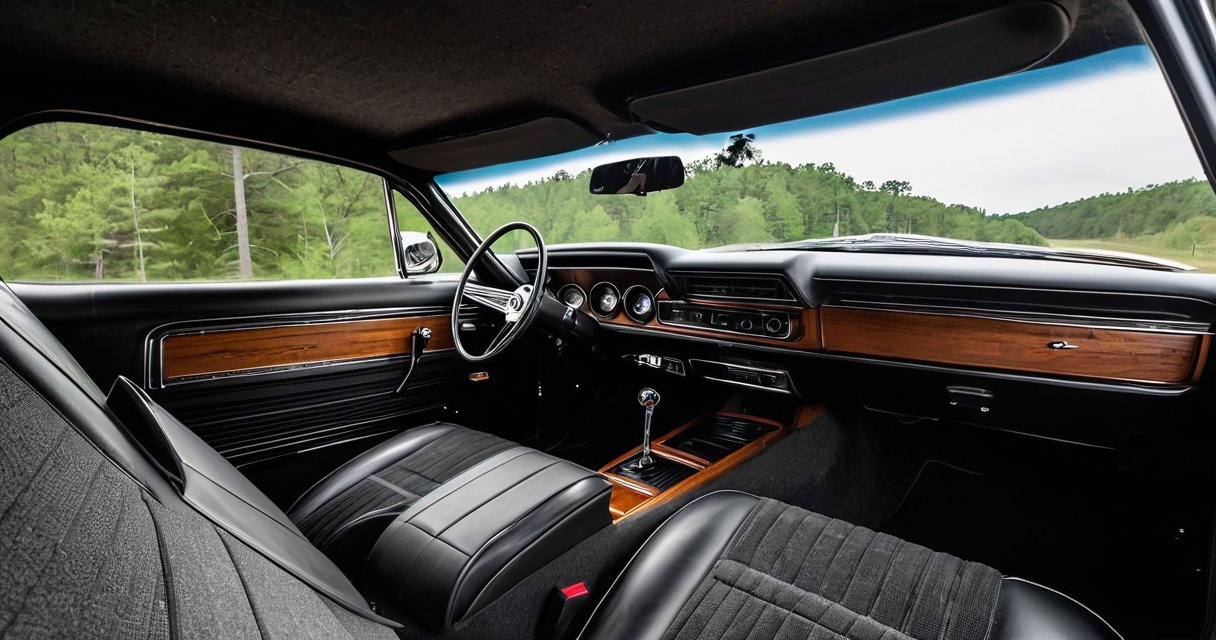
Window seals play an equally important role in maintaining cabin quietness. Precision-fitted rubber gaskets around each glass pane block wind noise at highway speeds while preventing air leaks that could compromise temperature stability. Combined with the vehicle’s robust GTX insulation, these seals form an effective barrier that enhances overall sound isolation.
The climate control system relies on an advanced HVAC setup paired with an efficient ventilation system to regulate interior temperature. Multiple adjustable vents distribute conditioned air evenly, while quiet fans minimize operational noise. This integrated design keeps the cabin comfortable in any season without introducing additional sound.
Drivers benefit from the seamless coordination between noise insulation and climate control features. The ventilation system works silently in the background, preserving the tranquil atmosphere created by the soundproofing materials and window seals. As a result, long drives in the Plymouth GTX remain relaxing and free from temperature fluctuations or intrusive exterior sounds.
Overall, the GTX insulation package demonstrates thoughtful engineering that prioritizes both acoustic comfort and precise climate management. By combining high-performance soundproofing materials, durable window seals, and a refined ventilation system, the Plymouth GTX ensures a consistently quiet and temperature-controlled environment for every journey.

Ever since I bought my first used pickup truck, I’ve been obsessed with finding the perfect blend of off-road capability and weekend comfort. I spend my free time exploring state parks and tinkering with restoration projects in my garage. My writing focuses on how vehicles can enhance your lifestyle and outdoor adventures.